
Review · BALINESE COOKING CLASSES FROM KUTA
Balinese Cooking class with traditional morning market visit
Spices have a backstory in Ubud. This small-group Balinese cooking class links a morning market to a jungle-side workshop where you learn Balinese flavors, plus make traditional offerings. The one thing to consider is time, it runs about 6 hours, so plan your day around the early start.
I also love the practical flow, you shop, you prep, then you eat what you made as a sit-down meal. And the guides, often including chefs like Wayan and Dewa (names you’ll hear repeatedly), keep things friendly and hands-on, even if it’s your first cooking class.
Key Things to Know Before You Go
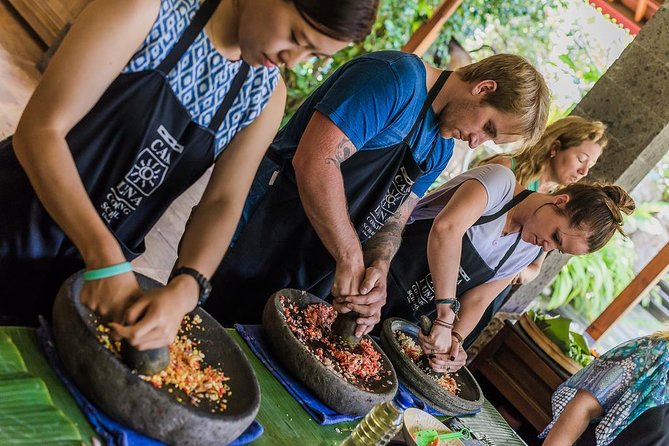
- Small group size (max 8) means more attention while you’re cooking.
- Hotel pickup and air-conditioned transport keeps the heat part of Bali from taking over.
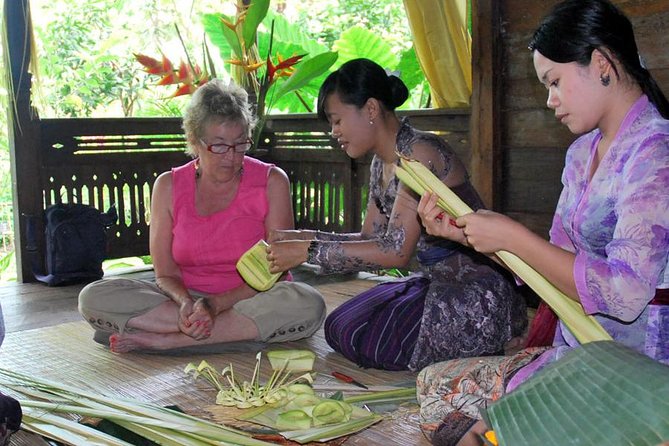
- Traditional offerings practice includes canang and other offering equipment.
- Market shopping for your own ingredients turns cooking into real context, not just a demo.
- Sit-down meal with what you cook makes the time feel worth it.
More kitchens that start at the market
- Ubud Cooking Class Bali with Balinese Chef★ 5.0 · 1,609 reviews
- PRIVATE Authentic Balinese Cooking Class in Ubud at Putu’s Home★ 5.0 · 644 reviews
- Balinese Ubud cooking school (9 Dish Cooking and Market Tour)★ 5.0 · 540 reviews
- Balinese Farm Cooking Class by Pemulan Bali★ 5.0 · 410 reviews
Why This Ubud Market-to-Cooking-Workshop Format Works
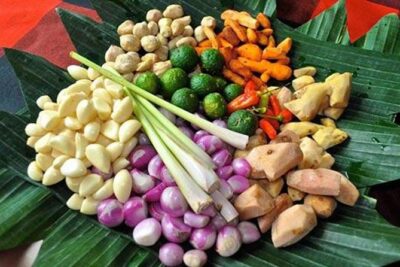
This isn’t a class where you watch someone else do everything. The smart idea here is sequence: you see the ingredients at a local market first, then you cook with them right away. That makes flavors easier to remember, and you’re more likely to recreate dishes later.
The setting in Ubud adds to it too. You’re cooking in a calmer environment tied to the area, not a crowded kitchen where you feel like you’re in the way. Add the air-conditioned ride from your hotel, and the morning feels smoother than you’d expect for a market-focused activity.
Your Morning Starts at the Traditional Market
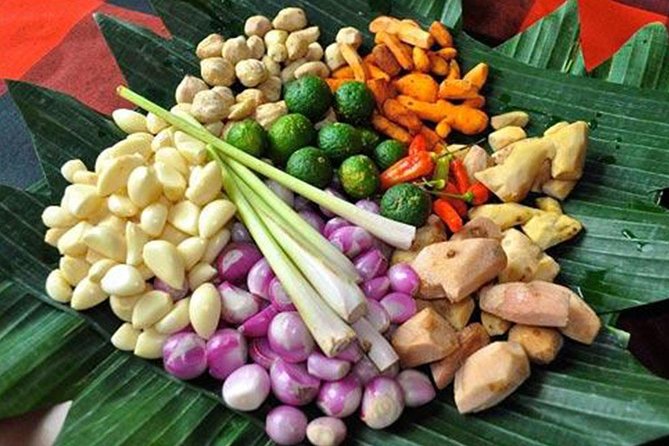
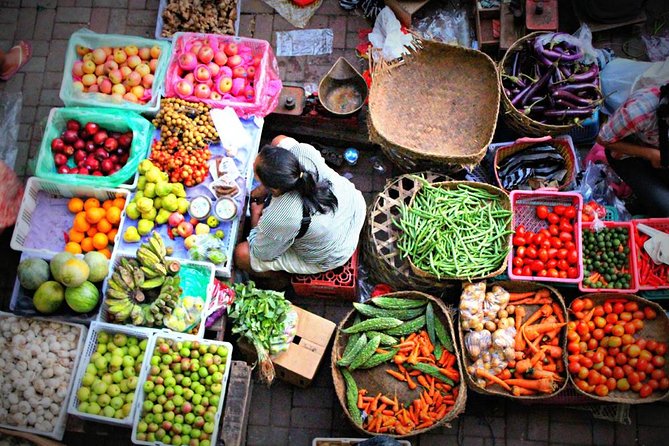
You’ll begin with pickup, then head to a local fresh food market where you choose ingredients for your class. This matters more than you might think. In Bali, spices and herbs aren’t random add-ons, they’re part of how the whole dish gets its identity.
Here’s what you can expect to do in the market:
- Look at vegetables, herbs, meat, and spices laid out for buyers
- Taste some items if the team offers it, so you can learn by scent and flavor
- Ask questions as you pick what goes into your cooking
The value of this step is that you leave with a better mental map of what’s common, what’s used for fragrance, and what’s used for heat. Even if you’re not a hardcore cook, you’ll still walk away with that aha feeling when you recognize ingredients later.
Laplapan Welcome and the Offering-Making Part
After the market, you go to the traditional village of Laplapan for a warm welcome on arrival. This sets the tone. Food in Bali is tied to daily rituals, not just meals on plates.
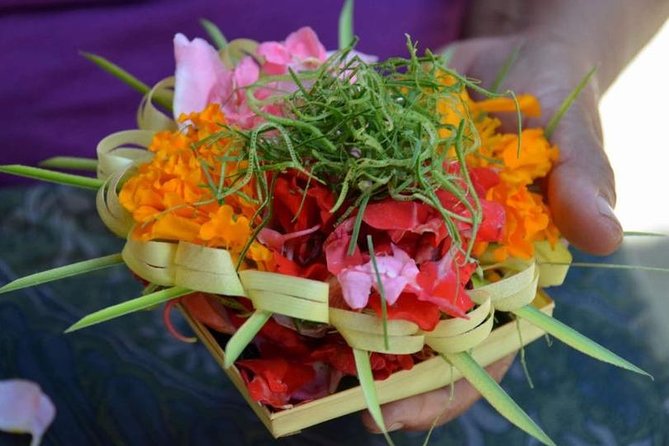
One of the most praised parts of the experience is the offering practice before the cooking begins. You’ll learn the process of making Balinese offerings, including canang (and other offering equipment). You’re not just shown a finished basket and sent back to the kitchen. You actually make one.
Why this matters for foodies:
- You see how ingredients and preparation connect to local life
- You learn that cooking is part of a larger set of traditions
- You get a hands-on cultural skill that feels practical, not just ceremonial
If you’re doing this as a couple, with friends, or solo, this section also tends to break the ice quickly. People start talking while they’re assembling offerings, because everyone is doing the same steps.
The Cooking Workshop: Hands-On, Not Rushed
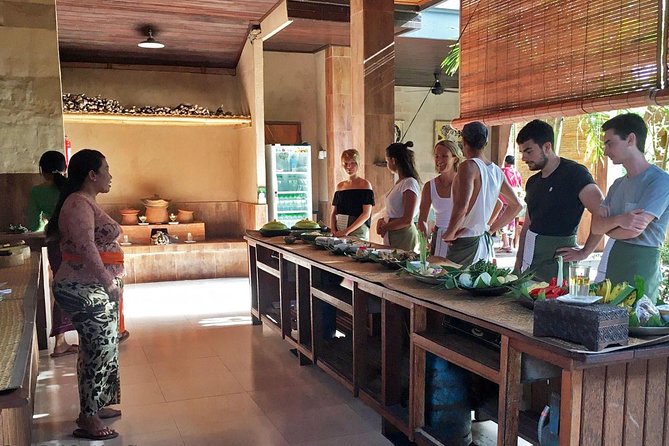
Now comes the main event, the cooking class itself. You’ll cook multiple dishes with guidance and assistance from the chef team. The pace is designed to feel like learning, not just production. Many people mention that nothing felt rushed, and that the class stays efficient without cutting corners.
What you’ll work on typically includes:
- Starters
- Main courses
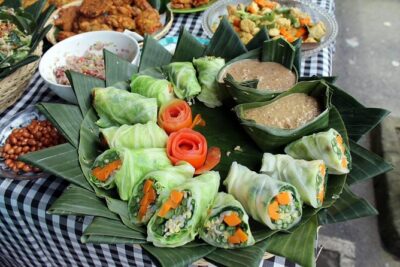
- An authentic dessert
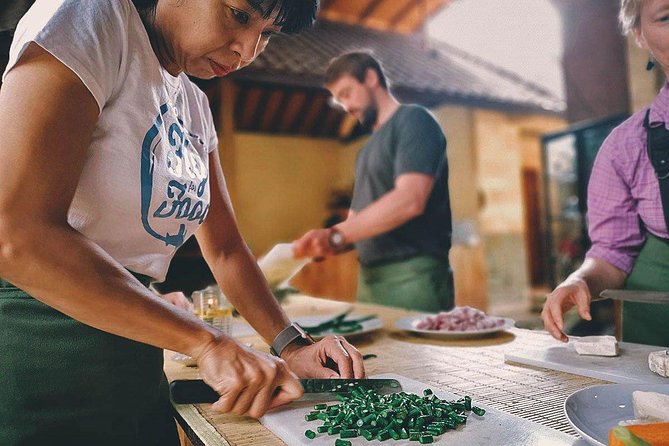
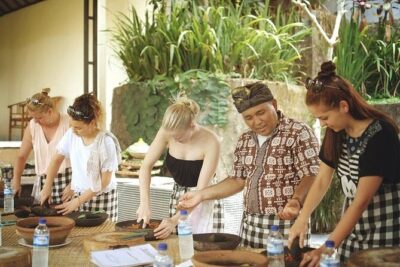
Expect a lot of hands-on tasks, including chopping, mixing, and getting the balance of flavors right. The team helps during the steps that usually trip first-timers, like getting the right consistency and understanding when an ingredient is there for aroma versus heat.
And if you’re worried about not having culinary confidence, this is a small-group setup for a reason. With a maximum of eight travelers, you’re more likely to get quick corrections and encouragement as you go.
Other Ubud days people book alongside this one
What You Eat: A Real Sit-Down Meal
The best part of cooking is eating your results. Here, you sit down and enjoy the delicious flavors of what you made. That’s not a small detail. A meal that’s tied to your own work makes the whole day land better.
You’ll also get to taste along the way in the market, and then you finish with a full meal where everything you cooked is presented together. People repeatedly call out how much food they made and how satisfying the final sit-down is.
If you’re the type who likes to leave with usable memories, this format helps. You don’t just take photos of dishes you never learned how to build. You get the taste in your mouth and the method in your hands.
Pricing and Value: Does $35 Really Add Up?
At $35 per person, the value comes from what’s included, not just the headline price. Your experience package covers:
- Cooking class fees
- Cooking equipment
- Taxes
- Air-conditioned vehicle
- Pickup, plus transport between the market and workshop
You also get the morning market ingredient selection and the offering-making portion. Add in the sit-down meal, and you’re not paying for a 45-minute demo. You’re paying for a full morning of structured, guided activity.
In plain terms: you’re buying time well spent. If you were to do a market tour plus a cooking class separately, you’d usually end up paying more and losing the seamless connection between ingredients and dishes.
Group Size, Comfort, and Logistics That Actually Matter
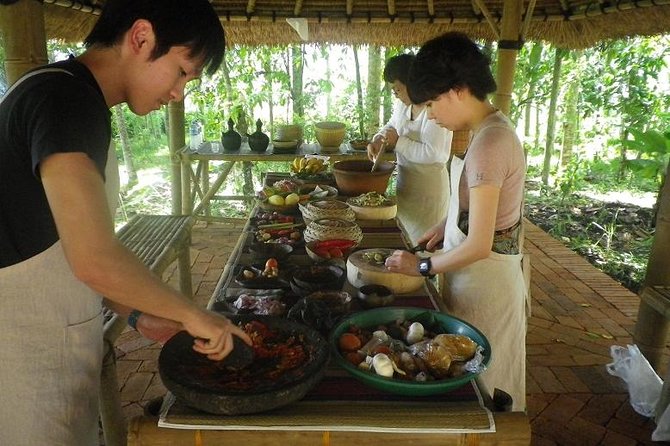
This runs in a maximum group size of 8 travelers. That’s the difference between standing on the sidelines and being able to ask questions while you cook.
Comfort is also built in. You get air-conditioned transport from your hotel to the market and workshop. In Ubud mornings, that AC ride can feel like a small luxury, and it makes the schedule easier to handle.
Pickup is offered, and that’s a big deal in Ubud, where traffic and finding exact meeting points can be annoying. A reliable pickup reduces stress, which is part of the value you feel even before you taste anything.
Dietary Needs and Vegetarian Options
Good news: the class can work for different preferences. There are mentions of vegetarian options, and the team can adapt to dietary requirements. That’s important because cooking classes often fall apart if you have restrictions and nobody planned for it.
What you should do: when you book, tell them your dietary needs clearly. Then you’ll be more likely to get an adjusted set of dishes that still feels true to Balinese cooking rather than an afterthought.
Who This Bali Cooking Class Is Best For
This is a strong fit if you:
- Want an authentic Bali food experience that starts with real ingredients
- Like hands-on learning, not watching from the back
- Want a cultural tie-in through offering-making, not just a cooking session
- Appreciate small groups and personal guidance
It’s also a great choice for travelers who want a memorable morning without turning it into a big production. You’re not cramming in a long list of random stops. You’re focused on food and the cultural context behind it.
Quick Tips So You Get More Out of the Day
Here are practical ways to set yourself up for a smoother experience:
- Wear comfortable clothes you don’t mind getting a little messy while you prep.
- Bring a small bottle of water, even if you get a welcome drink and snack as part of the flow.
- If you’re sensitive to spicy flavors, tell the team early so they can guide you while cooking.
- After the meal, ask for the recipe details you want for home cooking, since many people leave with recipes or a recipe book.
Should You Book This Ubud Cooking Class?
Yes, if you want a morning that combines culture and food in a way that actually sticks. The biggest strengths are the ingredient shopping at the traditional market, the offering-making practice, and the hands-on cooking with a small group. For $35, the inclusion of pickup, AC transport, and a sit-down meal makes it hard to call this anything but good value.
Skip it if you’re trying to fit in a very relaxed schedule with no early start, or if you only want to do a quick, hands-off food experience. This class is meant for participation, and it uses your hands as part of the learning.
If your goal is to understand how Balinese flavors come together, this is one of the more practical ways to do it in Ubud.
FAQ
How long is the Balinese cooking class in Ubud?
The duration is about 6 hours.
Where does the experience take place?
It takes place in Ubud, Indonesia, including a traditional morning market visit and a workshop/village stop at Laplapan.
Is hotel pickup included?
Yes, pickup from your hotel is offered, and it includes air-conditioned transport.
What is the maximum group size?
The maximum group size is 8 travelers.
What do you do during the morning market visit?
You visit a local fresh food market to choose ingredients for your cooking class, including vegetables, herbs, meat, and spices, and you get a sense of local daily life.
Do you learn how to make Balinese offerings?
Yes. Before the cooking class, you learn the process of making Balinese offerings, including canang and other offering equipment.
What is included in the price?
Included items are cooking equipment, air-conditioned vehicle, cooking class fees, and taxes.
Are vegetarian options available?
Yes, vegetarian options are mentioned, and the team can adapt to dietary requirements.
Do you get any materials to take home?
Yes, you can leave with recipes, and many people mention receiving a recipe book.
What is the cancellation policy?
You can cancel for a full refund if you do so up to 24 hours in advance of the experience start time. If you cancel less than 24 hours before, the amount paid is not refunded.
Where the Shopping Is
- Balinese Ubud cooking school (9 Dish Cooking and Market Tour)
★ 5.0 · 540 reviews - PRIVATE Ubud Market Tour & Balinese Cooking Class with Putu
★ 5.0 · 125 reviews - Ubud Cooking Class with Optional Market Visit Pickup Included
★ 5.0 · 70 reviews - Balinese Cooking Class with Traditional Market Tour
★ 5.0 · 66 reviews
More Tour Reviews in Ubud
- All-Inclusive Ubud Private Tour
★ 5.0 · 14,344 reviews - Best of Ubud Full-Day Tour with Jungle Swing
★ 5.0 · 8,571 reviews - Ubud: Monkey Forest, Jungle Swing, Rice Terrace, and Water Temple
★ 5.0 · 7,160 reviews - Best of Ubud 1-Day Private Tour
★ 5.0 · 4,451 reviews
Cook Another Balinese Lunch
- Ubud Cooking Class Bali with Balinese Chef
★ 5.0 · 1,609 reviews - PRIVATE Authentic Balinese Cooking Class in Ubud at Putu’s Home
★ 5.0 · 644 reviews - Balinese Ubud cooking school (9 Dish Cooking and Market Tour)
★ 5.0 · 540 reviews - Balinese Farm Cooking Class by Pemulan Bali
★ 5.0 · 410 reviews
Fresh on the Ubud pages




Balinese Cooking Classes from Kuta, compared.
 ★ 5.0Ubud Cooking Class Bali with Balinese ChefFrom $351,609 reviews
 ★ 5.0PRIVATE Authentic Balinese Cooking Class in Ubud at Putu’s HomeFrom $75644 reviews
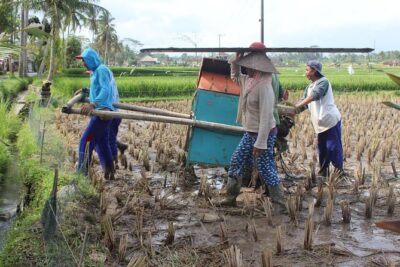 ★ 5.0Balinese Ubud cooking school (9 Dish Cooking and Market Tour)From $58540 reviews
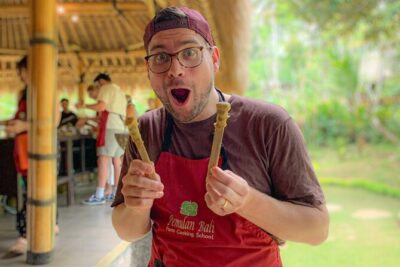 ★ 5.0Balinese Farm Cooking Class by Pemulan BaliFrom $39410 reviews
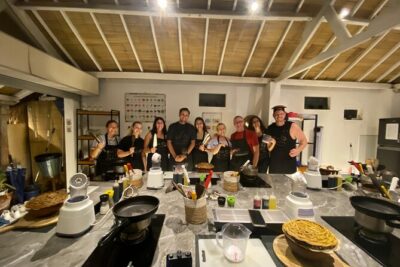 ★ 5.0Learn to cook Indonesian food at Gili Cooking Classes TrawanganFrom $33352 reviews
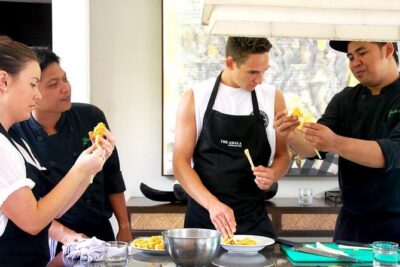 ★ 5.0Balinese Cooking Class in SeminyakFrom $66281 reviews
 ★ 5.0Anggrek Putih Lombok Cooking ClassFrom $30253 reviews
 ★ 5.0Balinese Authentic Cooking Class in UbudFrom $39239 reviews
More Kuta tours like this one