
Review · BALINESE COOKING CLASSES FROM KUTA
Learn to cook Indonesian food at Gili Cooking Classes Trawangan
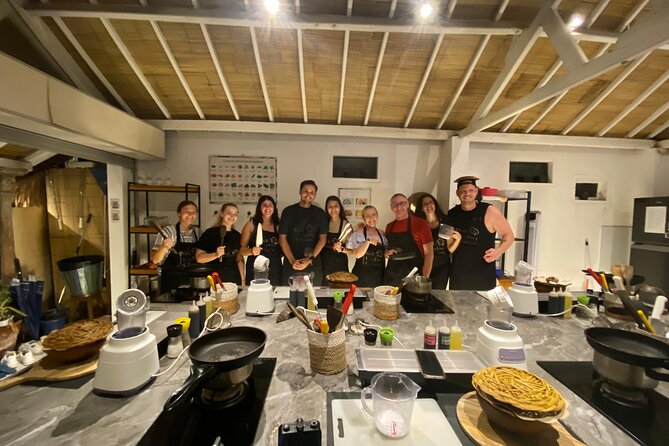
Food lessons should be practical, not precious. This one teaches you Indonesian dishes you can actually recreate later, from kelopon sweets to peanut sauce over fried tempe. I love the small group size, because you get real time with the chefs instead of watching from the sidelines. I also love how the class is set up around hands-on cooking, so you’re making the food, not just hearing about it. One thing to consider, it’s open-air and can feel hot, so plan around the weather and drink the extra water they offer.
You also get choices that help you fit it into a Gili day. Classes run daily with start times at 11:30am, 4pm, and 7pm or 8pm (depending on season), and the length depends on how many dishes you choose. The menu can range from 3 dishes to 6 dishes, so you can match the experience to your appetite and schedule. The possible drawback: the cooking pace can be fast, especially in the longer options, so come ready to participate.
Key Reasons This Cooking Class Earns Near-Perfect Scores
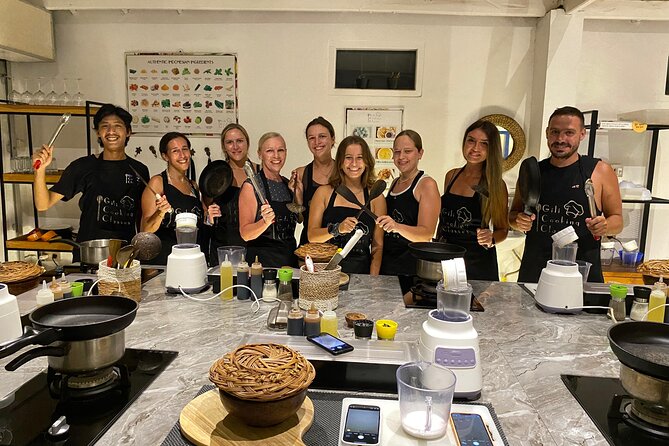
- Small group format (up to 10 people) means more attention while you cook
- 3 dish to 6 dish options let you tailor time, hunger, and difficulty
- Open-air setting by the harbor makes the whole experience feel local and relaxed
- Vegan and vegetarian swaps are more than a token change, tofu or tempe stand in for chicken
- You leave with recipes, so the flavors are easier to remake at home
- Lunch and dinner included, so the class turns into a full meal plan day
Other ways to spend a day out of Gili Trawangan:
- Learn to cook Indonesian food at Gili Cooking Classes Trawangan★ 5.0 · 352 reviews
- Gili Island Snorkeling Trip – Gili Trawangan, Gili Meno, & Gili Air, From Lombok★ 5.0 · 330 reviews
- Snorkeling with turtle and statue in Gilis★ 4.5 · 301 reviews
- Private Snorkeling Gili Island (Coral, Statue and Turtle)★ 5.0 · 229 reviews
Entering The Harbor-Side Kitchen on Gili Trawangan
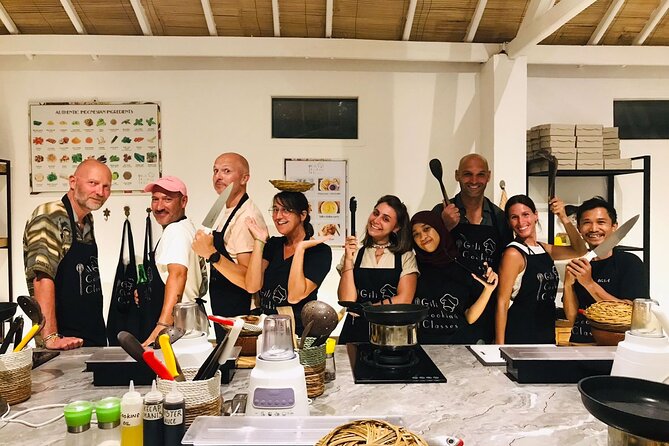
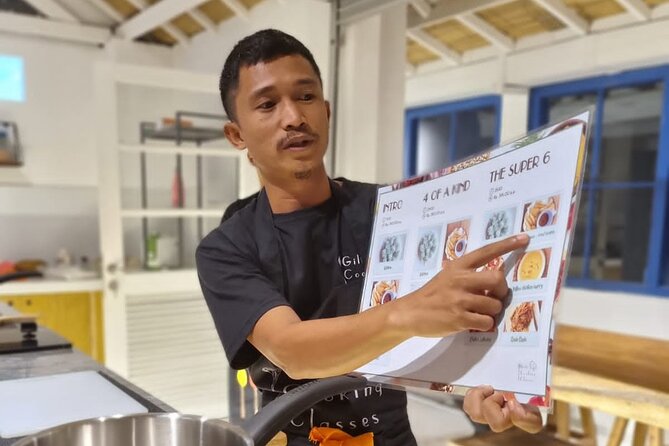
Meet at Gili Cooking Classes on Gili Trawangan, next to Trawangan Dive. You’ll find it along the main beachfront area, at Jl. raya pantai trawangan (Gili Indah, Kec. Pemenang, Kabupaten Lombok Utara, Nusa Tenggara Barat). From the start, the vibe is simple: you’re not stuck in a classroom. You’re in a working kitchen environment, open to the air, and you can feel that island rhythm around you.
One detail I really like is the way the kitchen is handled. People who’ve taken the class highlight a clean setup, plus teachers who keep things organized and easy to follow. The chefs also do their work in a way that feels friendly and practical, not stiff. If your cooking skills are rusty, you won’t be treated like a lost tourist. You’re treated like a student who just needs the next step explained clearly.
Because the class is outdoors, you should expect real Gili heat and humidity. The upside is that you don’t feel trapped. The tradeoff is simple: show up ready for warm conditions. The class typically includes plenty of water, which helps a lot during active cooking.
Picking Your Class Length: Intro, Four of a Kind, or Super Six
This is not a one-size cooking lesson. You can choose based on how many dishes you want to make and how much time you have in your day.
Here are the common course options:
- Intro Course (about 1h30), 3 dishes
- Kelopon
- Fried tempe with peanut sauce
- Fried noodles
- Four of a Kind (about 2h), 4 dishes
- Kelopon
- Fried tempe with peanut sauce
- Fried noodles
- Yellow chicken curry
- Super Six (about 2h30), 6 dishes
- Kelopon
- Fried tempe with peanut sauce
- Fried noodles
- Yellow chicken curry
- Chicken taliwang
- Gado gado
From a value standpoint, the sweet spot for many people is the 2-hour option. It lines up with the class duration listed for the experience and gives you a mix of fried, sauced, and one hearty curry dish. If you’re serious about learning more, the Super Six is a big step up. You’re not paying a little extra for a slightly longer hangout. You’re paying for extra dishes, and those extra dishes include the ones with bolder flavors, like chicken taliwang and gado gado.
Kelopon, Fried Tempe, Fried Noodles, and the Curry Core
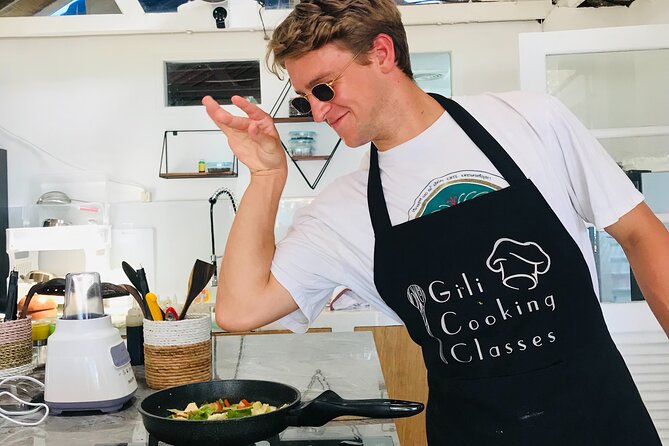
The teaching focuses on a few anchor dishes, and each one teaches you a different skill set. Here’s how those dishes typically translate into real cooking knowledge you can use later.
Kelopon: Sweet and Snackable
Kelopon is one of those Indonesian sweets that feels small but hits hard with flavor. It’s often described as bursting with “in-the-mouth” personality, which makes sense because these treats are built to be eaten fresh and enjoyed for texture. The practical takeaway is that you learn how to handle the sweet component of Indonesian cuisine, not only the savory part.



Fried tempe plus peanut sauce: Crunch, balance, and sauce logic
Fried tempe is a great learning dish because tempe itself is sturdy. That means you can focus on technique, like getting the right frying stage and achieving a satisfying crunch. Then the peanut sauce adds the second lesson: sauces in Indonesian cooking aren’t just afterthoughts. They’re part of the dish structure.
Even if you only remember one thing after the class, it should be how peanut sauce is built to coat and complement. That skill matters for recreating similar flavors at home, whether you make tempe, tofu, or even use peanut sauce for other proteins.
Fried noodles: Timing and heat control
Fried noodles teach you heat management and pacing. Noodles are unforgiving, and that’s the point. You learn how to work quickly, not frantic, but efficient. The class structure helps because you’re cooking alongside the chefs, so you can tell when it’s getting too dark, too soft, or under-seasoned.
Yellow chicken curry: A grounding flavor base
If you choose the Four of a Kind or Super Six, you’ll add yellow chicken curry. This is where many people feel the biggest jump in comfort with Indonesian home cooking. Curry in this style often relies on a base flavor that you can learn to recreate, and that base is what makes the whole dish feel Indonesian instead of generic “curry-ish.”
In a class like this, you’re not just being told the recipe. You’re being coached on how to approach the ingredients and how the dish should look and smell as it cooks.
Chicken taliwang and gado gado in the Super Six
Chicken taliwang brings heat and depth. In one review, someone even mentioned the chef teachers getting the chicken to the right stage using dramatic cooking moments. That kind of guidance matters because taliwang is all about bold seasoning.
Gado gado is a crowd favorite for a reason. It’s a mixed-ingredient dish where the sauce ties everything together. The lesson here is how to coordinate components, because you’re dealing with multiple textures, not one uniform ingredient.
Open-Air, Clean, and Clearly Explained
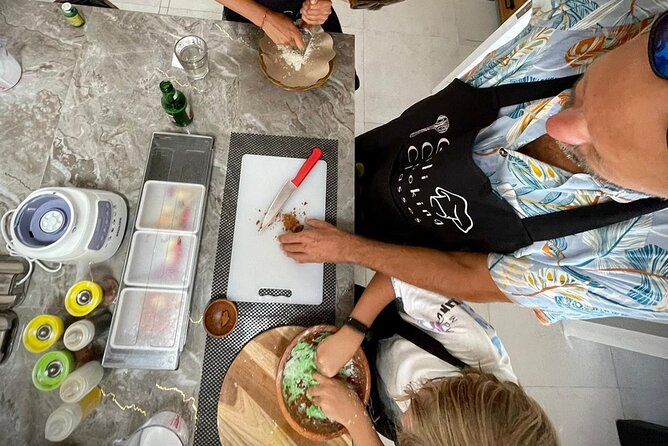
What makes this class work is not just the menu. It’s the teaching style. Many people mention the hosts and instructors being friendly, funny, and interactive, with instruction that’s clear and well spoken. That matters because Indonesian cooking often uses ingredients that home cooks may not recognize. If you don’t know what something is, you can’t substitute confidently.
A standout theme in the feedback is how organized the class feels. You’ll be moving through steps, doing prep and cooking, and then eating what you made. It’s not a long lecture. It’s structured chaos in the best way.
Also, several people mention feeling comfortable even in hot weather, with the staff keeping water flowing. That small detail can be the difference between enjoying the class and feeling miserable while you’re frying things on a warm day.
And yes, you should expect to do real work. This is a hands-on format, and that’s exactly why it’s worth your time. Even if you’re a beginner, you’ll come out knowing what you did and why it worked.
Lunch and Dinner Are Not Afterthoughts
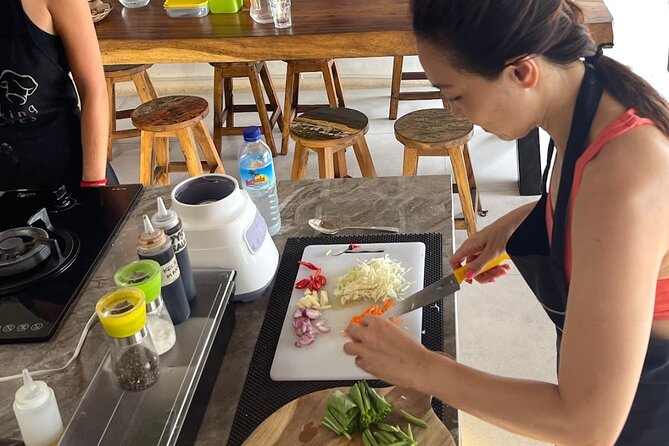
You’ll get lunch and dinner included, which turns the class into more than a snack-and-demo experience. You make dishes, then you eat them, and the full meal setup helps you connect flavors, textures, and sauce behavior.
This also explains why the class feels like value compared to many cooking tours. You are paying for instruction plus ingredients plus the meal. Many cooking experiences give you a tiny tasting. Here, you’re fed, and you can take your time eating what you cooked.
One practical tip: arrive a little hungry. These classes end with a feast of the fare you prepared. If you show up stuffed from beach snacks, you’ll still learn, but you’ll miss part of the fun.
Vegan and Vegetarian Options That Actually Change the Dish
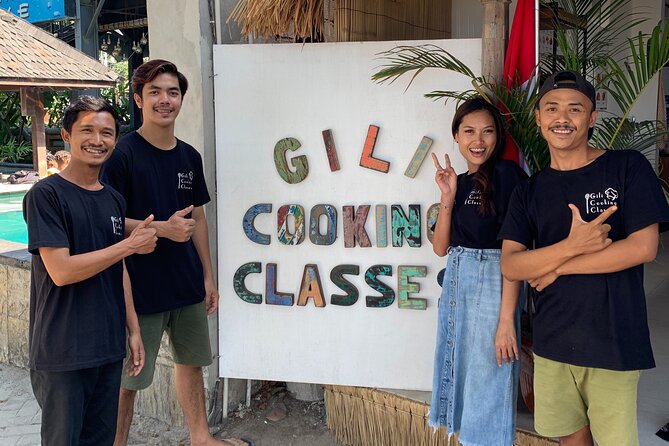
If you’re vegetarian or vegan, you won’t be stuck with a sad substitution. The chefs can accommodate many dietary needs, including vegan options. The data is clear on key swaps:
- Chicken can be replaced with tofu or tempe
- Vegan oyster sauce is available
That matters because oyster sauce, for people who don’t know, often does more than “add umami.” When chefs replace it properly, the dish keeps its Indonesian identity instead of turning into bland imitation.
If you have allergies or strict dietary rules, I’d suggest mentioning them when you book so the team can prepare appropriately. The class is set up to handle a range of preferences, and that’s part of why the experience earns such strong satisfaction.
What You Really Pay For: Value Behind the $33 Price
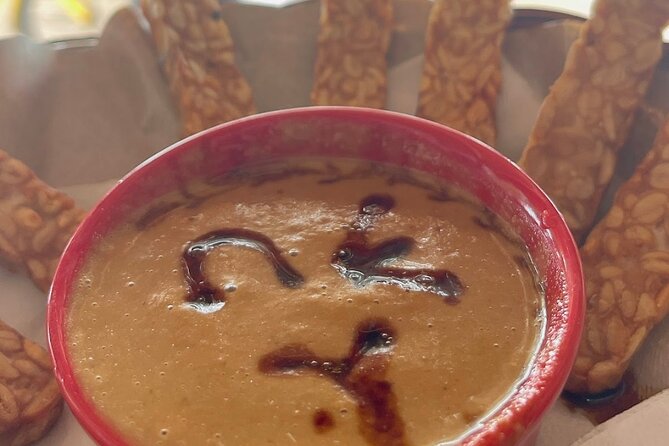
At $33 per person, this class is priced in a way that makes sense for the Gili context, especially when you factor in what’s included. Here’s the value breakdown in plain terms:
- Instruction from chefs guiding you through multiple dishes
- Ingredients for what you cook
- Bottled water and free drinking water
- Lunch and dinner included
Two more money notes:
- Alcoholic beverages are not included, and water is the free option.
- Take-away boxes are an add-on (priced per box), so if you want leftovers, plan for the small extra cost.
The big value driver is attention. With up to 10 travelers, you’re not fighting for teacher time. You can ask questions while you’re working, and that helps you understand technique, not just copy a finished dish.
So if you’re trying to choose between a cooking class and another ticketed activity, I’d judge this by one question: Do you want a skill plus a meal? If yes, this is one of the better bets on the island.
The Only Real Considerations Before You Book
No experience is perfect, so here are the few things that could affect your comfort.
1) It can be fast-paced, especially for the longer courses.
That doesn’t mean it’s chaotic. It means you’ll be learning by doing, which is great if you like action. If you need slow and calm, pick a shorter course.
2) Ingredient portions may be pre-measured for convenience.
One review notes that you might want to personally add liquids and some ingredients yourself to better remember quantities. Even so, the class still keeps it hands-on, and the takeaway recipes list amounts so you can recreate it accurately later. The key is that you’ll be learning the process, then confirming the measurements at home.
3) It’s open-air.
Plan for heat. Bring simple sunscreen habits and expect real sun exposure depending on the time slot.
Who This Cooking Class Fits Best
This is a strong match if:
- You want authentic Indonesian flavors and not just a general “food tour”
- You enjoy learning by doing, not by watching
- You want something couples and friends can share, because you cook together as a small group
- You have dietary needs, since vegan and vegetarian substitutions are supported
It might be less ideal if you:
- Hate hands-on cooking and prefer purely passive sightseeing
- Get stressed by a quicker schedule and lots of steps
- Want alcohol included with the experience (water is the free drink)
Should You Book Gili Cooking Classes Trawangan?
I think you should book this if your goal is to leave Gili with something you can use at home. The combination of small group attention, real cooking, and a full lunch plus dinner makes it more than a fun activity. It becomes a practical food education.
Choose your course like this:
- Pick Intro if you’re short on time but still want the classic hits like kelopon and fried tempe.
- Pick Four of a Kind if you want a balanced class length, plus a curry dish that gives you more serious flavor learning.
- Pick Super Six if you want the biggest menu and you love variety, especially chicken taliwang and gado gado.
FAQ
How many dishes will I cook in the class?
You can choose between the Intro course (3 dishes), Four of a Kind (4 dishes), or Super Six (6 dishes), depending on the class length you select.
What Indonesian dishes are included?
Common dishes include kelopon, fried tempe with peanut sauce, fried noodles, yellow chicken curry, chicken taliwang, and gado gado, based on the course option.
How long is the cooking class?
Classes run for about 1h30 for the Intro course, about 2h for Four of a Kind, and about 2h30 for Super Six.
What time do classes run on Gili Trawangan?
Classes typically run daily at 11:30am, 4pm, and 7pm or 8pm depending on low season versus high season.
Is the class suitable for vegetarians or vegans?
Yes. The chefs can accommodate vegan and vegetarian preferences, including replacing chicken with tofu or tempe and using vegan oyster sauce.
What’s included with the ticket price?
The class includes bottled water (free drinking water), lunch, and dinner.
Where do I meet for the cooking class?
Meet at Gili Cooking Classes – Gili Trawangan, next to Trawangan Dive on Jl. raya pantai trawangan, Gili Indah, Kec. Pemenang, Kabupaten Lombok Utara, Nusa Tenggara Bar. 83352, Indonesia.
Is there a limit on group size?
Yes, the class has a maximum of 10 travelers.
Are alcoholic drinks included?
No. Alcoholic beverages are not included, and free drinking water is provided.
What is the cancellation policy?
Free cancellation is available. You can cancel up to 24 hours in advance for a full refund, and cancellations within 24 hours do not receive a refund.
More Tour Reviews in Gili Trawangan
- Gili Island Snorkeling Trip – Gili Trawangan, Gili Meno, & Gili Air, From Lombok
★ 5.0 · 330 reviews - Snorkeling with turtle and statue in Gilis
★ 4.5 · 301 reviews - Private Snorkeling Gili Island (Coral, Statue and Turtle)
★ 5.0 · 229 reviews - Half-Day Private Guided Snorkeling Turtles Underwater Statues
★ 5.0 · 165 reviews
Fresh on the Gili Trawangan pages





Balinese Cooking Classes from Kuta, compared.
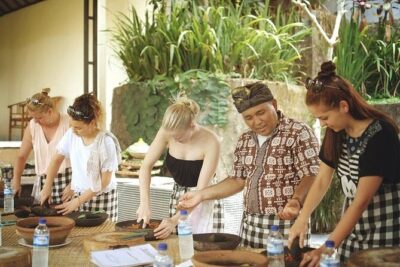 ★ 5.0Ubud Cooking Class Bali with Balinese ChefFrom $351,609 reviews
 ★ 5.0PRIVATE Authentic Balinese Cooking Class in Ubud at Putu’s HomeFrom $75644 reviews
 ★ 5.0Balinese Ubud cooking school (9 Dish Cooking and Market Tour)From $58540 reviews
 ★ 5.0Balinese Farm Cooking Class by Pemulan BaliFrom $39410 reviews
 ★ 5.0Balinese Cooking Class in SeminyakFrom $66281 reviews
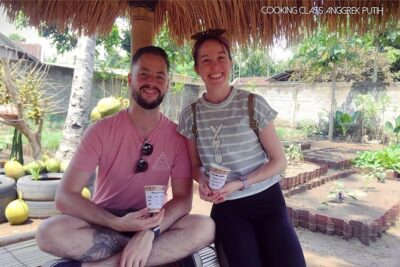 ★ 5.0Anggrek Putih Lombok Cooking ClassFrom $30253 reviews
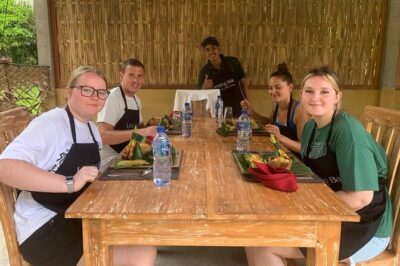 ★ 5.0Balinese Authentic Cooking Class in UbudFrom $39239 reviews
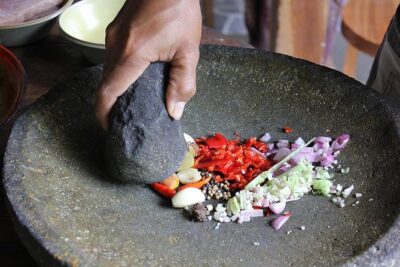 ★ 5.0PRIVATE Balinese Cooking Class in Ubud with Dewa with TransfersFrom $69213 reviews
More Kuta tours like this one