
Review · BALINESE COOKING CLASSES FROM KUTA
Indonesian Food Cooking Class of Gili Air
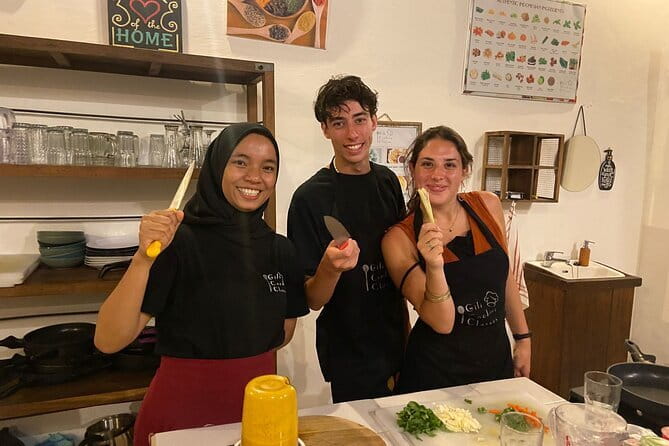
Indonesian cooking class on Gili Air sounds fun. In about two hours, you cook Indonesian classics and eat them right away, with your kitchen steps starting near the harbor where you can easily time it around the rest of your island day.
I especially like the small-group feel, with a maximum of 12 people, so the instructor can actually help you as you go. I also like that you can choose start times and even choose how many dishes you want to tackle, from 3 to 6. One thing to consider: you will be cooking and eating as part of a set class flow, so this is not the place to plan something extra elaborate right before or right after.
Key Points Before You Go
- Right by the harbor on Gili Air, so you can fit the class into your day fast.
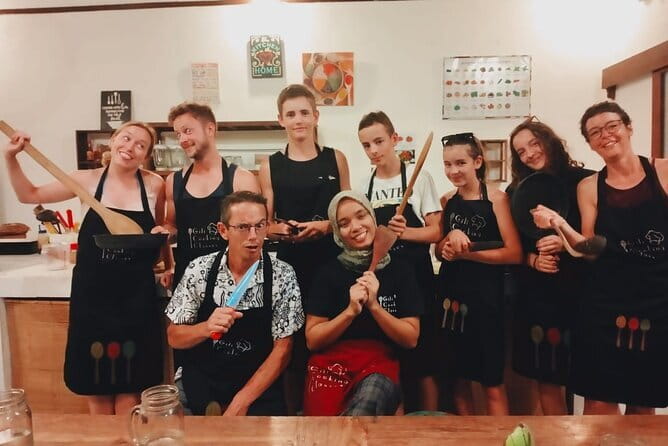
- Small-group limit of 12, which makes hands-on teaching feel personal.
- Menu choices let you go 3, 4, or 6 dishes depending on your hunger and schedule.
- Meals are the point, because you cook and then eat your own Indonesian spread.
- Dietary swaps are supported, including vegetarian and vegan options using tofu/tempe and vegan oyster sauce.
- Water is included, with alcoholic drinks available to buy if you want them.
Other ways to spend a day out of Gili Islands:
- Indonesian Food Cooking Class of Gili Air★ 5.0 · 87 reviews
- Rinjani Trekking Three Days Two Night Summit Lake★ 4.5 · 73 reviews
- Gili Air: Snorkeling 3 Gili Islands with GoPro Camera★ 5.0 · 44 reviews
- Horse Ride On The Beach Gili Islands★ 4.5 · 22 reviews
Why This Gili Air Cooking Class Works So Well
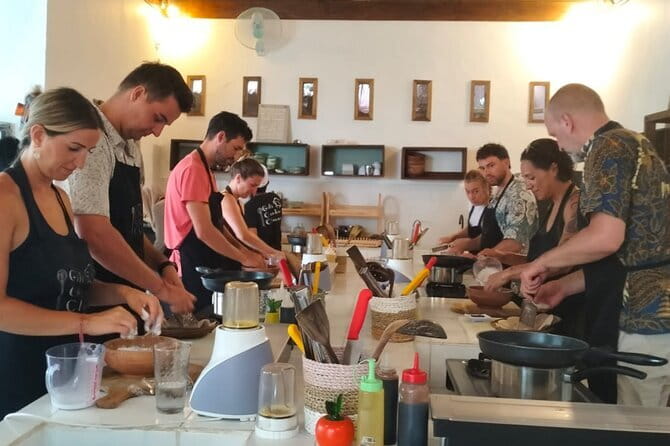
On a small island like Gili Air, the best activities do two things at once. They give you something real to take home, and they do not mess up your schedule. This Indonesian food cooking class fits both.
You are not just watching. You’re learning the practical flow of Indonesian home cooking and then eating what you made. That matters here because Indonesian cuisine can be hard to find once you are not on its home turf, and a cooking class is one of the few ways to understand the flavors instead of just tasting them.
You also get a clear structure. The class runs multiple daily start times, so you can pick what works for your day. And the kitchen lesson is built around a set menu that includes both sweet and savory items, so you leave with a fuller picture of how Indonesian food moves from street snacks to proper meals.
Pick Your Menu Option: 3, 4, or 6 Dishes
The class is designed around three practical options. Choose based on how much cooking you want to do and whether you are treating this as lunch, dinner, or a late meal plan.
Intro Course: 3 dishes in about 1h30
This option includes:
- Kelopon (the coconut-dusted sweet)
- Fried tempe with peanut sauce
- Fried noodles
If you are short on time, or you just want a starter kit of Indonesian flavors, this is the cleanest choice. You still cover sweet, umami, and noodle comfort food.
Four of a Kind: 4 dishes in about 2 hours
This adds one more dish to the Intro menu:
- Yellow chicken curry
This is a good middle ground if you want at least one richer, sauce-forward item. Curry is also the dish category that most helps when you try to cook again later at home.


Super Six: 6 dishes in about 2h30
This adds two more dishes:
- Chicken taliwang
- Gado gado
If you love variety, this is the best value for learning range. You go beyond the typical “safe” menu and cover spicy, saucy chicken, plus gado gado, which brings the appeal of vegetables with a satisfying dressing.
Starting Times and the Harbor Location That Keeps Your Day Flexible
The meeting point is at Gili Cooking Classes on Gili Air, by the harbor. That might sound simple, but on Gili Air it is a big deal. You do not have to waste time figuring out a far-off route, especially if you are cycling, walking, or moving between the beach and town.
Start times also help your planning:
- Classes run every day
- Daily start times include 11:30am, 4pm, and 7pm or 8pm depending on season
So, what should you do with that? If you want lunch, pick the earlier start. If you want an activity that basically turns into dinner, the afternoon or evening start times work well because you cook and eat as part of the class.
If you are the type who likes to keep your evenings open for sunset or a casual stroll, the earlier start time can help you avoid stacking too much onto one night.
What You’ll Cook: Kelopon, Tempe, Noodles, and More
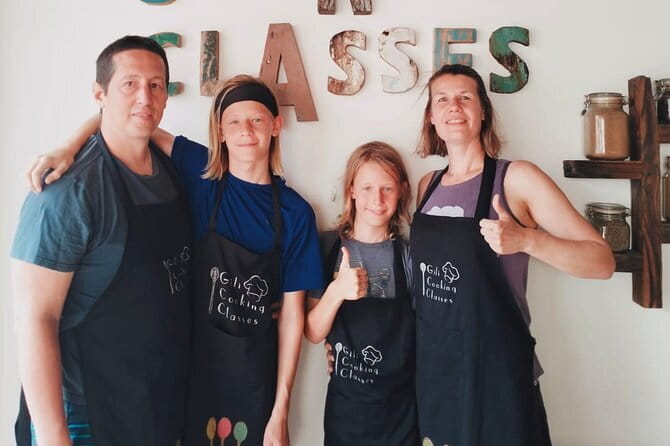
This class teaches dishes that are memorable because they have distinct “jobs” in Indonesian food. Sweet balances savory. Peanuts bring depth. Curry builds comfort. Vegetables still feel like a main event when the dressing is right.
Kelopon: sweet, coconut-dusted, and surprisingly instructive
Kelopon is the dessert highlight. You will cook it as part of every menu option, including the Intro course. The coconut dusting is the kind of detail that makes the texture and flavor feel complete, not just sweet.
Why it is worth learning: sweets like kelopon teach you Indonesian flavor logic in a focused way. You learn how sweetness pairs with aroma, and how a small ingredient shift changes the final bite.
Fried tempe with peanut sauce: a core Indonesian flavor combo
You will make fried tempe and then pair it with peanut sauce. Tempe is one of those ingredients that can taste simple at first, but it becomes addictive once you understand how it is seasoned and fried.
The peanut sauce matters too. It is where the sauce brings nutty richness and a sticky depth that makes the whole plate feel cohesive.
If you are trying to bring Indonesian cooking home later, peanut sauce is a practical “transferable” skill. It is not just one dish. It is a flavor tool.
Fried noodles: the comforting street-meets-home plate
You also cook fried noodles. This is the dish that helps the meal feel familiar even if you are new to Indonesian cooking.
Noodles are great for learning timing. You want them properly cooked and coated, not clumped and not under-seasoned. This class structure gives you a chance to practice that kind of control.
Yellow chicken curry: sauce-forward comfort
In the 4-dish and 6-dish options, you cook yellow chicken curry. Yellow curry is known for its warm, aromatic profile, and it is often the dish people remember because the sauce is what you taste first.
Why you should care: curries teach you how to think about flavors as layers, not just one seasoning step.
Chicken taliwang: spice and attitude
In the Super Six option, you cook chicken taliwang. This is the dish that shifts the menu from comfort to character. If you like bold, punchy flavors, this is the one to pay attention to.
Even if you do not call yourself a spice person, learning how taliwang is built helps you understand how Indonesian cuisine can be both intense and balanced.
Gado gado: vegetables plus dressing that makes it feel like a meal
Also in the Super Six is gado gado. This dish is all about turning vegetables into something satisfying using dressing and toppings.
It is also a smart learning choice because it shows how Indonesian food handles variety on a plate. You get more than one ingredient category, and the dressing ties everything together.
How the Teaching Feels: Step-by-Step Guidance in a Small Group

A cooking class lives or dies based on instructions. When they are clear, you learn fast. When they are vague, you end up guessing.
Here, instruction is part of the value. The class is run in a way that gives you step-by-step help while you cook. One guide name that stands out in the feedback is Oka, who speaks good English, explains clearly, and shares background information while you cook.
That background piece is underrated. It is what helps you do more than copy a recipe. It helps you understand why ingredients matter, so you can adjust when you cook again later.
And because the class has a max group size of 12, you are not just one more number in a crowd. If you get stuck at a frying step or you are unsure about what the sauce is supposed to look like, you have a real chance to ask.
Vegetarian and Vegan Adjustments That Actually Matter

You do not have to sit out. The class can accommodate vegetarian or vegan diets.
The approach is practical:
- Chicken can be replaced with tofu or tempe
- Vegan oyster sauce is available
This is important because many cooking classes say they can do dietary changes but offer limited options. Here, the changes are built into the dishes on the menu, so you can still learn the same cooking flow instead of receiving a completely different meal.
If you have allergies or very specific needs, you should still plan to communicate those at booking or on arrival. The data says almost all dietary preferences can be accommodated, but always confirm the specifics for your situation.
Drinks, Water, and Real-Life Comfort in the Kitchen

You get water included during the class. If you want alcohol, alcoholic drinks are available to purchase, so you are not locked out.
What to do with this as a practical traveler:
- Plan to drink water while you cook. Frying and hot kitchens can make you thirsty faster than you expect.
- Wear clothes you are comfortable getting a little messy in. You will be cooking, handling ingredients, and eating what you make.
Also, because the class includes eating lunch or dinner options depending on your start time, you should treat this as a meal anchor. Plan your day so you are not starving and trying to run across the island right after.
Price and Value: Is $33 Worth It?

At $33 per person, this class is priced for a straightforward deal: you pay for instruction plus a meal, in a setting that keeps the group small.
Here is why it can feel like good value:
- You cook multiple dishes, not just one demo dish.
- You eat what you cook, so you are not paying for a lesson that ends with empty hands.
- The location is easy to reach since it is near the harbor.
- The menu options (3, 4, or 6 dishes) let you choose how much food learning you want for your time.
If you compare it to the cost of eating several different Indonesian meals without gaining cooking skills, the class starts to look more logical. You leave with a full plate today and a better chance of recreating Indonesian flavors later.
That said, this is not a quiet “wander and snack” experience. It is hands-on cooking and coordinated meal time. If you want a passive cultural activity, you might prefer something else.
Who Should Book This Cooking Class
This is a strong fit if:
- You want to learn Indonesian flavors you can actually reproduce at home
- You like hands-on activities more than museum-style experiences
- You want a plan that turns into lunch or dinner
- You appreciate small groups and direct instruction
It is also a good choice for couples. Many island activities can feel awkward in a big group, but the max 12 size makes it more relaxed.
If you are traveling with friends, it can also work well since you can share the experience and talk about what you made between cooking steps.
And if you are on a tighter schedule, the Intro 3-dish course gives you a way to taste and learn without committing to the full 6-dish menu.
Should You Book the Indonesian Food Cooking Class on Gili Air?
I think you should book it if you want a practical cultural experience with real payoff. The combination of cooking and eating, plus the focus on Indonesian classics like kelopon, fried tempe with peanut sauce, and yellow chicken curry makes it a memorable way to spend a couple hours on Gili Air.
It is also an easy “yes” for picky eaters and food learners because the menu is structured and the class can handle vegetarian and vegan needs using tofu or tempe and vegan oyster sauce.
I would only skip it if you hate cooking or you are the type who wants total freedom with your time. This is a guided class with a set flow, and it is best when you are ready to participate.
If you want Indonesian food that you can talk about in detail, not just taste once, this is a solid choice.
FAQ
Where does the cooking class meet on Gili Air?
It meets at Gili Cooking Classes at the harbor on Gili Air (Harbor of Gili Air, Gili Indah, Gili Air, Nusa Tenggara Barat, Nusa Tenggara Bar. 83352, Indonesia).
How long is the cooking class?
The experience is about 2 hours on average. Specific options run for about 1h30 (3 dishes), 2h (4 dishes), or 2h30 (6 dishes).
What dishes are included?
All menu options include kelopon, fried tempe with peanut sauce, and fried noodles. The 4-dish option adds yellow chicken curry. The 6-dish option adds chicken taliwang and gado gado.
Are vegetarian or vegan options available?
Yes. The class can replace chicken with tofu or tempe, and it uses vegan oyster sauce. It can accommodate almost all dietary preferences.
Does the price include drinks and water?
Water is included. Alcoholic drinks are available to purchase.
How large is the group?
The class has a maximum of 12 travelers.
What is the cancellation policy?
You can cancel for a full refund up to 24 hours before the experience’s start time. If you cancel less than 24 hours in advance, the amount paid is not refunded.
More Tour Reviews in Gili Islands
- Rinjani Trekking Three Days Two Night Summit Lake
★ 4.5 · 73 reviews - Gili Air: Snorkeling 3 Gili Islands with GoPro Camera
★ 5.0 · 44 reviews - Gili Hai 3 Islands BBQ Sunset Cruise
★ 5.0 · 31 reviews - Horse Ride On The Beach Gili Islands
★ 4.5 · 22 reviews
Fresh on the Gili Islands pages




Balinese Cooking Classes from Kuta, compared.
 ★ 5.0Ubud Cooking Class Bali with Balinese ChefFrom $351,609 reviews
 ★ 5.0PRIVATE Authentic Balinese Cooking Class in Ubud at Putu’s HomeFrom $75644 reviews
 ★ 5.0Balinese Ubud cooking school (9 Dish Cooking and Market Tour)From $58540 reviews
 ★ 5.0Balinese Farm Cooking Class by Pemulan BaliFrom $39410 reviews
 ★ 5.0Learn to cook Indonesian food at Gili Cooking Classes TrawanganFrom $33352 reviews
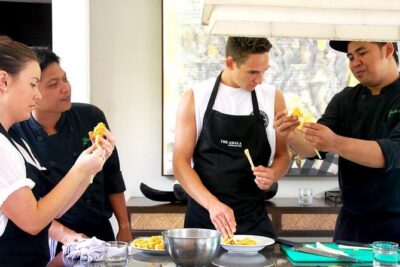 ★ 5.0Balinese Cooking Class in SeminyakFrom $66281 reviews
 ★ 5.0Anggrek Putih Lombok Cooking ClassFrom $30253 reviews
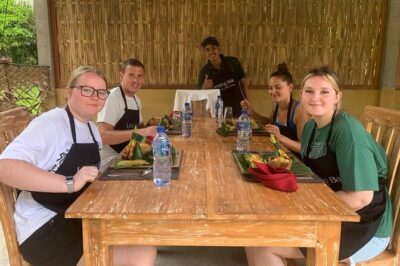 ★ 5.0Balinese Authentic Cooking Class in UbudFrom $39239 reviews
More Kuta tours like this one