
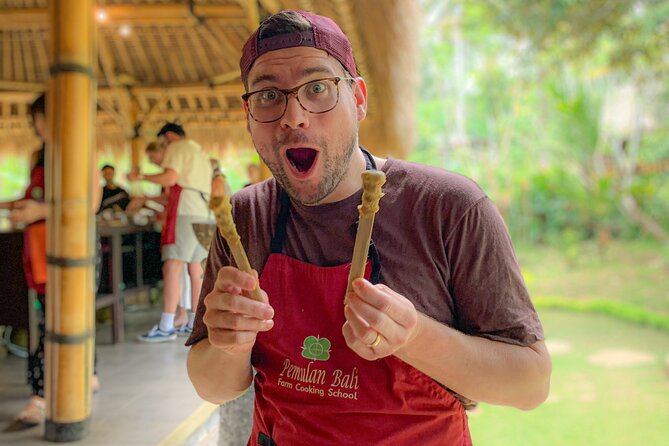
Review · BALINESE COOKING CLASSES FROM KUTA
Balinese Farm Cooking Class by Pemulan Bali
Balinese food should taste like a place, not a recipe. This farm-to-kitchen class in Ubud starts with a market run and ends with what you cooked on a peaceful open-air set. I love the hands-on farm picking part, and I love that you cook multiple authentic dishes together in one session. One heads up: depending on the class level, your total food and timing can run a bit longer than you expect, so plan extra room in your day.
You get free pickup from central Ubud, you cook with guidance, and you leave with recipes plus leftovers. It is small too, capped at 20 travelers, so the experience feels less like a factory and more like a real morning routine in the countryside.
Key things I’d bet on before you go
- Market visit first: You shop for ingredients in Ubud and sample fresh fruits and treats before you cook
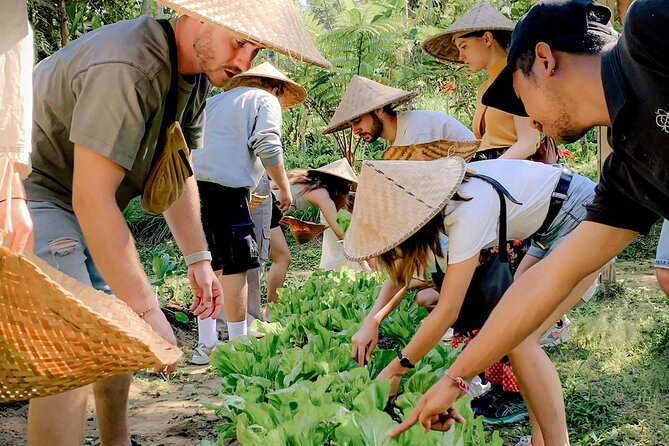
- Pick your own produce: You gather greens and herbs right on the farm, not from a pre-made basket
- Six dishes, hands-on: You prepare and enjoy multiple Balinese and Indonesian dishes, guided step-by-step
- Open-air kitchen in the countryside: Cooking happens outdoors with a calm, garden-like setting around you
- Coffee, tea, recipes, leftovers: You eat what you make, then take home instructions and extra food
- Multiple session times: Morning, afternoon, and evening schedules let you match it to your itinerary
More kitchens that start at the market
- Ubud Cooking Class Bali with Balinese Chef★ 5.0 · 1,609 reviews
- PRIVATE Authentic Balinese Cooking Class in Ubud at Putu’s Home★ 5.0 · 644 reviews
- Balinese Ubud cooking school (9 Dish Cooking and Market Tour)★ 5.0 · 540 reviews
- Balinese Farm Cooking Class by Pemulan Bali★ 5.0 · 410 reviews
Entering The Class Flow: Ubud Pickup to Farm-to-Plate Cooking
This is the kind of tour where the order matters. You are not just “learning how to cook.” You are learning what Balinese cuisine starts with, how ingredients show up at the market, and what a farm does to your sense of flavor.
The day begins with free pickup from a central Ubud meeting point, and the activity returns you back there. The main experience runs about 5 hours in total. Some people find it closer to 3 to 4 hours end-to-end, and that makes sense because pacing can shift based on the class level you join and how your group moves from prep to cooking to eating.
Group size stays intimate. With a maximum of 20 travelers, you should expect real interaction, not just standing at the edge and watching someone else work.
If you like doing something practical with your hands, this fits your travel style. If you prefer museums and silent viewpoints, you might still enjoy it, but you should know that the core of the experience is cooking, not scenery.
Morning Market Tour: Where Your Ingredients Start Telling You the Story
If you choose the morning class, you begin with a visit to a traditional market in and around Ubud. This is not filler time. It sets up the “farm-to-plate” logic so you understand what you are hunting for later.
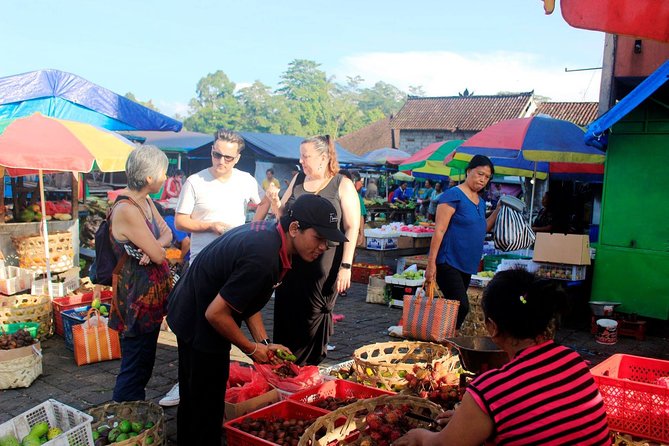
In the market, you explore local produce and get a chance to sample fresh fruit and small treats. That matters because Balinese cooking relies on fresh ingredients and spice blends that behave differently depending on ripeness, freshness, and how you balance flavors. Once you have seen what looks and smells right in the market, the farm visit feels more meaningful, and the cooking steps feel easier to follow.
Practical tip: wear shoes that can handle uneven paths. Market stops tend to involve lots of walking and quick turns between stalls, and you will want stable footing as you hold onto small bags or samples.
On the Farm: Picking Greens, Herbs, and Spice Plants
After the market, you head to the organic farm. This is where the experience turns from “shopping and learning” into actual ingredient selection.
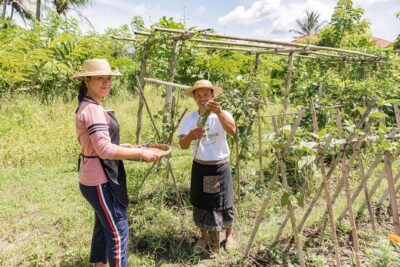
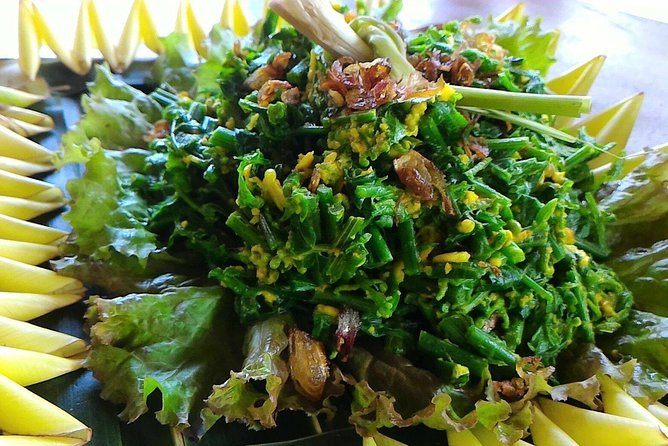
You walk around the lush garden area and hand-pick fresh ingredients, including greens and herbs. That step changes how you cook. When you pick something yourself, you pay attention. You notice leaf thickness, aroma, and what looks mature enough for the dish you’re making.
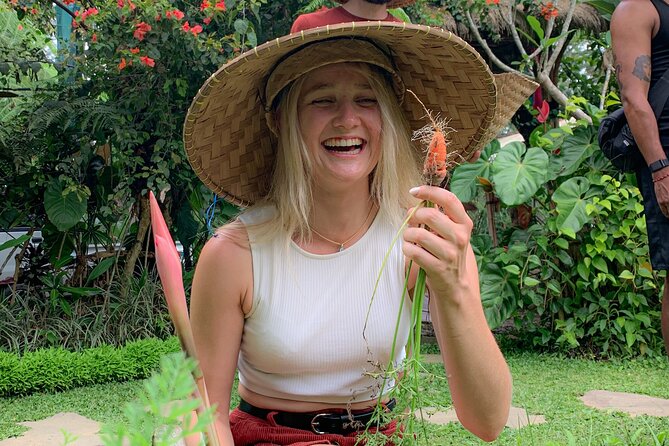
The farm side is also where you learn how Balinese spices and plants show up in daily life. You are guided by chefs, so you are not left guessing. Instead, you connect plant names to what they do in real cooking, like how certain aromatics support savory dishes, or how fresh herbs behave when chopped and heated.
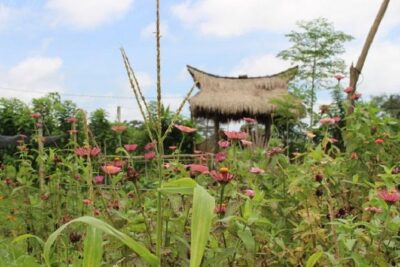
One nice detail: the garden and farm setting helps you slow down. You are in a countryside environment, and the experience is calmer than what you typically get inside busy cooking studios.
The Open-Air Kitchen Session: Cooking Balinese Dishes the Practical Way
Now comes the part most people book for: the open-air kitchen cooking time.
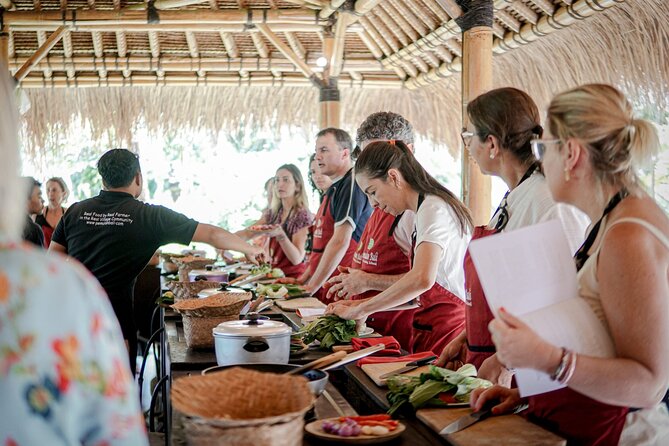
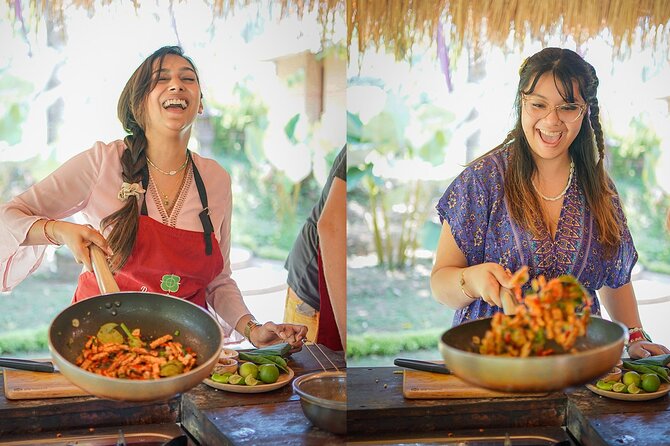
You cook in a guided setup, surrounded by countryside nature. You prepare and enjoy multiple authentic Balinese and Indonesian dishes, and the class is structured so you do more than one category, not just one simple stir-fry.
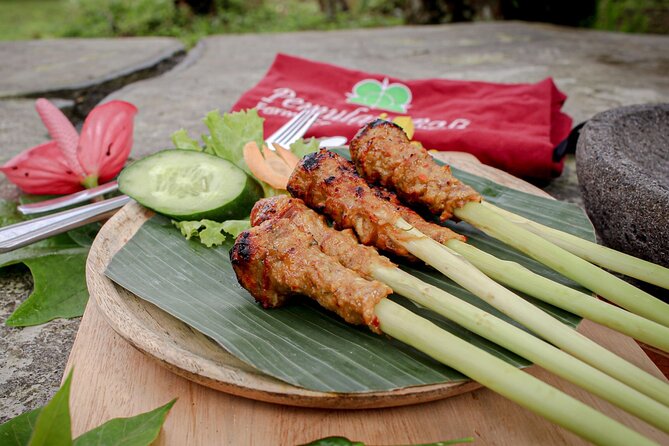
The experience is described as preparing and enjoying six different dishes, which aligns with what many people remember making, including a mix of appetizers, main dishes, and a dessert-style item. That said, one important consideration from real-world experiences is that class levels can vary. Some sessions may mean you end up preparing fewer dishes, like five, while other levels can mean more food than the base expectation.
So here is the honest way to plan: choose this class expecting a full cooking session, not a quick snack-and-learn. Even if the itinerary says about 5 hours, I would budget at least most of your half-day. If your stomach and schedule are sensitive, you will thank yourself later.
Practical tip: bring a light layer or long sleeves. You are outdoors, and garden air can cool you down once the shade comes in.
Also, watch how the chef breaks down technique. The people who love this experience tend to mention that instructions feel clear and that the cook brings humor to the process. That matters more than you might think, because cooking classes are half about confidence. When you feel comfortable, you taste more and follow steps more accurately.
Other Ubud days people book alongside this one
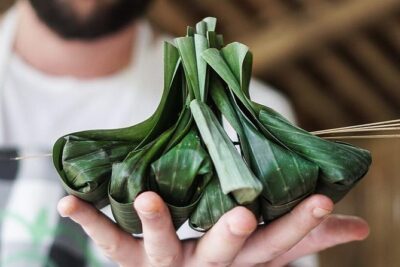
What You Actually Eat: Tea, Coffee, and the Real Point of Recipes
After cooking, you sit down and enjoy the meal together. This is a key value point. You are not just learning recipes you will attempt later in your kitchen. You eat what you made while it is still at its best.
The class includes tea and coffee, so you get a fuller end to the meal. You also receive recipes, so you can recreate dishes later. And you typically take home leftovers, which is great if you do not want your travel day to end with the usual last-minute grab-and-go meal.
If you have food questions, this is also a good moment to ask. You can see the flavors in action, not just in theory. And if something tastes slightly different than you expected, you can usually trace it back to ingredient freshness or how you chopped aromatics, since you were involved in that earlier step.
One more helpful thought: since you cook multiple dishes in one session, you leave with a better sense of how Balinese meals fit together. You understand which dishes are designed to be savory and aromatic, how sweetness might show up in a dessert-like item, and how herbs and spices change the overall balance.
Price and Value: Is This $39.71 a Good Deal?
At $39.71 per person, this class is priced in a range that can work well for most travelers, especially because it is not just a cooking demo. You get:
- Pickup from central Ubud
- Market visit (morning class)
- Farm ingredient picking
- An open-air cooking session with guidance
- Multiple authentic dishes (commonly around six, depending on class level)
- Coffee and tea
- Recipes to take home
- Leftovers
When you compare that to cooking classes that only provide a single dish, or that exclude the market and farm parts, the value becomes clearer. You are essentially paying for an experience that includes shopping, harvesting, teaching, and a full meal.
Could it be “too much” for people who are short on time? Yes. If your schedule is tight, a half-day commitment can feel like a lot. But if you want an authentic food day, this pricing is easier to justify.
Also, small group size, up to 20 travelers, supports the value. You are less likely to get stuck waiting for your station, and you get more attention during cooking.
Timing, Class Levels, and How to Choose Your Session
This tour lists several start times: 07:30 AM, 12:30 PM, and 16:00 PM. The morning schedule specifically mentions a market visit, while the other times may not include that same market component.
Here is the practical way to choose:
- Pick morning if you want the full sweep, market first then farm then cooking.
- Pick afternoon if you like the idea of cooking on the farm but want to protect your morning for other Ubud sights.
- Pick evening if you want a late-day activity, but keep in mind that “whole experience” timing can vary by class level and pacing.
One more detail to keep in mind: classes can vary. Some sessions can run with different food amounts. Plan for the cooking process to take most of the time block you chose, and expect that your final meal could include different numbers of dishes than the base description.
If your travel partner is a picky eater, tell the team ahead of time if possible. The provided information does not spell out dietary options, so I would avoid assuming special accommodations. Instead, treat this as a strong match for people who like to eat what they learn.
Who This Ubud Cooking Class Fits Best
This is a strong match if you want:
- A farm-to-table style day in Bali
- Real shopping and ingredient awareness, not just chopping lessons
- An open-air, countryside cooking setting
- A meal you did yourself, with recipes to repeat later
It is also great if you like a group environment where the chef’s personality helps keep energy up. Multiple reviews point to the cook being funny and engaging, which suggests the class can feel lively without getting chaotic.
It might be less ideal if:
- You have very limited time and cannot spare a half-day
- You hate getting messy or working hands-on with ingredients
- You prefer passive sightseeing over active tasks
Good news: service animals are allowed, and the meeting point is near public transportation, which gives you more flexibility if pickup timing does not match your plans.
Should You Book Pemulan Bali’s Farm Cooking Class?
Yes, you should book this if you want an authentic Balinese cooking day that connects the market, the farm, and the plate. The combination of market visit, pick-your-own produce, open-air cooking, and included tea and coffee makes it feel like more than a “recipe workshop.”
I would book with two expectations clearly in mind:
- Plan for a half-day commitment around 4 to 5 hours, even if it varies a bit by class level.
- Treat the number of dishes as “around the base plan,” since some sessions can include more food or fewer items depending on the class level.
If you are in Ubud and want something that feels genuinely local, this is one of the better ways to spend your time, because you are not just eating Bali. You are learning how the ingredients become dinner.
FAQ
How long is the Balinese Farm Cooking Class by Pemulan Bali?
The experience runs about 5 hours (approx.).
Does the class include a market visit?
Yes. The morning class includes a visit to a traditional market in Ubud where you can explore local produce and sample fresh fruits and treats.
How many dishes will I cook?
The experience is described as cooking and enjoying six different authentic Balinese dishes, though class level can affect how much you cook in your session.
What time does the class start?
The class has listed start times of 07:30 AM, 12:30 PM, and 16:00 PM.
Where does the tour start and end?
Pickup is free from a central Ubud meeting point. The activity ends back at the meeting point.
Is the class affected by weather?
Yes. The experience requires good weather, and if it is canceled due to poor weather, you will be offered a different date or a full refund.
More Farms in Ubud
- From Ubud: Authentic Bali Farm Cooking School & Organic Farm
★ 5.0 · 122 reviews - Balinese Cooking Class at Organic Farm
★ 5.0 · 51 reviews - Small-Group Farm Tour & Balinese Cooking Class in Ubud with Kadek
★ 5.0 · 16 reviews
More Tour Reviews in Ubud
- All-Inclusive Ubud Private Tour
★ 5.0 · 14,344 reviews - Best of Ubud Full-Day Tour with Jungle Swing
★ 5.0 · 8,571 reviews - Ubud: Monkey Forest, Jungle Swing, Rice Terrace, and Water Temple
★ 5.0 · 7,160 reviews - Best of Ubud 1-Day Private Tour
★ 5.0 · 4,451 reviews
Cook Another Balinese Lunch
- Ubud Cooking Class Bali with Balinese Chef
★ 5.0 · 1,609 reviews - PRIVATE Authentic Balinese Cooking Class in Ubud at Putu’s Home
★ 5.0 · 644 reviews - Balinese Ubud cooking school (9 Dish Cooking and Market Tour)
★ 5.0 · 540 reviews - Balinese Authentic Cooking Class in Ubud
★ 5.0 · 239 reviews
Fresh on the Ubud pages




Balinese Cooking Classes from Kuta, compared.
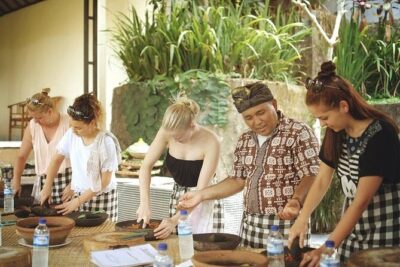 ★ 5.0Ubud Cooking Class Bali with Balinese ChefFrom $351,609 reviews
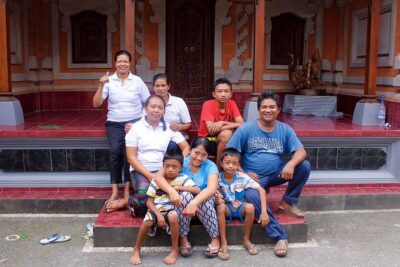 ★ 5.0PRIVATE Authentic Balinese Cooking Class in Ubud at Putu’s HomeFrom $75644 reviews
 ★ 5.0Balinese Ubud cooking school (9 Dish Cooking and Market Tour)From $58540 reviews
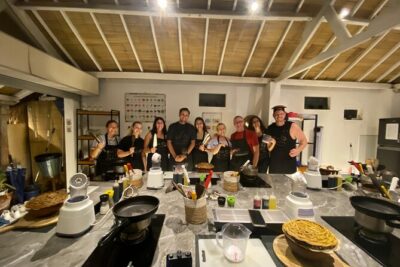 ★ 5.0Learn to cook Indonesian food at Gili Cooking Classes TrawanganFrom $33352 reviews
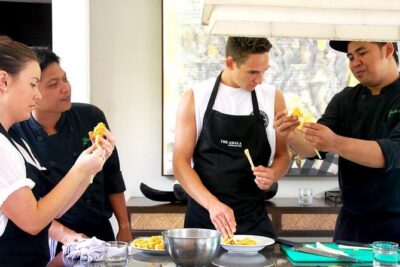 ★ 5.0Balinese Cooking Class in SeminyakFrom $66281 reviews
 ★ 5.0Anggrek Putih Lombok Cooking ClassFrom $30253 reviews
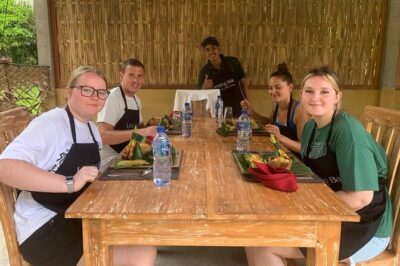 ★ 5.0Balinese Authentic Cooking Class in UbudFrom $39239 reviews
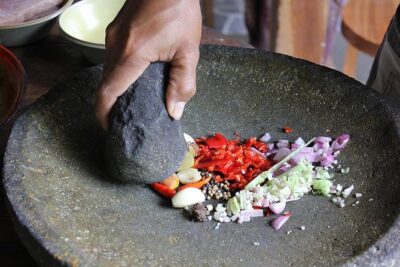 ★ 5.0PRIVATE Balinese Cooking Class in Ubud with Dewa with TransfersFrom $69213 reviews
More Kuta tours like this one