
Review · WORKSHOPS
Threads of Tradition Miniature Keliki Painting Workshops
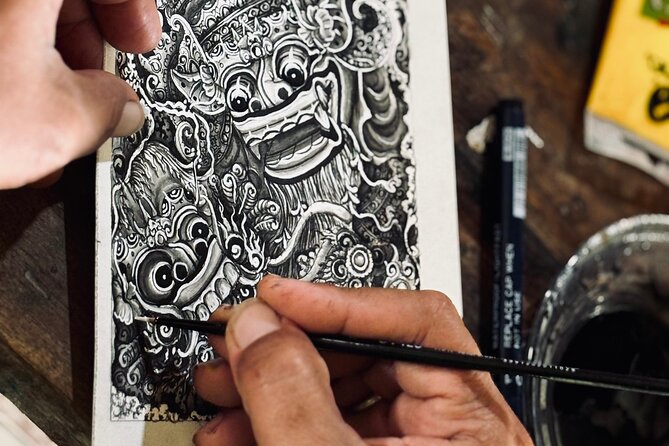
Paint tiny Balinese stories in three hours. This Keliki painting workshop in Ubud is interesting because you learn a traditional, multi-step style, using Chinese ink and acrylic to build up your image in layers. I love that the pace is relaxed, so even first-timers can keep up, and I love meeting the local artists over afternoon tea. The only real drawback to plan for is that 3 hours is just enough for a focused miniature, not a large, detailed masterpiece.
What makes this feel genuinely local is the setting: a Balinese house compound run by two artists at Five Arts Studio. I also like the small size, with a maximum group of 20, which means you are not lost in a crowd. If you want a laid-back way to take home a piece of Bali, this is a fun fit.
Key Highlights to Know Before You Go
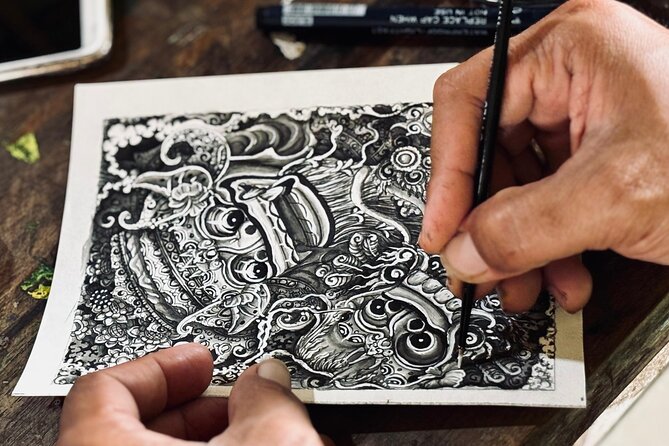
- True Keliki style practice, built around layered painting with traditional materials
- Two instructors, Gusti and Kedek, who help you work at your own pace
- Tea time during class, with time to chat and get context behind the art
- Beginner friendly, no prior drawing skills required
- Take-home artwork, so your session becomes a real souvenir
Other things to make with your hands
- Ubud Cooking Class Bali with Balinese Chef★ 5.0 · 1,609 reviews
- Ubud Silver Class Jewelry making in bali★ 5.0 · 978 reviews
- PRIVATE Authentic Balinese Cooking Class in Ubud at Putu’s Home★ 5.0 · 644 reviews
- Balinese Farm Cooking Class by Pemulan Bali★ 5.0 · 410 reviews
Keliki Painting in Bali, and Why This Workshop Feels Different
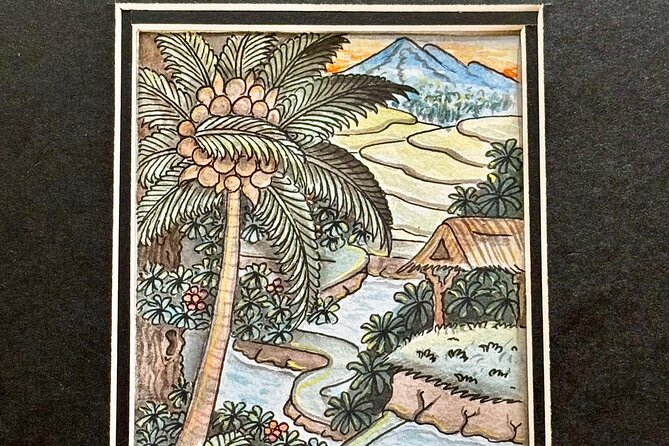
Keliki paintings are known for their village-life scenes and the small, everyday myths that come along with them. In class, you are not just copying a picture, you are learning how the style is made, step by step, so your final piece looks like it belongs to the tradition.
What I like about this workshop is that it treats technique as the main event. You work with materials used for the style, and you build your image gradually. That matters because Keliki is about layers, not shortcuts. When you take your time with each stage, the painting starts to look more confident, even if your drawing skills are still new.
This is also a smart way to do “culture” without turning it into a museum lecture. You learn why the subject matter repeats, how the process works, and how the look is achieved. Then you create something you can hold in your hand.
Five Arts Studio Location, and How to Picture the Setting
The workshop starts and ends at Five Arts Studio, on Jl. Raya Keliki, in Keliki (near Tegallalang), within the Gianyar area of Bali. If you are staying in Ubud, you will likely picture a short drive into the wider countryside around the rice-field region.
The key point for your planning is the format. This is a house-studio style class, not a big classroom. You arrive, settle in, and spend about 3 hours creating. That makes timing easier, especially if you want to add it to an afternoon between sightseeing stops.
Dress code is smart casual. You do not need a paint apron, but you should assume that ink and acrylic can be messy if you handle tools casually. Wear something comfortable that you are okay getting slightly dusty or splashed.
The 3-Hour Plan: What Your Afternoon Looks Like
This experience runs for about 3 hours, and it is structured enough to guide beginners while still leaving room for your pace. The session is practical, meaning you do the work, not just watch.
Even though there is only one main stop, the flow is still worth understanding. You begin with guidance and materials, you practice the Keliki method during the main working time, and you finish with tea and a casual wrap-up so you can chat with the artists.
Here is what you can expect, in plain terms:
- You start at Five Arts Studio and get settled with snacks and drinks.
- You learn the Keliki approach and how each stage connects to the next.
- You work on your own miniature, supported by two artists.
- You take a breather during the afternoon tea part, then continue until you have a complete take-home piece.
Because the timing is fixed, your best strategy is to focus on finishing strong. If you go in expecting perfection, you may feel rushed. If you go in ready to practice, you will likely enjoy the process more.
Welcome Setup: Snacks, Tea, and Getting Oriented

You are welcomed with snacks, coffee and/or tea, and mineral water. That sounds simple, but in a 3-hour class it makes a real difference. It helps you keep your energy up so you can concentrate on technique without constantly thinking about food.
You also get the social side built in. Afternoon tea is part of the experience, and it is not just a beverage drop. You get to know the local artists while you pause and reset.
A practical tip: if you know you get thirsty easily, drink a little early. When you are focused on small details, it is easy to forget until late in the session.



Learning Keliki Painting: Layered Ink and Acrylic, Step by Step
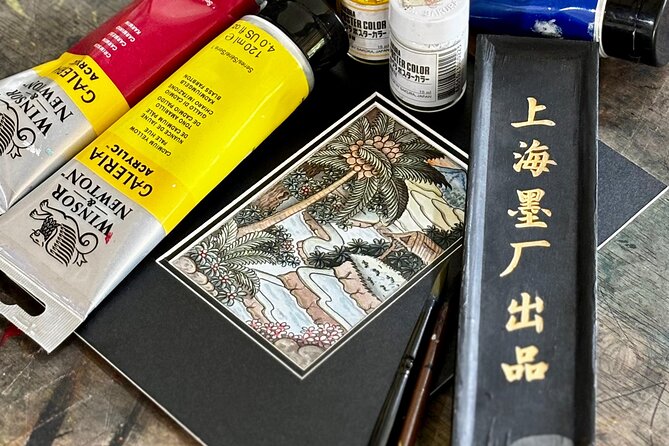
The core of this workshop is the unique Keliki method of painting and drawing in layers. You will work with Chinese ink and acrylic paint, using techniques that build the look gradually.
Even without prior training, you should be able to follow along because the class is built for all skill levels. The instructors guide you through the steps, and the style itself supports that kind of learning. The miniature format also helps. You are not trying to manage a giant canvas, so you can focus on each decision.
Why the layering matters: each step helps define outlines, textures, and the overall feel of the scene. When you add layers in the right order, the painting starts to look cohesive. If you rush or skip a stage, it is harder to achieve the signature Keliki look.
Your “wins” here are usually visible. The first time your ink lines and acrylic layers start to align into a recognizable scene, you feel the style clicking.
Meet Gusti and Kedek, and How the Teaching Style Works
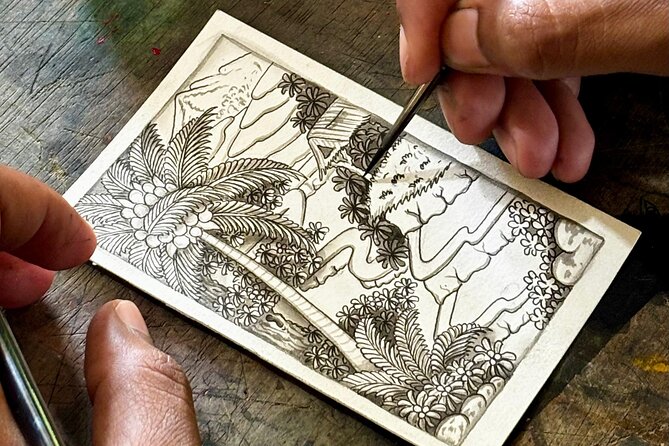
Two local artists run the workshop, and in reviews you will see the names Gusti and Kedek mentioned with appreciation. That tells you something important about the vibe. They come across as personable and fun, and that changes the learning experience.
In a creative class, the difference between good teaching and frustrating teaching is often emotional. Here, the class is described as having no hurry, and you are allowed to work at your own pace. That is exactly what you want if you are new to art or if you just do not want the pressure of performance.
Also, because the group is capped at 20, you are not competing for attention. You can ask questions, get quick corrections, and keep moving.
What You Likely Learn About the Art’s Meaning
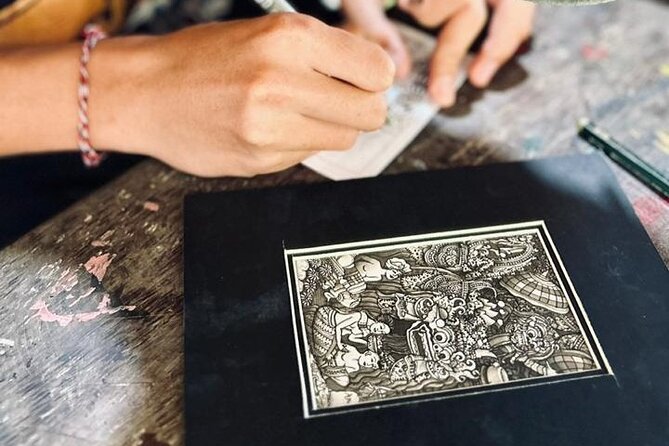
Keliki paintings often depict rural village life and handy myths. In class, you should expect some history and cultural context around those themes, so your painting is more than decorative.
This matters for value because it changes how you view your own work. If you know what elements connect to village life or the idea behind the myths, you can explain your painting later. It becomes a story, not just a souvenir.
If you like thoughtful travel, you will probably enjoy this part because it connects art to everyday culture.
Take Home Your Miniature, and How to Make It Last
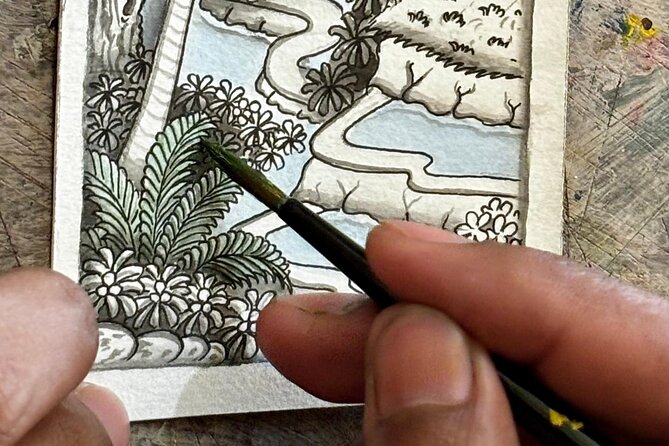
One of the practical appeals is that you get to take home your artwork. In other words, you are not leaving with just photos and memories.
Because this is miniature-scale, you will likely be able to transport it easily compared to larger artworks. Still, treat it carefully. Acrylic and ink can be sensitive right after painting, so keep it protected until it fully dries.
If you are heading right back out sightseeing the same day, keep your artwork in a secure place rather than juggling it with bags. I suggest packing it last in your day bag, so it stays flat and stable.
Price and Value: Is $29 for a 3-Hour Workshop a Good Deal?
$29 per person for an approximately 3-hour, instructor-led workshop with traditional materials, snacks, and tea is solid value.
Here is why. You are paying for several things at once:
- A guided class with two local artists
- Traditional tools and materials used for Keliki painting
- Time to practice a real technique, including layered ink and acrylic
- Included refreshments like snacks and tea
- A take-home piece you can keep
If you compare that to paid art lessons elsewhere, the price can look especially reasonable. The real value is not just the product. It is the method, the teaching, and the cultural context packaged into a short afternoon.
It is also booked about 10 days in advance on average, which hints that the schedule stays popular. If you are traveling in a busy season, booking earlier is the safer move.
Practical Tips so Your Class Goes Smoothly
A few small things can make your workshop better:
- Wear smart casual clothes that you can relax in. Small messes can happen with ink.
- Plan for a focused afternoon. This is a 3-hour class, so it is not the best time for complicated side quests.
- Bring curiosity, not perfection goals. Beginners are welcomed, and the pacing is described as relaxed.
- If you get carsick or hate tight schedules, you might want to organize how you will get there comfortably. The class is near public transportation, but a driver can help if you are already using transport in Bali.
About transport and food add-ons: lunch is not included, but local food can be ordered. In at least one case, a transport add-on was described as convenient, with a driver taking the group to a nice lunch place on the way back. If that appeals, consider bundling your ride so you do not have to multitask logistics right after art.
Who Should Book This Keliki Miniature Workshop?
This workshop is a great match if you want:
- A hands-on art experience in Ubud that is more than a quick photo stop
- A beginner-friendly activity with real instruction
- A take-home souvenir that represents a technique and a culture, not just a generic craft
It is also good for couples or friends. One review notes a husband-and-wife experience and a fun, shared learning vibe.
You might consider skipping it if you want a long, heavy painting project or a deep art history lecture. This is focused and practical, with a comfortable pace, but it is still a 3-hour class.
Should You Book Threads of Tradition Keliki Painting in Ubud?
I think you should book it if you want a calm, guided art session in a genuine local setting. The combination of layered Keliki technique, two approachable instructors (Gusti and Kedek), and included afternoon tea makes it feel like a real cultural afternoon rather than a rushed activity.
Go in with the right mindset. You are learning a style, not auditioning for an art show. If you do that, you will likely come away happy, with a souvenir you made yourself and a better understanding of what Keliki painting is trying to express.
FAQ
Where does the workshop start?
The workshop starts at Five Arts Studio, Jl. Raya Keliki, Keliki, Kec. Tegallalang, Kabupaten Gianyar, Bali 80561, Indonesia.
How long is the Keliki painting workshop?
It lasts about 3 hours.
How much does it cost?
It costs $29.00 per person.
What is included in the price?
Snacks, coffee and/or tea, and mineral water are included.
Is lunch included?
No. Lunch is not included, but local food can be ordered.
Do I need any previous art experience?
No. The workshop welcomes all levels, and no prior knowledge of painting is needed.
What materials and techniques will I use?
You will use traditional materials and practice Keliki painting techniques with Chinese ink and acrylic paint, working in layers.
What should I wear?
Smart casual dress is recommended.
Is there a vegetarian option?
Yes. A vegetarian option is available if you advise when booking.
Can I bring a service animal?
Service animals are allowed.
What is the cancellation policy?
You can cancel for a full refund up to 24 hours in advance. If you cancel less than 24 hours before the start time, the amount you paid will not be refunded.
Make Something to Take Home
- Ubud Cooking Class Bali with Balinese Chef
★ 5.0 · 1,609 reviews - Ubud Silver Class Jewelry making in bali
★ 5.0 · 978 reviews - PRIVATE Authentic Balinese Cooking Class in Ubud at Putu’s Home
★ 5.0 · 644 reviews - Balinese Farm Cooking Class by Pemulan Bali
★ 5.0 · 410 reviews
More Tour Reviews in Ubud
- All-Inclusive Ubud Private Tour
★ 5.0 · 14,344 reviews - Best of Ubud Full-Day Tour with Jungle Swing
★ 5.0 · 8,571 reviews - Ubud: Monkey Forest, Jungle Swing, Rice Terrace, and Water Temple
★ 5.0 · 7,160 reviews - Best of Ubud 1-Day Private Tour
★ 5.0 · 4,451 reviews
Fresh on the Ubud pages





Workshops, compared.
 ★ 5.0Ubud Cooking Class Bali with Balinese ChefFrom $351,609 reviews
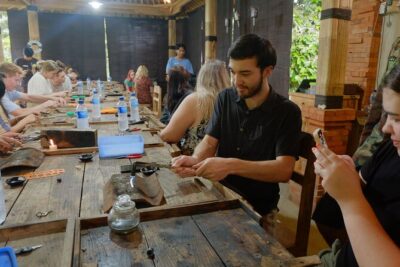 ★ 5.0Ubud Silver Class Jewelry making in baliFrom $36978 reviews
 ★ 5.0PRIVATE Authentic Balinese Cooking Class in Ubud at Putu’s HomeFrom $75644 reviews
 ★ 5.0Balinese Farm Cooking Class by Pemulan BaliFrom $39410 reviews
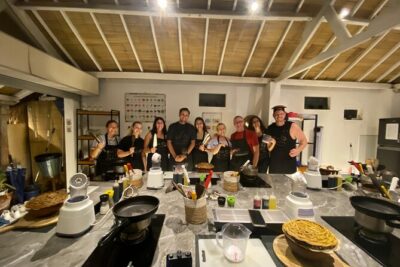 ★ 5.0Learn to cook Indonesian food at Gili Cooking Classes TrawanganFrom $33352 reviews
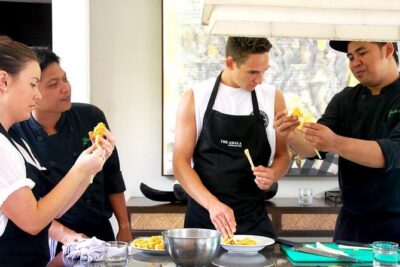 ★ 5.0Balinese Cooking Class in SeminyakFrom $66281 reviews
Ubud Monkey Forest Silver Class – Craft Your Own Silver JewelryFrom $41254 reviews
★ 5.0Balinese Cooking Class in SeminyakFrom $66281 reviews
Ubud Monkey Forest Silver Class – Craft Your Own Silver JewelryFrom $41254 reviews
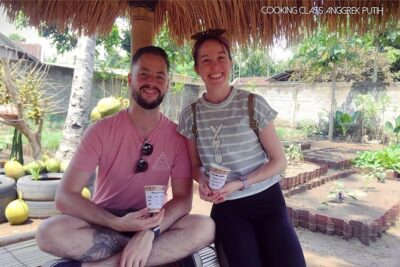 ★ 5.0Anggrek Putih Lombok Cooking ClassFrom $30253 reviews
More Kuta tours like this one