

Review · MANTA RAY SNORKELLING FROM KUTA
Snorkeling Trips with Manta Ray from Nusa Lembongan
If you want a manta ray encounter, this Nusa Lembongan snorkeling trip is built around safety-first guiding and three bite-sized swim stops. You start with a manta-focused site, then move through Toya Pakeh Wall and a Mangrove Point stop, with the plan adjusted to conditions when the sea gets rough.
I like that the kit is fully provided. You do not need to bring a mask or fins, and you get life vests plus extra float support like life rings, with rope available if needed. I also like the small details that make the day easier, like shower, locker, towel, and a welcome drink after the water time.
One consideration: manta sightings are not guaranteed, and when swell is high the manta site may be skipped for safer snorkeling elsewhere. If you get motion sick easily, the boat rides can still feel choppy.
Key highlights to know before you go

- Life vest, life rings, and rope support help non-swimmers feel comfortable in the water.
- Three snorkeling stops spread out your chances to see wildlife even if manta conditions change.
- Toya Pakeh Wall is your main fish-and-photography payoff, with options like turtles and sea snakes.
- A guide keeps the group together even when the first stop feels busy.
- Photos and videos are included, so you can focus on looking instead of filming.
- Maximum 20 travelers keeps the experience from feeling chaotic.
More chances at the manta stations
- Lembongan Snorkeling at Manta Bay, Crystal Bay and Mangrove★ 5.0 · 56 reviews
- Snorkeling Trips with Manta Ray from Nusa Lembongan★ 4.5 · 19 reviews
- Three Islands Snorkeling (3 Spots) Manta Rays – From Lembongan★ 4.5 · 5 reviews
Mantas near Nusa Lembongan: why this trip makes sense

Nusa Lembongan and Nusa Penida sit in some of Indonesia’s best marine corridors, and that is why manta rays are the headline. The catch is simple. The same ocean conditions that bring life also control access. Swell, wind, and visibility can shift fast, so the trip is designed with flexibility, not blind optimism.
What I like about booking this style of itinerary is that you are not betting everything on one single water moment. You start at a manta point with a high chance of encounter, but if manta conditions do not line up, you still snorkel other stops rich in fish and other sea creatures. That turns the day into a “good chance at mantas plus a solid snorkeling plan” instead of “all or nothing.”
Also, the trip is positioned as beginner-friendly, including support for non-swimmers, older guests, and kids. That does not mean it is a lazy day. You will still be out in open water and you may get wet. But it does mean the guides are used to helping people stay safe and together.
Safety and comfort: what the crew actually does for nervous swimmers
This is the part I care about most, because mantas are cool, but safety is cooler. The tour includes snorkel gear plus floatation support like life vests and life rings. Rope is mentioned as part of the beginner-friendly kit if needed. In other words, you are not thrown into the water and told, good luck.
Several experiences point to active guidance, not just a briefing and a shrug. One featured comment praised how the guide kept everyone together at the first stop, even when things felt hectic. Another review highlighted vigilant staff and feeling safe while the boat charged through heavy swells.
There is also a practical reality you should plan for. On choppier days, you might feel sea sick. One review mentioned getting a bit sea sick on a choppy ocean day. If you know you get nauseous on boats, bring whatever you typically use at home and plan to keep hydrated. You will also be better off if you wear comfortable clothing that dries quickly.
Small note for peace of mind: one review raised concern about flotation gear not being offered. Since the tour lists life vests and rings as included, I would still treat this as a “check it early” moment. When you meet the crew, confirm your fit and that you have the correct safety setup before you go in.
Your morning flow: three stops planned around real ocean conditions
Most days run about 3 to 4 hours, and the operator caps the group at 20 travelers. The schedule includes a program briefing and time in the water at three separate sites, each designed for a specific kind of viewing.
In plain terms, you are getting a “manta chance, fish-and-photography wall, mangrove ecosystem” sequence. That is a smart mix for first-timers because it keeps the day varied. It also helps if manta rays do not show up at your first attempt.
Here is how the stops shape the experience.
Stop 1 at Manta Bay or Manta Point: the chance for mantas
The first hour is centered on the manta point area. Conditions matter, and that is why this stop is described as a manta site when conditions permit. Even when you are at the right place, you are looking for animals that move through their habitat, not something staged on cue.
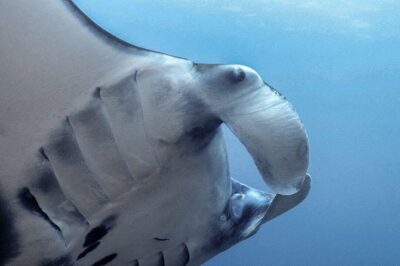
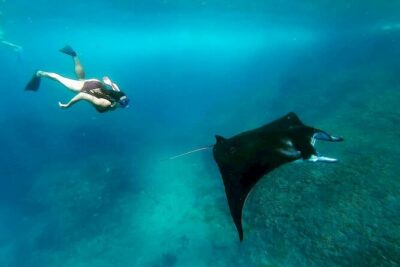
The description of this stop suggests manta rays here can be a bit smaller than at some other manta sites, but there can be many. You may see fins pop out between wave lines caused by swell. That detail matters for how you should look. Do not stare only at one depth. Instead, keep your eyes scanning the water surface and the edges of the swell lines, because the first clue often looks like a quick interruption of the normal pattern.
If you are a first-time snorkeler, the guide support is especially useful here. One review mentioned life jackets were available for first timers or weak swimmers, and that guides stayed in the water to help people manage the swim.
Drawback to accept up front: if swell is too high, the manta site may be considered unsafe and swapped for other snorkeling. One review described a day when swells were too high to go to the manta area, and the group snorkeled instead around Nusa Penida and Nusa Lembongan. That is not a failure of the tour. It is the ocean forcing a different plan.
More island hopping across the strait
Stop 2 at Toya Pakeh Wall: where the underwater show gets serious
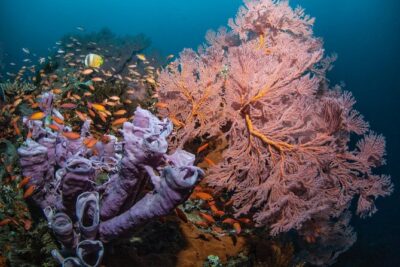
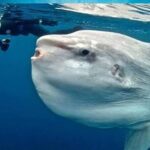
If Stop 1 is the gamble, Stop 2 is the payoff. The Toya Pakeh Wall stop is described as a place where you can see a lot, including a strong mix of fish. The highlights listed include mola mola, turtles, scorpion fish, stone fish, angel fish, clown fish, nudibranchs, bat fish, and barracuda. Sea snakes also show up on the list.
That is a big deal for your photos and your mood. Even if mantas are elusive, Toya Pakeh Wall is the kind of site where your brain has something to do besides waiting. You will likely spend your time switching focus from one fish shape to another, and it becomes less about “did I get the manta shot” and more about “I am seeing cool life constantly.”
Also, this is where snorkeling comfort matters. If you are non-swimmer or early in your comfort zone, make sure you settle into your breathing rhythm before you start scanning for animals. If you need a slow pace, take it. One review mentioned the crew happily waited as long as someone wanted in the water across multiple snorkelers. So you are not stuck in a hard, fast loop.
What to watch for: the fish list includes species that may require patience. Some stand out immediately, others show up in crevices or by behavior. Your best results come from slow movements and keeping your hands from kicking up the bottom.
Stop 3 at Mangrove Point, Nusa Lembongan: calmer vibes, more variety

The final stop shifts from open snorkeling energy to a mangrove-rich ecosystem. The listing describes Mangrove Point at Lembongan as rich in fish species, with a long list of potential sightings: giant puffers, scorpion fish, angel fish, clown fish, box fish, nudibranchs, moray eels, nurse sharks, turtles, and more.
Mangrove areas often feel like a different world because the fish density tends to change with habitat. You may find more small, interesting life, plus the occasional larger surprise as you track movement through the structure.
Even if the day starts with no mantas, this stop can salvage the “this was worth it” feeling. A mangrove site tends to reward steady looking, not speed. If you are the type who likes to linger and watch, this is where that style pays off.
What you get after the swim: photos, lockers, and shower time

A lot of snorkeling trips stop once you climb back onto the boat. This one includes a few “thank you for doing this” extras.
You get snorkeling photos and videos included, so you do not need to be the designated filmer. That is helpful if you want to see what you missed while you were busy breathing through a snorkel.
You also get practical cleanup gear: showers, lockers, and towels. That matters in this part of Indonesia because you will likely end up with saltwater and sunscreen. Having a place to rinse off and change makes the rest of your day smoother, especially if you plan to eat out afterward or explore Nusa Lembongan the same afternoon.
The trip also includes a welcome drink plus trip briefing, and insurance coverage is included. Those are not flashy, but they reduce stress.
Price and value: is $23 per person a fair deal?
At $23 per person, this is priced like a budget-friendly snorkeling outing, not a premium private experience. The value comes from what is included rather than what is left out.
You get:
- snorkel equipment (masks, snorkel, fins)
- floatation gear (life vest and life rings, plus rope support if needed)
- a guided program across three snorkeling points
- snorkeling photos and videos
- lockers, towel, and shower access
- insurance coverage
- pickup and drop service from your hotel on Lembongan Island, with a defined meeting point for Nusa Ceningan
If you were to rent gear locally, pay for guide time, and then add cleanup and photo services, the total usually climbs quickly. Here, most of the cost is tied to execution and safety, which is exactly what you want when you are snorkeling in open water.
One value tip: bring your own practical items that the listing asks for, like sunscreen, comfortable footwear, a change of clothes, and a camera if you want extra footage. The trip provides the snorkeling gear, but your comfort items are still your job.
Who should book this manta ray snorkeling trip, and who should be careful
This trip fits best if you want a guided day with a real chance at mantas, but you also want a plan that works even when manta rays are not cooperating. It is a good fit for:
- non-swimmers or hesitant swimmers, because the tour includes floatation gear and guides used to helping people
- couples and small friend groups who want an easy structure and not a DIY day
- families with children, since the tour mentions guides are used to working with children
- anyone who loves fish viewing and wants multiple underwater habitats in one half-day
Be careful or plan extra if:
- you get seasick, since the ocean can be choppy and one review noted feeling sea sick
- you have very high expectations for mantas on a specific day, because sightings are not guaranteed and manta site access depends on conditions
Should you book this snorkeling trip for manta rays?
I think it is a strong choice if your goal is a guided, beginner-aware snorkeling day with a fair manta ray chance. The big win is the structure: you get three stops, you get full gear, and you are not stuck if swells change the manta plan.
Book it if you can handle the reality that mantas are wild animals. Book it if you want safety gear and an organized crew, plus photos and shower time to make the day feel complete. If you are chasing mantas like a checklist item, you might feel frustrated on a rough day when the manta site is skipped.
If you do book, send questions early about comfort and safety fit, especially if you are new to snorkeling. Then show up ready to look at everything, not just the surface.
Safe snorkeling, and may your first manta fin pop up right on schedule.
FAQ
How long is the snorkeling trip?
It runs about 3 to 4 hours.
How much does it cost?
The price is $23.00 per person.
What snorkeling stops are included?
You do three snorkeling stops: Manta Bay (Manta Point), Toya Pakeh Wall, and Mangrove Point Lembongan.
Is the manta ray sighting guaranteed?
No. Manta rays are in their natural habitat, and sightings are not guaranteed. The manta site is visited when conditions permit.
Can non-swimmers join the trip?
Yes. Non-swimmers can snorkel because the trip provides safety equipment and guides who are used to working with non-swimmers.
Is pickup included?
Yes. Free pickup and drop service is offered from Lembongan Island hotels. If you stay in Nusa Ceningan, you meet at Yellow Bridge at 09.30 am.
What equipment and comfort items are provided?
Snorkeling masks, snorkel, fins, life vest, and life rings are included. You also get a towel, shower, and locker.
What should I bring?
Bring comfortable clothing, a change of clothes, comfortable footwear, sunscreen, a camera if you want one, and cash or a credit card for any self-expenses.
More Tour Reviews in Nusa Lembongan
- Open Water Course in Nusa Lembongan – Get Certified on remote island (next Bali)
★ 5.0 · 864 reviews - 2 Days Discover Scuba Diving in Nusa Lembongan – Scuba Initiation
★ 5.0 · 506 reviews - Advanced Open Water Course – Advanced Certification in Lembongan (next to Bali)
★ 5.0 · 222 reviews - 5 Fun Dives in Nusa Lembongan (for certified divers) – Swim with a Mola Mola
★ 5.0 · 205 reviews
Island Hopping the Strait
- Open Water Course in Nusa Lembongan – Get Certified on remote island (next Bali)
★ 5.0 · 864 reviews - 2 Days Discover Scuba Diving in Nusa Lembongan – Scuba Initiation
★ 5.0 · 506 reviews - Advanced Open Water Course – Advanced Certification in Lembongan (next to Bali)
★ 5.0 · 222 reviews - 5 Fun Dives in Nusa Lembongan (for certified divers) – Swim with a Mola Mola
★ 5.0 · 205 reviews
Out to the Manta Stations
- Lembongan Snorkeling at Manta Bay, Crystal Bay and Mangrove
★ 5.0 · 56 reviews - Snorkeling Manta Ray in Nusa Lembongan
★ 3.5 · 7 reviews - Three Islands Snorkeling (3 Spots) Manta Rays – From Lembongan
★ 4.5 · 5 reviews
Fresh on the Nusa Lembongan pages



Manta Ray Snorkelling from Kuta, compared.
 ★ 5.0️Nusa Penida by Private Boat – Snorkeling 4 spots, Swim with Mantas + Land TourFrom $1006,424 reviews
 ★ 5.0Nusa Penida day trip: boat, 4 snorkeling, Manta rays & Land tourFrom $782,033 reviews
 ★ 4.0Nusa Penida Snorkeling 3 Point with Manta Bay & Land TourFrom $51288 reviews
Nusa Penida Snorkeling with Manta Bay and Land TourFrom $55280 reviews
★ 4.0Nusa Penida Snorkeling 3 Point with Manta Bay & Land TourFrom $51288 reviews
Nusa Penida Snorkeling with Manta Bay and Land TourFrom $55280 reviews
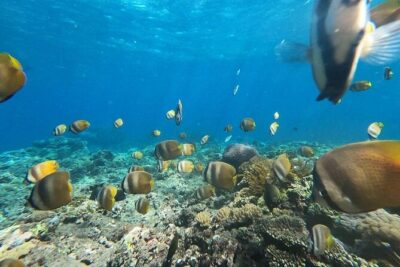 ★ 5.0Bali Nusa Penida and Private Snorkeling (Manta Bay, Gamat, Wall)From $145241 reviews
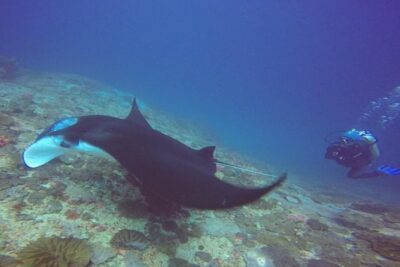 ★ 5.0Scuba Diving in Nusa Penida – Manta PointFrom $175198 reviews
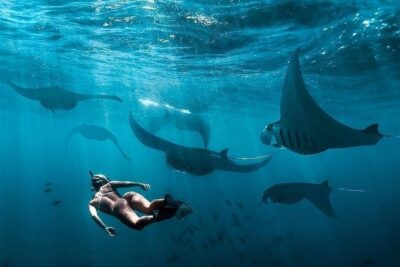 ★ 4.0Snorkeling Manta Ray Safari in Nusa PenidaFrom $15167 reviews
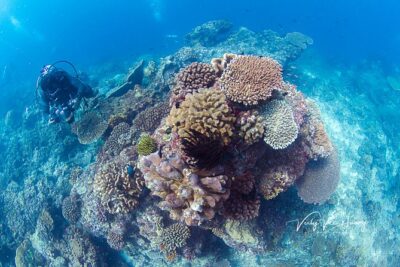 ★ 5.0Bali Diving Day Trip-Manta Point/Tulamben Shipwreck-Fun DiveFrom $95104 reviews
More Kuta tours like this one