
Review · LEMBONGAN & CENINGAN ISLAND HOPPING FROM KUTA
Advanced Open Water Course – Advanced Certification in Lembongan (next to Bali)
Five lessons under water, one solid credential. This two-day SSI program in Nusa Lembongan turns your Open Water foundation into an Advanced Open Water certificate with five training sessions, including a deep target close to 100 feet (30 meters).
I love how the approach is described as mellower and less theory heavy than the Open Water level, so you spend more time practicing than cramming. I also like the small max group size, and how instructors like Valentin, Kaka, Hugo, Sara, and Silvère focus on safety and detailed coaching that helps you feel relaxed. One consideration: it depends on good weather, and the schedule is tight for a full two days, so you should be ready for early mornings and possible date changes.
Key takeaways before you go
- SSI Advanced Open Water certificate, with five training sessions and a depth target close to 30 m
- Compass navigation training using kick cycles, visual landmarks, and time, so you stop guessing underwater
- Three “specialty” skills chosen with your instructor, such as photography, buoyancy control, fish identification, or exploring wrecks
- Small groups up to 5 people with a certified instructor and all standard gear included
- A comfortable scuba base with Wi-Fi, lockers, shower, and toilet access between sessions
More island hopping across the strait
- Open Water Course in Nusa Lembongan – Get Certified on remote island (next Bali)★ 5.0 · 864 reviews
- 2 Days Discover Scuba Diving in Nusa Lembongan – Scuba Initiation★ 5.0 · 506 reviews
- Advanced Open Water Course – Advanced Certification in Lembongan (next to Bali)★ 5.0 · 222 reviews
- 5 Fun Dives in Nusa Lembongan (for certified divers) – Swim with a Mola Mola★ 5.0 · 205 reviews
Nusa Lembongan Advanced Open Water: what makes it worth your time
If you’ve done Open Water already, you know the biggest jump isn’t paperwork. It’s confidence. This course is built to move you forward fast but not in a frantic way. You keep the professional structure of a certification, and you replace some of the heavy theory vibe with more hands-on underwater skills.
Nusa Lembongan also helps. It’s close to Bali, but it feels like its own place once you arrive. You’re based around Jungut Batu, and the course works around multiple local sites over the two days, not just one repetitive spot. That variety matters because it forces your skills to work in slightly different conditions.
You do need to start with Open Water first. And you should also have moderate physical fitness. That’s not a “hard workout” warning, it’s a “you’ll be bending, gearing up, and staying calm in open water” kind of thing.
From Open Water to Advanced: the real training upgrades
This is an Advanced Open Water course, so the goal is not just doing more of the same. The training path is designed to expand what you can handle underwater, then help you choose where you want to specialize next.
Here are the big upgrades you can expect:
- A deep training session that focuses on planning and on physiological effects and challenges of going deeper.
- A dedicated underwater navigation session, centered on compass use plus practical techniques like kick cycles, landmarks, and time.
- Three additional skills sessions in specialties you pick with your instructor, based on what you want to get better at.
That “choose your learning path” part is key. Advanced training is where many people either get stuck in generic routines or start shaping their future diving goals. Here, you get to steer toward interests like photography, buoyancy control, fish identification, or exploring wrecks.
Also, because it’s described as mellower and less theory centered than Open Water, you’ll likely spend more time applying concepts. In real life, the people who progress quickly are the ones who practice skill after skill while the instructor is right there to correct you.
Five training sessions, and what you learn in each
The course earns you the SSI Advanced Open Water qualification through five training sessions over two days. One of them is explicitly planned for depth, and one is explicitly planned for navigation.
The deep training session (close to 100 feet / 30 meters)
You’ll learn and train on how to plan deeper profiles, and how to deal with the physiological effects and challenges that come with depth. In plain terms, this is where you learn to respect depth limits and time, and where you practice staying steady when things feel more intense than the shallow range you used earlier.
This session is also where good coaching makes a difference. The instructors connected with this program are repeatedly described as patient and careful, including people like Hugo and Kaka, with teaching described as detailed and skill-focused. That matters most at depth, because calm habits you practiced earlier become survival habits later.

Underwater navigation with compass
In the navigation session, you refine compass skills so you can navigate using:
- kick cycles
- visual landmarks
- time
That combination is practical. Compass skills alone can feel abstract if you do not also learn how to measure progress in your own movement and timing. The instructor guidance here is the difference between “I think I’m going the right way” and “I can get back to my plan.”
Three specialty sessions you choose
Your other three skills sessions are tailored toward areas of interest. From the options listed, you might work on:
- photography
- buoyancy control
- fish identification
- exploring wrecks
If you already know what you enjoy, this is a huge value lever. You’ll leave not only more certified, but more personally trained in the type of underwater time you want.
How each Nusa Lembongan stop supports your skills
The route is built around multiple sites: Crystal Bay, Manta Point, Mangrove Point at Nusa Lembongan, Toyapakeh, and Jungut Batu Beach. That spread matters because each location supports different learning needs, even if the exact order and emphasis can vary with conditions.
Here’s how to think about what each stop contributes to your course:
Crystal Bay
Crystal Bay is a great place to get into the rhythm. I like sites like this during training because they typically give you enough visibility to practice fine control, especially when your instructor is watching buoyancy and trim closely.
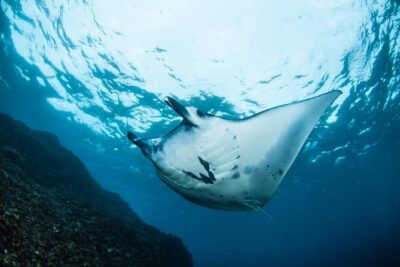
Manta Point
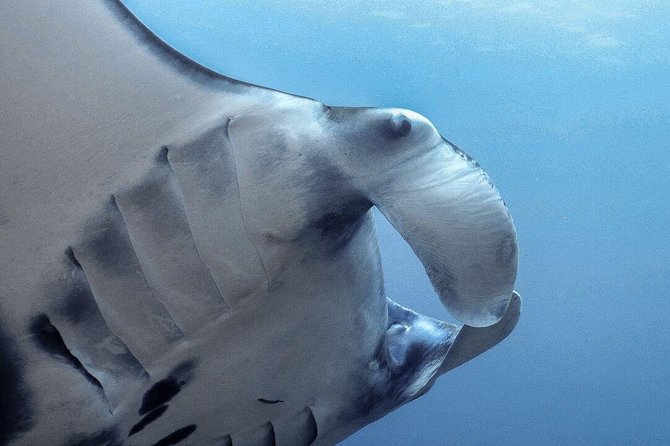
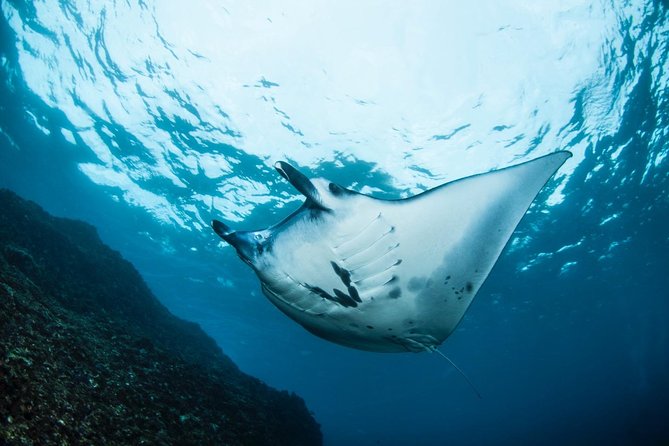
Manta Point gets included for a reason, and the name alone suggests a focus on bigger, more interesting marine encounters. Even if you do not see a specific animal, the training value is that you practice skills while the environment is more “eventful,” so your attention stays on procedure, not distractions.
Mangrove Point at Nusa Lembongan
Mangroves tend to change how you move and where you look. That can make it a useful environment for working on navigation habits, staying oriented, and keeping your body position stable. If you’re the type who gets tempted to rush, a mangrove setting can help you slow down and control your breathing and movement.
Toyapakeh
Toyapakeh is another stop that broadens your experience during the course window. For Advanced training, variety is a secret ingredient. It prevents you from becoming dependent on one kind of scenery or one kind of underwater feel.
Jungut Batu Beach
Ending near Jungut Batu Beach makes sense because it brings you back to the base area and your routine. This is also where you can expect to consolidate skills you learned earlier, then wrap up with a more organized, not rushed, close to the two days.
Instructor care: how confidence gets built quickly
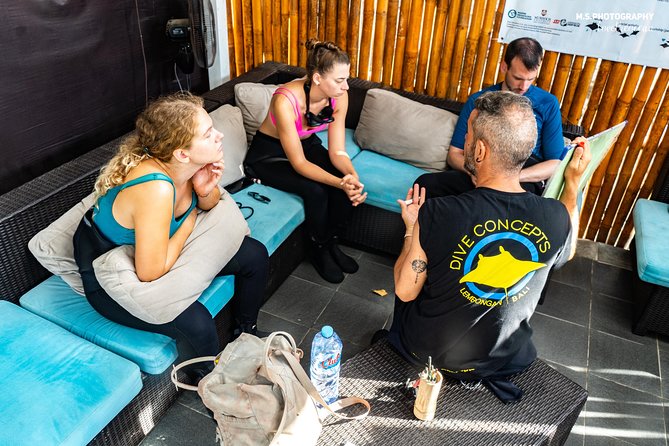
The biggest “value” of this program is not the gear list. It’s the human coaching. The consistent theme from the instructor styles associated with this course is calm professionalism, patience, and detail-focused feedback.
You might be taught by:
- Valentin, described as making students feel safe, relaxed, and genuinely taken care of
- Kaka, described as warm, professional, and very knowledgeable, with close observation and detailed teaching
- Hugo, described as patient and skilled, especially when training alone during lower season
- Sara and Silvère, described as professional, fun, and attentive
Even if you do not get those exact instructors, the standard they represent is what you want to look for. The course includes a certified instructor, and in a skills-heavy certification like this, the instructor’s ability to watch what you are doing and correct it in real time is everything.
Small group size helps too. With a maximum of 5 people, you’re not swallowed by a crowd. You’re more likely to get individualized attention, quicker feedback, and better pacing.
Gear, comfort, and what you still need to budget for
Good news first: standard equipment is included. That lowers friction and cost.
Included gear:
- masks, snorkel, fins
- buoyancy control jacket
- regulator and other instruments
- wetsuit and weight belt
The course also includes dive center facilities: Wi-Fi, toilet, shower, locker, and change room. Having these between sessions is not a luxury. It makes the schedule workable when you’re wet, tired, and trying to get ready for the next training block.
Costs that are not included:
- digital souvenir photos/videos (available to purchase)
- accommodation (dormitory and bungalows available at the dive center)
- restaurant meals (own expense)
One practical tip: if photos/videos matter to you, plan a little extra budget. They are not bundled, so deciding later can feel like paying twice, once with your time and once with your wallet.
Price and value: is $431.28 reasonable for this course?
At $431.28 per person for an approx two-day course, you’re paying for structured progression, a certified instructor, five training sessions, and all standard scuba equipment. You’re also paying for the operational overhead of running the program, moving between multiple sites, and providing the on-site facilities like Wi-Fi, lockers, showers, and toilets.
Where the value shows up for me:
- Gear is included, so you do not have to scramble for rentals or worry about missing essentials.
- Small max group size often means better attention per person.
- The certification itself includes depth work close to 30 meters and navigation skills, which are the main “new competence” drivers from Open Water to Advanced Open Water.
Where the value can feel less ideal:
- If you already own everything and want max flexibility, you might wonder about add-on costs like photos and meals. But that’s typical for certification programs, not a weakness unique to this one.
Overall, the price makes sense if you treat it as real training, not as a sightseeing package.
Weather, timing, and the small details that affect your experience
This experience requires good weather. If it gets canceled due to poor weather, you’ll be offered a different date or a full refund. That’s important in Indonesia because conditions can shift fast.
The course is scheduled at the scuba base during opening hours listed as 8:00 AM to 8:00 PM, and the activity window runs across Monday to Sunday. That matters because you’re trying to fit two full training days into a short Bali area trip.
Also, confirmation is sent within 48 hours of booking, subject to availability. For planning, build in some patience. In practice, you want travel days that can flex a bit.
Who this course fits best, and who should reconsider
This Advanced Open Water course is a strong fit if:
- you are already Open Water certified
- you want a clear step up with SSI training toward deeper competence
- you care about navigation and want compass skills you can use reliably
- you want to choose personal specialty interests like photography, buoyancy control, fish identification, or wreck exploring
It might be less ideal if:
- you hate structured learning or want a casual “just for fun” experience
- you do not handle tight schedules well, since it’s about getting through five training sessions in two days
- you cannot meet the moderate physical fitness requirement
And if you’re traveling with a service animal, service animals are allowed.
Should you book this Advanced Open Water certification in Lembongan?
I’d book it if your goal is real progression: deeper comfort, better planning habits, and compass navigation that makes sense in the water. The small group setup, the included equipment, and the coaching style associated with instructors like Valentin, Kaka, Hugo, Sara, and Silvère are exactly what you want when you’re moving beyond the basics.
I would pause if you are choosing a course mainly for scenery without interest in skill building, or if your schedule is so locked that a weather shift would wreck your whole trip. This program works best when you can treat it like the main event for two days.
If you do book, budget for meals and consider setting aside extra money for the digital photo or video souvenirs, since those are not included.
FAQ
Do I need Open Water certification before taking this course?
Yes. You need to be Open Water certified first. This course is designed to advance your skills under professional supervision.
What depth will I be certified to reach?
The certification is for depths up to 100 feet (30 meters).
How long is the Advanced Open Water course?
It runs for about 2 days.
What training is included in the course?
You’ll complete five training sessions. One focuses on deeper training and planning, one focuses on underwater navigation with a compass, and three others focus on specialty areas you choose with your instructor.
Where do the training sessions take place?
The course includes stops at Crystal Bay, Manta Point, Mangrove Point at Nusa Lembongan, Toyapakeh, and Jungut Batu Beach. It starts at the meeting point near Jungutbatu.
Is equipment included?
Yes. Masks, snorkel, fins, buoyancy control jacket, regulator, other instruments, wetsuit, and weight belt are provided.
What facilities are available at the scuba base?
You have access to Wi-Fi, toilet, shower, lockers, and a change room.
Is accommodation included in the price?
No. Accommodation is not included, but dormitory and bungalow options are available at the scuba base.
What are the options if weather is poor or I need to cancel?
This experience requires good weather. If it is canceled due to poor weather, you’ll be offered a different date or a full refund. You can cancel for a full refund if you cancel at least 24 hours in advance of the experience start time. If you cancel less than 24 hours before, the amount paid is not refunded.
More Tour Reviews in Nusa Lembongan
- Open Water Course in Nusa Lembongan – Get Certified on remote island (next Bali)
★ 5.0 · 864 reviews - 2 Days Discover Scuba Diving in Nusa Lembongan – Scuba Initiation
★ 5.0 · 506 reviews - 5 Fun Dives in Nusa Lembongan (for certified divers) – Swim with a Mola Mola
★ 5.0 · 205 reviews - 7 Fun Dives in Nusa Lembongan (for certified divers) – Premium Value Package
★ 5.0 · 118 reviews
Island Hopping the Strait
- Open Water Course in Nusa Lembongan – Get Certified on remote island (next Bali)
★ 5.0 · 864 reviews - 2 Days Discover Scuba Diving in Nusa Lembongan – Scuba Initiation
★ 5.0 · 506 reviews - 5 Fun Dives in Nusa Lembongan (for certified divers) – Swim with a Mola Mola
★ 5.0 · 205 reviews - 7 Fun Dives in Nusa Lembongan (for certified divers) – Premium Value Package
★ 5.0 · 118 reviews
Fresh on the Nusa Lembongan pages


Lembongan & Ceningan Island Hopping from Kuta, compared.
 ★ 5.0Open Water Course in Nusa Lembongan – Get Certified on remote island (next Bali)From $461864 reviews
 ★ 5.02 Days Discover Scuba Diving in Nusa Lembongan – Scuba InitiationFrom $151506 reviews
 ★ 5.05 Fun Dives in Nusa Lembongan (for certified divers) – Swim with a Mola MolaFrom $256205 reviews
 ★ 4.5Snorkeling Day Trip To Lembongan and PenidaFrom $35168 reviews
 ★ 5.07 Fun Dives in Nusa Lembongan (for certified divers) – Premium Value PackageFrom $311118 reviews
 ★ 5.0Nusa Lembongan Island: Snorkeling & Mangrove Forest Day TourFrom $14397 reviews
 ★ 4.0Bali Reef Cruise and Lembongan Island Day TripFrom $16468 reviews
 ★ 5.0Lembongan Electric Bike tourFrom $5456 reviews
More Kuta tours like this one