
Review · HIKING & TREKKING
Sidemen Trekking: A Walk from a Different Perspective
Follow irrigation paths in rural Bali. This Sidemen Trekking walk is a refreshing break from resort routes, with rice terraces, village lanes, and big Mount Agung views from paths farmers actually use. I love how the walk mixes rice farming with everyday Hindu village moments, and I also like that guides (like Adidas, Adi, Darya, and Wayan) bring the scenery to life with practical stories about crops, rituals, and how people live here. One consideration, the terrain can be narrow and sometimes slippery in parts, so you will want good balance even though the pace stays relaxed.
You start at Pasar Sidemen Traditional Market at the shop marked Upa Boga, then you head out toward the rice paddies, following irrigation routes and passing a hanging wooden bridge that is shared by people and motorbikes. The whole loop is about 2 to 2.5 hours, max 10 people in the group, and bottled water is included. I also like that they send a mobile ticket, and you can plan an optional market look since Pasar Sidemen is open from 5:00 AM to 10:00 AM.
If you want this to feel easy, pack for the ground, not just the weather: bring hiking shoes, plus a sun hat, sunscreen, and sunglasses. Start early, wear grippy footwear, and keep your eyes on the paths in the rice areas where the footing can surprise you.
5 things that make this Sidemen trekking tour worth your time
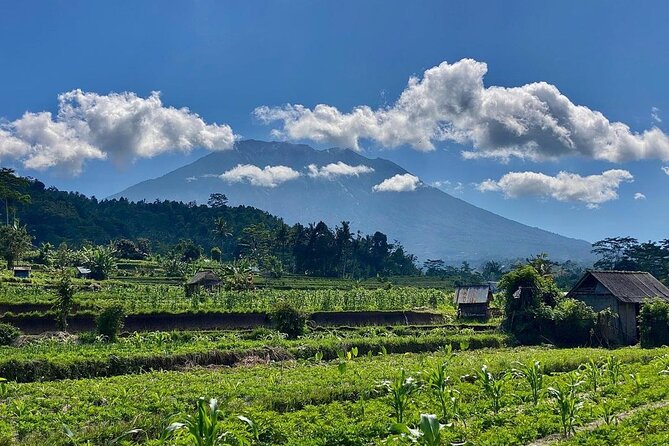
- Real farmer pathways, including irrigation routes and narrow sections that larger tour buses never touch
- Mount Agung views that you only get when you walk above the main village roads
- A small-group experience with a maximum of 10 travelers, so your guide can actually keep an eye on everyone
- Guide-led farming stories, with explanations about rice growth and local seasonal rhythms
- Practical end point, the trek finishes at Warung Ume Anyar, a solid place to eat or cool down afterward
Other Ubud days people book alongside this one
- Sidemen Trekking: A Walk from a Different Perspective★ 5.0 · 94 reviews
- Ubud Guided Walking Tour★ 5.0 · 79 reviews
- Ubud Countryside Tour: Campuhan Ridge Walk and Rice Terrace★ 5.0 · 72 reviews
- Hikaria: Bali’s First Immersive Night Walk★ 5.0 · 16 reviews
Why Sidemen feels like a different Bali zone
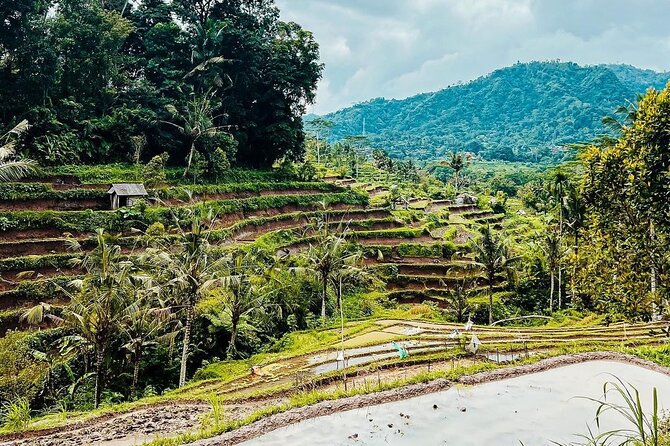
Sidemen is in the Bali countryside where life moves at a slower rhythm. From the start, you are not just taking photos, you are walking through a working landscape, rice paddies and village lanes that still serve daily needs. That is the big difference, the route is designed around how people farm and travel locally, not around where tourists typically stop.
I also like that the experience is social but not chaotic. With a maximum of 10 travelers, you are more likely to hear stories clearly and get quick help if someone needs a slower pace over uneven ground.
And yes, the views are great. But the best part is how the view keeps changing as you move from market lanes up toward the rice terraces, then back through village sections where you can see how farming, religion, and daily routines fit together.
Starting at Pasar Sidemen market, then switching to village lanes
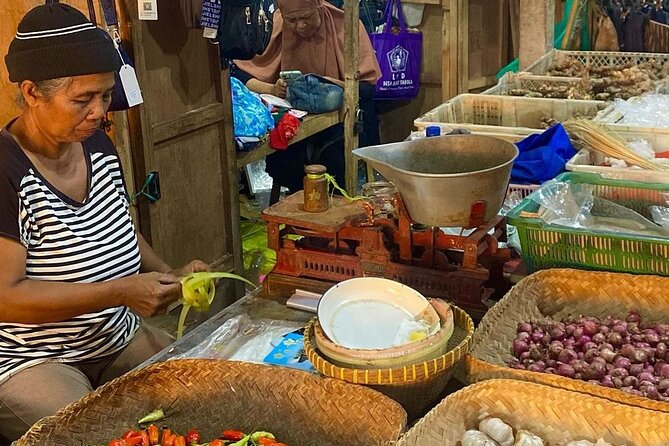
Your trek begins at Pasar Sidemen Traditional Market, at the shop with the sign Upa Boga. It is a useful place to start because it anchors the experience in the real rhythm of the area, where people come for supplies and daily errands before the heat builds.
From there, you walk through the Sidemen village area before you fully step into the rice farming zone. Expect an up-and-down pattern through the streets, not a straight uphill grind. That matters because it keeps the walk friendly for many people, as long as you have moderate physical fitness and the balance to handle narrow paths later on.
If you like a head start, you can time it for the morning market hours. Pasar Sidemen runs from 5:00 AM to 10:00 AM, and if you arrive early you can browse before you go. It is also a nice way to feel the place before you leave it.
One practical note that can save time: if your hotel is in Sidemen, try to arrange pickup through the hotel first. Grab exists, but in this area drivers can be limited, and some hotels only allow drop-off, not pick-up.
The rice terrace walking, irrigation follow-the-water route
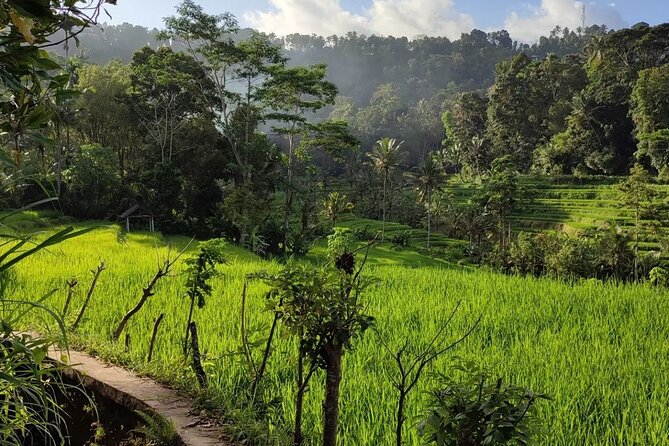
Once you reach the farming paths, you follow the logic of the irrigation system. The trek takes you along the routes where water travels, so you get a behind-the-scenes look at how rice is grown.
This is also where you really see how rice terraces are shaped to work with the terrain. The paths can be elevated, and they can be narrow. You will want to treat footing seriously in these sections, especially if it is damp or you are walking late in the day when the ground feels slick.
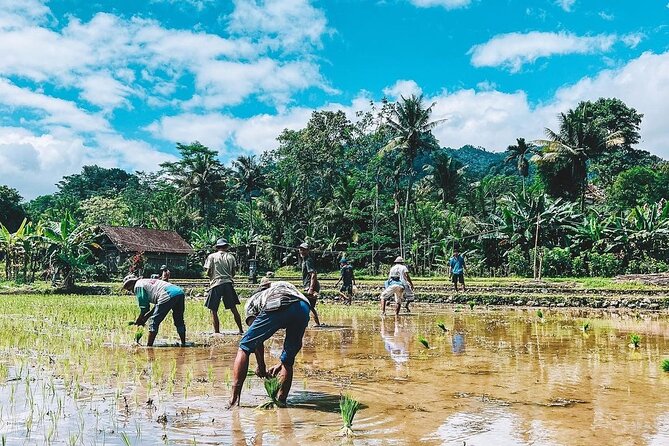
You may notice that the guide does not just point, they explain. Some guides share how rice crops change by season, including details like what is happening during harvest time and what is planted next. If you are visiting around December, you might hear that particular seasonal rhythm explained, including how different crops connect to local use in everyday food.
And you are not just walking beside rice plants. You are moving through the places farmers use, so the trek feels like a working route, not a scenic detour.
Crossing the hanging wooden bridge and spotting village temple life
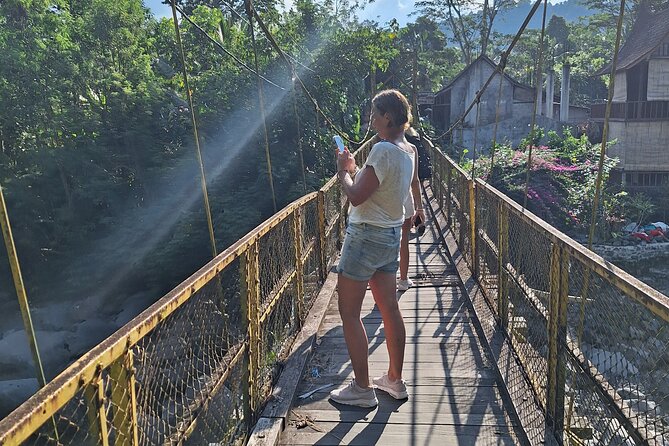
Midway through the experience, you pass a hanging wooden bridge. It is sturdy enough for motorbikes and humans, so it is not a fragile “photo prop,” it is part of the real local transport network. Standing on it gives you a different view angle, because it frames the irrigation and rice terraces in a way you cannot get from the road.
As you continue, you also pass a temple used for local prayers. This is one of those moments that can easily get skipped on purely photo-focused walks, but here it fits naturally into the route. You get a sense that religion is not separate from farm life, it is part of the same calendar and daily routine.
Some guides also point out offering flowers and other small details that signal local belief and practice. On one walk, the guide even mentioned giant spiders in the rice areas, which sounds random until you realize it adds to the “this is a living ecosystem” feel of the trek.
More walking, less driving
Where Mount Agung comes into the story
The Mount Agung views are one of the main reasons people book this trek. But the tour does not just throw a viewpoint at you and move on. Instead, you reach sightlines as you climb and traverse above parts of the village, then you keep seeing the volcano appear in the background as the route changes.
That is why the walk feels like more than a short hike. You get multiple perspectives, not just one big postcard angle. And because the route follows rice terraces and village edges, the views come from locations you would not naturally find if you were just driving around.
Timing helps too. If you can, plan for morning light so the rice and irrigation routes look crisp. Also, mornings tend to be more comfortable for walking in Bali’s humidity, which keeps the “easy pace” feeling true.
Guides like Adidas, Adi, Darya, and Wayan make it click

The guide is the secret ingredient here. The strongest feedback patterns point to two things: humor and real local explanation.
Guides such as Adidas and Adi often focus on the rice-making process and local farming history, but they also connect it to daily life. One guide-style you might see is naming and explaining what you are looking at in the fields, then adding stories about how the farming shapes community life.
Darya and Wayan are praised in particular for patient, interactive storytelling. You might get answers to questions on the spot, and you might also feel like the guide is not just “leading a group,” they are introducing you to the area they live in.
Another common theme in guide feedback is how they know the people along the route. When a guide can recognize neighbors and explain what you are passing, the village feels less like a backdrop and more like a network of real lives.
If you want your walk to feel meaningful, choose this option when you are in the Sidemen area with enough time to let stories land. This is not a sprint. It is a walk where you can actually ask questions without the schedule choking you.
Walking level, footing, and what to wear
This is often described as an easy walk in terms of pace, but you still need to take it seriously as a walking surface experience.
You should come with moderate physical fitness. The energy level is not extreme, but balance matters. Narrow rice terrace paths and sections near irrigation waterways can be slippery, and some sections are elevated with uneven ground. A slower, careful pace is smart here, and good shoes make a huge difference.
That is why the packing list is not optional. You should bring:
- Hiking boots or shoes with grip
- Sun hat
- Sunscreen
- Sunglasses
Bottled water is included, so you are not stuck carrying a full load, but you will still be in sun and humid air. If you have sensitive feet, plan to protect them, because parts of the route can get muddy or dusty depending on conditions.
Also, the group is small, but it still helps to move with the group. If you wander, you can end up in rougher footing areas. Let your guide set the rhythm, especially near the rice edges and the narrow pathways.
Price and value, $13.75 for a practical rural experience

At $13.75 per person, the value comes from what you are actually buying: time with a local guide on paths you likely would not find on your own, plus a route that gives structure to a countryside walk.
You get bottled water included, and the activity runs about 2 to 2.5 hours. There is no hotel pickup included, so you should factor that in if you are not already near Sidemen. But if you are staying locally or can arrange a driver to the start and then pick you up at the end, the price can feel like a fair deal for the guidance and the route design.
The maximum group size also matters. When it is capped at 10, you are paying for something closer to a guided walk than a mass group shuffle. That tends to improve the experience, especially for asking questions and getting help over tricky sections.
If you love learning in context, the cost becomes even easier to justify. You are not just watching rice. You are hearing how rice farming, temple life, and local routines connect, often tied to seasonal crop changes.
End at Warung Ume Anyar, then plan your ride home
The trek finishes at Warung Ume Anyar Restaurant in Ogang Village. This is a smart finish point because you do not need to guess where you will eat right after the walk. You can relax, grab a drink, and refuel without rushing.
For transportation, plan ahead. Pick-up is not included, and Grab availability can be limited in the area. If you have a driver, ask them to pick you up at the finish point around 2 to 2.5 hours after the trek starts. Leaving it to the last minute can mean waiting around, and waiting is never fun under Bali heat.
If you find yourself without a ride, there is an option to walk back along the main road. The return distance is about 3 km and takes roughly 30 to 40 minutes. It is not the end of the world, but it is better to have transport lined up.
Who this Sidemen trekking tour suits best
This works especially well if you:
- Want a rural Bali walk away from the most tourist-heavy coastal areas
- Like rice terraces and want to see them from actual farmer paths
- Enjoy cultural context, including Hindu village life and how farming fits daily routine
- Prefer small groups and conversation over a silent photo scavenger hunt
It may not be ideal if you:
- Struggle with narrow, elevated paths or have balance issues
- Want a purely flat stroll with no slippery sections
- Need a hands-free route with no navigation challenges
If you are visiting the Sidemen area and you have limited time, this 2-hour format is a good fit. It is long enough to feel like you left the road, but short enough to pair with other plans in the region.
Should you book this Sidemen trekking walk?
If your goal is to see Sidemen the way locals experience it, this is a strong choice. The route gives you rice terrace views, irrigation-focused walking, a shared-use hanging bridge moment, and village temple life, all led by guides who tend to bring the farming story to life through real local context.
Book it if you will bring proper footwear and walk carefully on narrow sections. It is easy in pace, but it is not “carefree feet” territory.
Skip it or choose a different option if you are not comfortable with balance challenges on uneven, sometimes slick ground. For the right traveler, though, this walk is one of the most practical ways to understand what makes Sidemen feel different in Bali.
FAQ
What is the duration of the Sidemen trekking tour?
The tour is about 2 hours long, with some guidance suggesting around 2 to 2.5 hours total from start to finish.
Where do I meet the guide?
You meet at Pasar Sidemen (Sidemen Traditional Market) at the shop with the sign Upa Boga.
Where does the trek end?
The trek ends at Warung Ume Anyar Restaurant in Ogang Village.
What is included in the price?
Bottled water is included.
Is hotel pick up and drop off included?
No. Hotel pick up and drop off are not included. You should arrange your own transportation to the start and from the finish.
What should I bring with me?
Bring a sun hat, hiking boots or shoes, sunscreen, and sunglasses.
What fitness level do I need?
You should have moderate physical fitness. The walk includes up-and-down sections and narrow paths, so balance helps.
How many people are in the group?
This experience has a maximum of 10 travelers.
What happens if the weather is bad?
The activity requires good weather. If it is canceled due to poor weather, you will be offered a different date or a full refund.
More Walking Around Ubud
- Mount Batur Sunrise Hike and Natural Hot Spring Option
★ 5.0 · 1,927 reviews - Mount Batur Sunrise Hike with Breakfast
★ 5.0 · 1,757 reviews - Mount Batur Sunrise Trekking Private All Inclusive
★ 5.0 · 906 reviews - Private Mount Batur Sunrise Trekking Tour
★ 5.0 · 634 reviews
On Foot Instead
- Ubud Guided Walking Tour
★ 5.0 · 79 reviews - Ubud Countryside Tour: Campuhan Ridge Walk and Rice Terrace
★ 5.0 · 72 reviews - Hikaria: Bali’s First Immersive Night Walk
★ 5.0 · 16 reviews - Myth of Pejeng Walking Tour
★ 5.0 · 6 reviews
More Tour Reviews in Ubud
- All-Inclusive Ubud Private Tour
★ 5.0 · 14,344 reviews - Best of Ubud Full-Day Tour with Jungle Swing
★ 5.0 · 8,571 reviews - Ubud: Monkey Forest, Jungle Swing, Rice Terrace, and Water Temple
★ 5.0 · 7,160 reviews - Best of Ubud 1-Day Private Tour
★ 5.0 · 4,451 reviews
Fresh on the Ubud pages





Hiking & Trekking, compared.
 ★ 5.0Mount Batur Sunrise Hike and Natural Hot Spring OptionFrom $331,927 reviews
 ★ 5.0Mount Batur Sunrise Hike with BreakfastFrom $301,757 reviews
Mount Batur Sunrise TrekkingFrom $39947 reviews
★ 5.0Mount Batur Sunrise Hike with BreakfastFrom $301,757 reviews
Mount Batur Sunrise TrekkingFrom $39947 reviews
 ★ 5.0Mount Batur Sunrise Trekking Private All InclusiveFrom $21906 reviews
 ★ 5.0Mount Batur Sunrise Trekking Private Tour with Breakfast and Hotel TransferFrom $49885 reviews
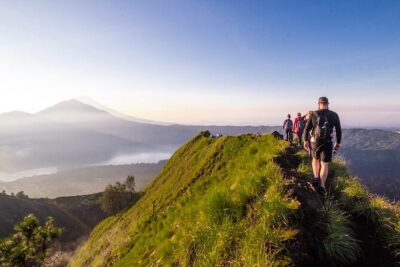 ★ 5.0Private Mount Batur Sunrise Trekking TourFrom $39634 reviews
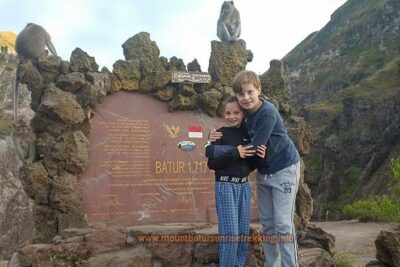 ★ 5.0Mount Batur Sunrise Trekking (Private Tour and Breakfast at Restaurant)From $39598 reviews
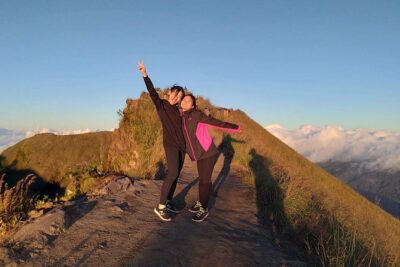 ★ 5.0Private Tour Mount Batur Sunrise Trekking and Natural Hot SpringFrom $63431 reviews
More Kuta tours like this one