
Review · BALINESE COOKING CLASSES FROM KUTA
Pure Bali Village Experience, Cooking & Jamu Class+VIP Transfer
A Bali day that tastes like real life. This small-group experience mixes jamu herbal tonics, hands-on Balinese cooking, and a soak at Belulang hot spring. I love that you learn in a mountain village setting away from the main tourist drag. I also love the practical, do-it-yourself lunch, from building flavors to firing up the live grill. The one thing to consider is the early start (7:30 am) and some walking, including about 30 minutes of downhill trekking.
What makes it work is the flow. You get picked up, driven through tropical scenery with a photo stop, then step into village life through music, herbs, cooking, farming tasks, and architecture. The day ends relaxed, not rushed, with a return to your hotel by air-conditioned vehicle and a nice extra touch like a cooking certificate sent by email. And yes, the small group size matters, because you actually get time to cook and ask questions, not just watch from the sidelines.
Key things I’d plan around
- Jamu before lunch: You craft two types of jamu and taste fruit from the garden area.
- Rindik instrument intro: You learn the basic feel of this traditional Balinese instrument early in the day.
- Hands-on Paon Bali cooking: You cook your lunch, including sate lilit at a live bamboo grill station.
- Village farming moments: You get a try planting rice and visiting the Balikaru farm with animals and stingless Trigona beehives.
- Soft downhill walk plus hot spring time: Expect about 30 minutes downhill trekking, then the optional Belulang bath.
Other ways to spend a day out of Bali:
- Mount Agung Sunrise Trekking Tour★ 5.0 · 156 reviews
- Bali Pura Taman Ayun Temple, Monkey Forest & Tanah Lot Excursion★ 4.0 · 123 reviews
- Denpasar Arrival Transfer: Airport to Hotel★ 4.5 · 105 reviews
- Private Tour: Bali UNESCO World Heritage Sites★ 5.0 · 62 reviews
Bali village reality check, right next to Mount Batukaru
This is a Bali day built around real routines, not a staged checklist of temples and shops. You start in the Batukaru region, in a mountain village area, so the setting feels quieter and more grounded than the usual Bali circuit. You do get scenic views of the rice terraces and mountains, but the main focus stays on everyday village practices.
The best part for most people is the hands-on angle. You do not just sample food, you help make it, and you learn the logic behind Balinese flavors. You also get a sensory crash course in herbs, because jamu is not some abstract wellness thing. It is something you actually prepare and taste as part of your day.
One practical note: because you are going through village areas and garden spaces, the pace is casual but active. You will likely get a bit warm in the daytime, and you will want comfortable shoes for the downhill walking portion.
Morning logistics: 7:30 pickup, scenic stop, and a 12-person cap
The day kicks off at 7:30 am, which is early by Bali standards, but it helps you get to the village with less heat and more calm. You travel in an air-conditioned vehicle, with hotel pickup and drop-off, so you avoid the stress of trying to coordinate rides in rural Bali. On the way, you stop for photos and enjoy tropical scenery as you head into the mountain area.
The group size is capped at a maximum of 12 travelers, which is a big deal for a cooking and jamu class. In a class this interactive, small numbers mean your guide can adjust explanations and keep the kitchen moving without chaos. It also means you can have real conversations, including about village life and the plants you are handling.
English or German-speaking guides are available, with a surcharge if you need another language. If you want to talk a lot, plan to use English or German, or arrange the language option ahead of time so the day runs smoothly.
First stop: Belulang hot spring, and why it is a smart closer
Belulang hot spring is the final stop in the schedule, and calling it a closer is not just about timing. Hot spring time works well after cooking, walking, and rice planting, because your body has already done the work. The soak is optional, so you can treat it as a reward or skip it if you just want to enjoy the site.
This is one of those Bali experiences where the spiritual and the practical blend together. You get a sacred, calm feeling at the hot spring, and it helps reset your energy for the ride back. If you are the type who likes a clean wrap-up to a day trip, this structure is a win.
Do note the earlier schedule keeps you busy all morning and afternoon. If you dislike long seated transfers, you might find the return drive a bit lengthy, but the day is designed so you are moving between activities instead of waiting around.
Rindik music plus a herb and spice garden with 40 plants
Before you cook anything, you start with culture, and you start with something hands-on: the Rindik. This traditional Balinese instrument gets introduced early, so you get a taste of local arts right away. It also helps you settle into the village rhythm instead of going straight to food.
Then you head through a guided herb and spice garden with over 40 varieties of plants. This part is where the day quietly becomes more than a cooking lesson. When you see and handle the plants, spices stop being a vague smell and start being ingredients with purpose. You also get a foundation for understanding jamu later, because many of the same herb and garden relationships show up in the tonics.
A small caution: garden walks can be humid and the ground can be uneven, depending on the path. If you have any mobility issues, comfortable footwear matters. If you have sensitive skin, you might also consider bringing a light layer for sun and plant contact.


Jamu Pavilion: make two tonics, then taste fruit
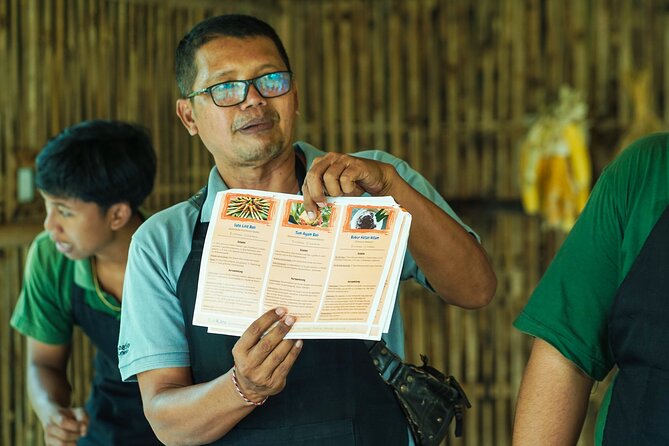
Jamu is one of those Bali topics that many visitors skip, mainly because it sounds complicated or wellness-y in a way that feels distant. Here, it is practical. You craft two types of jamu at the Jamu Pavilion, and you taste them as part of the experience.
The value is not just learning a recipe. You learn how jamu fits into Balinese everyday life, and you get the chance to understand why people treat these herbal drinks as part of wellbeing. The day also includes fruit tasting, so the flavors go from herbal and earthy to bright and sweet, which makes it easier to appreciate what you made.
If you are not sure about herbal drinks, you can still have fun here. You are not just drinking something you might hate. You are making it, so you understand the choices behind the flavors. That turns jamu from a risk into an experiment.
One thing to keep in mind: jamu tastes the way herbs taste. If you are expecting something like juice or a smoothie, you may be surprised. Still, the process is the point, and the garden learning makes the flavor make sense.
Paon Bali cooking class: your lunch, plus sate lilit and lak lak
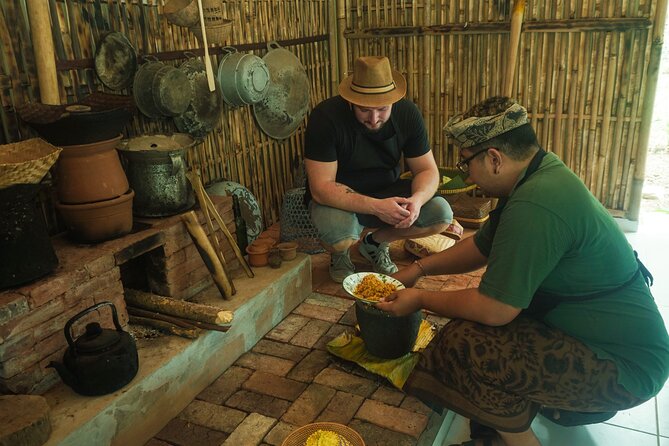
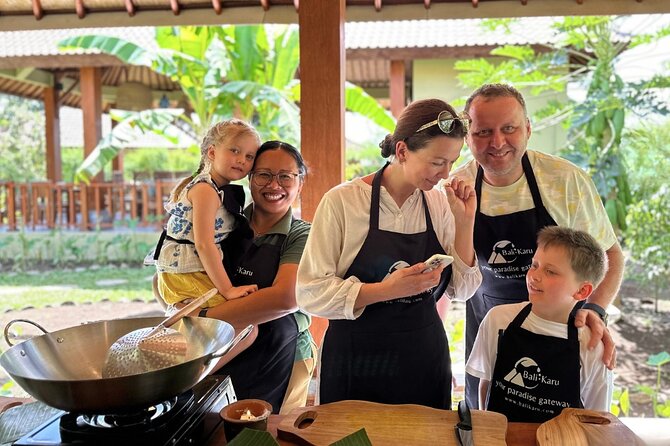
This is the heart of the experience, and it is well set up. After the garden and jamu, you move to Paon Bali, the open-air Bali kitchen. Here you cook an authentic Balinese meal with guidance from the chef, including your own lunch and dessert.
The menu you make includes Nasi Campur Tumping, plus a dessert called Lak Lak. You also cook key items like sate lilit, and you do it at a live bamboo grill station, which is the kind of detail that makes the class feel real. You are not just stirring a pot. You are preparing at a cooking setup that matches how food is done in the village.
Lak Lak is especially fun because you make it using a traditional clay pot. That detail matters more than it sounds. Clay cooking can change how heat behaves, and it also gives the dessert a distinct feel in the process. You learn why the steps happen when they happen, not just what order the ingredients go in.
As for the lunch itself, it is savoring the meal you prepared. That is a small line in the schedule, but it makes a big difference. When you cook what you eat, you remember the flavors, and you can recreate parts of it later.
If you care about timing, you should know the day includes active prep steps, then eating, then more activity. Bring a good appetite and a positive attitude toward spice and herbs. Even if you normally eat mild food, the class teaches how flavors balance instead of just relying on heat.
Rice planting and Balikaru farm: stingless Trigona bees and animal time
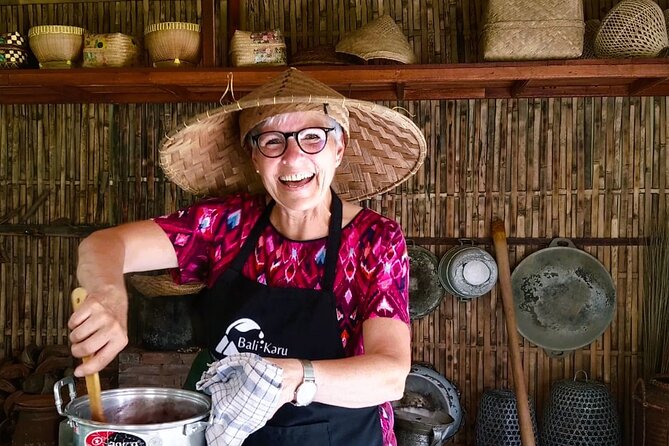
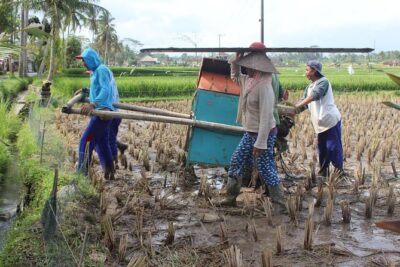
After lunch, you get enough energy to help with planting rice. This is one of those activities where you get the feeling of what farm work is like, without it turning into heavy labor. You assist with planting rice, then you move into more village exploration, including a visit to the Balikaru farm.
At the Balikaru farm, you meet animals and learn about stingless Trigona beehives. Stingless bees have a unique presence, and the focus here is on understanding the role of bees in the farm and how villagers work with them. It is not a sci-fi bee show. It is farm life, explained in a grounded way.
You also get a soft trekking segment of about 30 minutes downhill. This is not a long hike, but it is still a real walk. If you are used to city footing, start slow and take your time. Bring water if you can, and plan to let your pace be guided by your comfort rather than the group tempo.
This farm and rice portion is also where the experience earns its name village. Cooking is only half the story. You get the other half, which is the land that supports the ingredients and routines.
Traditional house visit, Asta Kosala, and A Balinese hot spring reset
Later in the afternoon, you stroll through the village with mountain views and chat with locals. You also visit a traditional house to learn about Asta Kosala architecture, influenced by Balinese feng shui.
This is not architecture for architects. It is a cultural lens on how space relates to life, and that makes it easier to understand why some buildings and layouts feel the way they do. When you learn these ideas in the village, they connect to what you already saw, from the kitchen to the herb garden to the sacred hot spring area.
In the same spirit, some versions of the day include a purification ceremony. People who care about the spiritual side of Bali often recommend this part, and it fits the overall flow because it ties together the sacred feeling of the region with the daily rituals you witness.
Finally, you end at Belulang hot spring, where the bath is optional. Even if you skip soaking, the site is a calm place to sit and reset before heading back to your hotel.
Price and value: why $89 can work, if you want the full day
At $89 per person for an approximately 8-hour day, this is positioned as a value option compared with the cost of piecing together separate activities. You get multiple components that usually cost more when booked individually: hotel pickup and drop-off, scenic drive with a photo stop, jamu making, a cooking class with chef guidance, a rice planting activity, a farm visit with animals and stingless bees, and a hot spring stop.
The small-group size and hands-on format also matter for value. If you have ever taken a class where you watch more than you do, you know how frustrating that can be. Here, the design is about participation, and that typically feels worth paying for.
Also worth noting: there is a farewell gift, and you get a personal cooking class certificate by email after the tour. Those are not life-changing, but they do add a tidy sense of closure, especially if you want to remember what you learned.
About group discounts: it is listed as part of the offering, so if you are traveling with friends or family, you might find better total value. If you are solo, you still get the small-group advantage.
Who should book this day trip, and who might not love it
You should book if you want a Bali day that is more hands-on and less performative. This is a good fit for food lovers who want to learn real Balinese dishes, and for people interested in jamu herbal drinks. It is also a nice option if you want to see village life in the mountain Batukaru region without spending your whole trip on the most over-visited areas.
You might want to think twice if you dislike early starts or if you do not handle walking well. The day includes downhill trekking for about 30 minutes, plus garden and village strolls. If you are sensitive to heat and humidity, plan to pace yourself and dress for comfort.
Language is another deciding factor. The tour lists English or German-speaking guides, with a surcharge for other languages. If you rely on a language other than English or German, confirm the option before you go so you are not stuck with a mismatch.
If you love an ultra-fast, see-everything-in-one-day itinerary, this may feel slower than you expect. But if you like quality time with ingredients, tools, and people, it is exactly the right tempo.
Should you book Pure Bali Village Experience, Cooking and Jamu Class plus VIP transfer?
I think it is a smart booking if you want a single day that blends cooking, jamu, farming, and spirituality in a small-group setting. The biggest strengths are the hands-on cooking at Paon Bali, the jamu workshop in the garden setting, and the chance to experience village routines like rice planting and a farm visit with stingless Trigona bees.
Book it if you are the type who remembers meals you helped cook, and if you want Belulang hot spring as a calm ending. Skip it if you want a mostly passive sightseeing day or if you cannot handle the early start and the downhill walking.
If your Bali goal is to understand the island beyond photo stops and souvenirs, this is the kind of day that actually teaches you something. And it ends with a hot spring reset and a lunch worth remembering.
FAQ
How long is the Pure Bali Village Experience?
The tour runs for about 8 hours, and the start time is 7:30 am.
Is hotel pickup and drop-off included?
Yes. Hotel pickup and drop-off are included, and you travel in an air-conditioned vehicle.
What cooking and food items do you make during the class?
You cook an authentic Balinese meal at Paon Bali, including sate lilit (at a live bamboo grill station), and you also make the dessert Lak Lak using a traditional clay pot. Lunch includes Nasi Campur Tumping plus dessert.
Do you learn to make jamu and taste it?
Yes. The experience includes jamu production where you craft and taste two types of jamu, plus fruit tasting.
Is vegetarian food available or can dietary needs be accommodated?
Dietary needs such as vegetarian can be accommodated. You should indicate dietary requirements at booking.
What is the cancellation policy?
Free cancellation is available up to 24 hours before the experience’s start time for a full refund. If it is canceled due to poor weather, you will be offered a different date or a full refund.
More Tour Reviews in Bali
- Mount Agung Sunrise Trekking Tour
★ 5.0 · 156 reviews - Bali Pura Taman Ayun Temple, Monkey Forest & Tanah Lot Excursion
★ 4.0 · 123 reviews - Denpasar Arrival Transfer: Airport to Hotel
★ 4.5 · 105 reviews - Private Tour: Bali UNESCO World Heritage Sites
★ 5.0 · 62 reviews
Fresh on the Bali pages



Balinese Cooking Classes from Kuta, compared.
 ★ 5.0Ubud Cooking Class Bali with Balinese ChefFrom $351,609 reviews
 ★ 5.0PRIVATE Authentic Balinese Cooking Class in Ubud at Putu’s HomeFrom $75644 reviews
 ★ 5.0Balinese Ubud cooking school (9 Dish Cooking and Market Tour)From $58540 reviews
 ★ 5.0Balinese Farm Cooking Class by Pemulan BaliFrom $39410 reviews
 ★ 5.0Learn to cook Indonesian food at Gili Cooking Classes TrawanganFrom $33352 reviews
 ★ 5.0Balinese Cooking Class in SeminyakFrom $66281 reviews
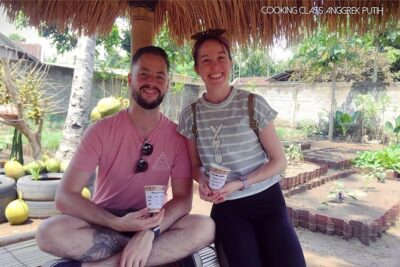 ★ 5.0Anggrek Putih Lombok Cooking ClassFrom $30253 reviews
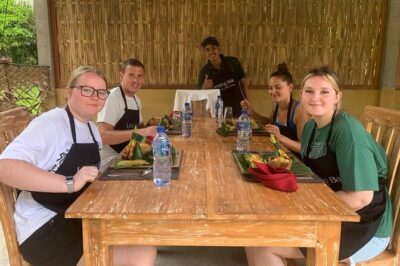 ★ 5.0Balinese Authentic Cooking Class in UbudFrom $39239 reviews