
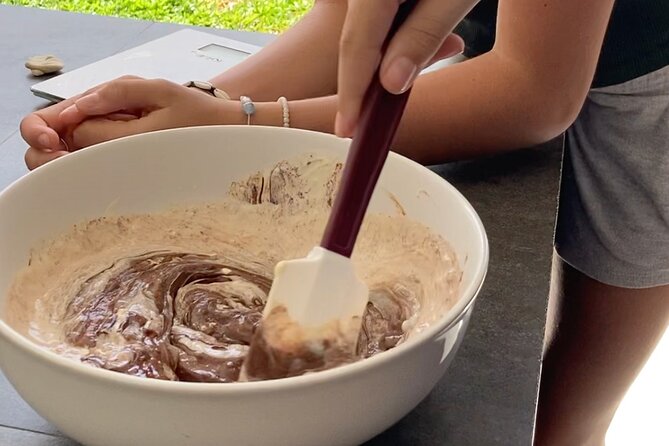
Review · WORKSHOPS
Kerobokan French Pastry and Bakery class for Adult
French pastries, minus the intimidation. In this Kerobokan workshop, I love the hands-on coaching and the small group size, which makes it easy to get your questions answered. You also get a clear focus on technique, not just following steps.
Two things really stood out in the feedback I reviewed: the teacher, Romain (spelled Romano in one note), is happy to share his methods, and he pushes you to be creative with how you present your tarts. One consideration: you will be cooking in a studio setting, so if you’re sensitive to time limits, plan for a fast, focused 2-hour session.
If you’re in Seminyak for food, Bali’s pastry scene is a fun change of pace. You’ll leave with practical skills you can use again, plus packaging so you can bring something sweet home.
Quick hits before you bake
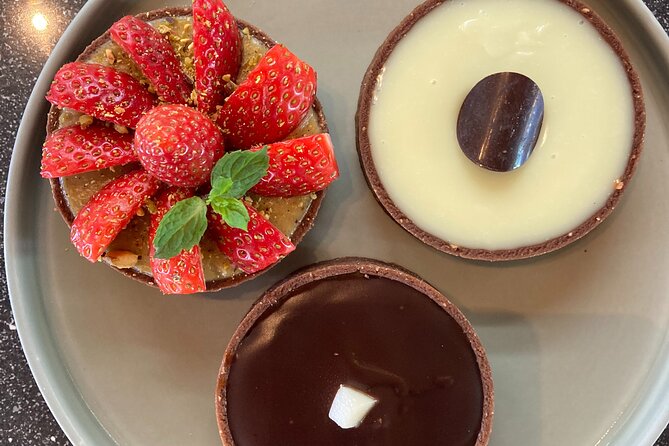
- Small-group format with a maximum of 10 travelers, and lessons designed for up to 8 for more personal attention
- Full materials included, from ingredients to apron and packaging
- Technique-first teaching, including dough types, creams, ganache, and filling building
- Decorating practice like piping and layering, with encouragement to make it look your way
- Fresh mineral water provided, plus time to eat what you make now or take home
Other things to make with your hands
- Balinese Cooking Class in Seminyak★ 5.0 · 281 reviews
- Nia Balinese Cooking Class★ 5.0 · 202 reviews
- Nia Bali Seminyak Cooking Class★ 5.0 · 127 reviews
- Canggu: Surfing lesson with ISA certified instructor★ 5.0 · 102 reviews
Seminyak Meets French Pastry Skills (2 Hours, Small Group)
This is not a lecture. It’s a working class where you learn the mechanics behind French-style pastry, then use that know-how to make and finish pastries, pies, tarts, cookies, and cakes. The session is about 2 hours, so you should expect a quick rhythm: mix, shape, fill, decorate, then enjoy (or pack) the results.
The small group matters more than it sounds. With a cap of around 10 people and lessons designed for maximum 8, you’re not stuck waiting for attention. That means you can correct mistakes early, and you get more hands-on time per person. For a skill class, that’s the real quality upgrade.
Price-wise, you’re paying about $35.26 per person, which is on the friendly side for a workshop that includes ingredients, your dessert, apron, and packaging. Transport is not included, so you will want to plan your own ride to Kerobokan Kaja (or use nearby public transport).
Finding the Kerobokan Studio and Getting Set Up
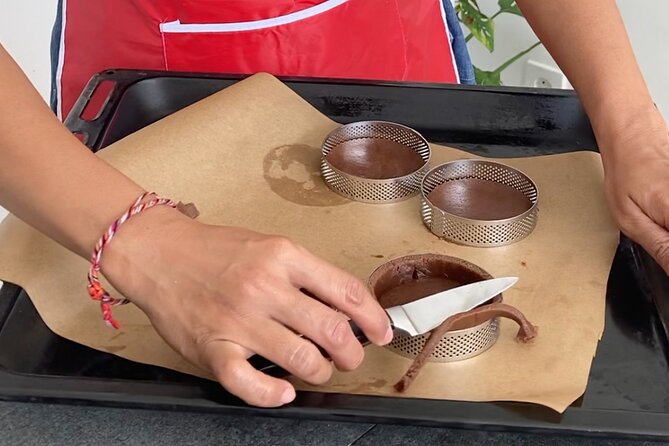
The class starts at 85RH+VM8, Kerobokan Kaja, Kuta Utara, Badung Regency, Bali 80117. It ends back at the same meeting point, so you’re not sent off on a long route. That keeps things simple, especially if you are staying in Seminyak and want an easy afternoon or early evening activity.
You’ll get set up once you arrive because the essentials are part of the deal: everything needed to bake is provided. That includes your ingredients and the tools/materials you need for your creations. You’ll also receive an apron and packaging, which is great because it solves the awkward part: what do I do with my dessert when it’s finished?
Practical tip: wear something you don’t mind getting flour on. Even if the class is tidy, pastry work tends to be a little messy. Closed-toe shoes also help since you’re working in a studio environment.
What You Learn: Doughs, Fillings, Creams, and Ganache
The core promise here is that you learn the fundamentals that actually control pastry outcomes. You’re not just memorizing recipes. You’ll work on the building blocks, like:
- Types of dough and how they behave
- Fillings and toppings, including creams and fruit-based options
- Creams and ganache, so you understand the texture and consistency targets
- Presentation skills, including how to layer and shape
The biggest value for most people is the focus on why the pastry behaves the way it does. You’ll get a framework for basic knowledge such as types of flour, fats, and leavening agents. That kind of grounding helps you later when you’re cooking at home and the recipe is slightly different.
If you’re a beginner, this structure is reassuring. You get taught the basics while you’re actively making pastry, so you don’t just watch and hope. If you already bake, the troubleshooting angle is useful. You’ll learn what typically goes wrong and how to avoid the same problems next time.
And that “technique and tricks” angle is backed up by the feedback about the teacher. In the notes I saw, people called out that Romain was attentive and genuinely willing to explain what he knows, not just point at a recipe.
Your Two-Hour Flow: From Mixing to Decorating
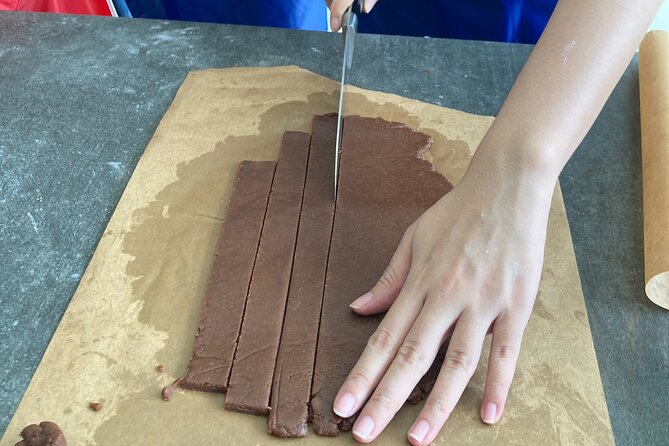
Because the session is about 2 hours, it’s built to be concentrated. You can think of it like a fast pipeline:
1) You start with pastry groundwork, learning how dough and filling components are formed and handled.
2) You move into building your creations, working with fillings like creams, custards, fruits, and nuts.
3) You finish by shaping and decorating, using techniques such as piping and layering.
4) Then you get to enjoy your results, either on the spot or packed up to take home.
Even if you’re not making the same exact items every time, the skill set is consistent. You’re practicing broad categories: pastries, pies, tarts, cookies, and cakes, with emphasis on how dough and fillings come together and how the final look is created.
What I like about this format is that you get multiple “touch points” for learning. If your dough feels off, you learn how to correct it. If your filling texture is too thick or too loose, you get guidance. If your decorating looks messy, you get tips to improve the piping or layering.



Decorating and Piping: The Part That Changes Everything
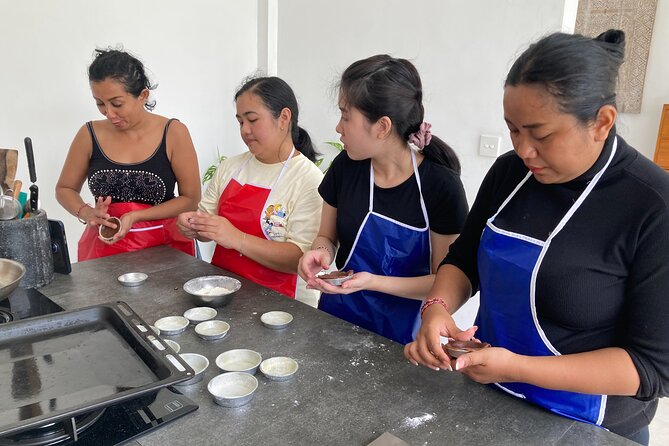
For many people, decorating is where pastry classes feel most rewarding. This workshop specifically includes instruction and practice for shaping and decorating, including piping and layering. And importantly, the coaching seems encouraging, not judgmental.
That encouragement showed up clearly in one of the feedback notes: the teacher encouraged creativity in the way people presented their tarts. That’s a big deal because pastry decoration isn’t only about technique. It’s also about personal style, and a relaxed class environment helps you try without fear.
Here’s what you can realistically hope to gain in two hours:
- A more reliable way to pipe without losing control
- A better sense of layering, so fillings look even and clean
- A simple approach to making your final tart or pastry look “intentional,” not random
If you’re coming with friends, this is also the moment where you’ll have fun. Decorating naturally leads to comparisons and quick smiles, even when you’re all at different skill levels.
Troubleshooting Skills You Can Reuse Later
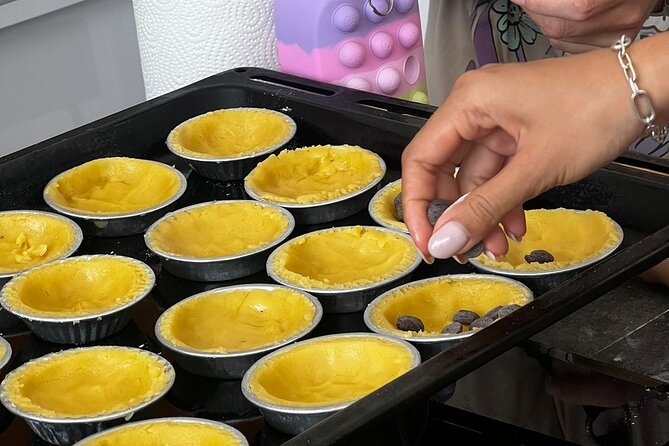
The workshop isn’t only about finishing something pretty. You’ll also cover troubleshooting, which is where pastry classes turn from a one-time activity into a skill you can use again.
You’ll learn common pastry issues and how to avoid them in future attempts. The exact problems can vary depending on what you’re making, but the mindset is valuable either way: watch the texture, check the consistency, and correct early instead of trying to rescue an error at the end.
This is also why the included instruction matters. When you get real-time help, you don’t waste a whole batch learning by frustration. And the teacher’s willingness to share methods is a highlight in the notes, with people appreciating that he shares knowledge freely.
In short: you’ll leave with a mental checklist. Not perfect pastry magic, but enough guidance to handle the next bake more confidently.
What’s Included: Apron, Water, Ingredients, and Take-Home Packaging
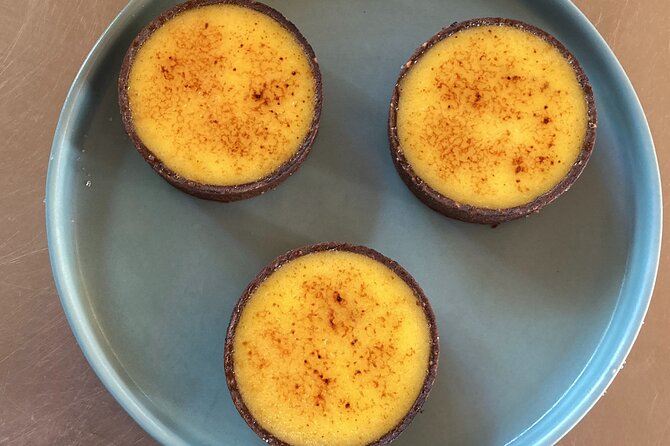
Let’s talk about value, because this is one of those classes where the details actually matter.
What you get included:
- Everything needed to bake and make your creation
- Water provided, including fresh mineral water
- Packaging and an apron
- Ingredients and your cake to eat now or bring home
That “eat now or bring home” part is practical. If you’re hungry after, great. If you want dessert later, you don’t have to improvise with a random container. The packaging is designed for what you’re making.
Also, because transport is not included, you should treat the $35-ish price as instruction plus materials, not a door-to-door service. If you’re already in the Seminyak area, that makes it a straightforward add-on to your day.
Price and Value for $35.26 in Bali
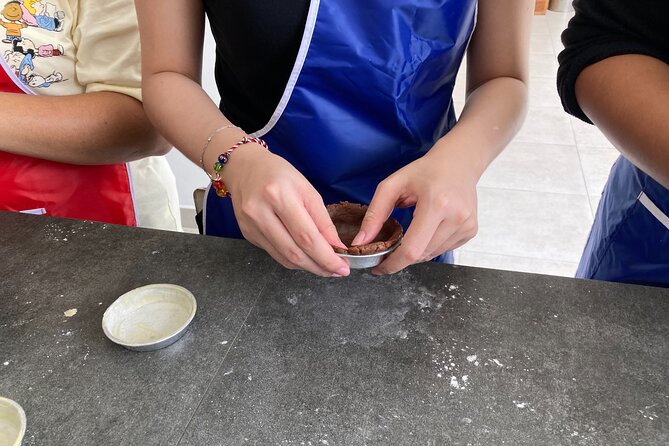
At $35.26 per person, you’re essentially paying for a two-hour, small-group pastry lesson with materials and food included. That’s a solid deal if you compare it to experiences where you only watch, or where ingredients are extra.
The value is strongest if:
- You want real instruction, not a passive demo
- You’d rather learn from a teacher than from a recipe alone
- You want something tangible to take home (and not just a souvenir photo)
Where to be careful: this is a 2-hour class, and it sounds like it’s designed to keep the energy moving. If you’re the type who learns slowly or wants endless practice time, you might find the pacing brisk. That said, the class size and the focus on troubleshooting help you get what you need efficiently.
Who This Class Suits Best
This is a great fit if you’re any of the following:
- A first-time baker who wants a structured introduction
- Someone who bakes sometimes and wants technique and corrections
- A group of friends looking for a fun, hands-on activity in Seminyak
- Anyone who likes pastry, but wants to go beyond eating and into making
It also works well for people who care about presentation. Decorating, piping, and layering are part of the lesson, and the vibe is supportive, which helps you experiment without feeling stuck.
If you want a calm, quiet “learn at your own pace” workshop, this may feel more active. But if you want a rewarding, skill-building session with immediate results, it hits the sweet spot.
Booking Timing, Weather, and Planning Your Day
This experience is typically booked about 33 days in advance on average, so if your schedule is tight, it’s smart to book sooner rather than later.
One more planning reality: it requires good weather. In Bali, that often means rain can affect outdoor plans or how comfortably the day runs. If it gets canceled due to poor weather, you’ll be offered a different date or a full refund, so the risk is managed.
Also, you should plan on handling your own ride since transport isn’t included. The good news is that it’s near public transportation, so you are not totally dependent on a private driver.
Should You Book This Kerobokan Pastry Class?
Yes, I’d book it if you want a real skill-builder in Bali, not just a casual tasting. The best reasons:
- You get hands-on instruction with a small group setup
- You learn pastry fundamentals like dough handling, fillings, creams, and ganache
- You practice decorating with piping and layering, not just assembly
- You leave with your pastry, plus packaging and supplies handled for you
I would think twice if you strongly prefer a slower, longer class. Two hours goes fast, and pastry requires focus. But if you’re ready to work, learn, and finish something you can eat or take home, this is a fun and practical choice.
If you decide to go, go hungry for learning, wear comfy clothes, and treat it like a workshop. The more you ask, the more you’ll get out of it.
FAQ
How long is the adult French pastry and bakery class?
It lasts about 2 hours.
Where does the class meet in Seminyak/Kerobokan?
The meeting point is listed as 85RH+VM8, Kerobokan Kaja, Kuta Utara, Badung Regency, Bali 80117, Indonesia. It also ends back at the meeting point.
What is included in the price?
You get everything needed to bake and make your creation, fresh mineral water, packaging, and an apron, plus ingredients and your cake to eat now or bring home.
Is transport included?
No. Transport is not included, so you’ll need to arrange your own way to the meeting point.
How big are the groups?
The experience has a maximum of 10 travelers. The class is described as having maximum 8 people per lesson for more personalized attention.
Is this class for beginners?
Yes. The class is described as suitable for both beginners and people looking to refine skills, with instruction on basics and technique.
Does the class require good weather?
Yes, it requires good weather. If it’s canceled due to poor weather, you’ll be offered a different date or a full refund.
What’s the cancellation policy?
You can cancel for a full refund up to 24 hours in advance. If you cancel less than 24 hours before the start time, the amount paid is not refunded.
Do I need a mobile ticket?
Yes, it’s listed as having a mobile ticket. Confirmation is received at booking.
Make Something to Take Home
- Balinese Cooking Class in Seminyak
★ 5.0 · 281 reviews - Nia Balinese Cooking Class
★ 5.0 · 202 reviews - Nia Bali Seminyak Cooking Class
★ 5.0 · 127 reviews - Canggu: Surfing lesson with ISA certified instructor
★ 5.0 · 102 reviews
More Tour Reviews in Seminyak
- Bali Full-Day Traditional Village Sightseeing Trip All Inclusive
★ 5.0 · 3,069 reviews - Experts Bali Driver : Best Bali Private Driver for Tour in Bali
★ 5.0 · 1,339 reviews - Bali Hai Sunset Dinner Cruise
★ 5.0 · 1,173 reviews - Mount Batur Sunrise Trekking
★ 5.0 · 947 reviews
Fresh on the Seminyak pages





Workshops, compared.
 ★ 5.0Ubud Cooking Class Bali with Balinese ChefFrom $351,609 reviews
 ★ 5.0Ubud Silver Class Jewelry making in baliFrom $36978 reviews
 ★ 5.0PRIVATE Authentic Balinese Cooking Class in Ubud at Putu’s HomeFrom $75644 reviews
 ★ 5.0Balinese Farm Cooking Class by Pemulan BaliFrom $39410 reviews
 ★ 5.0Learn to cook Indonesian food at Gili Cooking Classes TrawanganFrom $33352 reviews
 ★ 5.0Balinese Cooking Class in SeminyakFrom $66281 reviews
Ubud Monkey Forest Silver Class – Craft Your Own Silver JewelryFrom $41254 reviews
★ 5.0Balinese Cooking Class in SeminyakFrom $66281 reviews
Ubud Monkey Forest Silver Class – Craft Your Own Silver JewelryFrom $41254 reviews
 ★ 5.0Anggrek Putih Lombok Cooking ClassFrom $30253 reviews
More Kuta tours like this one