
Review · BALINESE COOKING CLASSES FROM KUTA
Jambangan Bali Cooking Class
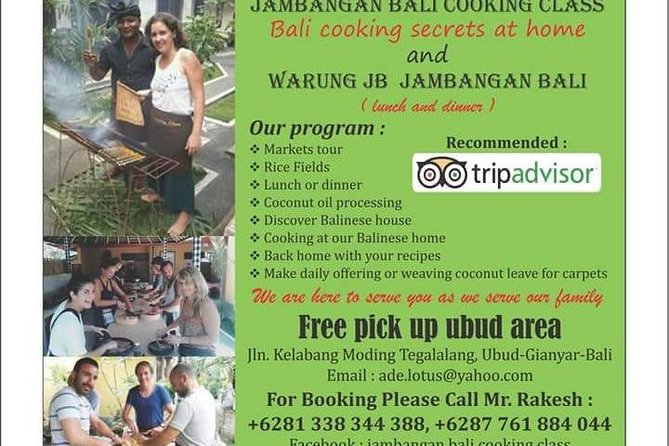
Start your Ubud morning with herbs, spice, and stories. This cooking class pairs hands-on cooking with a peek into Balinese home life, from market shopping to daily Hindu offerings. I love the market selection where you choose the ingredients yourself, and I love that the class happens in an open kitchen at a real home instead of a restaurant. One consideration is timing: if you book the evening option, the market may be closed, and you could get a different stop instead.
You’ll be in a small group, up to 15 people, and the teaching is in English. You can choose a lunch or dinner class, and you’ll get to taste what you make. If you want the full market experience, I’d plan your schedule for the morning slot.
Key things to know before you go

- Market shopping first: You pick herbs, spices, and ingredients before you cook.
- Family home, open kitchen: You learn Balinese cooking in a lived-in setting.
- Hands-on Balinese traditions: Coconut oil processing and simple offering-making are part of the day.
- Daily Hindu offerings: You’ll witness the household daily offering while you’re at the home.
- Rindik bamboo music: You’ll experience a traditional bamboo music moment during the visit.
- Lunch is included: Your class meal is part of the price, and alcohol is not included.
More kitchens that start at the market
- Ubud Cooking Class Bali with Balinese Chef★ 5.0 · 1,609 reviews
- PRIVATE Authentic Balinese Cooking Class in Ubud at Putu’s Home★ 5.0 · 644 reviews
- Balinese Ubud cooking school (9 Dish Cooking and Market Tour)★ 5.0 · 540 reviews
- Balinese Farm Cooking Class by Pemulan Bali★ 5.0 · 410 reviews
A real Balinese cooking class, not just a meal out
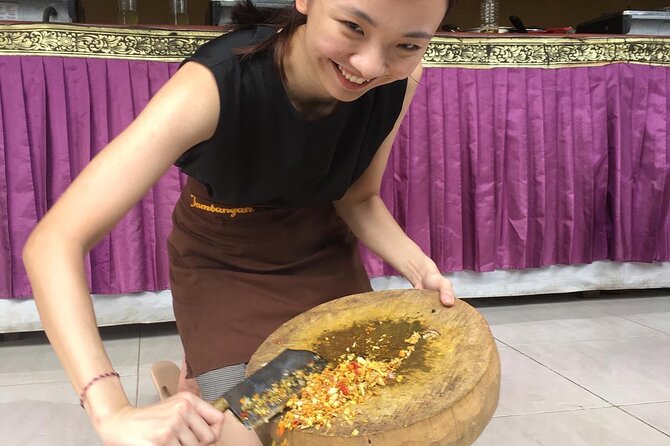
For me, the best part of a cooking class is not the recipe card. It’s the context: why that ingredient matters, how people actually eat and cook at home, and what daily rituals are tied to food. Jambangan Bali Cooking Class is built around that idea, and you feel it from the first stop.
At this class, you’re not just watching someone else work. You’re choosing ingredients, cooking your own dishes, and eating them in a home setting, often in the garden. It’s the kind of experience where you leave with a better understanding of Balinese flavors, not just a full stomach.
The price, about $34 for roughly 5 hours, also makes sense for what you get: market time, multiple hands-on steps, and lunch included. You are paying for access and instruction, and it avoids the trap of a food show where you only get to taste.
Starting at the traditional market: where the flavors begin
Your day begins early at the traditional markets. This is where you get to do the fun part, picking fresh herbs and spices, and selecting your ingredients like the cut of meat and vegetables used in your dishes. It’s a quick crash course in how Balinese cooking thinks about freshness, fragrance, and balance.
One practical benefit of this approach is that you learn ingredient cues you can use later. Instead of only memorizing dish names, you start recognizing what certain spices look and smell like when they are fresh. That matters once you try cooking at home, because substitutions are easier when you know what you were aiming for.
Also, markets are sensory. You’ll see and handle ingredients that most home cooks never buy. Even if you’re the type who usually sticks to a grocery store routine, this is where you can reset your expectations.
Morning is your best bet
If you choose the morning class, you’re more likely to get the full market experience. One review specifically suggested booking morning so you can visit the market, then continue to see the rice paddies and the home setting. For the evening option, be aware there’s at least one reported scenario where the market was closed, and the group shifted to a different plantation and sampling.
So, if market time is a top priority, you’ll likely get the cleanest version of the itinerary by booking earlier.
From market to rice fields: seeing where the food comes from
After the market, you’ll move on to see rice farming activity. You get to witness the daily rhythm of rice paddies and the work behind what ends up on the table. In Bali, food and farming aren’t separate topics, and this stop helps connect cooking to real agriculture.
This part is also a good break from the market intensity. You shift from shopping and smelling to walking and observing. Even if you’re not a photography person, you’ll leave with a better sense of why rice and other local ingredients show up everywhere in Balinese meals.
Other things to make with your hands
Entering a Balinese family home with an open kitchen
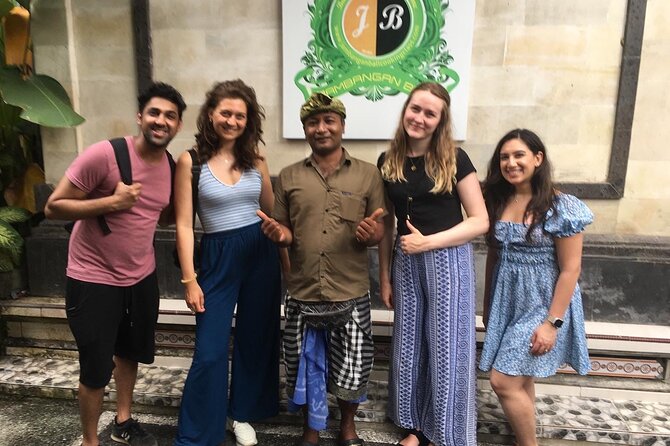
Next comes the welcome into the Balinese house. This is not staged, hotel-lobby style. It’s described as a beautiful home setting, and the class happens in an open kitchen where you can see how people cook and move through the space.
This is where the experience stops feeling like a generic activity and starts feeling like real cultural contact. You get a sense of family life, and the class includes traditional activities at the home as part of the flow. Multiple reviews mention the warmth of the hosts and the home tour feeling personal and generous.
Learn in English, with Balinese chefs who really talk food
The class is conducted in English by Balinese chefs. The descriptions emphasize that the instructors are fully conversant with Balinese cuisine and culture, and reviews back that up with praise for clear explanations. One review even mentioned a sense of humor, which helps when you’re actively cooking and learning at the same time.
If you’ve ever taken a class where the language barrier made everything feel fuzzy, this is worth noting. Here, you’re more likely to get practical answers to your questions while you’re cooking.
Coconut oil processing and the daily offering moment
Balinese cuisine is closely tied to ritual and routine. At the home, you’ll get hands-on exposure to two traditions that help explain the culture behind the food.
First, there’s authentic coconut oil processing. Coconut is a major ingredient in many tropical cuisines, but the process matters. Watching or participating in coconut oil work gives you a stronger understanding of how ingredients move from raw to usable.
Second, you’ll learn how to make a simple offering and you’ll witness the household daily Hindu offering. This is one of those moments where you see that food in Bali is not only for eating. It’s also for respect, rhythm, and daily offerings.
A practical tip: this part is best with a calm attitude. Don’t rush through it like a checkbox. If you can, ask questions about what you’re seeing while you’re doing it. The instructors seem used to explaining the “why,” not only the “what.”
Cooking your menu: you make the dishes, then you eat them
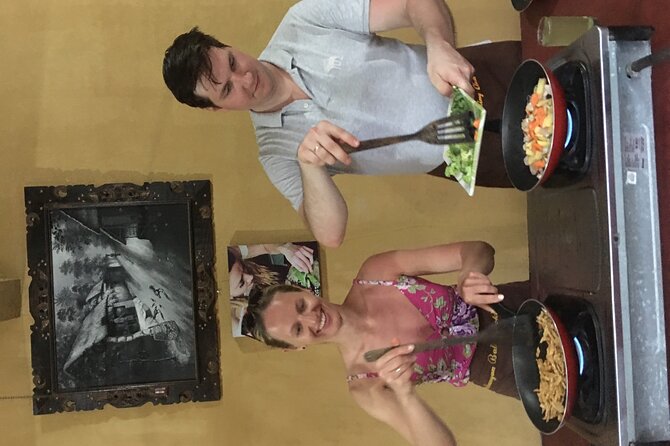
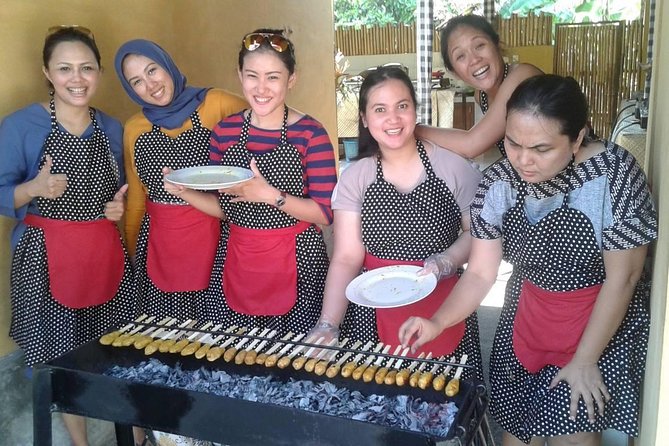
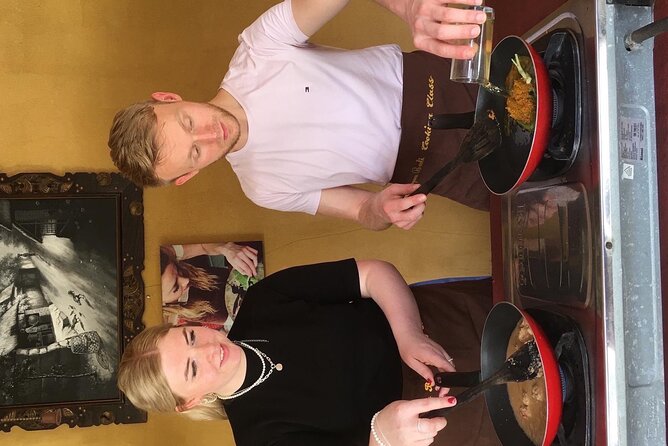
The core of the experience is simple: all the recipes are made by you. That hands-on cooking is the heart of why the class feels valuable.
Depending on the menu that day, you might cook multiple dishes, and at least one review mentions cooking around eight dishes. Even if your exact number varies, the pattern is consistent: you work through ingredients, techniques, and assembly, then you sit down and enjoy what you made.
You’ll savor your lunch in the garden. That garden meal is more than a nice setting. Eating where you cooked helps you connect flavor decisions with results. You’ll remember why a spice got added, or how a sauce changed after tasting.
Dietary needs and substitutions
One review mentioned that a participant had a chicken allergy and the hosts made sure they could cook and eat without problems. That’s a good sign for the overall flexibility of the group. Still, you should treat this as a “ask and confirm” situation when you book, since the specific accommodations aren’t spelled out in the basic tour details.
Alcohol is not included
The included meal is lunch, and alcohol is not included. If you want a drink with your meal, plan to purchase separately.
Rindik bamboo music: a small cultural add-on with real charm
One of the more unique parts of this class is the inclusion of traditional music called rindik, a bamboo-based Balinese music style. You’ll get to experience it during the home activities.
This isn’t just background. It’s scheduled as part of the cultural program around cooking. That makes the class feel like an afternoon in someone’s world, not a factory line of steps.
If you like small cultural moments that don’t require an entire separate ticket, this is a nice bonus.
What the 5-hour format feels like in real life
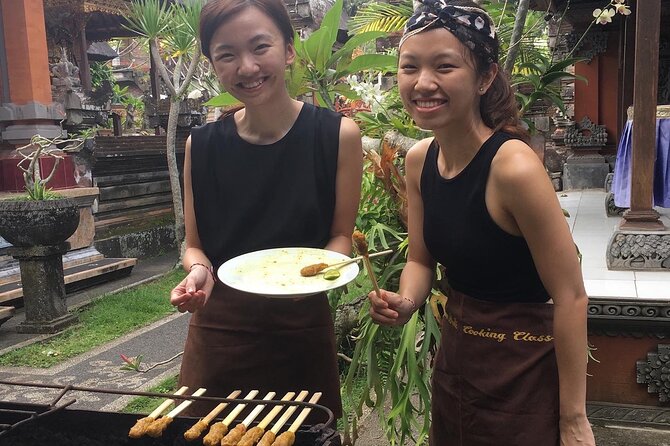
The experience is listed at about 5 hours. In practice, that’s long enough to do real work, not just taste and take photos, but short enough that you’re not wiped out for the rest of the day.
Here’s how the time generally adds up:
- Early market time to select ingredients and get oriented
- Rice farming viewing as a grounding agriculture stop
- Arrival at the home and a tour-like cultural introduction
- Cooking at the open kitchen, likely with multiple dishes
- Eating your meal, typically lunch in the garden
If you’re planning your Ubud day, think of this as a major anchor activity. Don’t schedule something too demanding right before or right after unless your transport plan is solid.
Who this class is best for
This is a strong choice if you want more than restaurant flavors. The class is described as family-friendly and designed for food lovers, and it fits people who enjoy cooking even when they are not “serious cooks.”
You’ll likely enjoy it most if you:
- Love markets and want to shop for ingredients you actually use
- Want cooking plus cultural context in one program
- Prefer small-group instruction (max 15 people)
- Like learning through doing, not just watching
It can also work for couples, since the day is structured and you’ll be busy together. One review called it a favorite thing in Bali experience, with the couple feeling treated like family, which is the kind of vibe that often makes for a great date-day.
Price value: why $34 can feel fair here
At $34 for about 5 hours, the value depends on your travel style. If you normally pay for cooking lessons that are mostly lecture and tasting, this might feel like a steal because you actively cook and then eat.
The market stop matters for value because it changes what you learn. You’re not only getting recipes, you’re seeing the ingredient choices behind them. And the home setting adds cost in a way you can feel: you’re getting access to a family space and daily routines, including offerings and coconut oil processing.
Also, you get lunch included. That alone helps justify the price compared to classes that charge extra for the meal. Just remember alcohol is not included.
One more value point: the classes are taught in English by Balinese chefs, and reviews mention recipe copies at the end. That turns the day into something you can repeat later, even if you simplify steps at home.
Small drawbacks to consider before you book
No class is perfect, and the main considerations here are practical.
1) Market timing can change
If you take an evening class, you might not reach the market if it’s already closed. One reported adjustment was switching to a small plantation stop and sampling teas and coffee, including Luwak. You should treat evening classes as slightly more variable.
2) Good weather matters
The tour notes that it requires good weather. If rain or poor conditions hit, you might be offered a different date or a full refund.
3) Alcohol not included
If you plan on drinking with your meal, you’ll need to budget for it separately.
Should you book Jambangan Bali Cooking Class?
If you want a Ubud experience that feels human, you should strongly consider booking. This is one of those cooking classes where the day is built around hands-on work, ingredient shopping, and real home culture, including daily offerings, coconut oil processing, and rindik music. The small group size and English-led teaching are also major pluses.
I’d book it now if you can schedule for a morning slot, especially if the market stop is a must-do for you. You’ll likely get the most complete version of the day, plus the rice farming viewing and the home cooking without any timing wobble.
Skip it only if you strongly dislike early starts or you know you can’t handle potential adjustments for evening timing or weather. If you’re open to learning by doing and you’re hungry for flavors with context, this one is a great use of your time in Ubud.
FAQ
What is the price and duration of Jambangan Bali Cooking Class?
The price is listed as $34 and the duration is about 5 hours.
Is lunch included, and can I choose between lunch or dinner?
Lunch is included. You can choose between a lunch or dinner class.
What does the class include in terms of food and activities?
You explore a local market to select ingredients, cook the recipes yourself, and then eat your meal. You also experience Balinese home activities like coconut oil processing, making a simple offering, witnessing a daily household offering, and experiencing rindik bamboo music.
Is alcohol included?
No. Alcohol is listed as not included.
Are the classes taught in English?
Yes. The classes are conducted in English by Balinese chefs.
Where do I meet for the tour?
The start meeting point is Warung JB Jambangan Bali, Jln kelabang moding no 713, Kelabang Moding No.713, Tegallalang, Kecamatan Ubud, Kabupaten Gianyar, Bali 80571, Indonesia. The activity ends back at the meeting point.
How many people are in the group?
The experience has a maximum of 15 travelers.
Make Something to Take Home
- Ubud Cooking Class Bali with Balinese Chef
★ 5.0 · 1,609 reviews - Ubud Silver Class Jewelry making in bali
★ 5.0 · 978 reviews - PRIVATE Authentic Balinese Cooking Class in Ubud at Putu’s Home
★ 5.0 · 644 reviews - Balinese Farm Cooking Class by Pemulan Bali
★ 5.0 · 410 reviews
More Tour Reviews in Ubud
- All-Inclusive Ubud Private Tour
★ 5.0 · 14,344 reviews - Best of Ubud Full-Day Tour with Jungle Swing
★ 5.0 · 8,571 reviews - Ubud: Monkey Forest, Jungle Swing, Rice Terrace, and Water Temple
★ 5.0 · 7,160 reviews - Best of Ubud 1-Day Private Tour
★ 5.0 · 4,451 reviews
Cook Another Balinese Lunch
- Ubud Cooking Class Bali with Balinese Chef
★ 5.0 · 1,609 reviews - PRIVATE Authentic Balinese Cooking Class in Ubud at Putu’s Home
★ 5.0 · 644 reviews - Balinese Ubud cooking school (9 Dish Cooking and Market Tour)
★ 5.0 · 540 reviews - Balinese Farm Cooking Class by Pemulan Bali
★ 5.0 · 410 reviews
Fresh on the Ubud pages




Balinese Cooking Classes from Kuta, compared.
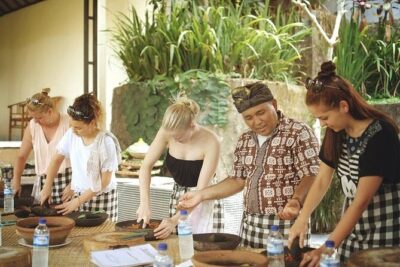 ★ 5.0Ubud Cooking Class Bali with Balinese ChefFrom $351,609 reviews
 ★ 5.0PRIVATE Authentic Balinese Cooking Class in Ubud at Putu’s HomeFrom $75644 reviews
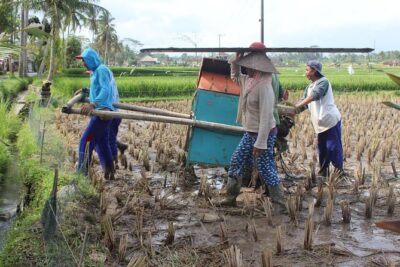 ★ 5.0Balinese Ubud cooking school (9 Dish Cooking and Market Tour)From $58540 reviews
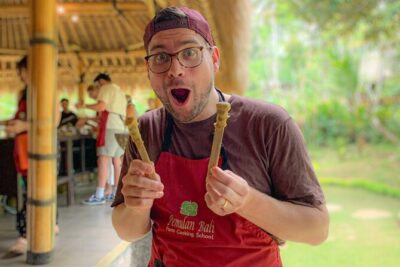 ★ 5.0Balinese Farm Cooking Class by Pemulan BaliFrom $39410 reviews
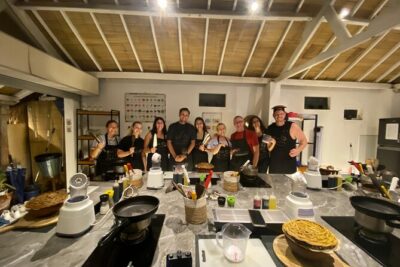 ★ 5.0Learn to cook Indonesian food at Gili Cooking Classes TrawanganFrom $33352 reviews
 ★ 5.0Balinese Cooking Class in SeminyakFrom $66281 reviews
 ★ 5.0Anggrek Putih Lombok Cooking ClassFrom $30253 reviews
 ★ 5.0Balinese Authentic Cooking Class in UbudFrom $39239 reviews
More Kuta tours like this one