

Review · BALI HOT SPRING SOAKS FROM KUTA
Explore Mount Rinjani To Summit, Lake & Hot Spring (3D 2N)
High altitude, hot springs, and a big crater lake.
This 3D 2N Mount Rinjani route is built around the classic volcano rhythm: climb to the crater area for sunset, push to the summit for sunrise, then descend for a crater lake lunch and a quick soak in the hot springs before you work your way back for another sunset. You also get a waterfall stop at Sendang Gile and Tiu Kelep, which breaks up the trek with something cooler, greener, and loud with water.
I especially like how Dhy n s Rinjani Hiking keeps the operation tight. Guides are English speaking, and the group gets clear briefing plus a medical check before you go, which matters a lot on a route like this. I also like that the package is practical, not just marketing, with porters carrying cooking gear and camping equipment so you can focus on your own pack and steps.
One drawback to flag up front: this programme is designed especially for experienced trekkers, with a fitness requirement. If you are new to steep mountain hiking, or you hate early starts and cold summit mornings, you’ll likely feel it more than you’d like. Also, some key items and costs are not included, like entrance fee and things like a headlamp.
Key highlights you should care about

- Sunrise summit plan with a crater lake lunch: sunrise on top, then down to the lake area for food and a soak
- Hot springs included in the schedule: quick but memorable recovery after the hardest hours
- Waterfall stop at Sendang Gile and Tiu Kelep: a refreshing change from volcanic terrain
- Porters carry the heavy camp setup: you get a staffed trek, not a do it yourself mission
- Clear briefing and medical check before the hike: a calmer start when weather and altitude can be unpredictable
- Rubbish control focus: one team member detail that shows up in reviews, they help clean as they go
Other springs up in the highlands
- 3D-2N Explore Mount Rinjani – Summit -Lake and Hotspring★ 5.0 · 112 reviews
- Explore Mount Rinjani To Summit, Lake & Hot Spring (3D 2N)★ 5.0 · 19 reviews
- Mount Rinjani 3D2N Private Trek – Summit, Crater Rim & Hot Spring★ 5.0 · 13 reviews
Entering the Senaru starting point, and what it means for your trek

Most Rinjani trekkers end up thinking about two things early on: where you start, and how smoothly the first day goes. This trek meets at the Dhy n s Rinjani Hiking office in Senaru, in North Lombok (Bayan area). The location is described as near public transportation, which is useful if you are not arranging private car service all the way to the trailhead.
The biggest practical win here is that you are not just handed a ticket and wished luck. The team supports you with logistics for the trek days, and you also have luggage storage available at the hiking office. That sounds small, but it can make your day feel less chaotic, especially if you arrive with extra bags.
Because pick up before and transfers after are not included, you’ll want to plan your own arrival and departure timing around the meeting point in Senaru. If you are staying in the Senaru area already, great. If you are elsewhere on Lombok, you may need to budget time to get to the office.
The 3D 2N schedule in plain words, from waterfall to summit
This is a three day, two night trek with a loop-style flow around the crater area. The overall theme is clear: you climb hard, you time the big views (sunset and sunrise), you refuel at the crater lake, then you finish with a descent back to Senaru.
Here is how it typically breaks down, based on the route description and what you are told to expect.
Day 1: Sendang Gile and Tiu Kelep waterfalls, then up toward crater sunset
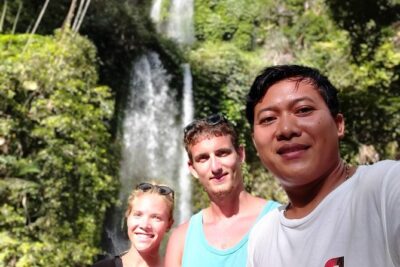
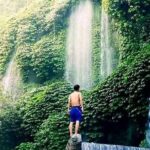
The day starts with Stop 1: Sendang Gile and Tiu Kelep Waterfall. For a lot of people, this is the mental reset. You go from “touristy photos” to real hiking, but you also get a tangible reward early, water pounding through the landscape and a chance to cool off before the volcanic climb takes over.
After the waterfall stop, you continue trekking toward the crater rim area. The goal on day one is to watch the sunset from up high. That matters because it sets the emotional tone: you’ll feel like you are already inside the volcano story before the summit push.
What to consider: waterfall paths can be slippery. If you don’t like mud underfoot, slow down here. Also, your body may still be warming up. Don’t go fast on day one just because the trail feels easier than you expected.
Day 2: Summit sunrise, crater lake lunch, hot springs, then a second sunset climb
Day two is the heart of the whole trip. The plan is to climb to the summit for sunrise, then descend to the crater area for lunch by the lake. After that, you get to enjoy the hot springs for a few minutes.
That “few minutes” detail matters. Hot springs are not a spa day here, they are more like a quick reset for tired legs and stiff muscles. Still, after the steep hours earlier, even a short soak can feel like someone quietly turned down the pain dial.
Then you climb back up to the other side of the crater to catch sunset. This second sunset is a bonus that many shorter Rinjani options skip. It also adds another block of ascent work, so plan to pace yourself on the descent and recovery parts, not just on the big climb.
One honest reality check: you will likely feel the altitude and the cold if the timing aligns that way. This is why the programme is described as for experienced trekkers and people with solid fitness and mountain climb experience. If that’s you, you’ll appreciate the rhythm. If it’s not, the day can feel relentless.
Other crossings to Lombok and the Gilis
Day 3: Descend back to Senaru, around 4 to 5 hours
The final morning is focused on getting back down. You have 4 to 5 hours to climb back down to Senaru, which is relatively straightforward compared with summit hours, but still not “easy.” Descents can be rough on knees and ankles, so take your time, especially on uneven volcanic ground.
Once you reach Senaru, the activity ends back at the meeting point. In other words, you’re not left guessing where the trek officially finishes.
What makes Sendang Gile and Tiu Kelep worth the stop
Waterfalls can feel like a random add-on on a volcano trek, but here the stop actually does two useful jobs.
First, it gives you a softer, more natural change of scenery. That sounds obvious, yet on multi-day mountain trips, scenery breaks help you stay sane.
Second, it gives you a chance to test your footing early. If you notice your shoes slipping on wet rock at the waterfall, you’ll know to go slower later. If you feel comfortable and stable, it builds confidence for the steeper sections.
Just remember, the waterfall area is not where you should try to “make up time.” Smooth and steady beats fast and tired, especially before day two.
Guides and porters, and the human details that shape the experience

This trek is carried by people, not gear. And the team behind it shows up in reviews with real names, which is a good sign that they care about matching you to the right guide and crew.
You’ll travel with an experienced English speaking guide, and you’ll likely meet different members across groups. Reviews mention guides like Ali, Lim, Deni, and Adi. You may also see porters referenced by name, including Dadung, Sli, and Wan.
What I find especially valuable is the “team seriousness” angle. One review notes medical check before the hike, clear briefing, and guides who take the plan seriously. Another highlights how the food is cooked well and stays varied, not just repetitive trekking meals.
Then there’s the porter setup: the included trekking porters carry the cooking gear and camping equipment. You get tent and camp basics, plus sleeping bags and sleeping pads (mattress), pillow, and even a chair. Toilet tent and paper are included too, which sounds basic until you’re on a mountain at night and realize how much it matters.
Finally, I really appreciate the environmental habit mentioned in reviews: no rubbish left behind, with bags filled each day to help clean the mountain. That’s not a detail you should ignore. It’s the kind of discipline that keeps a trek from feeling wasteful.
Price check: is $180 per person good value here?

At $180 per person, this trek looks like a reasonable budget for a supported summit route. The key is what’s included, because “price” can be misleading on Rinjani.
What you get for the money (from the package details):
- An English speaking guide
- Trekking porters carrying cooking gear and camping equipment
- Food and drinking water (3 litre mineral water per day per person)
- Camping gear like tents, sleeping bags, mattress, pillow, and chair
- A toilet tent and paper
- Luggage storage at the hiking office
What you do not get:
- Entrance fee for Mount Rinjani, listed as IDR 610,000 per person
- Pick up before and transfers after the trek
- Key gear like head lamp/hand torch and your daily pack, plus trekking shoes, rain jacket, long pants, and gloves
- Tips for guide and porters
- An extra porter for your own luggage (if you need that)
So, yes, the $180 is not just “a guide fee.” It’s covering a lot of logistics that reduce hassle and physical strain. But you still need to budget for what you bring, entrance fees, and getting to Senaru on time.
Gear and prep: what to bring so day two does not beat you

The package is clear about what is not included. You should treat these items as non negotiable for comfort and safety, especially on a summit plan.
Bring:
- Head lamp or hand torch (not included)
- Your trekking shoes
- Rain jacket
- Long pants
- Gloves
Also, the listing mentions daily pack is not included. Even if you already own a pack, make sure it fits your planned water and extra layers. Summit mornings often mean cold air and lower comfort if you are underdressed.
If you tend to get tired on steep routes, make sure your feet and hands are ready. Gloves help with grip and cold. A headlamp helps you move confidently in low light.
And because this is designed for experienced trekkers, be honest with yourself about your fitness level. If you do mountain hikes regularly, you’ll probably find the plan manageable. If you mostly do flat day walks, I’d think twice.
Weather and the plan, including how you handle cancellations

This trek requires good weather. If the experience is cancelled due to poor weather, you are offered a different date or a full refund. That’s important because on volcano routes, conditions can change quickly, and safety comes first.
The best way to use this information: travel with flexibility in mind. If your schedule is locked to one specific date, you might feel stress if weather forces a change.
Who this trek fits best, and who should choose differently

This programme is designed especially for experienced trekkers. That is not marketing fluff, it’s a warning label about effort level and the mountain skills needed to handle a summit plan.
You’ll likely love it if you:
- Are comfortable with steep hiking and early starts
- Have done multiple mountain climbs before
- Want the full package, sunrise summit plus crater lake plus hot springs
- Appreciate a well run group with a serious guide team, clear briefing, and real logistics
You might want a different option if you:
- Are brand new to mountain trekking
- Know you struggle with altitude, cold mornings, or long descents
- Can’t handle a physically demanding schedule
Also, since this is described as private with only your group participating, it can suit couples and small groups who want consistency in pacing and communication.
Should you book Dhyns Rinjani Hiking for this summit trek?
I’d book it if your goal is a serious Mount Rinjani experience with real support. The biggest selling points for me are the structured plan (sunset, sunrise, crater lake lunch, hot springs), the practical included gear and water, and the team vibe described through names like Dhyns with guides including Ali, Lim, Deni, and Adi.
Book it with eyes open if you are not an experienced trekker. This is not a gentle sightseeing walk. You need fitness, you need the right gear like a headlamp and proper shoes, and you need to plan your arrival to Senaru since pickup and transfers are not included.
If you want the chance to see a crater lake from close range, soak briefly in hot springs after summit work, and do it with a crew that seems to take organization and trail care seriously, this is a strong choice.
FAQ
What does the 3D 2N Mount Rinjani trek include?
It includes an English speaking guide, trekking porters who carry cooking gear and camping equipment, food and drinking water (3 litre mineral water per day per person), and camping gear such as tents, toilet tent and paper, sleeping bags, mattress, pillow, and chair. Luggage storage is available at the hiking office.
What is the main route focus during the trek?
You climb to the crater area for sunset, continue to the summit for sunrise, then descend to the lake for lunch and a short hot springs soak. After lunch and the soak, you climb up again to the other side of the crater for sunset, then descend back to Senaru the next morning.
Is there a waterfall stop on this trek?
Yes. The itinerary lists a stop at Sendang Gile and Tiu Kelep Waterfall.
What is not included in the price?
Not included items and costs include head lamp or hand torch, daily pack, trekking shoes, rain jacket, long pants, gloves, extra porter for personal luggage, tips for the guide and porters, pick up before and transfers after the trek, and the Mount Rinjani entrance fee.
How much is the entrance fee?
The entrance fee is listed as IDR 610,000 per person.
Where does the trek start and end?
It starts at the Dhy n s Rinjani Hiking – Trekking Tour Organizer office in Senaru, Bayan, North Lombok. It ends back at the meeting point.
Is this trek private?
Yes. It is listed as a private tour or activity, with only your group participating.
How much time do you have on the final day to get back down?
On the last morning, you have about 4 to 5 hours to climb back down to Senaru.
Do I need good weather for the trek to run?
Yes. The experience requires good weather. If it’s cancelled due to poor weather, you are offered a different date or a full refund.
More Tour Reviews in Lombok
- Tetebatu Walking Tour – Rice Terraces, Waterfall & Monkey Forest
★ 5.0 · 349 reviews - Anggrek Putih Lombok Cooking Class
★ 5.0 · 253 reviews - Day Trip 5 Secret Gilis : Layar, Rengit, Nanggu, Tangkong, Kedis
★ 5.0 · 192 reviews - 2D1N Senaru Crater Rim Trekking
★ 5.0 · 178 reviews
Across to Lombok
- Anggrek Putih Lombok Cooking Class
★ 5.0 · 253 reviews - Day Trip Gili Trawangan, Gili Meno, Gili Air (Depart Lombok)
★ 5.0 · 167 reviews - Lombok Private Customize Tour
★ 4.5 · 144 reviews - Mount Rinjani 2 Days 1 Night Senaru Crater Rim
★ 5.0 · 131 reviews
Springs in the Highlands
- 3D-2N Explore Mount Rinjani – Summit -Lake and Hotspring
★ 5.0 · 112 reviews - 3D/2N Rinjani trekking summit,lake and hot springs.
★ 5.0 · 85 reviews - Mount Rinjani 3D2N Private Trek – Summit, Crater Rim & Hot Spring
★ 5.0 · 13 reviews
Fresh on the Lombok pages

Bali Hot Spring Soaks from Kuta, compared.
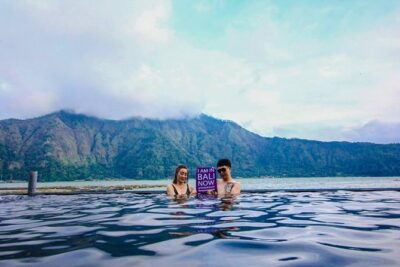 ★ 5.0Mount Batur Sunrise Hike and Natural Hot Spring OptionFrom $331,927 reviews
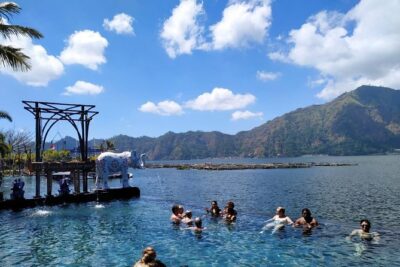 ★ 5.0Ubud Hot Springs and Waterfall Private Guided TourFrom $18719 reviews
 ★ 5.0Mount Batur Jeep Tour and Hot SpringFrom $24524 reviews
 ★ 5.0Mt Batur Sunrise, Breakfast & Natural Hot SpringsFrom $20458 reviews
 ★ 5.0Private Tour Mount Batur Sunrise Trekking and Natural Hot SpringFrom $63431 reviews
 ★ 5.0Mount Batur Sunrise Hike, Breakfast & Hot SpringFrom $24316 reviews
 ★ 5.0Mount Batur Sunrise Jeep Tour with Natural Hot SpringFrom $48114 reviews
 ★ 5.03D-2N Explore Mount Rinjani – Summit -Lake and HotspringFrom $235112 reviews
More Kuta tours like this one