
Review · BALI HOT SPRING SOAKS FROM KUTA
3D-2N Explore Mount Rinjani – Summit -Lake and Hotspring
Cold starts, big views, solid help.
This 3-day, 2-night Mount Rinjani trek appeals because you do not have to manage the heavy logistics. You stay in Senaru on both nights with camping gear included, and you hike with a mountain guide and porter so you do not need to carry cooking equipment or water. The second thing I like is the clear summit timing, waking around 2:00 am and aiming to reach the summit close to 6:00 am for sunrise. One drawback to consider: the schedule is intense, and since it is a shared-style group up to 10 people, you should expect some level of team mixing and coordination depending on who is on the trek.
If you are the kind of traveler who likes tangible effort for real payoff, Rinjani is that trip. And if you prefer a smooth, highly organized experience, you should double-check the plan with the operator before you go, especially if you are booking in peak season or with a small party.
Key points to know before you go
- Senaru sleep, included camping gear on both nights, so you can focus on the trail instead of setups
- Guide and porter support means you do not carry cooking gear or water, which reduces strain
- Early summit push starts around 2:00 am, with the summit hit around 6:00 am for sunrise timing
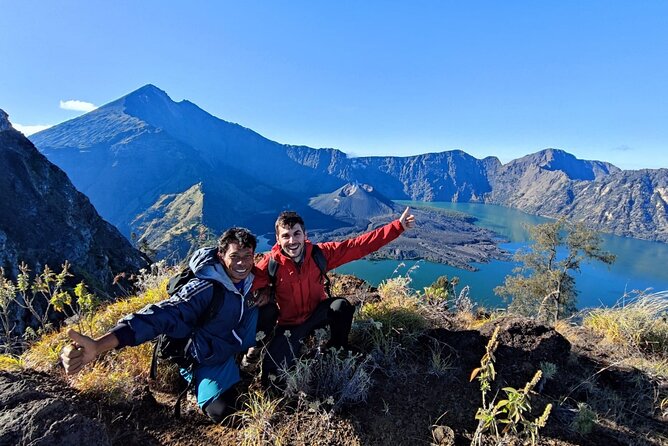
- Lake Segara Anak is on the route, plus the wider crater region of Sembalun
- Small groups with a maximum of 10 travelers, and this is described as private with small groups welcome
- Track record is strong, with a 4.9 rating and 99% recommendation rate across many reviews
Other springs up in the highlands
- 3D-2N Explore Mount Rinjani – Summit -Lake and Hotspring★ 5.0 · 112 reviews
- Explore Mount Rinjani To Summit, Lake & Hot Spring (3D 2N)★ 5.0 · 19 reviews
- Mount Rinjani 3D2N Private Trek – Summit, Crater Rim & Hot Spring★ 5.0 · 13 reviews
Staying in Senaru and Why the Night Camp Matters
Senaru is the rhythm-maker for this trek. You sleep there both nights, not just once, which helps you avoid the “one-night only, then you’re dropped back out of the valley” feeling. That matters because Rinjani is exhausting in a slow-burn way. Even when your legs are okay, your brain needs rest after cold mornings, steep steps, and long downhills.
Another value point is that camping equipment is provided. That is one of those details that sounds small until you do the math on what it would cost and weigh if you had to source it yourself. Here, the trip is built so you can show up and start hiking, instead of building a gear checklist the size of a spreadsheet.
Also, the tour includes permits and insurance in the cost. For a big volcano trek like this, that gives you a little peace of mind. You are still taking on real risk and real weather exposure, but you are not dealing with paperwork before you leave.
Price and Logistics for a 3-Day Rinjani Trek at $235
At $235 per person for about 3 days, this trek sits in the “serious adventure, but not premium-custom” category. What makes it feel like decent value is the inclusion of major moving parts: camping equipment, guides and porters, and coverage for permits and insurance.
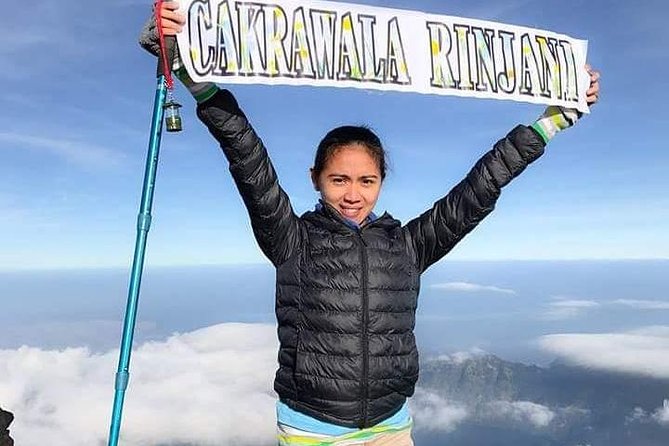
You also get some practical support options. Pickup is offered, and the start time is 7:00 am at Cakrawala Rinjani Trekking in Senaru. The trek ends back at the meeting point, so you do not have to figure out your own return logistics after a long day.
One more logistics note: this is a maximum 10 travelers setup. Smaller groups usually help with pacing and decision-making, especially when conditions are slow or visibility drops. But any shared scheduling around peak season can still create coordination friction, so it is smart to ask how the team is formed when you book.
Day 1: Entering Mount Rinjani National Park from Senaru via Sembalun
Day 1 is about getting into the Mount Rinjani National Park zone and positioning yourself for the summit attempt. The route is described as starting from Sembalun and going toward the crater rim, then continuing through the broader Rinjani circuit that brings you back down to Senaru.
Even though the day count is short, this is where you build your trekking legs. Expect a long travel and walking day, with the focus on moving efficiently and not burning out early. With a guide and porter team, you are not carrying cooking gear or water, but you still need to manage your own effort. The biggest mistake people make on summit treks is going out too fast on day 1 because they feel good at the start.
A good way to think about day 1: it is the foundation day. You are not just “getting there.” You are training your body to handle altitude and time on your feet so day 2 does not feel like an impossible jump.
Day 2: The 2:00 am Wake-Up, Summit Target Around 6:00 am
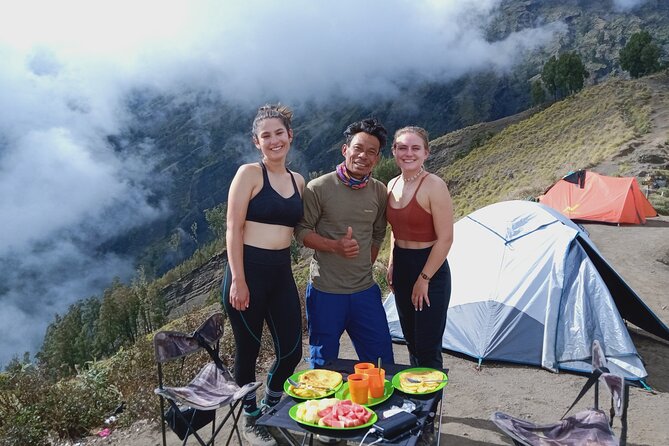
Day 2 is the headline day. You wake up around 2:00 am under the cover of darkness with a hot drink and a light breakfast. Then you start heading to the summit.
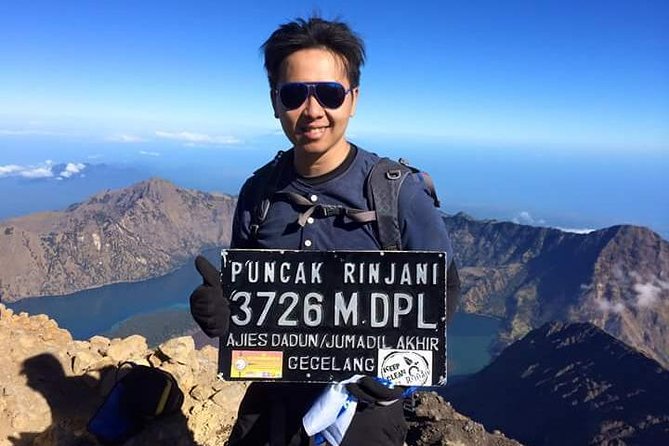
The plan is to reach the summit around 6:00 am at 3,726 m, with a sunrise payoff. That timing is a big deal. It means the trek is not a vague “we might get there” summit. You have a defined window, which helps you mentally pace and pack your energy for the climb.
This is also where you feel the cold most. Even if the sun is still hours away, you are moving hard in low temperatures, and that changes how your body feels during climbs. Since you start early, I recommend layering in a way you can adjust on the move, and keeping your head warm. You also want to be ready for how quickly conditions can change near a summit, with wind and cloud cover.
The trip duration is described as about 9 hours for day 2, so plan for a long day even when you are focused on one goal. Once you reach a summit, you still need to manage the descent and the next part of your day.
Other crossings to Lombok and the Gilis
Where Lake Segara Anak and the Sembalun Crater Fit In
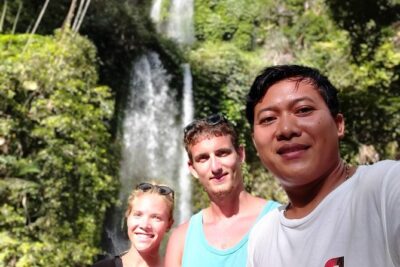
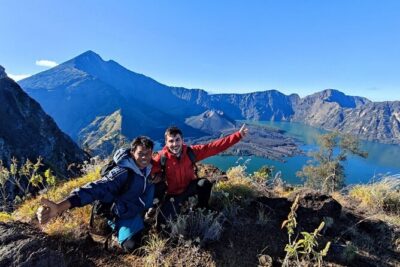
This trek is sold as a 3D-2N package that includes Lake Segara Anak and the Sembalun volcanic crater region. The details here are spread across the multi-day route, not limited to a single line item per day.
For you, that means the experience is not only “up and down.” You also get the chance to see Rinjani’s inside-the-caldera scenery. Lake Segara Anak is a signature sight on Rinjani, and it changes the feel of the trek. Instead of only thinking about altitude and weather, you can shift to wide-open crater views and the quieter drama of water at high elevation.
One practical consideration: lake and crater areas can mean more dramatic light shifts and weather exposure. If fog rolls in, visibility can drop fast. If it clears, the views can feel almost unfair in how good they are for the effort it takes to reach them. Either way, this is one of the reasons the trek is memorable beyond the summit photo.
A note on the hotspring
Your tour title mentions a hotspring. The info provided here confirms the lake route, but does not give a specific hotspring stop description or timing. If hotspring access is important to you, ask the operator to spell out when that part happens and whether it is included as a guaranteed stop or weather-dependent.
Day 3: Rainforest Descent Back to Senaru, and a Possible Black Monkey
Day 3 starts with breakfast with a beautiful sunrise, then you descend to Senaru village through rainforest. The walk can take about 5 hours, and you should expect lunch along the way.
This day is the payoff for enduring day 2. After summit effort, the body often feels stiff and heavy on the way down. Rainforest terrain can be slick, and the shift from open crater feel to shaded forest feel changes your footing and breathing. This is not the day to chase speed. You want controlled steps so you finish strong and not sore in the worst way.
There is also a wildlife bonus if conditions line up: you can be lucky enough to see a rare black monkey. The “if you’re lucky” matters here. Don’t plan your whole day around it. But if you do catch a glimpse, it adds a layer of life to what is otherwise a mostly volcanic, high-altitude experience.
Because you return to Senaru for the end of the trek, day 3 has a natural emotional arc: you go from high, harsh altitude back into greenery and community life. That swing is part of what makes the itinerary satisfying.
The Guide and Porter System, and How It Affects Your Experience
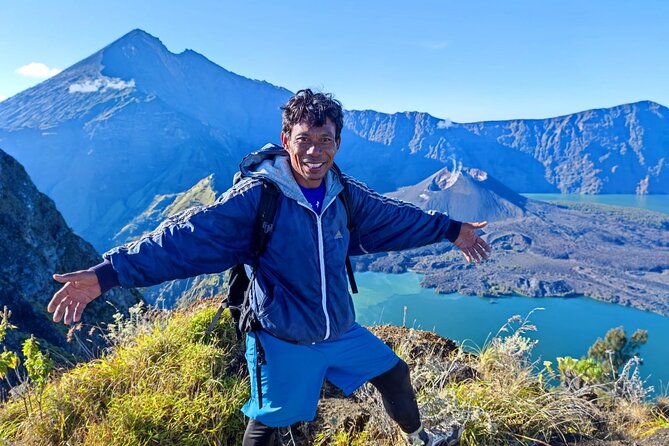
One of the strongest parts of this tour is the support structure. You hike with a mountain guide and porter, and the package says you do not need to carry cooking equipment or water. That changes the whole feel of the trek.
Without hauling cooking gear, you save energy for walking. Without hauling water, you avoid a common fatigue trap on long hikes. It also means the pace is more realistic for a wider range of trekkers with moderate physical fitness.
At the same time, you are still doing real hiking and scrambling. The itinerary is described for travelers with moderate physical fitness, but you should assume the summit day will feel demanding. The guide matters, not just for safety, but for how you move on steep stretches and adjust when conditions change.
Group size, private style, and the one real caution I’d take
This is described as a private tour with small groups welcome, and the maximum is 10 travelers. That sounds comforting, and for most people it is. It also reduces the chance of being stuck waiting for a large, slow-moving crowd.
However, one possible drawback that shows up in the overall feedback is disorganization or confusion with how groups are combined, especially in busier periods. The response from the provider suggests they sometimes struggle to organize enough groups at the paid rate, which can lead to operational quirks.
So here is what you can do to protect yourself. Before you pay, ask the operator a simple question: How many groups will you combine on the trail, and how will guides be assigned? If they answer clearly, you reduce the risk of a messy experience. If they give vague answers, that is a sign to slow down and confirm expectations.
Who This Trek Is Best For (and Who Should Skip It)
You should strongly consider this tour if you:
- Want a structured 3D-2N Mount Rinjani summit trek with a clear early-morning plan
- Like the idea of staying in Senaru both nights, with camping gear already handled
- Prefer to hike without carrying cooking equipment or water
- Are comfortable with a physically demanding hike and you can handle cold starts
You might think twice if you:
- Hate very early mornings and long summit-day walking
- Need a perfectly rigid, never-changing schedule with zero coordination issues
- Want detailed, guaranteed time for a hotspring stop, since the provided info does not confirm timing
Should You Book This Mount Rinjani 3D-2N Summit and Lake Trek?
If you want the classic Mount Rinjani experience, this one makes sense. You get a real summit attempt timed for sunrise, plus Lake Segara Anak and crater-region scenery, all while sleeping in Senaru with camping gear included. At $235, the value is strongest because the big-ticket logistics are handled: guides, porters, permits, and insurance.
My main condition for recommending it is your comfort with intensity. Day 2 starts around 2:00 am, and you should expect a long, demanding day. If that fits your style and fitness, this trek can deliver the kind of achievement feeling you remember later.
If hotspring time is a must-have for you, ask the operator for specifics before booking. Otherwise, you are choosing a route built around summit timing, lake scenery, and a guided, porter-supported hike that keeps you focused on the mountain.
FAQ
How long is the Mount Rinjani 3D-2N trek?
The tour is listed as about 3 days.
When does the tour start, and where does it end?
It starts at 7:00 am at Cakrawala Rinjani Trekking in Senaru, and it ends back at the same meeting point.
What is included in the price for this trek?
The tour cost covers permits and insurance, and camping equipment is provided. Pickup is also offered.
Do I need to carry cooking equipment or water?
No. The trek includes a mountain guide and porter, and you do not need to carry your cooking equipment or water.
How big are the groups?
The maximum group size is 10 travelers.
What happens if weather is poor?
This experience requires good weather. If it is canceled due to poor weather, you are offered a different date or a full refund.
More Tour Reviews in Lombok
- Tetebatu Walking Tour – Rice Terraces, Waterfall & Monkey Forest
★ 5.0 · 349 reviews - Anggrek Putih Lombok Cooking Class
★ 5.0 · 253 reviews - Day Trip 5 Secret Gilis : Layar, Rengit, Nanggu, Tangkong, Kedis
★ 5.0 · 192 reviews - 2D1N Senaru Crater Rim Trekking
★ 5.0 · 178 reviews
Across to Lombok
- Anggrek Putih Lombok Cooking Class
★ 5.0 · 253 reviews - Day Trip Gili Trawangan, Gili Meno, Gili Air (Depart Lombok)
★ 5.0 · 167 reviews - Lombok Private Customize Tour
★ 4.5 · 144 reviews - Mount Rinjani 2 Days 1 Night Senaru Crater Rim
★ 5.0 · 131 reviews
Springs in the Highlands
- 3D/2N Rinjani trekking summit,lake and hot springs.
★ 5.0 · 85 reviews - Explore Mount Rinjani To Summit, Lake & Hot Spring (3D 2N)
★ 5.0 · 19 reviews - Mount Rinjani 3D2N Private Trek – Summit, Crater Rim & Hot Spring
★ 5.0 · 13 reviews
Fresh on the Lombok pages
Bali Hot Spring Soaks from Kuta, compared.
 ★ 5.0Mount Batur Sunrise Hike and Natural Hot Spring OptionFrom $331,927 reviews
 ★ 5.0Ubud Hot Springs and Waterfall Private Guided TourFrom $18719 reviews
 ★ 5.0Mount Batur Jeep Tour and Hot SpringFrom $24524 reviews
 ★ 5.0Mt Batur Sunrise, Breakfast & Natural Hot SpringsFrom $20458 reviews
 ★ 5.0Private Tour Mount Batur Sunrise Trekking and Natural Hot SpringFrom $63431 reviews
 ★ 5.0Mount Batur Sunrise Hike, Breakfast & Hot SpringFrom $24316 reviews
 ★ 5.0Mount Batur Sunrise Jeep Tour with Natural Hot SpringFrom $48114 reviews
 ★ 5.0Ubud Volcano Lake and Natural Hot Spring TourFrom $35101 reviews
More Kuta tours like this one