
Review · BALINESE COOKING CLASSES FROM KUTA
Bali Cooking Class with Culture Experience
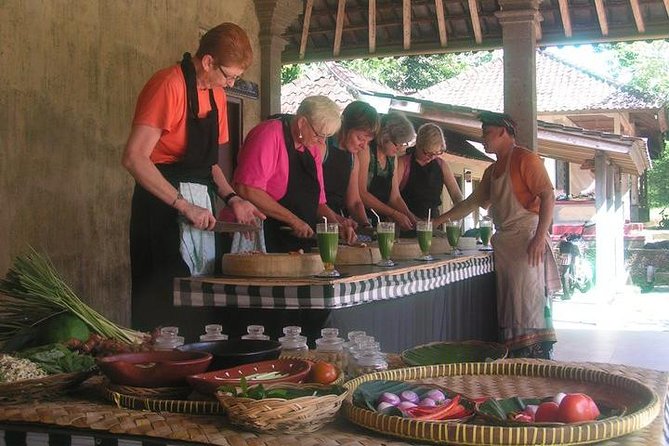
Bali cooking here starts with the market. It is a small-group Ubud morning (about 6 hours) that mixes real Balinese flavor learning with a look at daily life at a family compound. I love how the experience pairs ingredient shopping with hands-on cooking, and I love that you eat what you make, then leave with an illustrated booklet for at-home results. One thing to consider is that the start time is early, so you will want to be ready for a 7:30 am departure.
You begin with a guided market visit and ingredient shopping, then settle in for coffee or tea and pisang goreng (banana fritters). After that comes the cooking pavilion and a full menu you prepare yourself, finishing with dessert and a gratitude ritual after the meal. The big catch is simple: you are paying for a guided experience, not just food. If you want only a quick taste without any cooking or culture talk, this one may feel like more work than you expected.
Key Highlights You Will Care About
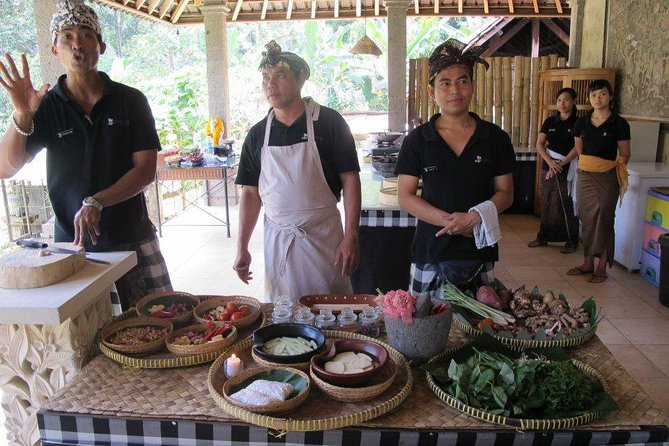
- A true morning market stop where fresh herbs, spices, fruits, and vegetables are explained before you shop
- Dewa’s welcome snack with hot coffee or tea (or mineral water) plus pisang goreng to get you started
- A full menu you cook, not just one dish, including appetizer, multiple entrees, sides, and dessert
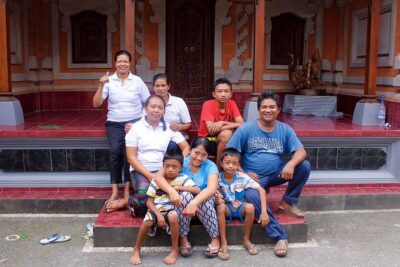
- A family compound setting that adds context about home shrines and everyday Balinese life
- Take-home instructions you can actually use, with an illustrated booklet for menu, recipes, directions, and tips
- Limited group size (up to 12) so you are not lost in a crowd
More kitchens that start at the market
- Ubud Cooking Class Bali with Balinese Chef★ 5.0 · 1,609 reviews
- PRIVATE Authentic Balinese Cooking Class in Ubud at Putu’s Home★ 5.0 · 644 reviews
- Balinese Ubud cooking school (9 Dish Cooking and Market Tour)★ 5.0 · 540 reviews
- Balinese Farm Cooking Class by Pemulan Bali★ 5.0 · 410 reviews
Ubud Morning at 7:30 am: Why the Timing Works
This is built as a proper morning experience, starting at 7:30 am and running about 6 hours. That timing matters in Bali cooking classes because the ingredients and the pace feel less rushed early in the day. You are also less likely to feel cooked yourself before the real work begins, which is a nice bonus when you are walking through market stalls and handling fresh produce.
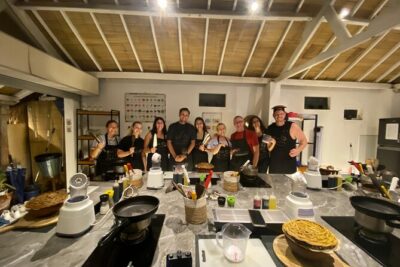
The group size is capped at 12, which keeps things from turning into a factory line. You will still move through stations at a good pace, but you are more likely to get real attention if you have questions about herbs, spice aromas, or technique. In Ubud, where there are plenty of classes, I appreciate anything that avoids the big-tour vibe.
Most people do not just show up. You get round-trip transfers from central Ubud hotels, so you are not stuck negotiating scooters or guessing where “the pavilion” actually is. If you like being dropped at the right place, this kind of included pickup saves stress and time.
Market Morning: Herbs, Spices, and Shopping Like a Local
The day starts at a local market, and this is where the class earns its keep. You are not just watching someone else buy ingredients. Your family host purchases and explains what goes into your menu, including fresh herbs, spices, fruits, and vegetables.
This part is valuable because Balinese cooking is scent-driven. When you learn what different ingredients smell like before they hit the pan, the whole meal makes more sense later. Instead of memorizing a recipe line by line, you start recognizing ingredient families, like how aromatic leaves and spices show up across more than one dish.
You also get to try fruit you might not easily find at home. Even if you already cook, this tends to be one of those “oh, that is why it tastes like that” moments. It is the difference between cooking from a list and cooking with a sense of flavor direction.
One consideration: markets can be warm and busy, and you are going early. If you hate early mornings or dislike walking a bit on uneven ground, you might want to plan for that. Still, the market stop is the hinge of the day, so skipping it would undercut the whole concept.
Dewa’s Welcome: Coffee, Mineral Water, and Pisang Goreng
Before you move from shopping mode to cooking mode, you get a proper welcome at home. Dewa serves a pipping hot cup of coffee or tea, or mineral water if you prefer. Alongside it comes his famous pisang goreng, fresh banana fritters that are crispy and warm.
This snack is not a random extra. It acts like a palate opener. Warm and fried, it gets your senses awake, and it makes the later cooking feel more like a shared family routine than a workshop.
The culture element begins right away too. You have time to listen while things are checked behind the scenes, including making sure the cooking pavilion is ready. That “we are setting up for you” feeling matters. It means you are not walking into a space that is half-finished or missing tools.
If you are someone who likes food that is comforting before it is complicated, you will probably enjoy this start.
Inside the Balinese Home Compound: Shrines, Family Life, and Respect
The class takes place in a Balinese home compound setting, not a distant showroom. That is a huge part of the value, because it adds meaning to what you are cooking. You hear about Balinese life, including families and home shrines, and the staff keeps things organized so the day flows cleanly.
One review detail that really sticks: the meal can end with a ritual of gratitude. Even if you are not fluent in Balinese religious customs, the point is clear, and it makes the food feel connected to something bigger than eating for fun. It is also a reminder that you are learning a kitchen tradition, not just assembling dishes.
A potential drawback, if you are expecting a purely technical cooking class, is that this part includes culture talk. It is not random fluff. It is designed to give context for why certain ingredients and practices matter. But if your goal is only cooking skills, you will still get the lifestyle portion.
Other things to make with your hands
The Cooking Pavilion: Making a Full Menu, Not a Single Dish
Once you settle in, you cook in the cooking pavilion, where the real “hands-on” portion happens. You get an illustrated gift booklet early enough to follow along later, and then you go to work.
The menu is a full spread, not just one main course. Expect to prepare an appetizer, a variety of traditional entrees, accompanying side dishes, and a dessert. That matters for two reasons.
First, you learn how Balinese meals are structured. You stop thinking in terms of one hero dish and start thinking in terms of balance across multiple plates: savory items, supporting sides, and a sweet finish.
Second, you get more chances to practice. Even if you are not a fearless cook, working across multiple steps builds confidence. You will likely handle chopping, mixing, and cooking techniques in a way that feels repeatable.
How the day is paced matters too. The staff is actively checking that everything is ready, which means fewer awkward delays. You are not waiting around while someone hunts for a missing ingredient or appliance. It helps the class stay focused and keeps your attention on flavor and technique.
Breakfast Snack and Lunch You Cook: Where the Learning Becomes Real
You eat what you make, and the meal is genuinely part of the curriculum. The welcome includes the banana fritters, then later you enjoy the lunch you prepared. The structure is simple: taste, cook, eat, then finish with dessert.
This matters because cooking classes can sometimes fall into the trap of teaching you a recipe and then sending you home with a plate you did not really taste. Here, the food is the result. If you are trying to recreate it later, tasting the dishes in the same way they are served during the class gives you a baseline. That improves your chances of success when you cook at home.
Dessert is included, too, which means you get a sweet conclusion rather than stopping after mains. The dessert finish is one of those moments that makes the day feel complete, and it gives you an extra recipe to take home, not just sauces and savory plates.
The Take-Home Recipe Booklet: Your Ticket to Cooking Again
One of the best parts of this experience is what you get to carry home. You leave with an illustrated instructional gift booklet containing the menu, recipes, directions, photos, and tips, plus space for personal notes.
This is where the value shows up if you cook beyond one vacation meal. Photos and directions help bridge the gap between “I learned it” and “I can repeat it.” Tips are also key. They address the practical stuff you can miss in a single class: what to watch for, how to adjust, and how to approach ingredients with confidence.
Also, the booklet is not just a list of ingredients. It is built to make the dishes make sense as a set. That reduces the chance you will cook one component correctly and then wonder why the overall meal feels off.
If you like bringing back food memories, this booklet is the difference between a nice day and something you can replay.
Value and Logistics: Price, Transfers, and Group Size
The price is $62 for about 6 hours, and it includes a lot of what you would otherwise pay for separately: guided ingredient shopping at a market, a chef-led (and family-led) experience, food you prepare, and the take-home booklet. You are also getting round-trip transfers from central Ubud hotels, plus a small group size (up to 12).
In Ubud, where prices can swing wildly for similar activities, I like that this one is clear about what you get. You are not just buying “a cooking demo.” You are doing the cooking, eating, and leaving with instructions.
A small practical note: the start time is early, and the experience runs close to a full half-day. So if you are planning tight sightseeing blocks after 1:30 pm or so, you will want to keep your schedule light that afternoon. The class is structured, so you might not want to stack another activity immediately unless you are used to early starts.
Also, it is near public transportation, which is useful if your hotel is not right at the pickup point. But pickup is offered, so most people can stay simple.
Who This Is Best For in Ubud
This is a great fit if you:
- want a hands-on Bali cooking experience where you make multiple dishes
- like market visits and learning about ingredients, not just cooking
- enjoy culture context about daily life in Bali, including family spaces and home shrines
- want something small-group, with enough attention to ask questions
- plan to cook at home afterward and want clear instructions and photos
It is less ideal if you:
- only want a quick food taste with minimal cooking
- hate early mornings and lots of walking
- prefer purely technical cooking instruction with almost no cultural context
If you are a foodie traveler who cares about food meaning, not just calories, this style works well.
Should You Book Lobong Bali Cooking Class?
If you are on the fence, I would book it if your goal is to take home more than memories. The combination of market ingredient explanations, a home compound setting, cooking a full menu, and leaving with an illustrated booklet is exactly what makes a cooking class useful after the trip ends.
I would skip it only if you are chasing a lazy afternoon or you do not want the cultural and family-life parts. This day is designed as a “food plus context” experience, and it is built to feel like you are being welcomed, not just taught.
If you want to understand Balinese cooking at the source, this is one of the more practical ways to do it in Ubud.
FAQ
How long is the Bali Cooking Class with Culture Experience?
The experience lasts about 6 hours.
What time does the tour start in Ubud?
The start time is 7:30 am.
Does the tour include hotel pickup and drop-off?
Yes, it offers round-trip transfers from central Ubud hotels.
Do you visit a market during the experience?
Yes. You start at a local market, where your family host purchases and explains ingredients.
What food is included in the class?
You get a breakfast snack (coffee or tea, plus pisang goreng) and you prepare and enjoy lunch and dessert.
Will I receive recipes or instructions to take home?
Yes. You leave with an illustrated instructional gift booklet that includes the menu, recipes, directions, photos, tips, and space for notes.
How big is the group?
The experience has a maximum of 12 travelers.
Can I cancel and get a full refund?
Yes, you can cancel up to 24 hours in advance of the start time for a full refund.
Make Something to Take Home
- Ubud Cooking Class Bali with Balinese Chef
★ 5.0 · 1,609 reviews - Ubud Silver Class Jewelry making in bali
★ 5.0 · 978 reviews - PRIVATE Authentic Balinese Cooking Class in Ubud at Putu’s Home
★ 5.0 · 644 reviews - Balinese Farm Cooking Class by Pemulan Bali
★ 5.0 · 410 reviews
More Tour Reviews in Ubud
- All-Inclusive Ubud Private Tour
★ 5.0 · 14,344 reviews - Best of Ubud Full-Day Tour with Jungle Swing
★ 5.0 · 8,571 reviews - Ubud: Monkey Forest, Jungle Swing, Rice Terrace, and Water Temple
★ 5.0 · 7,160 reviews - Best of Ubud 1-Day Private Tour
★ 5.0 · 4,451 reviews
Cook Another Balinese Lunch
- Ubud Cooking Class Bali with Balinese Chef
★ 5.0 · 1,609 reviews - PRIVATE Authentic Balinese Cooking Class in Ubud at Putu’s Home
★ 5.0 · 644 reviews - Balinese Ubud cooking school (9 Dish Cooking and Market Tour)
★ 5.0 · 540 reviews - Balinese Farm Cooking Class by Pemulan Bali
★ 5.0 · 410 reviews
Fresh on the Ubud pages




Balinese Cooking Classes from Kuta, compared.
 ★ 5.0Ubud Cooking Class Bali with Balinese ChefFrom $351,609 reviews
 ★ 5.0PRIVATE Authentic Balinese Cooking Class in Ubud at Putu’s HomeFrom $75644 reviews
 ★ 5.0Balinese Ubud cooking school (9 Dish Cooking and Market Tour)From $58540 reviews
 ★ 5.0Balinese Farm Cooking Class by Pemulan BaliFrom $39410 reviews
 ★ 5.0Learn to cook Indonesian food at Gili Cooking Classes TrawanganFrom $33352 reviews
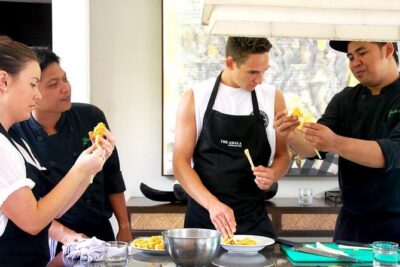 ★ 5.0Balinese Cooking Class in SeminyakFrom $66281 reviews
 ★ 5.0Anggrek Putih Lombok Cooking ClassFrom $30253 reviews
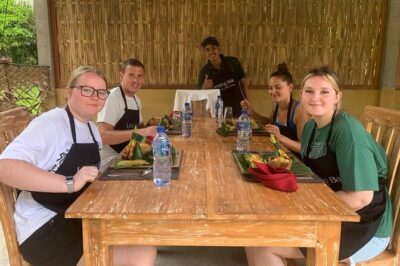 ★ 5.0Balinese Authentic Cooking Class in UbudFrom $39239 reviews
More Kuta tours like this one