
Review · BALINESE COOKING CLASSES FROM KUTA
Bali Amazing Cooking Class
A morning in Ubud with food you can make yourself. This half-day class takes you from a traditional market and ricefields into a Balinese home kitchen, then puts you to work cooking what you eat.
I like how the day feels practical, not just showy, because you follow along, cook with traditional tools, and end by eating together in a Balinese-style meal. I also love that you come away with the recipes, so you can recreate dishes later instead of only remembering smells.
One possible drawback: the market stop may not feel like a huge shopping spree, and that can make the start of the day feel slightly uneven depending on what you hoped to see.
Key Things I’d Prioritize Before Booking
Market-to-kitchen flow: You see ingredients get chosen, then you cook them the same day.
Ricefield storytelling: The rice growth explanation helps the meals make more sense.
Hands-on pace: You do real prep, not just stand and watch.
Family-run energy: In the groups I read about, hosts like Ibu Dewi and family members such as Nyoman help keep things warm and organized.
Recipes at the end: You leave with instructions, which boosts your chance of success back home.
Group size cap: Maximum of 25 people helps keep the cooking part from turning into a production line.
More kitchens that start at the market
- Ubud Cooking Class Bali with Balinese Chef★ 5.0 · 1,609 reviews
- PRIVATE Authentic Balinese Cooking Class in Ubud at Putu’s Home★ 5.0 · 644 reviews
- Balinese Ubud cooking school (9 Dish Cooking and Market Tour)★ 5.0 · 540 reviews
- Balinese Farm Cooking Class by Pemulan Bali★ 5.0 · 410 reviews
Hitting the Ground Running: Why This Cooking Class Starts Outside the Kitchen
If you’re choosing a cooking class in Bali, I’d look for one that treats ingredients as the main character. This one does that by starting with a traditional market and then pairing it with a ricefield stop, so you understand what you’re eating and where it comes from.
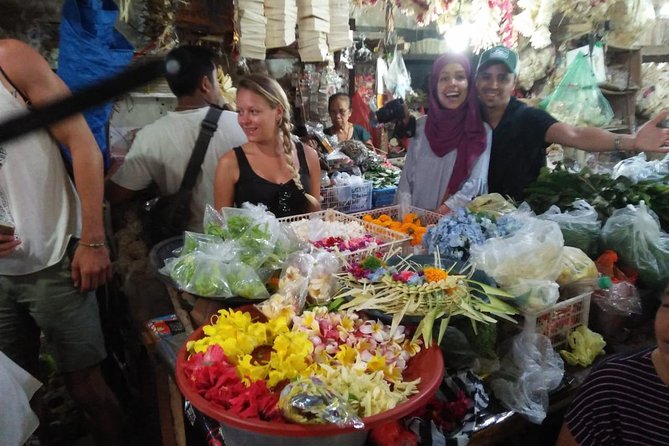
The market visit is more than a photo stop. It’s set up to explain Balinese daily activity and how people plan meals, choose produce, and work with what’s available. That context matters once you’re back at the cooking area, because spices and staples stop feeling random.
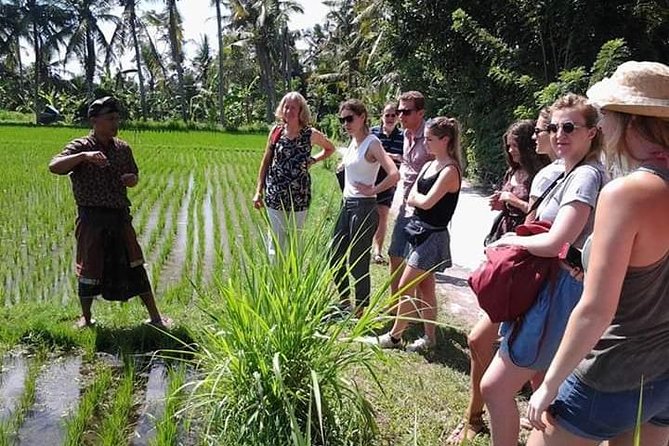
Then the ricefield segment adds another layer. You get an explanation about how rice is grown, which helps explain why rice is so central to Balinese meals. Even if you already love Indonesian food, this part makes you notice flavors differently.
Hotel Pickup and Timing: The Smooth Part of the Day
The class runs about 5 hours. The morning trip starts at 8:00 am, with hotel pickup between 8:00 and 8:30 am for the Ubud area. If you do the afternoon option, pickup is between 3:00 and 3:30 pm.
For me, hotel pickup is a big value piece because it removes a common Bali headache: finding your way to a private home kitchen without stressing over scooters and traffic. The experience also includes an air-conditioned vehicle, which is a welcome comfort when the morning or midday heat is already doing its thing.
Here’s what you should plan for: the morning trip returns to the hotel around 1:30 pm. So you’ll still have time for a slower afternoon in Ubud afterward, like a café break or a temple visit.
Dejulius Tour Stops: Market, Ricefields, and a Real Balinese Home Kitchen
This experience is built like a mini route, and each stop has a reason.
Stop 1: Traditional market visit
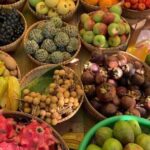
You’ll visit a traditional market first, with explanations tied to Balinese daily activity. In practice, this is where you’ll see the ingredients you’ll later recognize in your dishes.
Based on what people describe, the market experience can vary. Some groups love it because they spot the exact foods they end up cooking. Others find it less exciting if they expected a bigger market scene. Either way, it’s usually the most useful starting point for learning flavor combinations.
Other things to make with your hands
Ricefields explanation
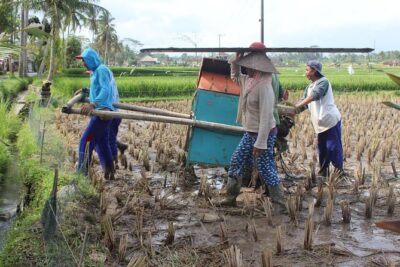
Next comes the ricefields, where you’ll get explanations about rice growing. This isn’t about memorizing farming steps. It’s about understanding the role of rice in Balinese food culture, and how locals think about the land that feeds them.
If you like seeing how food connects to everyday life, this stop is often the “click” moment. It’s also a nice reset after the busy market.
Balinese house for the cooking class
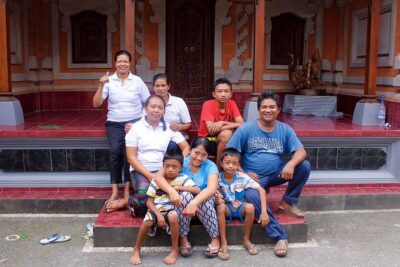
Then you move to a Balinese home where the cooking takes place. People highlight the welcoming setup, including drinks and homemade cake in some experiences, and the chance to see how ordinary Balinese families live and cook.
The setting matters because a home kitchen is usually where you learn the real basics, like how ingredients get prepared quickly and how flavors get balanced with what’s locally at hand. One review also mentioned making a traditional basket to offer to the gods before cooking, which adds meaning to the meal beyond food alone.
The Cooking Part: Hands-On Learning, Not a Demo Show
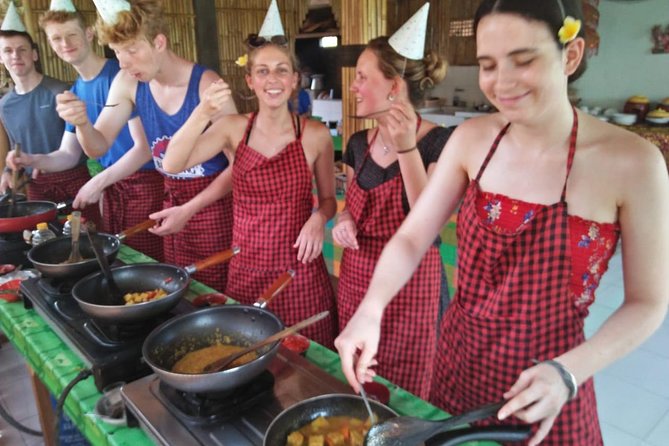
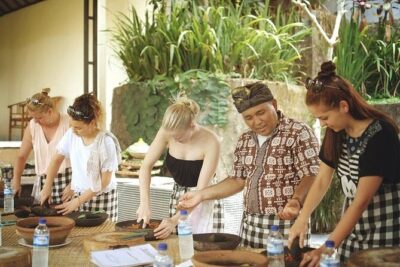
This is the main event, and it’s designed to be active. You’ll start cooking after the sightseeing, then finish and eat together.
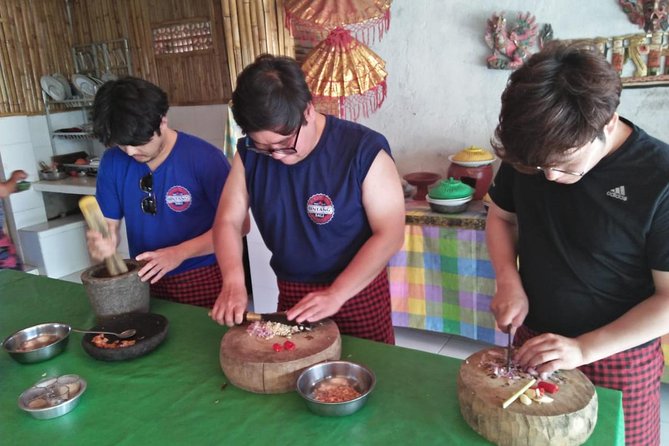
People often praise the balance of instruction, meaning you’re not left guessing, but you also aren’t just watching someone else cook. In the descriptions I read, the class covers many dishes and includes a mix of technique and hands-on prep using traditional cooking tools.
Dishes and what you’ll actually be doing
Specific dish counts show up in different experiences, with people reporting anywhere from 10 to 11 dishes plus dessert. That’s a big win if you like variety, because you don’t just learn one skill.
One dish that came up as a favorite was banana dumplings. If you have a sweet tooth, don’t ignore dessert, because it’s part of what makes the day feel complete rather than rushed.
Even when the cooking is well organized, keep expectations realistic: not every fried dish is going to match your memory of the best version you’ve ever had. One person described a fried rice result as ordinary. That’s not necessarily a dealbreaker, but it’s a good reminder to choose a class like this for learning technique, not for hunting a guaranteed top-tier restaurant outcome.
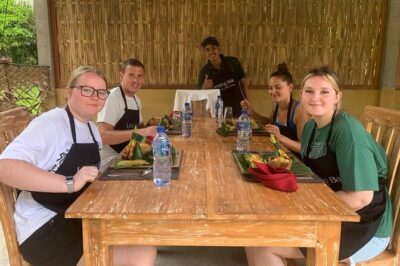
The meal: You eat what you make
This is one of the strongest reasons to book. The experience is built to let you enjoy the food you create after class, and it’s described as plentiful. That means you can usually skip the scramble for lunch afterward.
And yes, there’s a social element here. You’re cooking and eating in the same flow, which helps the day feel like a shared event instead of a rigid lesson.
Price and Value: Is $34 a Good Deal in Ubud?
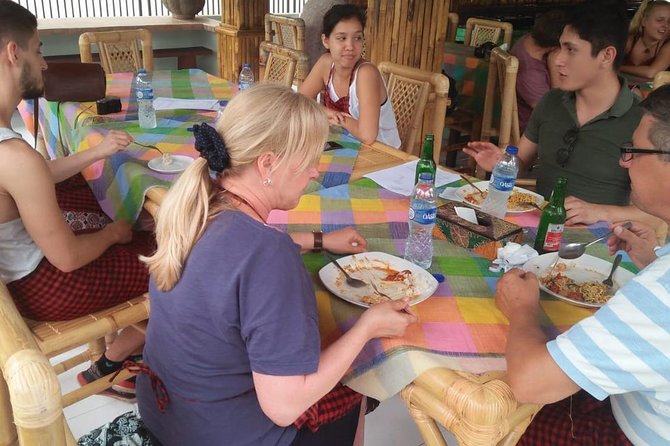
$34 per person for a roughly 5-hour experience with hotel pickup in Ubud, market visit, ricefield visit, cooking supplies, and a shared meal is a strong value package.
Here’s what’s included, which is where the math usually works out:
- Cooking equipment and facilities
- Lunch or dinner
- All fees and taxes
- Bottled water
- Air-conditioned vehicle
- Free hotel pick up in the Ubud area (for morning pickup, and afternoon pickup has a specified window)
What’s not included is also standard:
- personal expenses
- alcoholic beverages
What makes this feel like good value is the combination. Many cooking classes focus on only the kitchen. This one adds market and ricefields, which turns the “skill building” day into a full cultural food experience.
Also, the group size is capped at 25 travelers, which suggests you should spend more time cooking and less time waiting for someone to move the next station.
How the Teaching Feels: Recipes, Clean Setup, and Small-Group Benefits
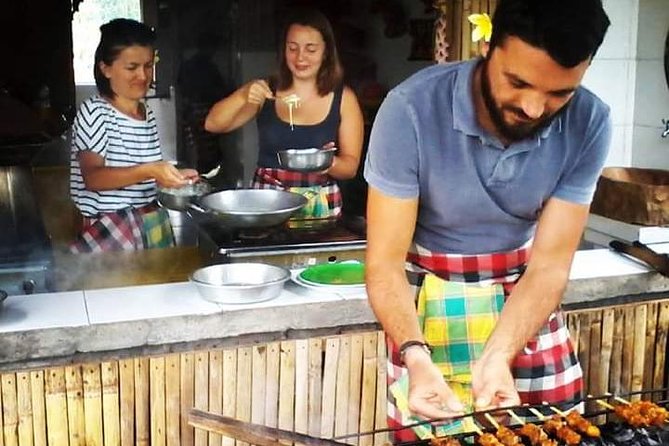
From the feedback I saw, the cooking side tends to be run with care. People described instruction that explains steps clearly, and a team that keeps things clean and moves everyone along. That matters in cooking because when tools, ingredients, and timing get messy, the lesson turns frustrating fast.
Two details that boosted the experience for many people:
- you get recipes at the end
- the class hits a workable balance between doing yourself and getting demonstrations
There were also mentions of a friendly, family-based tone. In multiple descriptions, hosts like Ibu Dewi (and in one case Nyoman and family) were part of the welcoming process, including the initial drink and the warm guidance.
One more note: some groups mention getting a small group, which is nice because it can mean more personal attention. Since the only firm detail here is the maximum cap, don’t assume you’ll be in a tiny group, but you can feel good knowing the experience is not designed for huge crowds.
Practical Packing: Camera, Shoes, Sunscreen, and Cash
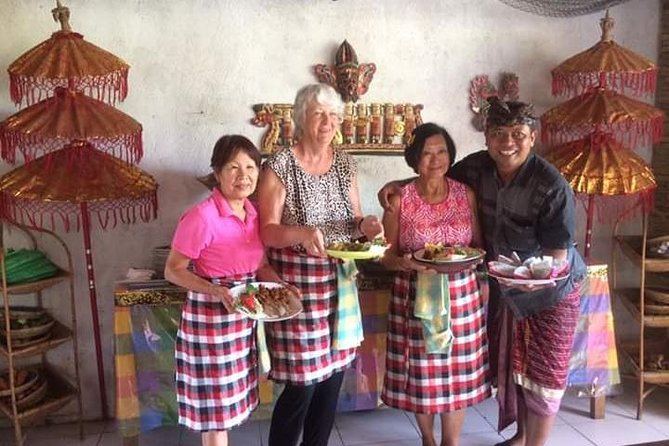
For this kind of day, pack like you’re doing a morning outing that ends with cooking.
Bring:
- camera
- sun cream
- small backpack
- shoes (you’ll be walking during market and ricefield segments)
- some cash (useful for small extras)
The class also asks for your hotel and room number and the right pickup location, plus a contact number that’s easy to find. That’s one of those boring details that can save you from a rushed search at the pickup time.
If you’re the type who hates warm weather surprises, plan to apply sunscreen before you leave the room. The ricefield and market stops usually do not slow down just because you brought a hat.
Who This Cooking Class Is Best For (and Who Might Want Another Option)
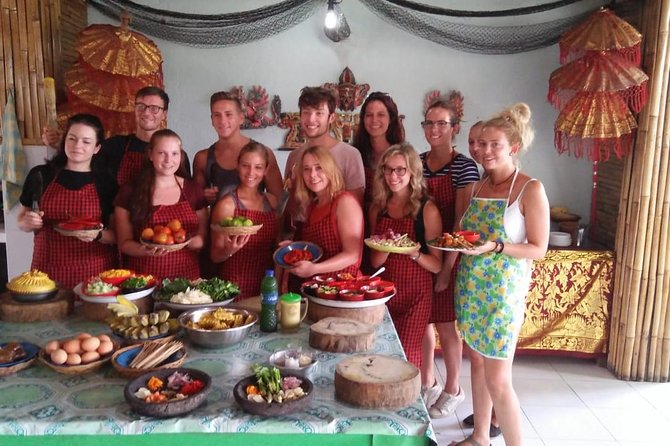
This is a good match if you:
- want a hands-on Bali food experience, not just a tour
- enjoy learning how ingredients connect to culture
- want recipes to take home
- like the idea of pairing cooking with a market and ricefield visit
It’s less ideal if you mainly want:
- a huge market with lots of stall browsing
- a class that guarantees every dish tastes identical to your favorite local restaurant version
The sweet spot is learning technique and understanding Balinese flavors, with the reward of eating your own food right afterward.
Should You Book Bali Amazing Cooking Class in Ubud?
I’d book it if you want a half-day that mixes culture and cooking with real take-home value. The included market and ricefield stops make it more than a kitchen workshop, and the fact that you get recipes helps justify the $34 price.
One decision point: if you’re the type who judges a tour only by how big or busy the market looks, adjust your expectations. This works best when you focus on learning ingredients, rice culture, and Balinese cooking steps, then enjoy a filling meal at the end.
If that sounds like your kind of day, go for it.
FAQ
What is the duration of the Bali Amazing Cooking Class?
It runs for about 5 hours.
How much does the cooking class cost?
The price is $34.00 per person.
Where does the class take place?
The experience is in Ubud, Indonesia.
Is hotel pickup included?
Yes. Free hotel pickup is offered in the Ubud area (morning pickup is between 8:00 and 8:30 am). Afternoon pickup is between 3:00 and 3:30 pm. Pickup outside the Ubud area requires contacting the provider.
What times are the trips?
The morning trip starts at 8:00 am. Afternoon pickup starts between 3:00 and 3:30 pm. The morning trip typically returns to your hotel around 1:30 pm.
What is included in the price?
All cooking equipment and facilities are included, along with lunch or dinner, bottled water, air-conditioned transport, and all fees and taxes.
What should I bring with me?
Bring a camera, sun cream, some cash, a small backpack, and shoes.
Are there any weather or group limits?
Yes. The experience requires good weather, and it also requires a minimum number of travelers. If it cannot run due to weather, you will be offered a different date or a full refund. If the minimum isn’t met, you’ll be offered a different date or experience or a full refund.
Make Something to Take Home
- Ubud Cooking Class Bali with Balinese Chef
★ 5.0 · 1,609 reviews - Ubud Silver Class Jewelry making in bali
★ 5.0 · 978 reviews - PRIVATE Authentic Balinese Cooking Class in Ubud at Putu’s Home
★ 5.0 · 644 reviews - Balinese Farm Cooking Class by Pemulan Bali
★ 5.0 · 410 reviews
More Tour Reviews in Ubud
- All-Inclusive Ubud Private Tour
★ 5.0 · 14,344 reviews - Best of Ubud Full-Day Tour with Jungle Swing
★ 5.0 · 8,571 reviews - Ubud: Monkey Forest, Jungle Swing, Rice Terrace, and Water Temple
★ 5.0 · 7,160 reviews - Best of Ubud 1-Day Private Tour
★ 5.0 · 4,451 reviews
Cook Another Balinese Lunch
- Ubud Cooking Class Bali with Balinese Chef
★ 5.0 · 1,609 reviews - PRIVATE Authentic Balinese Cooking Class in Ubud at Putu’s Home
★ 5.0 · 644 reviews - Balinese Ubud cooking school (9 Dish Cooking and Market Tour)
★ 5.0 · 540 reviews - Balinese Farm Cooking Class by Pemulan Bali
★ 5.0 · 410 reviews
Fresh on the Ubud pages




Balinese Cooking Classes from Kuta, compared.
 ★ 5.0Ubud Cooking Class Bali with Balinese ChefFrom $351,609 reviews
 ★ 5.0PRIVATE Authentic Balinese Cooking Class in Ubud at Putu’s HomeFrom $75644 reviews
 ★ 5.0Balinese Ubud cooking school (9 Dish Cooking and Market Tour)From $58540 reviews
 ★ 5.0Balinese Farm Cooking Class by Pemulan BaliFrom $39410 reviews
 ★ 5.0Learn to cook Indonesian food at Gili Cooking Classes TrawanganFrom $33352 reviews
 ★ 5.0Balinese Cooking Class in SeminyakFrom $66281 reviews
 ★ 5.0Anggrek Putih Lombok Cooking ClassFrom $30253 reviews
 ★ 5.0Balinese Authentic Cooking Class in UbudFrom $39239 reviews
More Kuta tours like this one