
Review · BALINESE COOKING CLASSES FROM KUTA
Traditional Tempeh Making & Cooking Balinese Cuisine
Making tempeh in Bali is a big hands-on win. This 3-hour small-group class in Seminyak has you learn the story behind tempeh, then cook Balinese dishes with it, finishing with lunch in a home garden. The focus is practical, ingredient-based cooking that you can actually repeat later.
I really like two things about this experience: the small group size (up to 10 people) that keeps the attention on you, and the way the class connects tempeh making to real Balinese meals you’ll sit down to eat. You also get drink breaks and a light snack during the session, so the morning flows without feeling rushed.
One consideration: it depends on good weather, since part of your time is in an open-air kitchen and then outdoors for the meal. If the day turns, the plan may shift or you may be offered another date.
Key highlights at a glance
- Tempeh from scratch, plus the why behind it
- Up to 10 people for close help from Ayu and Ngurah
- Balinese dishes built around tempeh, including Sayur Urab
- Vegan-friendly options, with chicken and tuna only if you want
- Tea, coffee, water, and a light snack included
- Lunch includes seven dishes, shared in a garden home
More kitchens that start at the market
- Nia Balinese Cooking Class★ 5.0 · 202 reviews
- Nia Bali Seminyak Cooking Class★ 5.0 · 127 reviews
- Cooking class in the comfort of your own personal villa. Yes, I’ll come to you!★ 5.0 · 80 reviews
- Balinese Cooking Class & Tanah Lot Temple Visit – Private & All-Inclusive★ 5.0 · 24 reviews
Your morning in Seminyak: what you’re really signing up for
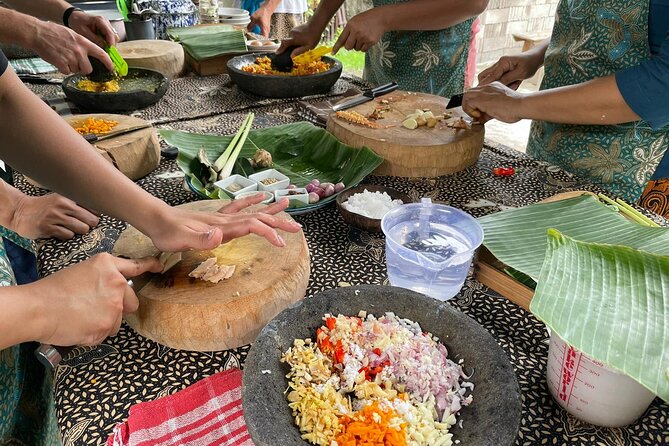
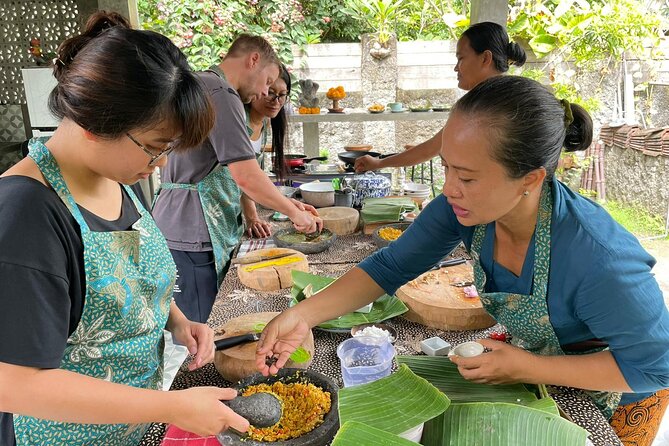
This is not just a cooking show where you watch and take notes. You’ll learn how tempeh works and then use it in multiple dishes, all with guidance from Ayu and Ngurah. The day has a clear arc, from history and technique to spice work, to cooking, then eating what you made.
The best part for me is that tempeh is treated like a real ingredient with a real role in Balinese food. You’re not only learning recipes, you’re learning how cooks think about ingredients in a local context, including how plant-based meals can still feel complete and satisfying.
Getting there: from Canang Sari Homestay to the open-air kitchen
Your class starts at Canang Sari Homestay in Denpasar North, at Gg. Kaswari No. 6, Dangin Puri Kaja, Kec. Denpasar Utara, Kota Denpasar, Bali 80234, Indonesia. It begins at 9:30 AM and ends back at the meeting point, so you’re not piecing together transport for a half-day adventure.
The flow is built for comfort. You start with introductions, you work in an open-air kitchen studio, and then you finish with lunch in a garden setting with a family-style atmosphere. The open-air part is great in a nice morning breeze, but it is also why good weather matters.
Tempeh making lesson: history, technique, and a takeaway for home
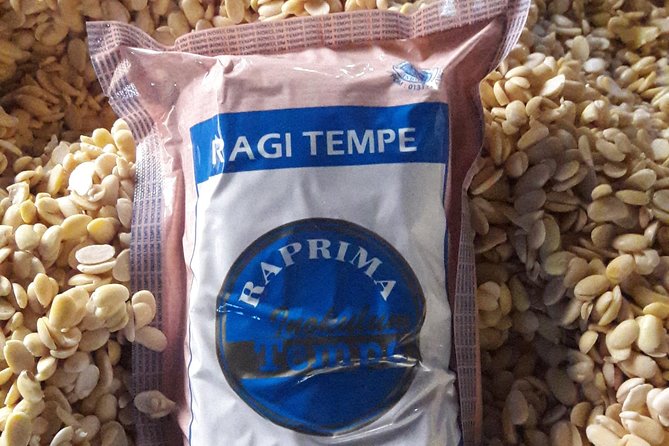
The class centers on tempeh, a food with roots in Indonesia, originally from Java. You’ll learn its role in Balinese cooking and why it’s considered a superfood style ingredient, known for being high in protein and packed with nutrients.
More importantly, you’re taught the highlight of the tempeh process, not just the final dish. The goal is to understand how tempeh is formed and why it matters for texture and flavor when you cook with it.
A standout from the experience is the emphasis on repetition. You get a guide on how to make tempeh yourself at home, so you leave with more than recipes for one meal. If you like the idea of using Indonesian ingredients beyond the restaurant stage, this helps you bridge the gap.
Balinese spices and the working rhythm of the kitchen
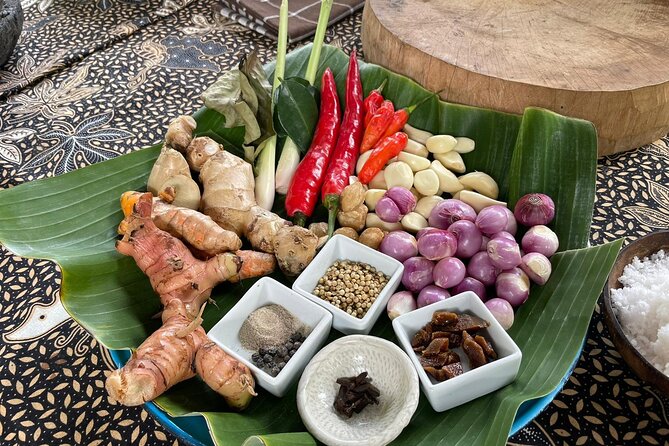
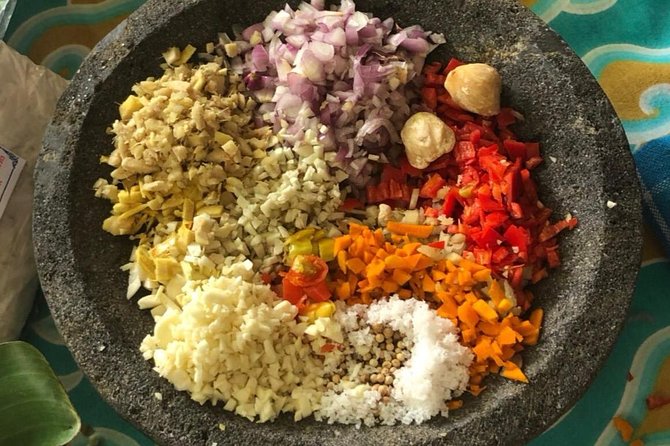
Part of what you’re paying for here is time with a real cooking instructor in a small room and then in a kitchen environment where you can keep moving. You’ll discover how many spices Indonesian cooking uses and how those spices show up across different dishes.
In practical terms, that means you’ll learn what to do with ingredients, not just what ingredients to buy later. The class uses fresh plant-based ingredients, and the instruction focuses on doing things from scratch, so you’ll understand the process even if you don’t have Balinese tools at home.
If you’ve ever wondered why Indonesian home-style food tastes so grounded and layered, this kind of class helps answer that. Spices are not just for heat, they’re for aroma, body, and balance across the full meal.



Vegan-friendly Balinese dishes, with optional chicken and tuna
This class is described as vegan-friendly, and the cooking plan reflects that. You’ll make dishes that use tempeh and plant-based ingredients as the core, and then there’s flexibility depending on what you eat.
Here’s what to expect in the menu approach:
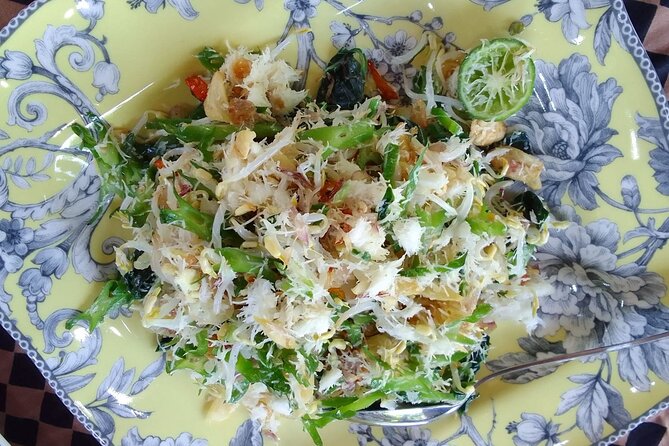
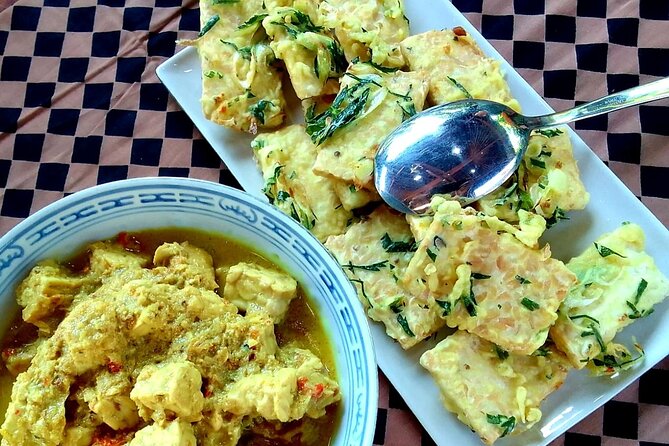
- You’ll cook Sayur Urab, a vegetable dish made with greens and beans mixed with grilled grated coconut.
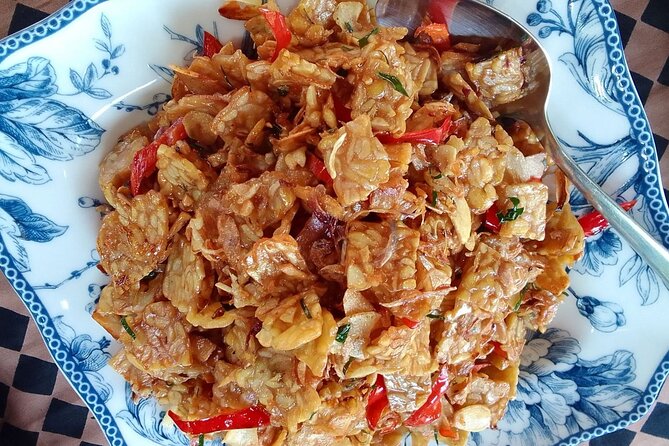
- You’ll prepare several additional local recipes using tempeh.
- You may see chicken and tuna added for non-vegan meals, but if you’re vegan, those are skipped.
That flexibility is useful. Even if you’re strictly vegan, you still get a full Balinese meal built around local flavors, not a simplified western substitute. And if you eat animal products, you can still enjoy the dishes as they’re commonly adapted in home cooking.
One more detail that matters: the class is built for you to see how tempeh changes the dish. It’s not a garnish. It has a job in each recipe, from texture to how sauces and seasonings cling.
The seven-dish lunch in the garden: what you’ll actually eat
By the time you sit down, you’re eating what you helped make. The lunch includes seven dishes, and you share the meal in the garden of a cozy local home, with a family-style atmosphere.
Seven dishes is a real test of variety, and it’s also a smart way to learn. Instead of repeating one template three times, you get different uses for tempeh and different Balinese flavors in one go. You’ll get a sense of what goes together on a plate and how the meal is meant to feel as a whole.
Expect drinks and small support during the day as well. Tea, coffee, water, and a light snack are provided during the class. That means you’re not scrambling for a drink mid-prep, and you keep your energy for the full cook.
Group size, private upgrades, and how much attention you get
The class caps at 10 people, which is a big deal in cooking. You’re not stuck waiting for the instructor to circulate, and you get more chances to ask questions when something doesn’t make sense.
You can also upgrade to a private class for a more personalized experience, if you request it. If you’re traveling with a friend, family member, or you want more hands-on correction and slower pacing, a private format can be worth considering.
Also note the teaching team. With Ayu and Ngurah working together, you benefit from both a cook’s perspective and the ability to explain what you’re doing and why.
Price and value: why $39 can make sense here
At $39 per person, this is priced in the “hands-on class” range, not the “just sample a bite” range. What makes it feel like a value is what’s included:
- The cooking time is long enough to produce multiple dishes in one session.
- Lunch is part of the experience, with seven dishes.
- Tea, coffee, water, and a light snack are included.
- You learn tempeh-making steps and leave with a guide to make it at home.
If you compare it to paying for separate meals and buying ingredients on your own, the structure is what you’re really buying. You get a guided process and local technique in one morning, plus the fun of eating right after you cook.
The fact that it’s often booked about 24 days in advance hints that people are planning ahead for this specific experience. Popularity isn’t proof of quality, but it does suggest you shouldn’t treat it as a last-minute gamble if you’re on a tight Bali schedule.
Who should book this tempeh class, and who should skip it
This class is a great fit if you:
- Want a hands-on Bali cooking experience, not a lecture.
- Like plant-based food but still want full flavors and a real lunch.
- Are curious about tempeh beyond packaged versions, and want a method you can try at home.
- Appreciate small-group instruction and clear step-by-step guidance.
It may be less ideal if:
- You hate outdoor or open-air settings, since part of the cooking and the garden lunch are outdoors.
- You want a long, meandering food tour day, since this is focused and timed, starting at 9:30 AM and ending by about 12:30 PM.
The small practical tips that make your morning easier
Wear something you can work in. You’ll be doing kitchen tasks, and Bali cooking classes usually mean you’ll get a little messy. Bring a light layer too, in case the morning shifts cooler in the open-air part.
If you’re vegan, confirm that you want the vegan version of the menu, especially since chicken and tuna may be included only if not skipping it. It’s an easy request, and it keeps the cooking flow aligned with what you’ll eat.
Finally, plan to go hungry. Even with tea, coffee, water, and a light snack, the big payoff is the seven-dish lunch you’ll share afterward.
Should you book this Traditional Tempeh Making & Cooking Balinese Cuisine?
I think you should book it if you want the kind of Bali experience that gives you both food and skills. The combination of tempeh making from scratch, Balinese spice work, and a real lunch with seven dishes makes this a strong value, especially for a morning class that ends by lunchtime.
Skip it if you’re looking for a passive, scenic activity or if weather-related outdoor time would ruin your day. But if you’re excited to learn how tempeh fits into Balinese cooking and you enjoy structured hands-on instruction, this one is an easy yes.
FAQ
Where is the class meeting point?
The class starts at Canang Sari Homestay, Gg. Kaswari No. 6, Dangin Puri Kaja, Kec. Denpasar Utara, Kota Denpasar, Bali 80234, Indonesia.
What time does the experience start?
It starts at 9:30 AM.
How long does the experience last?
It lasts about 3 hours and finishes around 12:30 PM.
Is this class vegan-friendly?
Yes, it is described as vegan-friendly. Chicken and tuna may be added, but they can be skipped if you are vegan.
Does the class teach tempeh making from scratch?
Yes. You’ll learn how to make tempeh from scratch and also cook multiple dishes using tempeh.
How many dishes are included in the lunch?
Lunch includes seven dishes.
How many people are in the class?
The group size is capped at a maximum of 10 people.
Can I upgrade to a private class?
Yes, private group options are available upon request.
What drinks and snacks are provided?
Tea, coffee, water, and a light snack are provided during the class.
What if the weather is bad or I need to cancel?
The experience requires good weather. If it is canceled due to poor weather, you’ll be offered a different date or a full refund. You can cancel for a full refund up to 24 hours in advance; if you cancel less than 24 hours before the start time, the amount paid is not refunded.
More Tour Reviews in Seminyak
- Bali Full-Day Traditional Village Sightseeing Trip All Inclusive
★ 5.0 · 3,069 reviews - Experts Bali Driver : Best Bali Private Driver for Tour in Bali
★ 5.0 · 1,339 reviews - Bali Hai Sunset Dinner Cruise
★ 5.0 · 1,173 reviews - Mount Batur Sunrise Trekking
★ 5.0 · 947 reviews
Cook Another Balinese Lunch
- Balinese Cooking Class in Seminyak
★ 5.0 · 281 reviews - Nia Balinese Cooking Class
★ 5.0 · 202 reviews - Nia Bali Seminyak Cooking Class
★ 5.0 · 127 reviews - Cooking class in the comfort of your own personal villa. Yes, I’ll come to you!
★ 5.0 · 80 reviews
Fresh on the Seminyak pages




Balinese Cooking Classes from Kuta, compared.
 ★ 5.0Ubud Cooking Class Bali with Balinese ChefFrom $351,609 reviews
 ★ 5.0PRIVATE Authentic Balinese Cooking Class in Ubud at Putu’s HomeFrom $75644 reviews
 ★ 5.0Balinese Ubud cooking school (9 Dish Cooking and Market Tour)From $58540 reviews
 ★ 5.0Balinese Farm Cooking Class by Pemulan BaliFrom $39410 reviews
 ★ 5.0Learn to cook Indonesian food at Gili Cooking Classes TrawanganFrom $33352 reviews
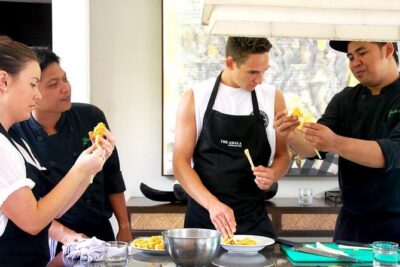 ★ 5.0Balinese Cooking Class in SeminyakFrom $66281 reviews
 ★ 5.0Anggrek Putih Lombok Cooking ClassFrom $30253 reviews
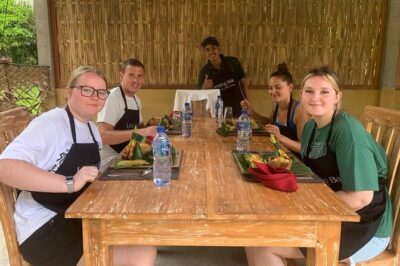 ★ 5.0Balinese Authentic Cooking Class in UbudFrom $39239 reviews
More Kuta tours like this one