
Review · WORKSHOPS
2 Hours Private Scooter Lesson in Bali
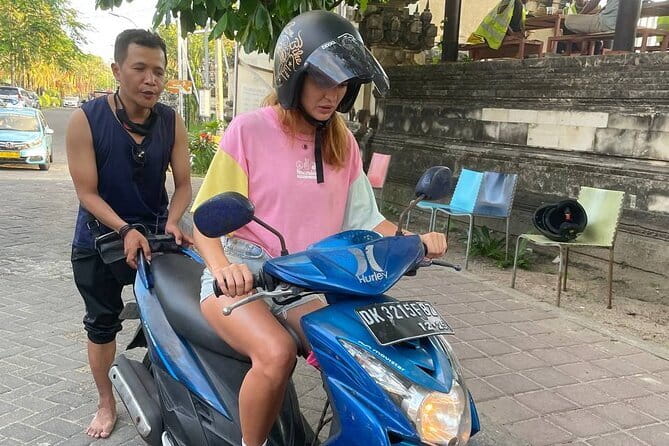
Traffic is a lot, even on a good day. This private 2-hour Bali scooter lesson gives you the basics fast, with pickup and a patient private instructor pace. You get a short theory session, then practice for real bike control, and finally you only move on once you feel ready. One thing to keep in mind, though, is that if you arrive with zero comfort on two wheels, you should still expect to go step by step, not rush straight onto main roads.
Key takeaways before you book
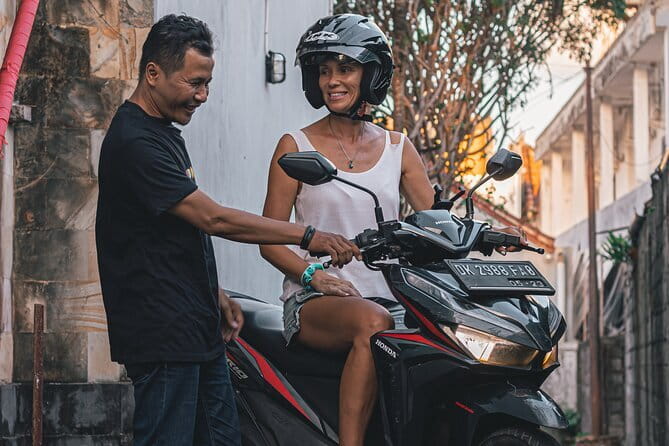
- Private instruction for up to 1 person means the lesson matches your speed, not a crowd schedule.
- Pickup covers several Bali areas like Kuta, Seminyak, Jimbaran, Uluwatu, Sanur, and Denpasar.
- Hands-on skill building starts with scooter components and goes through balance, turning, and braking.
- Defensive riding coaching uses a method similar to what’s used to train Gojek drivers.
- Real-street feel comes later with practice on a quiet village street after you’re comfortable.
- You’re paying for training time, so solo riders who only need a quick pointer might question value.
The same day, just yours
- Bali Nusa Penida West Private All-Inclusive Tour★ 5.0 · 1,277 reviews
- Mount Batur Sunrise Trekking Private Tour with Breakfast and Hotel Transfer★ 5.0 · 885 reviews
- Individual Bali Day Trip with Private Driver and Free WiFi★ 5.0 · 755 reviews
- Private Tour Mount Batur Sunrise Trekking and Natural Hot Spring★ 5.0 · 431 reviews
Why a Bali scooter lesson helps in Kuta traffic
Kuta and the surrounding areas have a special kind of traffic rhythm. It’s not just cars and scooters, it’s scooters, trucks, people crossing, and drivers doing quick decisions all at once. If you’re thinking about renting a scooter after only reading tips on the internet, you’ll probably feel more stress than freedom.
That’s where this lesson makes sense. You’re not just learning scooter mechanics. You’re learning a safe way to interact with traffic, including the kind of mindset you need for intersections and main roads. The format is built for first-timers: theory first, then controlled drills, then a short taste of real riding once your confidence is higher.
Two hours is also a smart time window. It’s long enough to fix basic errors like starting smoothly or braking predictably. It’s short enough that you’re not trapped in a half-day program if you want the rest of your afternoon for beaches and food.
Pickup, meet point, and how the lesson starts
The day begins with pickup from your location in Kuta, Seminyak, Jimbaran, Uluwatu, Sanur, or Denpasar. That matters because squeezing scooter training into a commute can waste your brainpower. You want your focus for the lesson, not for getting to the parking lot while you’re already nervous.
You’ll meet at the activity start point at Airport Scooter Lesson, Jl. Mataram, Kuta, Kec. Kuta, Kabupaten Badung, Bali 80361, Indonesia. From there, the training area is described as a nearby wide open space, like a parking lot or an empty field. That’s a good setup for beginners, because you can learn steering and braking without immediate pressure from fast-moving traffic.
The tour is private, and it’s listed as up to 1 person per group. Translation: you’re not waiting your turn while someone else hogs the scooter. You also get feedback that’s directly aimed at what you’re doing wrong, which is exactly what you want when your hands and feet are still learning the bike.
You also get a mobile ticket, and you should receive confirmation at booking time. The lesson runs about 2 hours.
First lesson phase: scooter parts and how to start properly
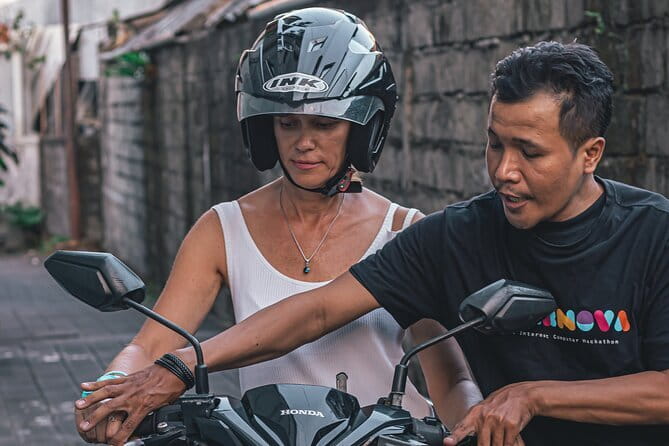
Before you roll anywhere, you get a brief theoretical session. That might sound boring, but it’s actually where confidence begins. Most first-time rider problems come from skipping the basics, like not knowing what the controls do or not understanding the order of operations when starting.
In your first stage, you should expect to learn the scooter components and functions, plus the basics of how to operate the bike smoothly. If you’ve ever stalled a scooter because you grabbed the throttle too fast or didn’t get the starting rhythm right, you’ll appreciate this early coaching.
This stage also sets you up for the rest of the drills. If you understand how the scooter responds, you stop treating every movement like a surprise. That alone can cut your anxiety.
The vibe from instructors in the available feedback is strongly about patience. Names that come up include Iqbal, who’s described as very patient and clear, and Chris, who helped first-timers feel calmer from the start. Even if your instructor is different, the structure is designed the same way: step-by-step instruction with calm corrections.
Training drills: acceleration, balance, turning, and braking
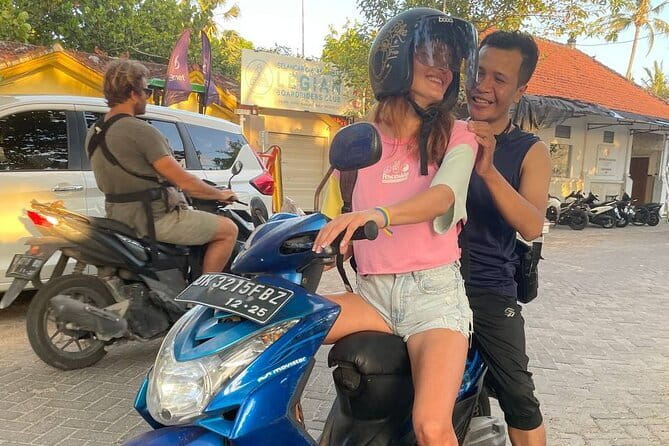
After the theory, you practice the core riding skills in a controlled space. This is where the lesson proves its worth, because real street riding is built on small repeatable actions.
Expect drills around:
- Acceleration: learning smooth throttle control so the scooter doesn’t jerk or surge
- Balance: learning body position so you don’t fight the bike
- Turning: steering without panicking, including correct speed and smooth handle inputs
- Braking: controlled stops you can repeat, not random last-second grabs
You’ll also get guidance that focuses on building reliable muscle memory. For a first-time scooter rider, braking control is a big deal. If you can slow down predictably, you’ll feel safer at every later step, including negotiating gaps in traffic.
A quiet, wide practice area helps because you can concentrate on how the bike moves under you. It also gives your instructor time to correct small things like how you look through a turn or how you modulate braking pressure.


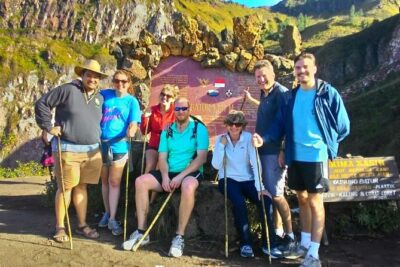
Safety coaching for main roads and intersections

This lesson doesn’t treat safety like a lecture. It focuses on practical riding habits for the kind of roads you’ll actually want to use in Bali.
You’ll get crucial knowledge and safety tips for riding confidently on main roads. You’ll also learn about how the riding culture in Bali works, and why it’s different than other places you might have visited.
The coaching style uses a defensive standard similar to training used for Gojek drivers. That’s a useful reference because it implies a mindset built on anticipating other drivers, not assuming everyone will behave logically.
Here are the kinds of real-world outcomes you’re aiming for during this phase:
- knowing how to keep your speed in check when traffic patterns get unpredictable
- understanding how to approach intersections without freezing
- learning to scan and react, rather than stare at the scooter in front of you
In the feedback, riders specifically called out intersection tips and calm explanations for first-time traffic situations. That’s the difference between feeling like you’re guessing and feeling like you have a plan.
And yes, you’re still a beginner. The goal isn’t to make you bulletproof. The goal is to make you less surprised.
The Bali riding culture piece you actually need
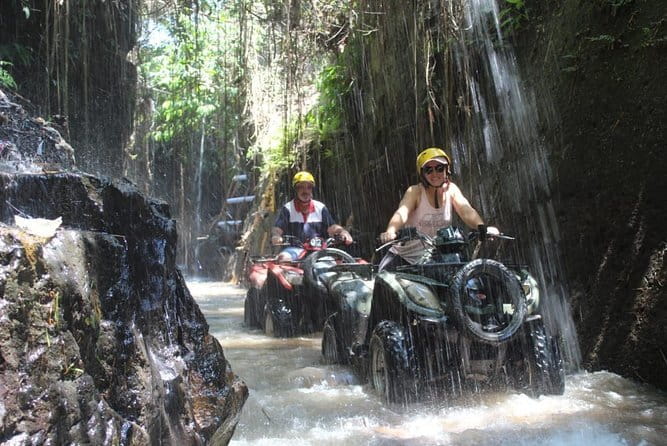
Bali’s scooter flow can feel chaotic if you’ve only ridden in calmer places. The difference isn’t just the number of bikes. It’s the way people weave through space and make quick calls.
Your instructor should cover the distinct riding culture, so you’re not trying to apply one strict rule you learned at home. For example, even when lanes aren’t clear in the way you expect, riders still move with an internal logic. Part of learning quickly is figuring out that logic instead of fighting it.
This is also why you shouldn’t skip the “how people ride here” part. It’s not theory for theory’s sake. It’s how you avoid risky habits like creeping too slowly, panicking at gaps, or assuming drivers will always leave you space.
Quiet village street practice: learning real feel at a safer pace

Once you feel completely at ease and confident, the lesson moves to a quieter environment. The structure is simple: you practice in a calm, village street setting after the controlled drills.
This is a smart compromise. You’re not thrown into heavy traffic as soon as you can start the scooter. You get to feel how steering and braking behave on an actual road with people and real movement patterns, but without the full stress of main-road chaos.
The key here is the “only when you’re ready” progression. Your instructor should judge when your control is good enough to handle minor road variables. That can include things like changing road surfaces, slight curves, or unpredictable movement around you.
If you’re nervous, this part can be the turning point. Many first-time riders arrive tense and leave with a “wait, I can do this” feeling. The goal is not bravado. The goal is control.
Price and logistics: is $31 worth it?

The price listed is $31.00 per group, up to 1 person, for about 2 hours. On paper, that can look inexpensive, but scooter lessons are one of those experiences where value depends on your starting point.
Here’s how I’d measure value for you:
- If you truly have no experience, this can be a good investment because you’re buying correction, not just guidance.
- If you’re already comfortable balancing, starting, turning, and braking, you might find the lesson feels slower than you want, since it’s built for beginners.
- If you’re traveling solo, you might feel the cost is higher than a “share with someone” style lesson. The training time is still the same, even if you’re the only participant.
Still, $31 for a private 2-hour session with pickup and structured coaching can be fair, especially when you consider how costly mistakes can be. If a scooter rental goes wrong and you end up losing days, you’ll feel that expense fast.
The big logistic benefit is pickup. Getting to a training space by yourself with zero confidence would add stress. Here, the lesson handles the ride to the start area.
And because it’s private, you don’t have to adapt to a different rider’s pace. That can make a lesson feel faster, even though the clock stays at about two hours.
What to do if you’re anxious or brand new
If you’re worried you’ll freeze up, you’re not alone. Bali scooters demand calm decisions, and that doesn’t happen instantly.
Use the lesson plan to your advantage:
- Treat the first drills like learning a language, not like passing a test.
- Focus on smooth control, not speed.
- When you reach the point of quiet-street practice, keep your speed conservative. Confidence grows from correct repetitions.
Also, consider the physical requirement. The lesson notes moderate physical fitness. That usually means you should be comfortable with basic balance and using your legs and arms for sustained control during the practice. If you have mobility limitations, you should think carefully before booking.
Who this private Bali scooter lesson suits best
This is ideal if:
- You want to rent a scooter in Bali soon and you know you need a structured start
- You’re a total beginner who wants patient coaching, not random tips
- You prefer a private, tailored lesson rather than blending into a group
- You want pickup across major areas like Kuta and Seminyak
It might be a weaker fit if:
- You already ride scooters comfortably and just want a quick route suggestion
- You expect heavy highway riding as part of the lesson (the quiet-street practice happens after you feel ready, and the emphasis includes safety coaching)
That said, even experienced riders can benefit from the defensive riding mindset and the intersection approach. The difference is time. This lesson is designed for foundational control.
When weather and timing matter
This experience requires good weather. If it’s canceled due to poor conditions, you should be offered a different date or a full refund. That’s worth noting because riding lessons hate rain. Slippery roads can turn small mistakes into bigger ones.
Timing is also about your energy. With an approx 2-hour session, plan the rest of your day so you’re not immediately trying to ride in heavy traffic without rest. After a lesson, your brain may feel wired, but your muscles are still learning the movements.
Should you book this Bali scooter lesson?
If you’re planning to ride a scooter in Bali, I think this lesson is a smart step. The value comes from structure: theory first, then controlled drills for acceleration, balance, turning, and braking, then safety coaching for main roads and intersections using a defensive riding standard. You don’t get shoved into chaos. You practice in a quiet village street after you’re ready.
I’d book it if you want confidence with real guidance and you like the idea of a private instructor with pickup. The main reason to hesitate is simple: the cost can feel a bit high if you’re truly expecting a very short, hands-off “just tell me what to do” session. But that’s not what this is. It’s training.
FAQ
Is this a private scooter lesson?
Yes. It’s a private tour or activity, and only your group participates. It’s listed as up to 1 person per group.
How long is the Bali scooter lesson?
The duration is about 2 hours.
Where do you pick me up in Bali?
Pickup is offered from areas including Kuta, Seminyak, Jimbaran, Uluwatu, Sanur, and Denpasar.
Where does the lesson start and end?
The activity starts at Airport Scooter Lesson, Jl. Mataram, Kuta, Kec. Kuta, Kabupaten Badung, Bali 80361, Indonesia. It ends back at the meeting point.
What do we learn during the scooter lesson?
You’ll start with a brief theoretical session on scooter mechanics and components. Then you practice acceleration, balance, turning, and braking, followed by safety tips for riding on main roads and how to handle Bali’s riding culture.
Do we practice on real roads?
You first practice in a nearby wide open area like a parking lot or empty field. After you feel confident, you practice on a quiet village street for a real street feel.
Who provides the lesson?
The experience provider is Bali Freedom Way.
What should my physical condition be like?
The lesson notes a moderate physical fitness level.
Do I need to bring anything like tickets?
You’ll receive a mobile ticket, and confirmation is received at booking time.
What happens if the weather is bad?
The experience requires good weather. If it’s canceled due to poor weather, you’ll be offered a different date or a full refund.
The Same Day, Just Yours
- Bali Nusa Penida West Private All-Inclusive Tour
★ 5.0 · 1,277 reviews - Mount Batur Sunrise Trekking Private Tour with Breakfast and Hotel Transfer
★ 5.0 · 885 reviews - Individual Bali Day Trip with Private Driver and Free WiFi
★ 5.0 · 755 reviews - Private Tour Mount Batur Sunrise Trekking and Natural Hot Spring
★ 5.0 · 431 reviews
More Tour Reviews in Kuta
- Nusa Penida day trip: boat, 4 snorkeling, Manta rays & Land tour
★ 5.0 · 2,033 reviews - Bali Nusa Penida West Private All-Inclusive Tour
★ 5.0 · 1,277 reviews - Mount Batur Sunrise Trekking Private Tour with Breakfast and Hotel Transfer
★ 5.0 · 885 reviews - Individual Bali Day Trip with Private Driver and Free WiFi
★ 5.0 · 755 reviews
Fresh on the Kuta pages





Workshops, compared.
 ★ 5.0Ubud Cooking Class Bali with Balinese ChefFrom $351,609 reviews
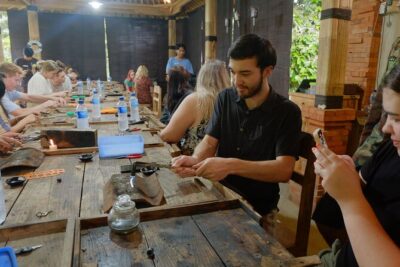 ★ 5.0Ubud Silver Class Jewelry making in baliFrom $36978 reviews
 ★ 5.0PRIVATE Authentic Balinese Cooking Class in Ubud at Putu’s HomeFrom $75644 reviews
 ★ 5.0Balinese Farm Cooking Class by Pemulan BaliFrom $39410 reviews
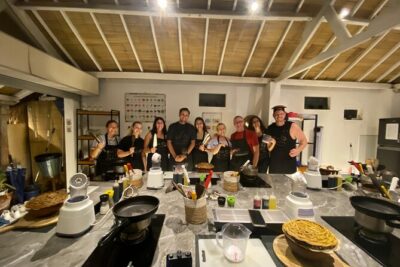 ★ 5.0Learn to cook Indonesian food at Gili Cooking Classes TrawanganFrom $33352 reviews
 ★ 5.0Balinese Cooking Class in SeminyakFrom $66281 reviews
Ubud Monkey Forest Silver Class – Craft Your Own Silver JewelryFrom $41254 reviews
★ 5.0Balinese Cooking Class in SeminyakFrom $66281 reviews
Ubud Monkey Forest Silver Class – Craft Your Own Silver JewelryFrom $41254 reviews
 ★ 5.0Anggrek Putih Lombok Cooking ClassFrom $30253 reviews
More Kuta tours like this one