
Review · UBUD DAY TRIPS FROM KUTA
Ubud Pottery Ceramic Class in Bali
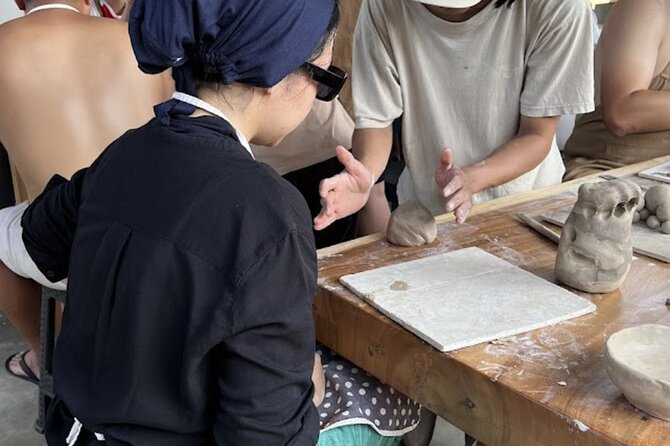
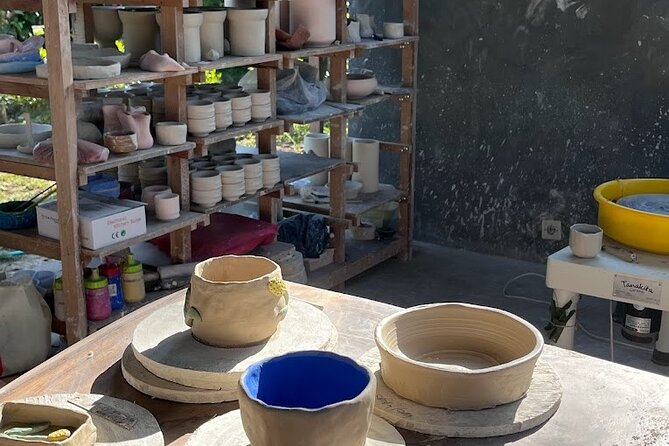
Making pottery in Bali is oddly calming. In a small Ubud-area studio, you get local guidance and work with 2kg of clay to create your own pieces.
I especially liked the fact that the lesson lets you try both hand building and wheel work. I also liked how the mentors start with basics, so even if you have never touched a potter’s tool, you can still make progress, and do it in a peaceful garden-style setting.
The main thing to plan for is logistics. The studio sits in Singapadu, Sukawati, so allow time to get there, and if you want to take your pottery home, you need at least 4 days left after the class for it to be finished.
Key things to know before you go
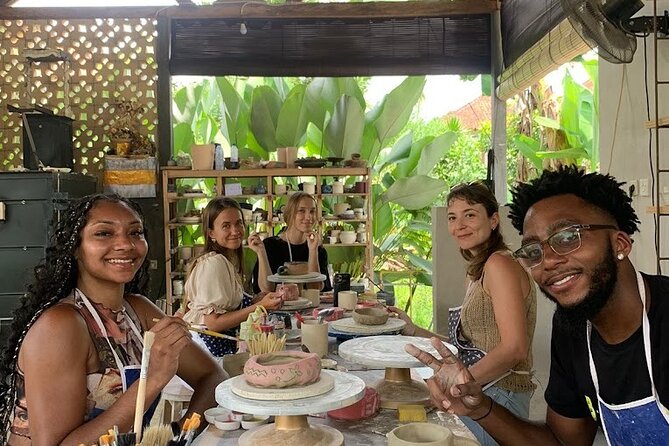
- Small group size (max 10) keeps the class personal and makes it easier to get help when your clay stops cooperating.
- You work with 2kg of clay, enough to make real shapes, not just a tiny souvenir attempt.
- Two styles in one session: you can make pieces by hand and on the wheel.
- You learn more than buttons and bowls, including basic techniques like spinning, molding, and hand building, plus what makes different clays usable.
- Garden studio vibe: the setting makes the work feel slower and more enjoyable.
- Time matters for take-home pieces: plan for 4 extra days if you want your work returned.
Other ways to do the Ubud run from Nusa Dua
- Wonderful of Ubud Private Guided Tour★ 5.0 · 78 reviews
- Best of Ubud Full Day Private Guided Tour★ 5.0 · 52 reviews
- Bali ATV Ride Ubud Waterfall, Ricefield,River,Barong Cave, Lunch★ 4.5 · 22 reviews
- Ubud Private Tour From Cruise Port Benoa Bali All Inclusive★ 4.5 · 13 reviews
A Ubud-area pottery class that feels practical, not performative
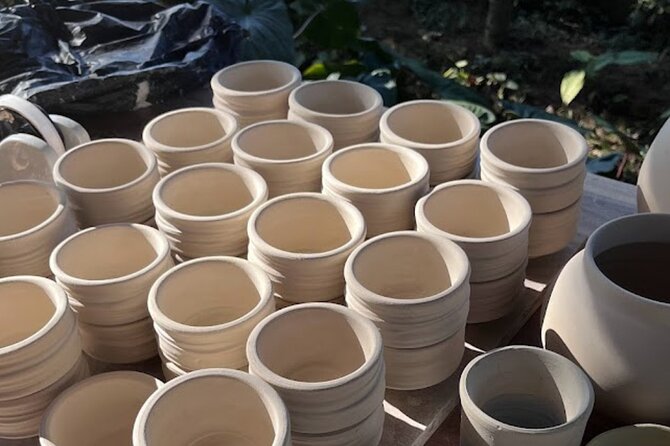
If you want a Bali activity that is hands-on, not staged, this pottery class fits the bill. The core idea is simple: you shape clay with help from local artisans, and you leave with a couple of pieces you made yourself.
What makes it feel authentic is that the instruction is not just about getting a finished product quickly. You learn the basic methods potters use, and you practice enough that you can feel the difference between approaches, especially hand shaping versus wheel work. That makes it more satisfying than a quick demo where you mostly watch.
And yes, the session is also peaceful. One of the best details is the garden setting at the studio, which turns the whole 3 hours into something calmer than most day tours.
Where you meet, and why the location matters
You start at Tana ampo Pottery Studio, in Central Singapadu, Sukawati (Gianyar Regency). The end point is back at the meeting location.
This area is not in the center of Ubud, so expect a drive. People usually plan around 30 minutes from central Ubud, but traffic can stretch that. That matters because you are only in class for about 3 hours, so you will enjoy the experience more if you arrive without stress.
If you are building your Bali itinerary, treat this as a half-day style activity with travel time wrapped around it. Late morning or early afternoon tends to be easier for roads, depending on your other plans.
Price and group size, and what you get for $31.31
The price is $31.31 per person for a session that lasts about 3 hours. For Bali, that is a very reasonable rate for a guided class where you actively work with materials.
The real value is not the studio floor you sit on. It is the combination of guided teaching and the amount of clay you handle. You are provided 2kg of clay, and the class is capped at 10 travelers, which helps keep the mentors available.
Smaller groups matter because pottery is touch and feedback work. If your hands are learning mid-session, you want someone nearby to correct your technique before you build in a lopsided problem you have to live with.
The 3-hour class flow, from first hands-on shaping to wheel practice
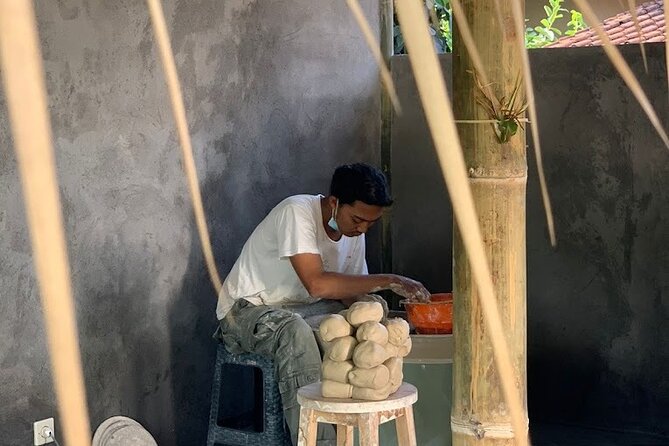
The session runs for roughly 3 hours, and it is structured around doing. You start with an overview of what you will make and how the methods work. Then you move into hands-on time.
In the class, you get to make two pieces, with one typically done by hand and another using the wheel. That structure is smart because wheel throwing teaches different skills than hand building. Even if both pieces are small, you learn the feel of each technique and you get a better sense of what ceramics artists do all day.
During the practice time, mentors focus on the basics. That shows up in the way they teach: they help you understand how the tools and motion work, not just what final shape to aim for. The result is that beginners usually do not feel lost, and people with experience still get useful pointers.
Other things to make with your hands
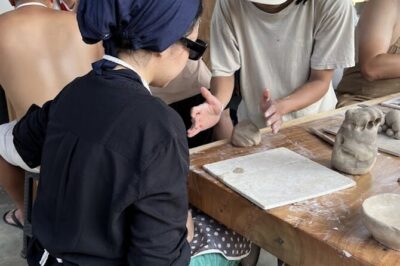
What you learn in real terms: hand building, molding, and clay types
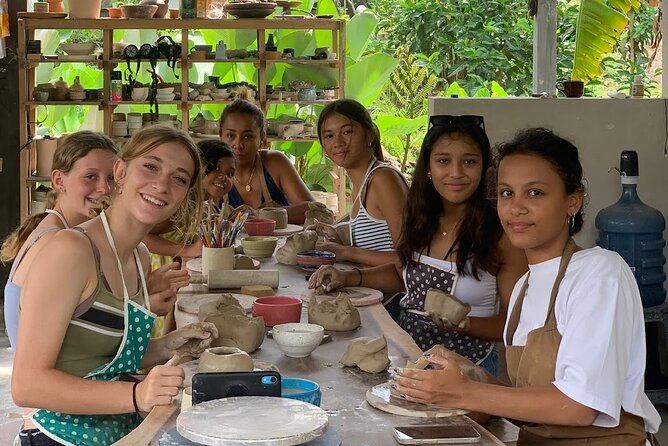
This class is not only about making something pretty. It also teaches you the foundations that explain why ceramics works.
One of the most interesting lessons is learning about clay itself. You get an idea that not all soils or clays work the same way. That is a key concept for anyone who wants to understand ceramics beyond the finished cup or plate.
You also learn basic techniques that show up in everyday ceramics:
- Spinning on the wheel (wheel throwing), which teaches centering and controlled shaping
- Hand building, which relies on shaping clay without wheel motion
- Molding, which helps when you want consistent forms
Even if your first attempts are imperfect, you start seeing ceramics like a process, not a magic trick. And that is what makes the class feel like a mini education, not just a craft activity.
There is also an education and entrepreneurship angle. You do not just make objects and leave. You get a better sense of how ceramic products are made and why the method matters.
The studio experience: calm setting, helpful mentors, and real creativity
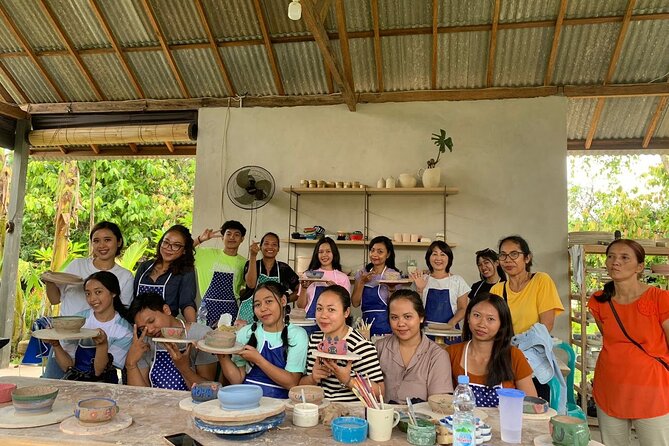
Part of why this class sticks in your mind is the vibe. The studio setting is described as beautiful, often like a garden environment. That matters because pottery can feel slow and fiddly, and a calm space helps you stay patient.
The mentors and their team are also a big part of the experience. You can expect a friendly, guided approach, with help when you need it. People highlight that the team is professional and teaches from the basics in a way that feels easy to follow.
Creativity is part of it too. You are not just making one exact form. You add personalized touches where you can, so your pieces feel like yours, not a cookie-cutter batch from a tourist workshop.
Taking your pottery home: the 4-day rule you should not ignore
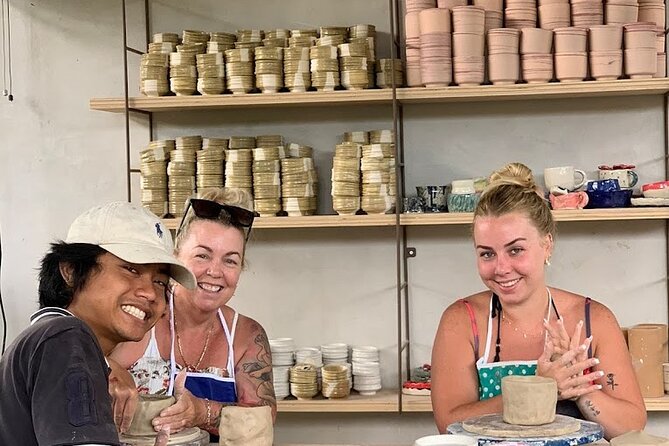
One of the most important practical notes is about take-home time. If you want to take your work with you, you need at least 4 remaining days after the class.
That rule is easy to overlook when you are planning a tight Bali schedule. But pottery typically needs time for drying and finishing before it is safe and ready to travel. Since the class is about crafting, the real storage and finishing time happens after your hands stop shaping clay.
If you are traveling for a short trip, you may need to adjust your schedule so this class comes early enough to allow the return. If you cannot, you still get the experience of making the pieces, but plan for the possibility that you may not take everything home immediately.
What to bring and how to prepare (without overthinking it)
The good news is that most travelers can participate, and the class is designed for a wide range of skill levels.
Still, you will have an easier time if you show up ready for hands-on work:
- Wear clothes you do not mind getting messy
- Bring any small personal items you need for comfort
- Plan to be there for the full 3 hours so you can finish your shaping and get proper guidance
If you have travel plans right after, build in a buffer. Not because it will be chaotic, but because pottery work tends to take longer when you are learning.
Who this is best for, and who might want a different activity
This is best for you if you want a Bali activity that is:
- Practical and hands-on
- Small-group and mentor-led
- A little educational, especially if you are curious about ceramics techniques and clays
- Creative but grounded, with time to actually shape something
It is also a strong choice if you like nature or calm spaces. The garden setting makes it feel less like a rush-and-buy stop.
Consider a different option if you are short on time and cannot spare the extra days needed for take-home pottery. The 4-day requirement can be a deal-breaker if your schedule is already locked.
Booking timing and what to watch for
On average, this class is booked about 6 days in advance. That is a good sign for availability, but it is still smart to reserve early if you are traveling during peak periods.
You also get confirmation at the time of booking, and you use a mobile ticket. That makes it easier than activities that depend on printed vouchers.
Also note the class cap of 10 travelers. If you really care about a calmer, more guided feel, booking earlier helps you get your preferred time slot.
The bottom line: should you book this pottery class?
I think you should book this pottery class if you want something real in Bali, not another quick photo stop. The best part is the combination of guided teaching and actual hands-on work with 2kg of clay, plus the chance to try both wheel and hand techniques in one session.
If your schedule allows you to keep 4 days after the class for take-home finishing, this becomes even more worthwhile because you can bring your work back as a tangible memory.
If you are tight on time, double-check your ability to meet that 4-day rule first. If you cannot, the experience is still enjoyable, but it may not give you the souvenir outcome you were hoping for.
In short: if you enjoy learning by doing and you want a calm, mentor-led craft session, this is a solid value at $31.31.
FAQ
How long is the pottery class in Bali?
The class lasts about 3 hours.
What is the price per person?
The price is $31.31 per person.
Where is the meeting point for the class?
You meet at Tana ampo Pottery Studio, C793+8PH, Central Singapadu, Sukawati, Gianyar Regency, Bali 80582, Indonesia.
What is included in the experience?
It includes a guided pottery class and 2kg of clay.
Is there a limit on group size?
Yes. The class has a maximum of 10 travelers.
Can I take the pottery home?
Yes, but you need a minimum of 4 remaining days left after the class to take your work home.
Will I receive confirmation after booking?
Yes. Confirmation is received at the time of booking.
What is the cancellation policy?
You can cancel for a full refund if you cancel at least 24 hours before the experience starts. Free cancellation is available up to 24 hours in advance.
Make Something to Take Home
- Kekeb Cooking Class at Nusa Dua
★ 5.0 · 33 reviews
More Tour Reviews in Nusa Dua
- Nusa Penida One Day Trip with All-inclusive
★ 4.5 · 743 reviews - Bali Instagram Tour – Lempuyang Bali Gate of Heaven
★ 5.0 · 149 reviews - Bali Parasailing Adventure,Banana Boat,Jet Ski and Donut Boat with Transfers
★ 5.0 · 130 reviews - Devdan Show
★ 4.5 · 113 reviews
Ubud, Three More Ways
- Wonderful of Ubud Private Guided Tour
★ 5.0 · 78 reviews - Best of Ubud Full Day Private Guided Tour
★ 5.0 · 52 reviews - Bali ATV Ride Ubud Waterfall,RiceField,River,Kingkong-Temple cave
★ 5.0 · 38 reviews - Bali ATV Ride Ubud Waterfall, Ricefield,River,Barong Cave, Lunch
★ 4.5 · 22 reviews
Fresh on the Nusa Dua pages





Ubud Day Trips from Kuta, compared.
 ★ 5.0All-Inclusive Ubud Private TourFrom $10014,344 reviews
 ★ 5.0Best of Ubud Full-Day Tour with Jungle SwingFrom $568,571 reviews
 ★ 5.0Ubud: Monkey Forest, Jungle Swing, Rice Terrace, and Water TempleFrom $317,160 reviews
 ★ 5.0Best of Ubud 1-Day Private TourFrom $544,451 reviews
 ★ 4.4Ubud Palace Legong Dance Show TicketFrom $63,979 reviews
 ★ 5.0Body Massage Experience in Ubud Traditional SpaFrom $213,506 reviews
 ★ 4.4Ubud Kecak and Fire Dance Show TicketsFrom $62,631 reviews
 ★ 5.0Ubud Cooking Class Bali with Balinese ChefFrom $351,609 reviews
More Kuta tours like this one