

Review · NUSA PENIDA DAY TRIPS FROM KUTA
Snorkeling and Freediving Trip around Nusa Penida
Mantas first, before the crowds. This morning trip from Nusa Penida is built around early timing at Manta Point, so you stand a better chance of sharing the water with manta rays before the big Bali boat wave arrives. I also like that the day is structured for variety, from manta action to calm reef snorkeling.
The second thing I really like is the all-in setup, you get professional breath-hold instruction and snorkeling gear plus wetsuits and fins if you need them. One heads up though: sightings are never guaranteed, and choppy open-ocean conditions can make the trip feel more intense than you expect, so be honest about your swimming comfort.
Key Points You’ll Care About

- Early arrival at Manta Point improves your odds when boats are still trickling in
- Three reef stops in a tight half-day route keeps the day moving
- Gear included (snorkeling or breath-hold equipment, wetsuit, fins as needed)
- Manta interaction rules plus safety briefing before you hit the water
- Small groups of up to 12 help the guides manage everyone in current and crowds
- Route and timing can shift with weather and tide, so plan a little flex
Other boats crossing to Penida
- Bali to Nusa Penida: Premium Private Full Day Tour-All Inclusive★ 5.0 · 764 reviews
- One Day Nusa Penida Island West with Snorkeling★ 4.5 · 560 reviews
- One Day Nusa Penida Island West & East★ 4.5 · 425 reviews
- Nusa Penida Two Dives Trip for Certified Divers★ 5.0 · 197 reviews
Why the 10:00 am Start Matters for Manta Rays at Manta Point

Nusa Penida is famous for manta rays, but timing is everything. This trip meets at the freedive school in Nusa Penida at 10:00 am, then you head out by speedboat so you can reach Manta Point early. The idea is simple: fewer boats in the water means the mantas are less spooked, and you get more space to swim and watch without constant surface chaos.
I like how the plan is clear about what it’s trying to do. They don’t sell manta rays as a guaranteed photo op. They brief you on rules of interaction first, then go hunting for mantas. If they don’t show up at Manta Point, you’re still not stuck, the crew tries to locate them at the other stops.
For most people, that matters more than fancy add-ons. On a half-day outing, you want your precious water time to count, and the early start is the main lever they pull.
Getting Kitted Up: Wetsuits, Fins, Safety Boxes, and Hot Tea
Before you even reach the ocean, the tour runs like it has real flow. You meet at the freedive school, then you get your equipment on site. Depending on what you’re doing that day, you’ll get snorkeling gear or breath-hold equipment, and you might be fitted with a wetsuit and long fins if needed.
A few small touches make a difference. You get coffee or tea, plus hot ginger tea, and there’s a hot shower and other facilities at the school. After time on a fast boat, that alone can turn a “rough morning” into a “solid plan,” especially if the water is cool.
They also hand out practical safety support. You’ll get a safety briefing, rules for manta interactions, and there are safety boxes available. And if you’re prone to nausea, you’ll want to pay attention here: the tour warns that the water can be choppy, and you can take seasickness pills in the morning, with some provided.
If you’re the type who likes to be ready, arrive having had a light breakfast. Don’t show up starving, and don’t go in with a heavy meal either.
Spot 1: Manta Point, Rules of Interaction, and What to Expect If They Show Up
Manta Point is the headline, and it’s treated that way. Your crew sets you up, then you enter with instructions that focus on two things: safety and respectful behavior around mantas.
Here’s what that means in real terms. The briefing isn’t just “don’t touch.” It’s about how to move in the water when animals are nearby, how to avoid blocking other swimmers, and how to keep your breathing and buoyancy calm so you don’t startle the mantas. If you’ve never seen mantas before, this part helps you understand that the goal is watching and swimming alongside them, not rushing them.
Odds and reality check. The tour does not promise mantas. Nature runs the schedule. If they’re not there at Manta Point, the crew tries to find them in the other spots. That flexible plan is a big reason I’d choose this format instead of a purely rigid itinerary.
Crowds are another factor. Manta Point can be busy. The early start helps, but even at quieter times, you’ll share the water with other snorkelers and swimmers. The best move is to listen closely to your guide about where to position yourself and when to move, because the guide’s job is to match you to the moment the animals are in view.
If you’re going for the “I want to swim with mantas” experience, this is where you should mentally expect your highlight. Everything after is a bonus.
Spot 2: Toyapakeh Wall for Colorful Fish and Easy Reef Snorkeling

After manta time comes the reef variety, and Toyapakeh Wall is a great contrast. Instead of watching for a moving highlight animal, you get coral structures that naturally hold fish. The payoff is that this stop tends to feel calmer and more “snorkel-friendly,” even if conditions outside are a bit rough.
What makes Toyapakeh Wall special is the underwater look: a wall-like reef area with colorful corals and lots of tropical fish. If you’re a first-timer, this stop is often the easiest place to relax and enjoy. If you’re experienced, it still rewards you because the reef structure gives you something to focus on besides scanning the horizon.
Practical tip: keep your buoyancy under control and swim slow. The coral is the main attraction, and fast flailing tends to stir up water and reduce visibility. Your guide will likely set an order and timing for groups, so follow their cues rather than trying to freestyle your own route.
If manta rays are the reason you booked, Toyapakeh Wall is the reason you’ll remember the whole day. It turns the trip into more than one moment at one spot.
Clearer water, other boats
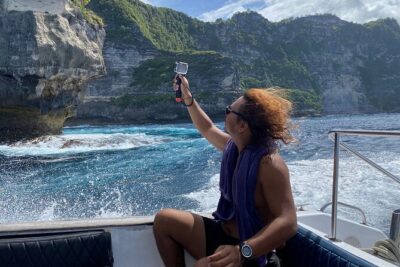
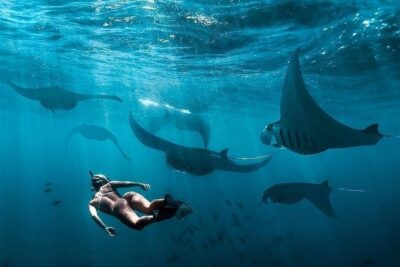

Spot 3: SD Point Drift, Shallow Reef Vibes, and Turtle Hopes

The final stop is SD Point, described as a relaxed drifting run along a shallow coral-covered slope. This matters because it changes the feeling of the trip. You’re not battling waves and pushing hard, you’re letting the reef and current do the work so you can enjoy the underwater scenery.
This is also where the tour offers one more reason to look up from your snorkel: there’s a high chance of seeing turtles. They don’t guarantee it, but the shallow reef style of viewing is often ideal for turtles to cruise.
A drift stop has one big advantage: you can spend more time watching rather than “swimming to the next thing.” It’s also a good moment to slow your breathing and settle into a comfortable rhythm.
One caution: drifting in choppy open water can still feel like an effort. If you’re nervous about open-ocean swimming, SD Point is exactly where you should pay attention to how the boat-to-water transition and current feel. If you need to adjust your pace or ask questions, do it early, not once you’re out in the water.
Choppy Water, Seasickness Pills, and How to Judge Your Comfort Level
Nusa Penida snorkeling is not a lazy pool party. The trip specifically notes that water can be very choppy. It also says you should take seasickness pills and that you must feel confident enough to swim in open ocean.
That’s the part that deserves honest reflection before you book. If your swimming comfort is limited, or if you hate rough boat rides, you might find the day stressful. If you can swim, but waves make you panic, consider what happens when you’re floating and the horizon is moving.
Here’s how to make a smart decision with the info you have:
- Think about your last open-water swim. How did you feel when the surface wasn’t calm?
- If you get motion sickness easily, use the plan they give you, light breakfast and seasickness pills.
- Expect wind and waves to affect visibility. If you’re doing this for manta rays, you’ll want patience, not frustration.
The best approach is simple: go in ready to adapt. This tour may adjust route and meeting time based on weather, and nature may move the manta timeline. If you can handle uncertainty, you’ll likely have a better day.
Size, Instruction, and Why This Tour Feels Well Managed

The tour caps at 12 travelers, which is a big deal for an experience that involves open-ocean conditions and animal spotting. Smaller groups are easier for guides to manage when people need help with fins, entry timing, or spacing around mantas.
I also like that the guides are experienced with the local wildlife spots and rules. Before you enter the water, you get a detailed briefing about manta rays, including rules of interaction and safety. That kind of pre-water clarity matters because everyone is calmer when expectations are clear.
In the real world, good guide energy can make or break a first-time experience. One guest specifically praised a guide named Gaston for being reassuring. If you’re new to snorkeling in strong conditions, that kind of calm, step-by-step guidance is exactly what you want.
Just remember: guides can steer the plan, but they cannot control nature.
Price and Value: Is $60 for a Half-Day Reef Trip Fair?

At $60 per person for about 4 hours, this is positioned as an accessible “big wildlife day” rather than a luxury private charter. The math makes sense when you look at what’s included.
Included pieces you’d otherwise pay for:
- Snorkeling equipment or breath-hold equipment
- Wetsuits and long fins if needed
- Fees and taxes
- Coffee or tea plus hot ginger tea
- Water refill
- Safety boxes
- Hot shower and school facilities
The value gets better because the tour is built around three real snorkeling areas, not just one long stop. You get manta time, then reef coral gardens, then a drift along a shallow slope. That variety reduces the chance you’ll feel like you “only did one thing.”
What’s not included is equally important for your budget. Transfer from Bali to Nusa Penida is not included, and you’ll also handle transportation to and from the meeting point. That means you should price this trip as part of your full Nusa Penida day plan, not as the total cost of the outing.
Booked about 17 days in advance on average, the trip has demand. If you like this exact mix of manta odds plus reef variety, booking ahead is usually the smart move.
Logistics on Nusa Penida: Plan for Short Moves and Possible Timing Shifts
The meet-up is at the freedive school in Nusa Penida, and the tour ends back at the same place. On paper, that sounds simple. In practice, your day depends on getting to the school on time after you cross over from Bali.
A couple of practical lessons:
1) Build in buffer time for tide and weather. The tour notes that meeting time and route may change with conditions. In real life, that can mean you need to be flexible once you’re already on Nusa Penida.
2) Gear pickup can vary depending on how you booked. One guest found their process smoother when they booked with a company closer to the harbor, because they had to handle their own short move to pick up equipment. The takeaway is not to panic, but to confirm where gear pickup happens in your specific booking flow.
This is one of those tours where being 10 minutes early is not “overplanning.” It’s peace of mind.
Also, remember you must be confident swimming in open ocean. That means you should be mentally ready for conditions that are not calm and controlled.
Who Should Book This Nusa Penida Trip (and Who Should Rethink)
This experience fits best if you want:
- A shot at manta rays with early timing at Manta Point
- A structured half-day with three snorkeling stops
- Instruction that covers safety and rules for interacting with mantas
- A tour size that stays under 12 people, which usually helps on busy reef days
You might rethink it if:
- You feel uncomfortable swimming in open water
- You get seriously motion sick and doubt you can handle a choppy speedboat ride
- You prefer a fully guaranteed nature outcome. Here, nature runs the show.
If you’re an experienced snorkeler who just wants good reefs, Toyapakeh Wall and SD Point will still deliver. If you’re a first-timer, the briefing and small group setup can make it more manageable, as long as you’re honest about comfort in rough water.
Should You Book This Nusa Penida Snorkeling and Breath-Hold Trip?
I’d book this if you’re chasing the manta experience but also want your day to include real reef time, not just one quick animal sighting. The early arrival plan, plus the three-stop route, is a strong mix for a half-day.
Book with clear expectations. You’re paying for professional guidance, gear, and smart timing, not a guaranteed manta encounter. If conditions are rough, you need to be okay with that reality and with the fact that routes and timing can shift.
My simple decision checklist:
- If you can swim confidently in open water and you don’t mind choppy boat rides, this is worth it.
- If manta rays are a top goal and you like the idea of early access, book ahead.
- If you’re highly motion sensitive or nervous in open ocean, consider a calmer day plan instead.
FAQ
What time does the tour start?
The activity starts at 10:00 am and meets at the freedive school in Nusa Penida.
How long is the trip?
It runs for about 4 hours (approx.) and ends back at the meeting point.
What’s included in the price?
You get snorkeling equipment, breath-hold equipment, all fees and taxes, coffee or tea with hot ginger tea, water refills, safety boxes, and access to hot shower and school facilities.
Do I need to bring snorkeling or freediving gear?
No. The tour provides the equipment, including wetsuits and long fins if needed.
Is seeing manta rays guaranteed?
No. The tour says manta encounters cannot be guaranteed. If mantas are not at Manta Point, the crew will try to find them in the other spots.
What happens if the weather is bad?
The route and meeting time may be adjusted due to weather. If the experience is canceled because of poor weather, you’ll be offered a different date or a full refund.
Where the Water Is Clear
- ️Nusa Penida by Private Boat – Snorkeling 4 spots, Swim with Mantas + Land Tour
★ 5.0 · 6,424 reviews - One Day Nusa Penida Island West with Snorkeling
★ 4.5 · 560 reviews - Snorkeling Manta Ray Safari in Nusa Penida
★ 4.0 · 167 reviews - Explore 4 iconic snorkeling spots of Manta Bay in Nusa Penida
★ 4.5 · 29 reviews
More Tour Reviews in Nusa Penida
- ️Nusa Penida by Private Boat – Snorkeling 4 spots, Swim with Mantas + Land Tour
★ 5.0 · 6,424 reviews - Bali to Nusa Penida: Premium Private Full Day Tour-All Inclusive
★ 5.0 · 764 reviews - One Day Nusa Penida Island West with Snorkeling
★ 4.5 · 560 reviews - One Day Nusa Penida Island West & East
★ 4.5 · 425 reviews
Crossing to Nusa Penida
- Bali to Nusa Penida: Premium Private Full Day Tour-All Inclusive
★ 5.0 · 764 reviews - One Day Nusa Penida Island West with Snorkeling
★ 4.5 · 560 reviews - One Day Nusa Penida Island West & East
★ 4.5 · 425 reviews - Nusa Penida Two Dives Trip for Certified Divers
★ 5.0 · 197 reviews
Fresh on the Nusa Penida pages


Nusa Penida Day Trips from Kuta, compared.
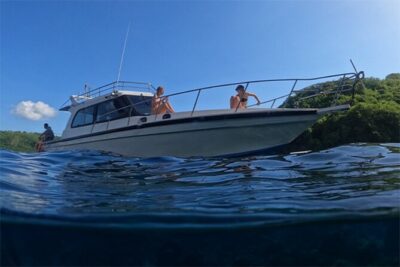 ★ 5.0Nusa Penida day trip: boat, 4 snorkeling, Manta rays & Land tourFrom $782,033 reviews
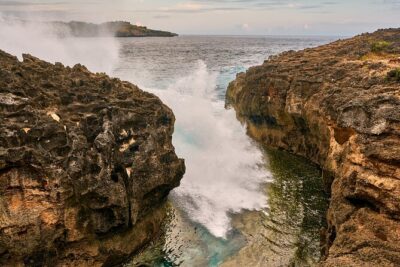 ★ 5.0Bali Nusa Penida West Private All-Inclusive TourFrom $801,277 reviews
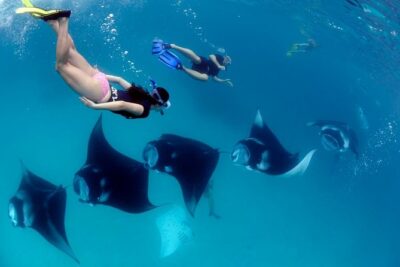 ★ 5.0Nusa Penida Snorkeling Adventure (Private & All-Inclusive)From $1291,197 reviews
Bali to Nusa Penida: Premium Private Full Day Tour-All InclusiveFrom $495764 reviews
★ 5.0Nusa Penida Snorkeling Adventure (Private & All-Inclusive)From $1291,197 reviews
Bali to Nusa Penida: Premium Private Full Day Tour-All InclusiveFrom $495764 reviews
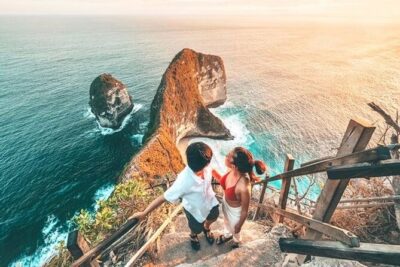 ★ 4.5Nusa Penida One Day Trip with All-inclusiveFrom $51743 reviews
One Day Nusa Penida Island West with SnorkelingFrom $29560 reviews
★ 4.5Nusa Penida One Day Trip with All-inclusiveFrom $51743 reviews
One Day Nusa Penida Island West with SnorkelingFrom $29560 reviews
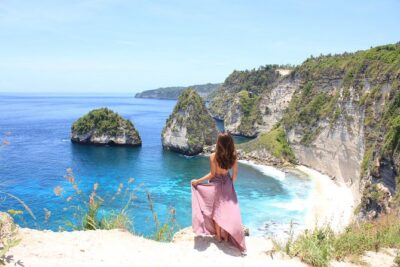 ★ 5.0️ Nusa Penida Instagram Tour: The Most Famous Spots (Private All-Inclusive)From $119538 reviews
More Kuta tours like this one