
Review · SCUBA DIVING
Sanur Open Water Course learn diving in 3 Days – Get certified & Dive everywhere
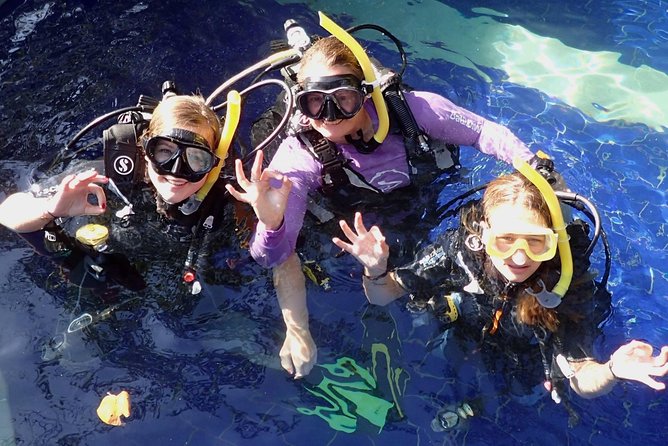
Sanur is a smart place to start scuba training, especially if you want real support. This 3-day PADI Open Water course mixes calm pool skills in Sanur with ocean sessions, guided by insured, reef-knowledgeable instructors and a small group limit of 6.
I like how it builds competence step by step, starting with online theory review and then hands-on practice in controlled water. I also like the focus on safety and comfort, with instructors named in past bookings such as Astama, Benny Wiratno Bunadji, and others like Aan, Aang, and Made.
The one consideration is logistics and weather. You have multiple open-water days, and the exact sites on day 3 depend on conditions, so you should plan for flexibility (and bring patience).
Key highlights worth planning for
- PADI Open Water certification: recognized worldwide, and the training is designed for safe use up to 18 meters
- 3 days total: online theory review, day 1 pool skills, days 2 to 3 ocean sessions
- Small group cap of 6: more instructor attention than big batches
- Confident coaching: past learners specifically praised patient, professional instruction and clear English or even Italian support from instructors
- Real Bali sites: Sanur Bay plus a day 3 choice between Padang Bai or Tulamben depending on conditions
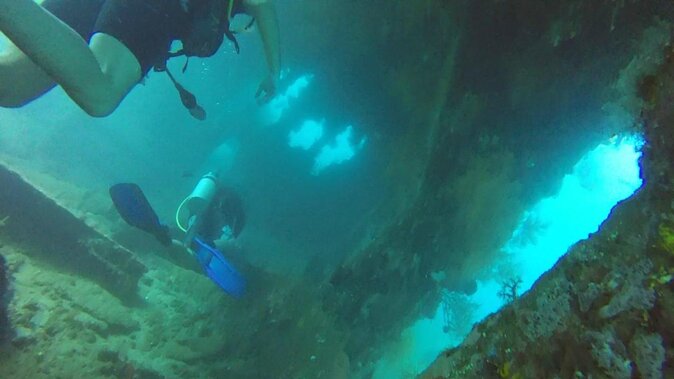
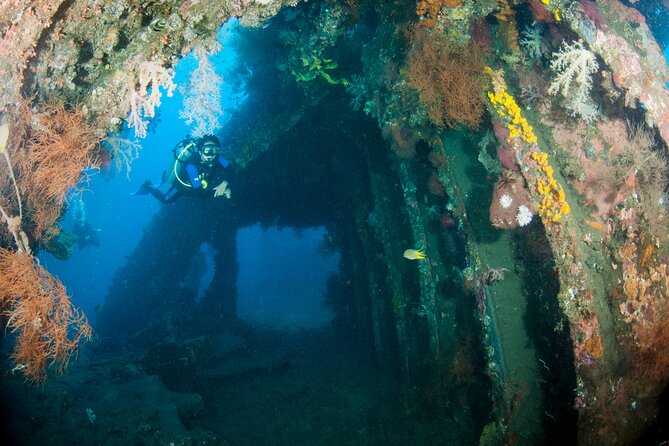
- Wreck included: the route features the USS Liberty Shipwreck as one of the stops
More diving along the east coast
- Scuba Diving in Nusa Penida – Manta Point★ 5.0 · 198 reviews
- Try Diving in Manta Point – Nusa Penida★ 5.0 · 41 reviews
- Scuba Diving Nusa Penida Manta Point 3 dives for certified divers★ 5.0 · 35 reviews
- Bali Scuba Diving trip at Tulamben for Certified Diver★ 5.0 · 26 reviews
PADI Open Water in Sanur, set up for first-time calm
If you are brand new to scuba, you do not need more hype. You need a plan that keeps you focused, steady, and safe. This course runs out of Sanur and aims to get you from first breaths underwater to a confident foundation you can build on later.
You start with PADI e-learning theory, either before the course or during the 3 days. Then your instructor ties it together with real demonstrations and guided practice, first in a pool and then in open water. The result is not just check-the-box training. It is training designed to reduce the usual first-timer panic, so your brain can focus on breathing, buoyancy, and basic control.
The program is also built around real local conditions. Sanur is known for easier access to calm training environments, and the schedule includes Sanur Bay for the first open-water day, then a day 3 site choice based on the day’s conditions. That flexibility matters more than people think. When currents and visibility shift, you want a course that adapts without scrambling.
Day 1 pool skills in Sanur, where good habits get built
Day 1 is your confined water day, a pool session in Sanur. This is the part that often makes or breaks first-timer confidence, because you can learn key skills without waves, without surprise depth, and without the mental load of open-water navigation.
In a good Open Water course, the pool is not just a requirement. It is where you practice the fundamentals until they feel automatic. Here, the course follows the PADI structure: your online theory is reviewed with a certified instructor, then you apply that knowledge in the pool.
Why this matters for your comfort:
- You learn equipment handling step by step, while your body gets used to breathing underwater
- You practice key buoyancy behaviors in a controlled setting, so you do not have to learn fundamentals and manage anxiety at the same time
- You get instructor feedback early, when you are still building muscle memory
If you are nervous, the pool day is your friend. It is where you can ask questions without the pressure of being far from the surface.
Day 2 in Sanur Bay, two open-water sessions that teach control
Day 2 brings you into open water with two training sessions in Sanur Bay. This is where the course shifts from practice to real underwater feel.
Sanur Bay is a smart choice for day 2 because it gives you a chance to apply pool skills in a coastal setting. That means you are still learning core scuba routines, but the environment is typically more approachable for new students than more exposed waters.
Across those two sessions, the big goal is control:
- Breathe steadily and stay calm while moving through the water
- Use buoyancy intentionally, not accidentally
- Follow your instructor’s cues and build a rhythm you can repeat
A detail worth taking seriously is that the course keeps it small. With a maximum of 6 travelers, you are more likely to get timely coaching, especially when you need a quick reset on posture, breathing pace, or equipment checks.
Day 3 site choices in Padang Bai or Tulamben, plus an optional extra day plan
Day 3 is another two open-water sessions, with the location depending on daily conditions: Padang Bai or Tulamben. This is where the course becomes more than a classroom. You are learning in real Bali environments, and the plan adapts to what the sea is willing to offer that day.
Two practical reasons this matters:
- Day-to-day water conditions change. The choice between Padang Bai and Tulamben is meant to keep the experience safe and teachable.
- You are not stuck in a single, rigid plan. If conditions favor one area that day, the course is designed to use that.
Other Kuta days people book alongside this one


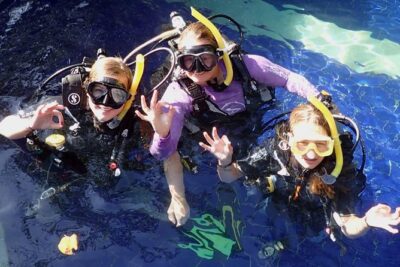
The USS Liberty Shipwreck stop
One of the included stops is the USS Liberty Shipwreck. For new students, a wreck site can be inspiring and a bit intense, so having it as a structured stop makes sense. You are not roaming around on your own. You are there as part of training, guided with safety as the priority.
What to expect at a wreck stop (in practical terms):
- You will likely focus on staying stable and maintaining good buoyancy near structure
- You will follow line cues and instructor guidance closely
- You will learn how to look without rushing, because equipment control matters more than speed
Optional Nusa Penida on day 3
Also possible on day 3 is Nusa Penida, listed as an option with pricing in the available choices. If you already know you want the island scenery side of Bali, this can be a strong add-on. Just remember that any optional site can mean you should be ready for changes depending on the day’s conditions.
Theory is online, so your time in water stays useful
The course uses PADI e-learning for theory. You can do it before you arrive or during the 3 days, and then your instructor reviews it.
That matters because it changes how you spend your limited course time. Instead of sitting through long theory lectures while your body wants to get into the water, you can get the headwork done efficiently. Then the instructor spends time on what you actually need to pass and progress: equipment familiarity, skills practice, and guided underwater application.
If you are the kind of person who learns best right before doing the activity, doing the e-learning early in the trip is a smart move. You will arrive with less to cram and more energy to focus on practice.
Equipment, pickup, and why the “small team” approach matters
This experience includes:
- Lunch
- Use of scuba equipment
- Hotel pickup and drop-off
- PADI manual and certification
- A PADI certified instructor
Pickup matters if you want a smooth first day. Arriving at the pool and gear prep matters, and the course handles that part for you. Starting at 9:00 am also means you get a full day without losing time to late starts.
The gear piece is more than a checklist. Several past learners emphasized that the equipment was new or in good condition and that the center keeps proper records. When you are first learning, equipment reliability directly affects your comfort. If something feels off, it can make you tense. When everything is checked and ready, you can focus on your breathing and buoyancy instead.
The course also highlights safety and a “100% safety track record.” I cannot verify a global statistic from my own experience here, but the practical takeaway is clear: you should feel comfortable asking questions and expecting clear instruction, and the program is designed around professional, insured guidance.
Price and value: is $480 a fair deal for 3 days?
At $480 per person for about 3 days, the value mostly comes from what is included, not just the number.
You are paying for:
- PADI Open Water certification materials (manual and certification)
- Instructor time across pool and ocean sessions
- Scuba equipment use
- Hotel pickup and drop-off
- Lunch
- A group size capped at 6 travelers
What is not included:
- Camera rental (available if you want it)
Here is how I’d judge value if I were picking a course:
- If you factor in that you need certification plus instructor support plus gear, $480 for a 3-day structure in Bali can be a reasonable package, especially with included pickup and small group limits.
- The biggest “value boost” is the number of practice segments you get. Pool day plus four open-water training sessions across days 2 and 3 is a meaningful training rhythm for first-timers.
- If you want a course where staff names show up repeatedly in past experiences, that suggests consistency. Names that came up include Astama, and instructor Benny Wiratno Bunadji.
In short, the price makes sense if you want a guided, structured Open Water path with included logistics.
Who should take this course, and who should think twice
This is a great fit if:
- You want a PADI Open Water start and a certification you can use worldwide
- You prefer small groups and clear, patient coaching
- You like the idea of a short, focused 3-day schedule rather than a drawn-out program
It may not be ideal if:
- You hate adapting to changing conditions. Day 3 depends on the day’s weather and conditions for the best site choice.
- You do not have a moderate fitness level. The program notes travelers should have moderate physical fitness.
- You expect solo chaos. Even if you have personal preferences, it is still a structured course with instructor-led pacing.
Practical tips so your first week doesn’t feel harder than it should
A scuba course rewards preparation. Here are smart, practical moves based on how these programs usually work and what the schedule implies.
Before you go
- If you can, do part of the PADI e-learning early. You can still finish during the trip, but fewer open tabs in your head helps you learn faster.
- Bring swimwear you are comfortable wearing for multiple water days.
- Pack a small towel and quick-dry layer for between sessions.
On course days
- Eat lunch and hydrate. You have more water time than many people expect across 3 days.
- Keep your gear simple. The included equipment use means you should not need fancy extras, but you do want to stay warm between sessions.
- Ask questions early, especially in the pool. The pool is where you can correct mistakes without feeling rushed.
About communication
Past learners highlighted that instruction can be very clear, including examples where an instructor spoke Italian. That is a good sign if you want extra clarity. If you have language needs, ask before you start so the course can set you up well.
Should you book this Sanur Open Water course?
If your goal is a structured, certified start in Bali, I’d say this is a solid booking. The strongest reason is the combination of small-group training, included pickup and equipment, and a clear 3-day flow that moves from online theory to pool skills and then multiple open-water sessions. That rhythm is what helps first-timers feel capable instead of overwhelmed.
I’d book especially if you want:
- PADI Open Water with global recognition
- Training with instructors known for patience and professionalism, including names like Astama and Benny Wiratno Bunadji
- A course route that includes a major site stop like USS Liberty Shipwreck
I would hesitate only if you cannot deal with weather-driven changes on day 3, or if your fitness level is below moderate. If you can be flexible and follow the instructor’s pace, the odds are high you’ll leave the course with skills you can build on quickly.
FAQ
When does the theory happen?
Theory is done through PADI e-learning. You can complete it before the start of the course or during the 3 days, and it is reviewed with your certified instructor.
What happens on day 1?
Day 1 is a pool session in Sanur, covering confined-water skills with your instructor.
Where are the open-water sessions on days 2 and 3?
Day 2 includes two open-water sessions in Sanur Bay. Day 3 includes two open-water sessions in Padang Bai or Tulamben, depending on the day’s conditions.
Can I add Nusa Penida?
Yes. Diving in Nusa Penida is listed as possible on day 3, with pricing shown in the available options.
How many people are in the group?
The maximum group size is 6 travelers.
What does the $480 price include?
It includes lunch, use of scuba equipment, hotel pickup and drop-off, the PADI manual and certification, and a PADI certified instructor.
What if weather cancels the course?
This experience requires good weather. If it is canceled due to poor weather, you will be offered a different date or a full refund.
More 3-Day Experiences in Kuta
- All inclusive Private 3 day tours package : Bali highlights
★ 5.0 · 348 reviews - Private 3-day Tour Package: Bali’s Top Sights
★ 5.0 · 61 reviews - Bali Private 3 Days Tour Package Highlight
★ 5.0 · 48 reviews
Deeper Off the East Coast
- Scuba Diving in Nusa Penida – Manta Point
★ 5.0 · 198 reviews - Try Diving in Manta Point – Nusa Penida
★ 5.0 · 41 reviews - Scuba Diving Nusa Penida Manta Point 3 dives for certified divers
★ 5.0 · 35 reviews - Bali Scuba Diving trip at Tulamben for Certified Diver
★ 5.0 · 26 reviews
More Tour Reviews in Kuta
- Nusa Penida day trip: boat, 4 snorkeling, Manta rays & Land tour
★ 5.0 · 2,033 reviews - Bali Nusa Penida West Private All-Inclusive Tour
★ 5.0 · 1,277 reviews - Mount Batur Sunrise Trekking Private Tour with Breakfast and Hotel Transfer
★ 5.0 · 885 reviews - Individual Bali Day Trip with Private Driver and Free WiFi
★ 5.0 · 755 reviews
Fresh on the Kuta pages




Scuba Diving, compared.
 ★ 5.02 Days Discover Scuba Diving in Nusa Lembongan – Scuba InitiationFrom $151506 reviews
 ★ 5.0Bali Diving for Beginners: Tulamben Liberty WreckFrom $89367 reviews
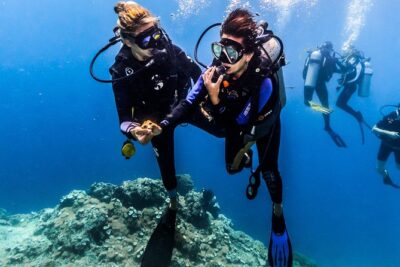 ★ 5.0Discover Scuba Diving in Tulamben – Diving Initiation in Bali best diving sitesFrom $89353 reviews
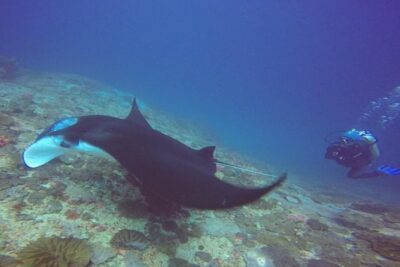 ★ 5.0Scuba Diving in Nusa Penida – Manta PointFrom $175198 reviews
Tulamben Diving USS Liberty Shipwreck Scuba DiveFrom $64186 reviews
★ 5.0Scuba Diving in Nusa Penida – Manta PointFrom $175198 reviews
Tulamben Diving USS Liberty Shipwreck Scuba DiveFrom $64186 reviews
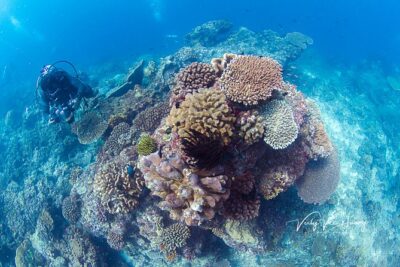 ★ 5.0Bali Diving Day Trip-Manta Point/Tulamben Shipwreck-Fun DiveFrom $95104 reviews
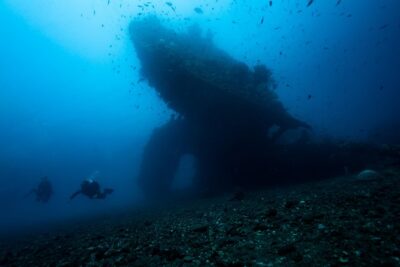 ★ 5.05 Fun Dives in Tulamben (for certified divers) – Discover famous diving sitesFrom $16693 reviews
Introduction into diving (half day, 2 dives, no cert)From $12180 reviews
★ 5.05 Fun Dives in Tulamben (for certified divers) – Discover famous diving sitesFrom $16693 reviews
Introduction into diving (half day, 2 dives, no cert)From $12180 reviews
More Kuta tours like this one