

Review · NUSA PENIDA DAY TRIPS FROM KUTA
Nusa Penida Try Scuba Diving Program – for Non-Certified Divers
Coral reefs are closer than you think. This try scuba program in Nusa Penida is built for non-certified divers, with pool training before you ever go out to the reef. The day is structured, safety-led, and small-group, so you can focus on learning instead of worrying.
I especially like the small instructor ratio in the open water, plus the fact that you get real coaching from start to finish. Another win is the pool-first approach with a mandatory swim and float check, which helps you feel in control before you breathe underwater.
The main thing to consider is the requirement to pass a 200 meter swim and a 10 minute float. If you are not comfortable in water that is too deep to stand, this program may not be for you.
Key points before you book

- Pool training first so you learn breathing, equalisation basics, and simple skills in a controlled setting
- Tight supervision with no more than two divers per instructor in the open water
- Limited depth with a maximum of 12 meters and usually 35 to 55 minutes underwater
- Gear included (including the basic mask and standard kit), and an underwater computer is not included
- Small groups, with a max of 10 travelers for the whole activity
- Starts at 10:30 am at Pure Dive Resort, then you return to the same meeting point
Other boats crossing to Penida
- Bali to Nusa Penida: Premium Private Full Day Tour-All Inclusive★ 5.0 · 764 reviews
- One Day Nusa Penida Island West with Snorkeling★ 4.5 · 560 reviews
- One Day Nusa Penida Island West & East★ 4.5 · 425 reviews
- Nusa Penida Two Dives Trip for Certified Divers★ 5.0 · 197 reviews
Where the day starts at Pure Dive Resort (10:30 am, not too complicated)

Your day kicks off at Pure Dive Resort in Nusa Penida. The start time is 10:30 am, and the activity ends back at the same place. Expect a half-day pace, with the main time split between training and an open-water reef session.
This setup is practical if you want to fit scuba practice into a Bali trip without giving up your whole day. It is also helpful that the start point is described as near public transportation, in case you are not staying right next door.
One thing I like in programs like this is that they keep the logistics tight, boats waiting close to the beach, short ride to the reef area, and then you are back. You are not doing a long, exhausting chain of transfers just to get your first breaths underwater.
The briefing that makes or breaks your confidence (30 to 40 minutes)
Before anything happens in the water, you get a detailed 30 to 40 minute briefing. The topics include breathing underwater, equalisation, equipment, and general safety. This matters because first-time scuba success is mostly about understanding what your body is supposed to do when you are pressurized and breathing from a regulator.
You will also get guidance on how the day works, including how the training pool practice leads into the open water. If you are nervous, this briefing is where you get to ask questions and learn what to expect.
I like that the program is described as directly supervised and designed for safety. It is not just hands-off teaching. The structure is there to prevent you from guessing.
Pool practice, the swim and float tests, and why it is a good sign
The pool stage is the heart of this course. You start with mandatory checks: a 200 meter swim and a 10 minute float in water too deep to stand. These are not meant to punish you. They are meant to confirm you can stay calm, handle basic water movement, and manage buoyancy while you learn breathing underwater.
After you pass those tests, you move into actual try-scuba skills under a certified instructor. You practice breathing underwater, plus simple techniques like clearing water from your mask. This is the stuff that turns an intimidating experience into a manageable one.
Here is the practical value: pool time is where you build muscle memory without ocean uncertainty. In the pool, you can focus on your breathing rhythm and hand movements. Then when you step into the open water, you already have the basics in your body, not just in your head.
What you learn before you ever reach 12 meters
Your first open-water session is capped at 12 meters maximum depth. That depth limit is a big part of why this feels like a learning experience instead of a stress test.
During the skills progression, you will work through fundamentals tied to real diving needs. The briefing covers the why behind equalisation, and the pool practice gives you the chance to do it while supervised. If you have ever had ear pressure issues when swimming or descending, this matters a lot, and the program explicitly advises reasonably good health with no major respiratory, sinus, or ear concerns.
In other words, the plan is: learn controlled skills, practice them safely, then use them in a shallow open-water reef setting. That is exactly what you want for a first underwater experience.
More diving along the east coast

Gear details: what is included, and what you may want to bring
Included in the program is a full set of standard scuba gear. The experience description also emphasizes you do not need to invest in a mask, since basic equipment is provided as part of the kit. That lowers the biggest headache for first-timers: buying gear you might never use again.
One key note from the tour details: a dive computer is not included. So if you are hoping to have your own instrument for tracking depth and time, you will need to arrange that separately.
Also, the experience includes scuba insurance. That is a comfort factor for your first time, because it takes one more variable out of the equation.
What I recommend you bring is not listed in the tour data, so I will keep it general: wear something you can get wet, and bring a dry change for after. You will be happier if you can go home warm and dry instead of sitting in wet clothes.
The boat transfer to the reef area, with conditions in mind
Once pool training is completed, you head out from the beach. The program description says the boats are waiting across the road, right on the shore, with a short ride to the reef area.
That matters because it reduces time on a boat for a first-timer. Long rides can make some people seasick, and you are already doing a physically focused activity. A short transfer helps keep your energy for the underwater part.
The operator also frames it as going to the best conditions at the moment. You might see different reef spots depending on weather and sea state, but the overall goal stays the same: good visibility and a reef experience that fits a non-certified group.
The open-water session: maximum depth, time, and supervision
Your open-water underwater time is typically 35 to 55 minutes, depending on air consumption. The program caps depth at 12 meters, which keeps things within a controlled training range.
The standout safety feature is the supervision style. There is no more than two participants per instructor in the open water, so you are not lost in a big group. In practice, this means you can get help fast if something feels off, and you are less likely to drift away from guidance.
Also, the program states you are directly supervised at all times. That is not a small detail. It changes your mental experience. You can focus on breathing and staying relaxed because someone is watching you continuously.
This is where I think the “first time fear” stories you read about make sense. People who were afraid often feel better once they realize they are not left to figure it out alone. Names from instructor feedback include Budi and Budi is also referred to as Budiana, and more than one person praised instruction patience and step-by-step reassurance.
What the reef time feels like when you are not overthinking it
You are going to a coral reef environment in Nusa Penida with the goal of seeing marine life up close. The description specifically mentions you can expect coral and tropical fish. That aligns with how most intro scuba programs sell the experience, but the important part is how you get there.
Because this is pool-trained, you are more likely to experience the reef instead of monitoring every breath. The goal is not achievement. It is getting comfortable, staying calm, and learning how the underwater world works while you are guided.
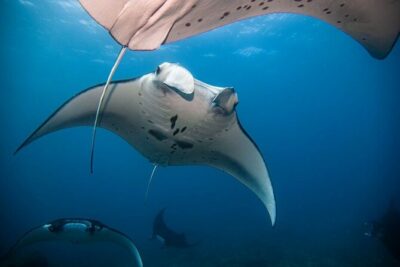
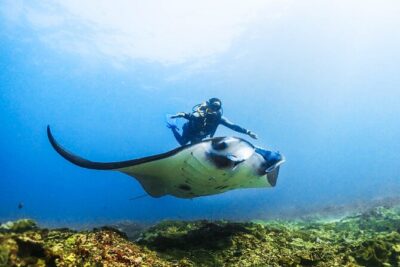
Some instructor reviews also mention rare wildlife moments during a first introduction session, like seeing manta rays on an early dive. You should not treat that as guaranteed, but it is a good reminder that Nusa Penida can deliver impressive encounters when conditions are right.
Instructor support you can actually feel in the water
A big theme in feedback for this operator is instructor behavior. People highlighted patience and reassurance, including for first-time divers and those who were scared of being in the ocean.
Specific instructor names that came up include Budiana (Budi), Axel, and Denis. Across those mentions, the common thread is that the instructors focus on making you feel safe enough to learn. That usually looks like calm coaching, clear corrections, and pacing you so you do not burn air or panic.
I also like that one review mentioned the team feeling like they supported comfort beyond instruction, with mentions of being warmed and fed. Even if that is not a guaranteed universal add-on, it tells you the operator is trying to make the whole day feel human, not like a strict production line.
Price and value: is $120 a fair deal for a first-timer?
The price is $120 per person for about 4 hours. On paper, that is not the cheapest option on Bali, but it is also not a “cheap and cheerful” deal. You are paying for staff time, certified supervision, pool training, equipment, and insurance.
For first-timers, the real value is not the reef minutes. It is the structured learning and the safety layers: the briefing, the pool tests, the supervised skills practice, and the low instructor-to-diver ratio in open water.
You also get a full set of standard gear included. That saves you the risk of buying or renting the wrong thing and arriving unprepared. The only item called out as not included is the underwater computer, so you can budget that if you care about tracking.
Where you need to be honest with yourself is fit. If you do not meet the swim and float requirements, or if you have untreated ear or sinus problems, you might end up not using what you paid for. That is why I treat this as a “do it if you are water-ready” option.
Who this is best for, and who should think twice
This program is built for non-certified divers, and the operator lays out the prerequisites clearly. You should have moderate physical fitness, be in reasonably good health, and have no issues with respiratory system, sinuses, or ears. You also need to be able to swim 200 meters and float 10 minutes in deep water.
So, who does it suit well?
- First-timers who want coaching and supervision
- People who want a controlled training progression before ocean time
- Anyone who prefers a small group experience, since the max group size is 10 travelers
Who should pause before booking?
- Anyone who struggles to float for 10 minutes
- People with ear or sinus concerns, since equalisation and safety depend on your body handling pressure changes
- Anyone who is likely to panic in deep water too quickly, since passing the initial tests is part of the plan
If you are scared of the ocean, you are not alone. Multiple feedback notes mention fear turning into confidence once instructors stayed patient and supportive. But your real test is your comfort in water, not your courage on land.
Timing, what to plan around, and how to get the most from it
The start time is 10:30 am, and it lasts about 4 hours. That is enough time to handle pool practice, then move into open water, but it is short enough that you can plan other activities later the same day.
I suggest you plan your day so you are not rushing to catch a flight right after. You want buffer time for changing, rinsing, and getting back to the meeting point smoothly.
Also, remember that breathing underwater is physically different. If you go in overexcited, you may expend air faster and feel more effort than needed. The program’s coaching approach is designed to keep you relaxed, which helps you enjoy the reef and extend underwater time.
Should you book this try scuba program in Nusa Penida?
Book it if you want a structured first underwater experience with pool training, a clear safety briefing, and close instructor supervision. The combination of small ratios, limited depth, and included gear makes it a strong value for non-certified divers.
Skip it or ask more questions first if you cannot comfortably do the 200 meter swim or 10 minute float, or if you have ear, sinus, or respiratory issues that could affect equalisation. This is not a “just hop in” activity, and that is a good thing.
If you want a first-timer day that feels guided, safe, and still exciting, this is one of the smarter ways to see Nusa Penida’s underwater world without jumping straight into a full course.
FAQ
Do I need to be a certified diver to do this program?
No. This is an intro try-scuba experience designed specifically for non-certified divers, guided by a certified instructor.
What training happens before the open-water session?
You start with a briefing, then train in a purpose-built training pool. You complete a mandatory 200 meter swim test and a 10 minute float test, then you practice breathing underwater and simple underwater skills under instructor supervision.
What depth will I reach?
The open-water session has a maximum depth of 12 meters.
How long will the open-water underwater time be?
Your underwater time is normally about 35 to 55 minutes, depending on your air consumption.
Is scuba gear and insurance included?
Yes. The program includes a full set of standard scuba gear, and it includes diving insurance. A scuba computer is not included.
What happens if I need to cancel or the weather is bad?
This experience is non-refundable and cannot be changed for any reason. If it is canceled due to poor weather, you will be offered a different date or a full refund.
Deeper Off the East Coast
- Certified Scuba Dive with Manta Rays (Open Water Diver minimum)
★ 5.0 · 55 reviews - Try Scuba Diving for Beginners with manta rays (Non – Certified)
★ 4.5 · 31 reviews - Diving with Manta Ray at Nusa Penida
★ 5.0 · 6 reviews - Diving in Nusa Penida
★ 5.0 · 3 reviews
More Tour Reviews in Nusa Penida
- ️Nusa Penida by Private Boat – Snorkeling 4 spots, Swim with Mantas + Land Tour
★ 5.0 · 6,424 reviews - Bali to Nusa Penida: Premium Private Full Day Tour-All Inclusive
★ 5.0 · 764 reviews - One Day Nusa Penida Island West with Snorkeling
★ 4.5 · 560 reviews - One Day Nusa Penida Island West & East
★ 4.5 · 425 reviews
Crossing to Nusa Penida
- Bali to Nusa Penida: Premium Private Full Day Tour-All Inclusive
★ 5.0 · 764 reviews - One Day Nusa Penida Island West with Snorkeling
★ 4.5 · 560 reviews - One Day Nusa Penida Island West & East
★ 4.5 · 425 reviews - Nusa Penida Two Dives Trip for Certified Divers
★ 5.0 · 197 reviews
Fresh on the Nusa Penida pages


Nusa Penida Day Trips from Kuta, compared.
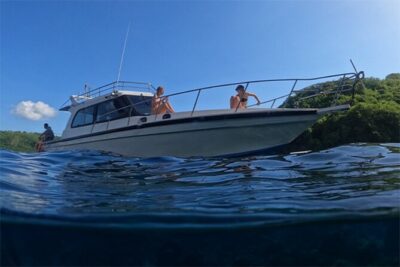 ★ 5.0Nusa Penida day trip: boat, 4 snorkeling, Manta rays & Land tourFrom $782,033 reviews
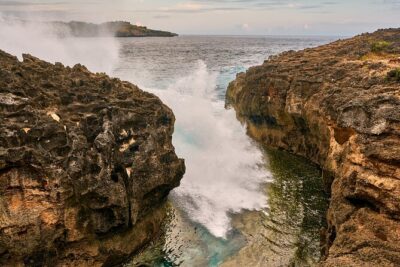 ★ 5.0Bali Nusa Penida West Private All-Inclusive TourFrom $801,277 reviews
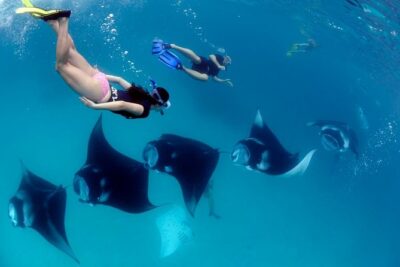 ★ 5.0Nusa Penida Snorkeling Adventure (Private & All-Inclusive)From $1291,197 reviews
Bali to Nusa Penida: Premium Private Full Day Tour-All InclusiveFrom $495764 reviews
★ 5.0Nusa Penida Snorkeling Adventure (Private & All-Inclusive)From $1291,197 reviews
Bali to Nusa Penida: Premium Private Full Day Tour-All InclusiveFrom $495764 reviews
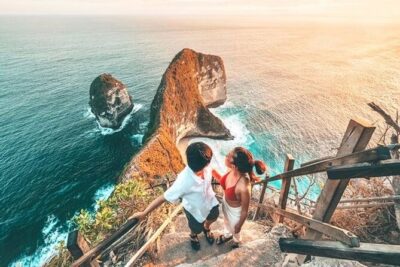 ★ 4.5Nusa Penida One Day Trip with All-inclusiveFrom $51743 reviews
One Day Nusa Penida Island West with SnorkelingFrom $29560 reviews
★ 4.5Nusa Penida One Day Trip with All-inclusiveFrom $51743 reviews
One Day Nusa Penida Island West with SnorkelingFrom $29560 reviews
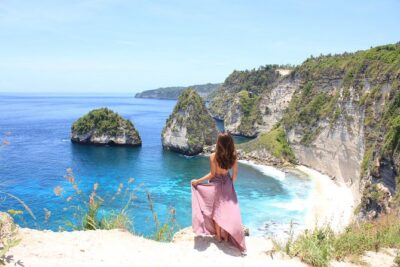 ★ 5.0️ Nusa Penida Instagram Tour: The Most Famous Spots (Private All-Inclusive)From $119538 reviews
More Kuta tours like this one