
Review · LOMBOK & RINJANI ADVENTURES FROM KUTA
Mount Rinjani 2D 1N trekking to summit
Two days can change your hiking mood. This Mount Rinjani 2D1N trek is built around reaching the summit for sunrise, starting with camping on the crater rim and then pushing uphill at 2:00 am. I really like the way guides such as Nas and Surya keep things friendly and organized, and I also love that porters handle the heavy lifting while meals keep coming. One thing to consider, there can be access limits at the park level, and that may affect your exact outing if admissions are capped.
The route is short on paper, but it is not gentle. You’ll do registration in Sembalun, climb during the day to an overnight camp, then wake up in the dark, climb again, and come back the same way. The good news: the operator keeps the group small, with a max of 10 travelers, and the pace is supported by experienced English-speaking guides.
Logistics are straightforward: pick up from your hotel in Senaru or Sembalun at 7:00 am, trek starts around 8:00 am to 8:30 am, then the summit push begins around 2:00 am on day two. If you are ready for early nights, steady uphill work, and good trail discipline, this can be a high-value way to do Rinjani without spending extra days.
Key things to know before you go
- Sunrise timing at the summit means a 2:00 am wakeup and a night climb, so bring a realistic sleep strategy.
- Crater rim camping on day one turns the trek into two challenges instead of one long slog.
- Nas, Surya, Anci, and Reno are named guides you may meet, and multiple reviews highlight guide humor and care.
- Porters carry more than you expect, including cooking and setup items, which keeps your shoulders happier.
- Meals are included and hearty, from fried chicken to chicken curry, plus breakfast favorites like banana pancake.
- Gear basics are covered, including gloves and trekking poles, but you still need shoes, long pants, and a headlamp.
Other crossings to Lombok and the Gilis
- Anggrek Putih Lombok Cooking Class★ 5.0 · 253 reviews
- Day Trip Gili Trawangan, Gili Meno, Gili Air (Depart Lombok)★ 5.0 · 167 reviews
- Lombok Private Customize Tour★ 4.5 · 144 reviews
- Mount Rinjani 2 Days 1 Night Senaru Crater Rim★ 5.0 · 131 reviews
Sembalun start: registration, pickup timing, and day one’s job
You’ll begin in Sembalun, East Lombok, with pickup arranged from your hotel in Senaru or Sembalun. The day kicks off at 7:00 am, when you transfer to the Rinjani National Park Office to register before you walk. This matters more than it sounds. Being registered and sorted early helps the team move together, and it reduces the chance of confusion right as the climb gets serious.
Once registration is done, the trek starts around 8:00 am (sometimes listed as about 8:30 am). Day one’s mission is not the summit. It’s the ascent to Sembalun Crater Rim, where you’ll camp for the night. Think of it as phase one: get altitude, get your rhythm, and learn how the trail feels while you still have daylight.
For you, the most important practical takeaway is pacing. Even though day one is shorter than the summit push, you’ll still be hiking uphill with a pack. A lot of people rush day one because the goal is the summit sunrise. Don’t. Your body needs to save energy for the second night climb, the one that starts around 2:00 am.
Crater rim camping: what you’re really doing on day one
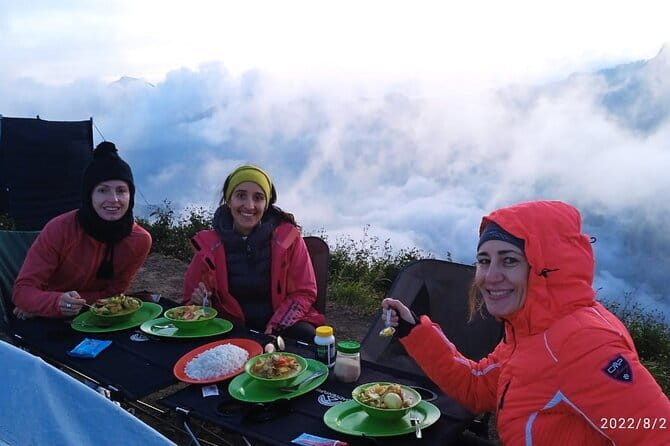
Day one ends with camp at the Sembalun Crater Rim. You’ll pass different trail posts on the way, then settle in for an overnight stay. Camping on Rinjani has a specific rhythm. You’re moving for hours, you set down, then you eat, hydrate, and recover fast because the next start time is brutal in the best way.
What makes this trek feel like good value is that it isn’t a bare-bones survival camp. You get a tent plus a toilet tent and paper, and you’re provided with sleeping bags, mattress, and a pillow. You’ll also be given gloves and trekking poles, so you do not have to scramble at the last minute for climbing comfort.
The operator also includes meals and fuel for energy. Day one includes lunch, dinner, and breakfast on day two, plus energy-rich snacks along the way. Water is also handled: you get 3 liters of mineral water per day per person. In a fast trek like this, hydration stops being optional.
Still, you should expect day one to feel long when the trail gets steep. This is where your moderate fitness level requirement turns into reality. You do not need to be an ultramarathon runner, but you do need to be comfortable with sustained uphill walking.
The 2:00 am summit climb: sunrise is the reward, effort is the cost
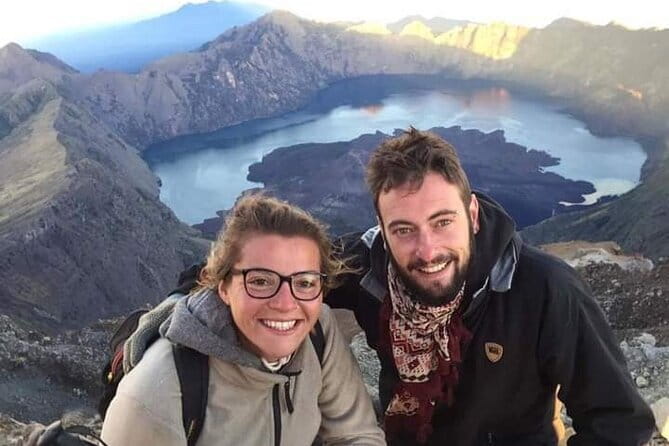
Day two starts with an early wakeup, around 2:00 am. There’s a light breakfast, then you begin the challenging ascent toward the Rinjani summit. The goal is to reach the top before sunrise, so you can watch the sky change and take photos at the right time.
This timing is why the climb is harder than the number of days suggests. You’ll be hiking in the dark, then working through cold air and fatigue. If you’ve never done a night summit push, you might underestimate how mentally draining it is. It helps to know you are not just climbing for distance, you’re climbing for a moment.
Also, check what you’re responsible for bringing. A headlamp or hand torch is not included, so plan to bring one. The same goes for trekking shoes, rain jacket, and long pants. If you arrive without those, you’ll feel it on the steep parts and in sudden weather changes.
One more detail that’s worth taking seriously: the final ridge section is described as especially tough by someone who called it really spicy on the comb. I can’t translate that exactly, but I can tell you what it means in practice. Near the summit, small footing errors become big problems, and the pace can spike. Stay steady, follow your guide’s line, and trust the rhythm you built on day one.
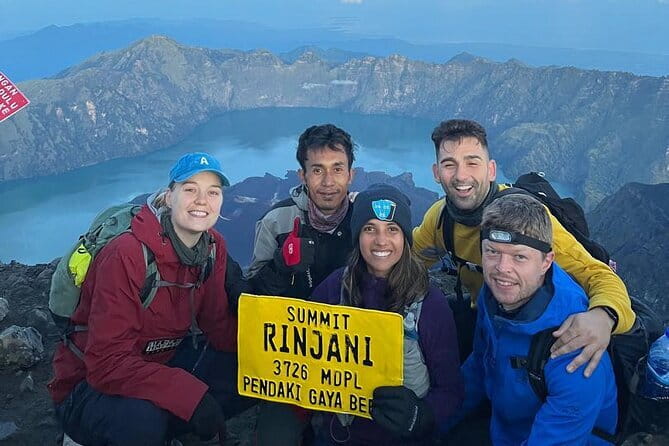
When you finally get to the summit, the payoff is the whole point of this trek. You’ll have time for sunrise photos, then once you’ve enjoyed it, you shift into recovery mode.
Descent back to Sembalun: same trail, different body
After sunrise and summit time, you descend back to Sembalun Village. The trek description notes that the descent follows the same path as the ascent. That is common on Rinjani, and it has one big advantage: you’re not guessing where you’re going. You already know the trail, and your guide can keep the group moving safely.
The drawback is that your legs might not love the return. Downhill hiking can be harder than uphill when you’re tired, especially on steep sections. Expect knee stress, lower-back fatigue, and the general need to slow your steps and watch your footing.
The smart way to handle the descent is simple: don’t sprint it. You’ll be tempted to rush because you want to get done. Instead, go with short steps, keep your balance, and let the guides control the pace.
By the end of the trek, you’ll be dropped off back in Senaru or Sembalun, depending on where you started the pickup. This makes the experience feel self-contained: hike hard, then recover with transport waiting.
More walking, less driving

Food, water, and gear: what’s included versus what you must pack
Meals and drinking water are a major part of why a guided summit trek feels manageable. Here’s what you get:
- Lunch: fried chicken special with fried potatoes, fried vegetables, fried egg, and steam rice
- Dinner: chicken curry with egg, vegetable, and rice
- Breakfast: cheese toast and banana pancake
- Coffee and/or tea
- Energy-rich snacks during the trek
- Water: 3 liters mineral water per day per person
That is not the kind of meal plan that shows up on every budget climb. It also helps explain the strong reviews for food quality and big portions. On a trek like this, under-eating hurts. Included meals make it easier to keep your energy up without constantly scanning for supplies.
Gear is also handled, at least for the basics:
- Gloves and trekking poles
- Tent, toilet tent and paper
- Sleeping bags, mattress, and pillow
What you still need to bring yourself:
- Trekking shoes
- Rain jacket
- Long pants
- Head lamp or hand torch
- Tips for guides and porters
If you want to feel comfortable at the summit and on the night hike, prioritize footwear and lighting. A headlamp can make the difference between calm footing and constant frustration.
Also, you should plan for weather swings. The itinerary is short, but altitude and early morning conditions can still bite.
Price and logistics: where the $160 really goes
The tour price is $160 per person and group discounts apply, with an operator capacity listed as up to 10 travelers. People often compare the price to other hikes and stop there. I think the better way to judge value here is to look at what’s actually included.
Your $160 includes:
- hotel pickup and transfer from Senaru or Sembalun, plus drop-off after
- English-speaking guides
- meals (lunch, dinner, and breakfast) plus energy snacks, plus coffee and/or tea
- water (3 liters mineral water per day per person)
- key camp gear and basic trek gear like gloves and trekking poles
What’s not included is the park entrance fee and personal gear. The national park entrance fee is listed as IDR 250,000 per day per person, with a total shown as IDR 500,000 per person. So treat the trip budget as $160 plus the park fee, plus any rentals you need for shoes, rain layers, and a headlamp.
One more logistics note to keep your expectations sharp: confirmation happens at booking time, and you receive a mobile ticket. That’s convenient, but the big variable is access limits. There’s at least one story tied to admission caps, where a booked plan became impossible because the park hit a maximum admissions number. You cannot always avoid that risk, but you can ask questions early and stay flexible in your expectations.
Cancellation is listed as non-refundable, so read your own risk tolerance carefully. If you are traveling with strict timing, plan buffer days around Lombok so you have a way to absorb a schedule hiccup.
Guide and porter care: small group rhythm, big effort behind the scenes
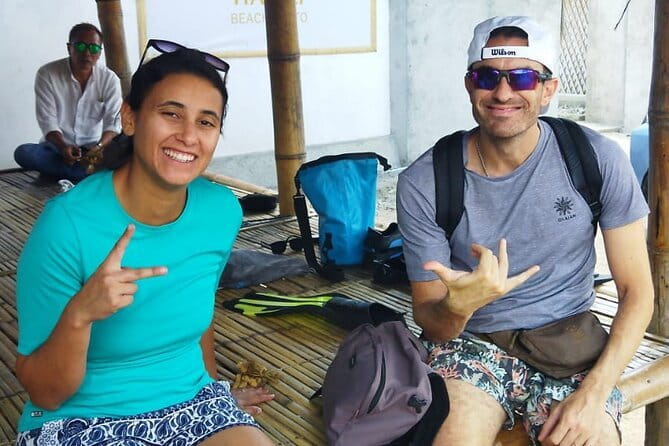
This trek works because of the people moving it. The team uses experienced, friendly, English-speaking guides, and multiple guides are named in the information you have, including Nas, Surya, Anci, and Reno. The repeated theme is care and teamwork, not just marching orders.
Porters are a big part of the comfort. The trek includes a tent setup and cooking support, and that relies on porters carrying more than day packs. In reviews-style notes, people specifically praise porters for carrying tents and handling the kitchen setup. That support matters because it turns the summit into a challenge for your legs and lungs, not your shoulders and back.
You’ll also benefit from team energy. One person described the hike as fun and feeling like a good team, with guides and porters working together to keep things smooth. Another note highlights ecology awareness, including picking up rubbish along the way. That’s the kind of operational detail that makes a guided climb feel more responsible and less chaotic.
Who should book this Rinjani 2D1N summit trek
This is best for you if you:
- want a short, high-impact climb that targets the summit at sunrise
- can handle a moderate fitness level hiking effort
- are okay with very early starts, including a 2:00 am wakeup
- like group structure and want guides to manage timing, pacing, and camp setup
- want a setup where meals, tents, and some trek gear are already included
It may not be ideal if you:
- want a slow, fully restorative itinerary
- hate night hiking and would struggle mentally with a dark ascent
- dislike non-negotiable timing, because sunrise math drives everything
This trek is often done by families with teenagers, because it’s only two days. But do not assume it is easy. The difference is that you’ll be supported by guides, meals, camp gear, and porter work.
If you’re unsure, ask yourself a blunt question: Can you commit to waking up at 2:00 am and still smile at the finish? If the answer is yes, you’re in the right place.
Should you book? My practical take on the decision
I’d book this trek if you want maximum summit payoff for limited time, and you’re ready for a night climb and a steep, repeat-trail descent. The food, water, and included camp gear make the experience feel well-supported for a 2-day plan, and the small group size helps the whole thing stay organized.
I would hesitate if your schedule is extremely tight or you cannot tolerate the possibility of access changes tied to admission limits. There is at least one real example of a plan being derailed due to park admission caps. And since the cancellation policy is non-refundable, you should keep a little slack in your trip timing.
If you do book, prepare like it’s a summit mission. Bring your headlamp, wear proper trekking shoes, pack long pants and rain gear, and focus on pacing from day one.
FAQ
How long is the Mount Rinjani 2D1N trek to the summit?
The trek is 2 days and 1 night, starting in Sembalun Village and ending back at your meeting point in Senaru or Sembalun.
Where does the trek start and end?
It starts in Sembalun Village for registration at the Rinjani National Park Office and ends back in Senaru or Sembalun with drop-off after the trek.
What time are the pick-up and trek start times?
Pick up from your hotel is listed for 7:00 am. The trek itself begins around 8:00 am to 8:30 am after registration.
What time do you wake up on day two?
You wake up around 2:00 am, have a light breakfast, then start the ascent toward the summit.
Does the itinerary include meals and drinking water?
Yes. Lunch, dinner, and breakfast are included, along with energy-rich snacks and 3 liters of mineral water per day per person.
What food is included?
Lunch includes fried chicken special (fried potatoes, fried vegetables, fried egg, and steam rice). Dinner is chicken curry with egg, vegetable, and rice. Breakfast includes cheese toast and banana pancake.
What camping and trek equipment is included?
You get a tent, toilet tent and paper, sleeping bags, mattress, and pillow. Gloves and trekking poles are also included.
What should I bring that is not included?
You need trekking shoes, a rain jacket, long pants, and a headlamp or hand torch.
Are entrance fees included in the price?
No. The national park entrance fee is IDR 250,000 per day per person, with IDR 500,000 per person shown for the overall total.
How big are the groups?
This activity lists a maximum of 10 travelers.
More Walking Around Lombok
- 2D1N Senaru Crater Rim Trekking
★ 5.0 · 178 reviews - Rinjani trekking 2D 1N RIM
★ 5.0 · 94 reviews - Rinjani Trekking 3D2N Summit
★ 4.5 · 85 reviews - 3D/2N Rinjani trekking summit,lake and hot springs.
★ 5.0 · 85 reviews
More Tour Reviews in Lombok
- Tetebatu Walking Tour – Rice Terraces, Waterfall & Monkey Forest
★ 5.0 · 349 reviews - Anggrek Putih Lombok Cooking Class
★ 5.0 · 253 reviews - Day Trip 5 Secret Gilis : Layar, Rengit, Nanggu, Tangkong, Kedis
★ 5.0 · 192 reviews - 2D1N Senaru Crater Rim Trekking
★ 5.0 · 178 reviews
Across to Lombok
- Anggrek Putih Lombok Cooking Class
★ 5.0 · 253 reviews - Day Trip Gili Trawangan, Gili Meno, Gili Air (Depart Lombok)
★ 5.0 · 167 reviews - Lombok Private Customize Tour
★ 4.5 · 144 reviews - Mount Rinjani 2 Days 1 Night Senaru Crater Rim
★ 5.0 · 131 reviews
Fresh on the Lombok pages

Lombok & Rinjani Adventures from Kuta, compared.
 ★ 5.0Gili Island Snorkeling Trip – Gili Trawangan, Gili Meno, & Gili Air, From LombokFrom $88330 reviews
 ★ 5.0Anggrek Putih Lombok Cooking ClassFrom $30253 reviews
 ★ 5.0Day Trip Gili Trawangan, Gili Meno, Gili Air (Depart Lombok)From $97167 reviews
 ★ 4.5Lombok Private Customize TourFrom $45144 reviews
Mount Rinjani 2 Days 1 Night Senaru Crater RimFrom $165131 reviews
★ 4.5Lombok Private Customize TourFrom $45144 reviews
Mount Rinjani 2 Days 1 Night Senaru Crater RimFrom $165131 reviews
 ★ 5.03D-2N Explore Mount Rinjani – Summit -Lake and HotspringFrom $235112 reviews
 ★ 5.0Lombok Pink Beach Boat Trip (Full Day + Snorkeling)From $88104 reviews
 ★ 5.0Rinjani trekking 2D 1N RIMFrom $20594 reviews
More Kuta tours like this one