
Review · BALINESE HEALING & VILLAGE CULTURE FROM KUTA
Bali Traditional Village Experience
A family temple visit in Taro beats the usual Bali tour. This private half-day-style experience near Ubud is built around a real family compound, where you learn Balinese Hindu practices like making canang sari offerings and receiving a holy water blessing. You also get that rare thing in Bali, time that feels lived-in instead of staged.
I really like the structure. You start with morning tea in the family compound, then you move into the offering-making part with instruction that fits what people actually do at home. I also like that the day includes a sarong and sash for the sacred water site, so you are guided on the expectations, not guessing.
One consideration: the holy water temple has a small entrance fee or donation payable in cash, and if you choose the cleansing ritual you should expect to get wet. Plan your clothing accordingly.
Key Highlights to Look For
- Canang sari hands-on lesson in the family compound
- Morning tea with the household, not just a quick stop
- Sarong and sash included for the sacred water site
- Holy water blessing ceremony tied to the offerings you made
- Private 2-way transfers from your Ubud-area address, included
Other ways to spend a day out of Ubud:
- All-Inclusive Ubud Private Tour★ 5.0 · 14,344 reviews
- Best of Ubud Full-Day Tour with Jungle Swing★ 5.0 · 8,571 reviews
- Ubud: Monkey Forest, Jungle Swing, Rice Terrace, and Water Temple★ 5.0 · 7,160 reviews
- Best of Ubud 1-Day Private Tour★ 5.0 · 4,451 reviews
Taro, North of Ubud: Why a Traditional Family Compound Matters
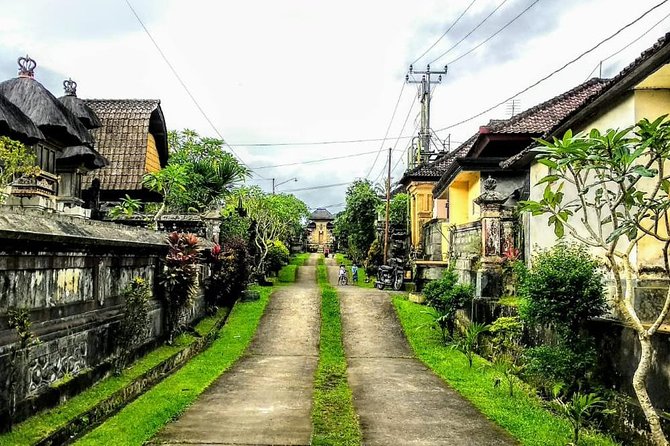
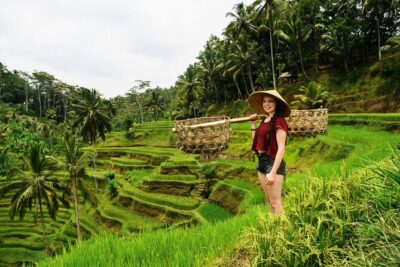
Taro village sits about 12 miles (18 kilometers) north of Ubud, in an area that still feels strongly rooted in everyday Balinese life. The payoff here is simple: you are not touring a museum-style place. You are walking through a family compound, where multiple generations live and where the family temple connects daily routines to faith.
That family-compound focus changes the tone of the experience. Instead of a checklist of sights, you get to see how people arrange space for family life and worship in the same setting. You also get context as your guide points out where different family members live and shares what the family temple means to them. Even if you do not speak Balinese or Indonesian, you can usually follow along because the explanations connect to what you are looking at right in front of you.
I also like how the experience is private. At $35 per person, many Bali cultural tours try to cram too much into a group schedule. Here, the private format keeps the pacing human. If you have questions about the offerings or the temple setting, your guide can slow down. And if you prefer a calmer pace, it is easier to match it.
Finally, the tour has a clear geographic advantage: starting in Ubud and going to Taro means you can get the traditional feel without losing half a day to complicated transportation. In short, it is a practical way to see a real village rhythm.
The Half-Day Flow: Morning Tea, Family Temple Talk, and Offering Making
Your day starts with pickup from your Ubud-area address. You are driven to Taro, and the guide brings you through their traditional family compound. You should expect this to feel like a gentle orientation, with a lot of looking and listening. The key part is where your guide explains the household layout, including where each of the families live within the compound, and what the family temple is for.
Then comes the part that makes this experience more than just sightseeing: morning tea with the family in the compound. This is one of the best moments to slow down. You get a chance to see how hospitality works in a home setting, and it also makes the rest of the day less formal. Tea is included, and the tour also includes coffee and/or tea, which matters if you are coming in from a morning of heat and traffic.
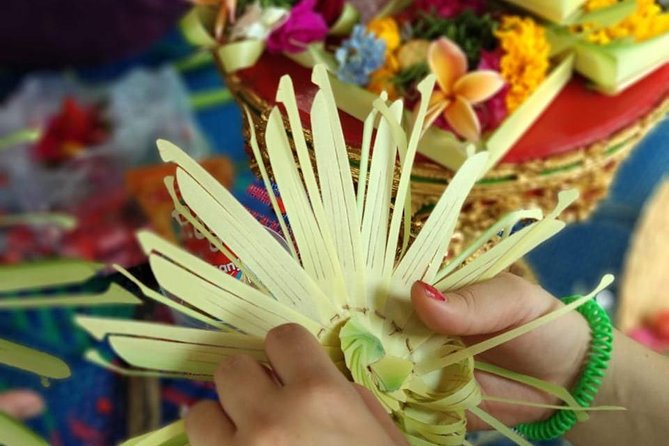
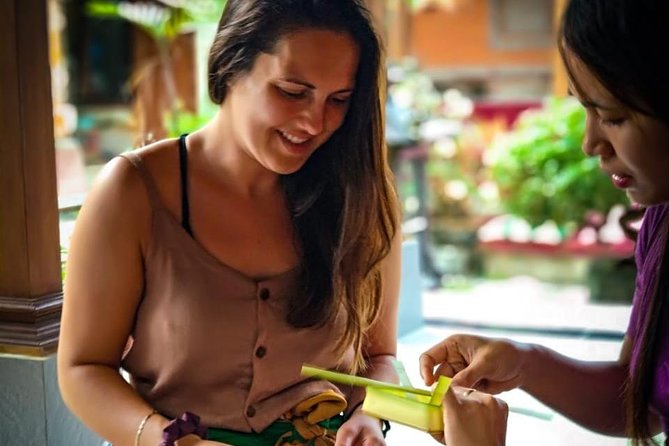
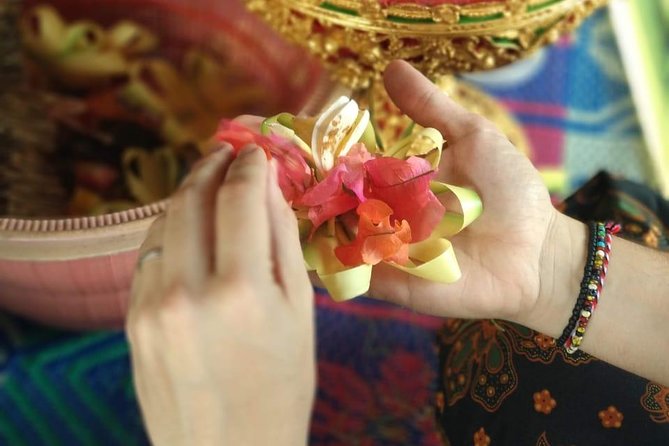
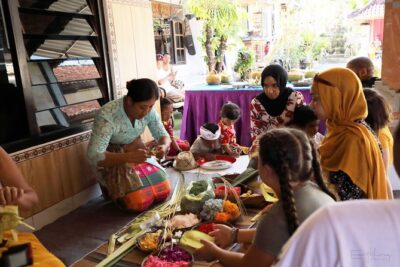
After tea, you are taught how to make canang sari. These Balinese offerings are used in the home and around the community for religious practice. The practical value here is that you are not just watching someone else do it, you are doing it. Your hands learn the steps, and your guide can explain why the components matter in the ceremony flow later in the day.
Important detail: you are making the offerings earlier, then they come back into play. That means the work you do in the compound is not a random craft moment. It connects directly to the blessing ceremony at the holy water site.
Potential drawback to note, even with the private pacing: the tour is only about 2 hours. So if you love very long, slow cultural stays, you might wish this ran longer. But if you want a focused taste of family life, the length is a strength, especially with transfers included.
Holy Water Blessing Ritual: Sarong Up, Wet Optional, Cash Fee Expected
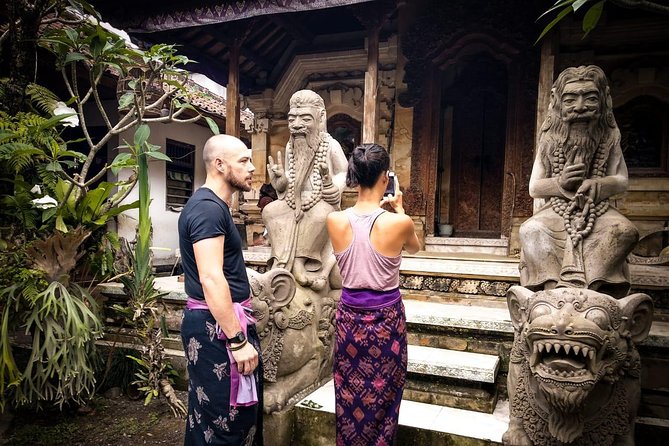
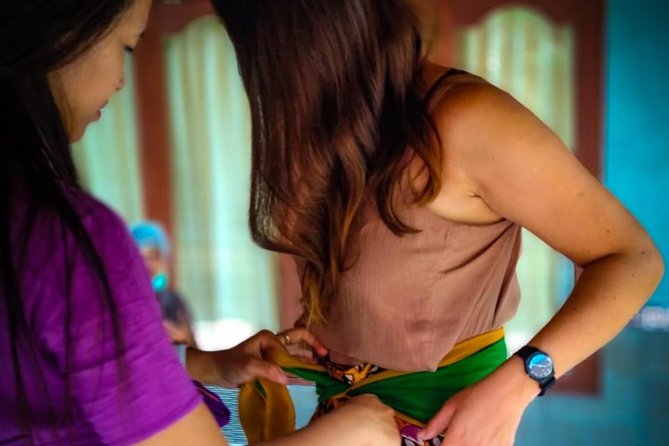
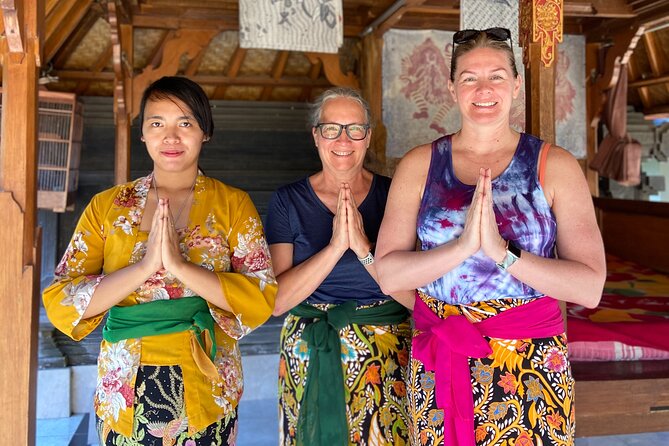
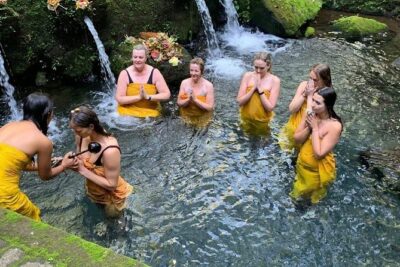
Next you head to a sacred holy water site. This is where the day turns from family life into ceremony. You can change into swimwear or into clothes that may get wet if you choose to do the cleansing ritual. The tour also provides a way to meet the site’s dress expectations, because you are dressed in a Balinese sarong and sash. The guide says sarong and sash are mandatory for entering the site.
That matters for two reasons. First, you avoid last-minute shopping or awkward improvising with a random beach wrap. Second, you get a smoother entry. Sacred sites often have specific rules, and having the right cloth handled for you reduces friction.
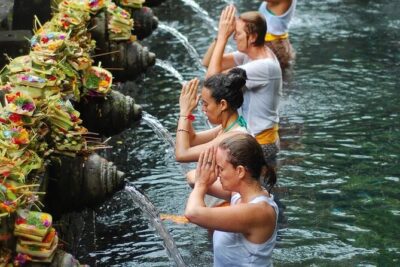
Then your earlier canang sari offerings are used during the blessing ceremony. This is the moment you receive the Hindu blessing with the holy water. The ceremony is built around what you made in the compound, so you are not arriving empty-handed.
Here is the one cost item you should plan for: the entrance ticket or donation at the holy water temple is not included. The guide also notes a small entrance fee is payable in cash. I would treat that as part of your real trip budget, since it can be easy to forget when you see an overall low price.
Also, think through the wet-ritual option. If you take the cleansing ritual, you will likely want a plan for what happens after. Even if the tour is only around 2 hours total, you will still appreciate bringing something simple like a light towel and a dry set of clothes if you can. If you skip the cleansing ritual, you still get the ceremony and blessing, but you can stay drier by choosing not to do the water part.
What You Get for $35: Transfers, Sarong, Snacks, and the Real Value
Let’s talk value, because $35 can look either like a steal or like a short experience, depending on how a tour is priced in Bali. In this case, the value comes from what is included and what is saved.
You get 2-way private transfers from your Ubud-area address. That is a big deal in Bali. Getting from Ubud to smaller village areas can take time, and the logistics can eat into your day. Here, the driver handles the back-and-forth, and your time stays focused on the experience.
You also get a balinese sarong (plus the sarong and sash for entering the sacred site) as part of the tour experience. That avoids spending money on a rental or risking an outfit that does not meet the ceremony rules.
Food is handled too. You get traditional snacks, specifically Bali cookies, plus coffee and/or tea. Lunch is not included, so you may want to eat before or after the tour. But for a 2-hour block, snack support is exactly what you want. The body stays happy, and you do not end up hunting for food in between ceremony moments.
At $35 per person, this also stays realistic if you are traveling as a couple or with a friend, since it is private for your group. And the experience has strong quality signals, a 4.9 average rating from 18 reviews with 100 percent recommended. That consistency usually means the tour runs smoothly and the hosts know how to welcome people without making it feel transactional.
One more practical note: the tour uses a mobile ticket. That reduces the hassle of paper confirmations and makes day-of entry easier when your schedule is already full.


Practical Tips Before You Go: Clothes, Questions, and Timing
This is a short tour, around 2 hours, so your choices matter. You will do walking inside and around a village compound and then you will move to a sacred water site with a dressing requirement.
Wear something breathable and modest. The sarong and sash are provided for the sacred site, but you still want your regular clothes to be comfortable in Bali humidity. If you plan to do the cleansing ritual, choose lightweight clothing that dries fast. If you are not doing the cleansing, you can still keep your outfit on the more conservative side for comfort while walking and watching.
Bring a small cash amount for the holy water temple entrance fee or donation. The tour says it is payable in cash, and it is not included. This is one of those small line items that can trip people up if they assume everything is covered in the online price.
Ask a simple question that improves the whole day: what does the family temple mean in your daily life? You will already get explanations about where each family lives and about the family temple, but a follow-up question often helps you connect the visuals to the beliefs.
Also, remember the experience is family-based. That means you are walking into someone else’s home space. Keep your phone use respectful, and ask before taking photos if you are close to people or during ceremony moments.
Finally, plan around the time of day. The experience starts with morning tea in the compound, so it is designed around a morning schedule. If you are already doing Ubud activities that day, you will want to avoid stacking a long tour right after, since you might still be dealing with heat, clothing changes, or a wet-rinse situation depending on your choices.
Who This Bali Traditional Village Experience Suits Best
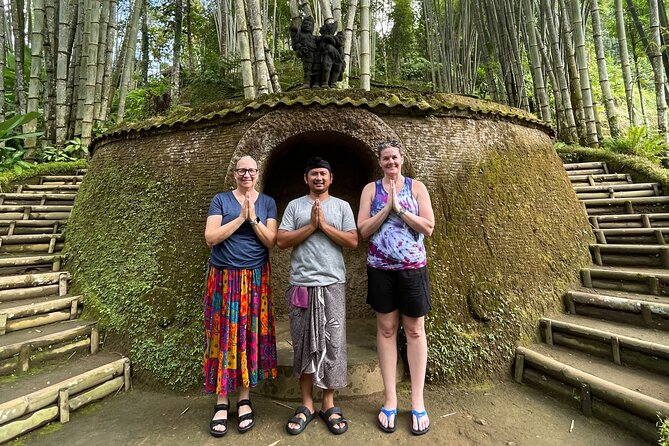
This is a great fit if you want something real and low pressure. I think it suits:
- People who want Balinese Hindu practices explained inside an actual home setting
- Couples, friends, or solo travelers who like private, calm pacing
- Travelers who care about respectful cultural behavior and want guidance, not just a photo stop
It might not suit you as well if:
- You only want big, dramatic sightseeing and do not care about daily life
- You dislike getting wet even slightly, and you do not want to change into swimwear or water-permissible clothes
- You need a longer time period. This is about 2 hours, so it is focused rather than slow and extended
Because it is private, it is also a good option if you have questions or dietary or comfort preferences around snacks and tea. The tour includes snacks and beverages, but lunch is not part of the package.
If you want to extend your Bali day, you can combine it with other nearby classes like cooking, coconut oil, silver, or even evening fireflies. The exact combo depends on what is offered at booking, but the idea is clear: you can use this as your cultural morning, then build a more activity-heavy afternoon around it.
Should You Book It? A Simple Decision Guide
Book this if you want a real village-and-family experience with a clear cultural focus, especially the offering-making part and the holy water blessing that follows. The price is reasonable for private transfers plus on-site sarong support, and the short format makes it easy to fit into a Ubud itinerary without stealing your whole day.
Skip or switch to something else if you are not interested in ceremony, you do not want any chance of getting wet, or you are expecting a long, multi-stop tour across many sites. This is intentionally concentrated. The strength is the depth of the family-compound moment, not the number of attractions.
A smart last check: budget for the small cash fee or donation at the holy water temple. Once you account for that, the rest is straightforward. With a 4.9 rating from 18 reviews and very strong recommendation rates, this is the kind of experience that usually feels worth the time because it is structured to be respectful, guided, and genuinely practical.
If you are in Ubud and you want more than temples on a timetable, this Taro village visit is a solid, grounded choice.
FAQ
Where is the meeting point for the Taro village experience?
The start and end meeting point is Delodsema Traditional Village, Tegallalang, Delodsema Road, Taro, Tegallalang, Gianyar Regency, Bali 80561, Indonesia.
How long is the experience?
It runs for about 2 hours.
Is this tour private or shared?
This is a private tour/activity, so only your group participates.
What is included in the price?
It includes Bali cookies snacks, a Balinese sarong, and coffee and/or tea.
What is not included?
Lunch is not included. Also, the entrance ticket and/or donation at the holy water temple is not included.
Do I need to bring cash for the holy water temple?
Yes. The holy water temple has a small entrance fee that is payable in cash.
What should I wear to the holy water site?
You will be dressed in a sarong and sash, and sarong and sash are mandatory for entering the site. You should also be ready for the possibility of getting wet if you choose the cleansing ritual.
Is a swimsuit needed?
Not required for everyone. You can change into swimwear or into clothes that may get wet if you choose to do the cleansing ritual.
Do I get transportation from Ubud?
Yes. The tour includes 2-way private transfers from your Ubud area address.
What is the cancellation policy?
Free cancellation is available. You can cancel up to 24 hours in advance for a full refund, based on local time.
More Tour Reviews in Ubud
- All-Inclusive Ubud Private Tour
★ 5.0 · 14,344 reviews - Best of Ubud Full-Day Tour with Jungle Swing
★ 5.0 · 8,571 reviews - Ubud: Monkey Forest, Jungle Swing, Rice Terrace, and Water Temple
★ 5.0 · 7,160 reviews - Best of Ubud 1-Day Private Tour
★ 5.0 · 4,451 reviews
Fresh on the Ubud pages





Balinese Healing & Village Culture from Kuta, compared.
 ★ 5.0Bali Full-Day Traditional Village Sightseeing Trip All InclusiveFrom $683,069 reviews
 ★ 5.0Ubud Tour – Balinese Healing By Shaman And Self PurificationFrom $74236 reviews
 ★ 5.0Bali Cultural ExperienceFrom $5992 reviews
 ★ 5.0Meditate with a ShamanFrom $9977 reviews
 ★ 5.0Balinese Village ExperienceFrom $7049 reviews
 ★ 5.0Make Traditional Bali Coconut Oil with a Balinese FamilyFrom $2739 reviews
Balinese Healing ExperiencesFrom $5038 reviews
★ 5.0Make Traditional Bali Coconut Oil with a Balinese FamilyFrom $2739 reviews
Balinese Healing ExperiencesFrom $5038 reviews
 ★ 5.0TULA Wellness Balinese Exotic Fruit RitualFrom $14235 reviews
More Kuta tours like this one