
Review · BALINESE HEALING & VILLAGE CULTURE FROM KUTA
Make Traditional Bali Coconut Oil with a Balinese Family
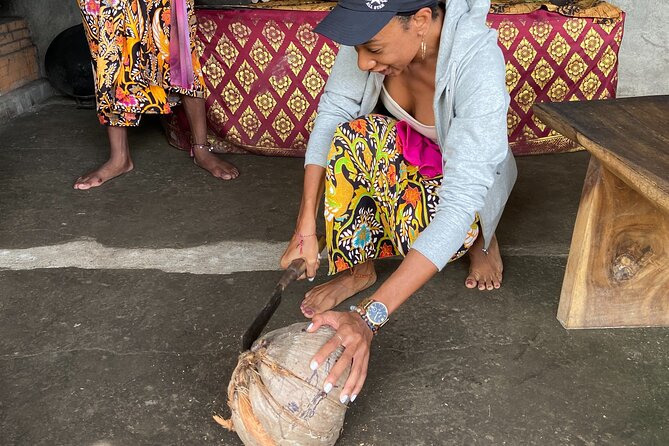
Coconut oil, made by hand, in a home. In Delodsema, north of Ubud, you get a private class that pairs traditional coconut oil making with a coconut scrub massage and a take-home souvenir. It is a simple, rural break from the resort routine.
I like the way this is taught step by step, so you are not just watching. You are getting your hands into the real process, learning what local families do, and then bringing the result home. One drawback to factor in: if you do not upgrade, transport from central Ubud costs extra.
I also like the personal feel. You are welcomed by family members like Puta and Kadek, and the experience is set up so your group stays together. If you prefer polished, studio-style activities, this is more lived-in village life than showroom.
Key highlights to look for before you book
- Traditional process in Delodsema (north of Ubud, rural village setting with about 50 families)
- Private, hands-on class where every step is explained and you help make the oil
- Coconut scrub massage while the oil-making is underway, so you also get downtime
- You take home your own coconut oil in a souvenir you made
- Optional silversmithing add-on for a second handmade keepsake
Other ways to spend a day out of Ubud:
- All-Inclusive Ubud Private Tour★ 5.0 · 14,344 reviews
- Best of Ubud Full-Day Tour with Jungle Swing★ 5.0 · 8,571 reviews
- Ubud: Monkey Forest, Jungle Swing, Rice Terrace, and Water Temple★ 5.0 · 7,160 reviews
- Best of Ubud 1-Day Private Tour★ 5.0 · 4,451 reviews
Delodsema coconut oil class, what the experience really feels like
This is not a quick gimmick class. It is a family home setup in Delodsema Village, in Taro, in the north area of Ubud. The energy is calm and rural, and the goal is to show you the real rhythm of how coconut oil is made the Balinese way.
You start with a warm welcome and a drink. Expect herbal tea or coffee, plus Balinese cookies and snacks. It is a small touch, but it matters because it slows everything down before you get busy.
Then you move into the practical part: making coconut oil by hand. Coconut oil has a big reputation in wellness circles, but the point here is education through doing. You learn how it is made through a traditional Balinese process, not just which ingredient is used.
The best-rated part of the experience is the teaching and the intimacy. People repeatedly mention how thoroughly steps are explained and how personal it feels when you are in a local kitchen setting. If you like being in someone’s home, this is the kind of activity that can make your Bali trip feel more real.
The coconut oil making, what you do and why it takes time
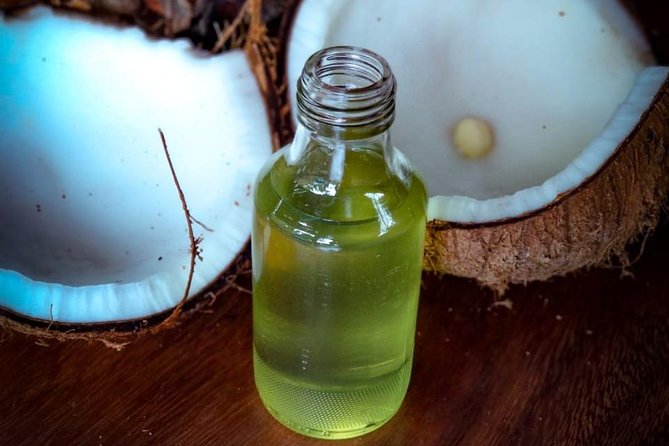
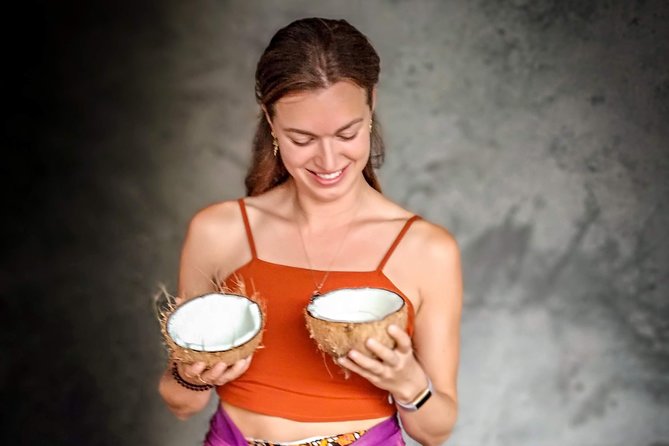
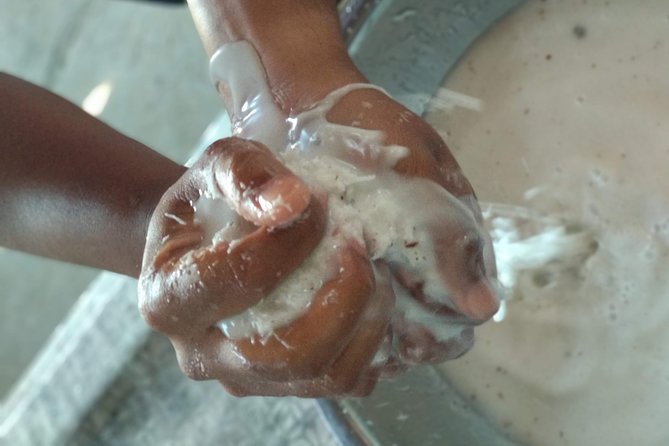
The class centers on making real coconut oil following the traditional Balinese process. You will use the tools and equipment provided, and you will do the tasks involved in turning coconuts into oil. The instructions are meant to be hands-on and practical, so you are not stuck watching from the sidelines.
The schedule on paper is about 1 hour 30 minutes, but the process itself takes longer. The host notes that the coconut oil takes more than 1 to 1.5 hours to be done. Translation for your planning: give yourself a little breathing room, and do not schedule tight connections right after.
While you work, you can expect the staff to walk you through what you are doing. A recurring theme in the feedback is that people felt every step was explained thoroughly. That makes a difference if you are traveling solo, or if you have kids. You get clarity fast, and you are less likely to feel lost midway.
You also get something tangible out of the session: your own handmade coconut oil to take home. That matters for value. This is not a class where you leave with a photo and a vague memory. You leave with a product you made.
Coconut scrub massage, the calming break built into the workflow
Right when you are waiting for the oil process, you get the coconut scrub massage. This is one of the things that turns the class from purely instructional into a more well-rounded experience.
Because it happens while the coconut oil is being prepared, you are not just idling. You get a planned moment to relax, and then you are back when it is time for the next step. People who focus on relaxation as much as learning tend to like this format.
If you want a trip that gives both mind and body something to enjoy, this pairing works well. You get the sensory part of coconut up close during the making, then you get a massage during the waiting phase.
Village life in Taro, what you see beyond the workshop
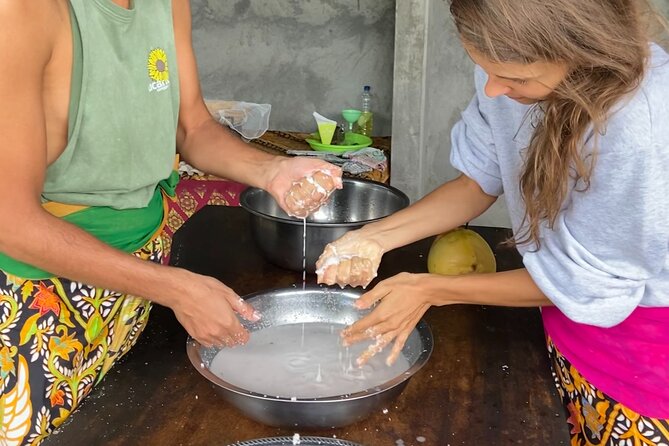
The coconut oil making is the headline, but you also explore local village life during the session. The plan includes time to look around and see what people do in the village, plus views of traditional Balinese houses.
This is where the class feels more like cultural time and less like a scripted demo. You are not just taken to a single room. You are connected to the environment that supports the skill you are learning.
In the feedback, people also mention small, memorable rural details. For example, one solo traveler described eating fresh fruit from trees and feeding the chickens. It is that kind of everyday village moment that makes the experience feel less staged and more like time with a real family routine.
You should still expect a local pace. This is a small village setting, with basic, lived-in surroundings. There is free WiFi and a Balinese sarong provided, but the overall feel is simple. If your idea of comfort is a resort spa atmosphere, this might feel more rustic than you expect.



Who you meet, and why the hosts matter
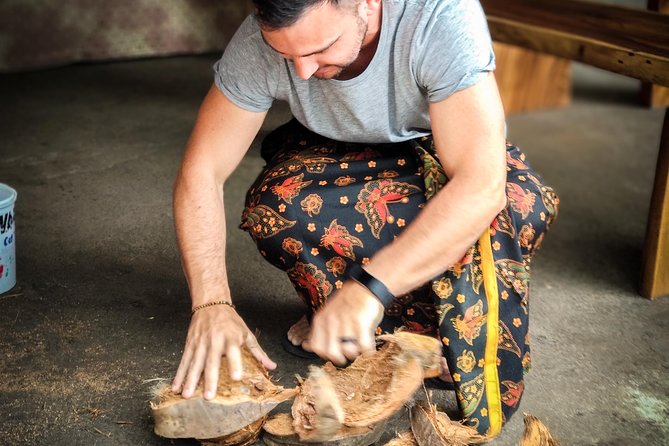
One reason the class performs so well in feedback is the welcome. You are greeted by family members connected to the host team, including Puta and Kadek. The experience is private, so you do not get blended into a big group moving at different speeds.
When the host team is invested, the class becomes more than a craft lesson. It becomes conversation, explanations, and small moments that help you understand how coconut oil fits into daily life.
I also like the review-backed detail that the family structure is multigenerational. That often translates into better storytelling, because people are living the traditions, not just performing them for tourists. You are learning in the context of a real home.
Silversmithing upgrade, adding a second handmade souvenir
If you want to bring home more than one craft, there is an option to add a silversmithing class. This is described as a way to create a unique souvenir at a silversmithing workshop too.
The practical benefit is simple: you get another skill and another keepable item during the same overall day in the village. If you are the type of traveler who likes making things rather than only buying them, this is an appealing add-on.
Because the details of the silversmithing steps are not fully laid out here, I suggest you treat it as a guided craft session that includes hands-on learning, ending with something you can take home. If you enjoy metalwork or you just like seeing how traditional crafts are practiced, it is worth asking about what you will create before you choose the upgrade.
Price and value, is $27 a good deal for Bali?
At $27 per person, this class is priced like an activity, not a premium full-day excursion. What makes it feel like good value is what is included.
You get coffee and/or herbal tea, snacks (including Balinese cookies), tools and equipment, free WiFi, a Balinese sarong, and your own coconut oil to take home. That last item alone turns the experience into something you can actually use, which helps justify the cost more than a typical demo class.
The main extra cost to know about is transportation. If you are not upgrading, transport from central Ubud is charged at IDR 350k round trip. There is also an upgrade option to include round-trip transfers from central Ubud. So your real total cost depends on whether you handle transport yourself or pay for the included upgrade.
One more practical angle: the experience is private for your group. That is useful for families and couples because you are paying once and keeping the pace controlled. For solo travelers, private can still feel valuable because you get more attention, and the feedback shows solo guests often feel well looked after.
Duration and timing, planning your day around the oil process
The headline duration is about 1 hour 30 minutes. At the same time, the host notes that the coconut oil process takes more than 1 to 1.5 hours to be done. That is why I recommend building in a buffer.
If you plan other activities the same day, aim for something that does not require precise timing right afterward. After you make coconut oil and you spend time in village areas, you may just want a straightforward next step like lunch nearby or a relaxed afternoon.
Also note the meeting and end point is back at the start. The meeting point is Delodsema village, Jl. Taman Gajah, Taro, Kec. Tegallalang, Kabupaten Gianyar, Bali 80561, Indonesia. So you can plan on finishing where you started.
What to bring, what to expect in the moment
You are provided with a Balinese sarong and you will have tools and equipment. Still, because this is hands-on coconut work, you might want to wear something you do not mind getting a bit coconut-related residue on your clothes.
This is a private home setting, so keep expectations aligned with a rural village environment. You are not going to find a polished spa lobby. You are going to find a real family space, a teaching moment, and a craft result.
One comfort tip from the structure of the experience: there are planned breaks and refreshments. You start with tea or coffee and snacks, and you get a coconut scrub massage during the waiting time. That rhythm keeps the session from feeling like constant manual labor.
Who this suits best, and who should think twice
This fits best if you want hands-on learning and you enjoy family-run experiences. It is especially strong for:
- Families looking for an educational activity kids can participate in
- Couples who like practical souvenirs they actually made
- Solo travelers who want a personal welcome and attentive guidance
It may be less ideal if you prefer activities that are highly time-controlled like a museum tour. Also, if you mainly want big scenic stops or a long itinerary day, this is a focused class format.
If you hate waiting for food to cook, know that the coconut oil process includes a waiting period. The coconut scrub massage and village exploration help fill that time, but the session pacing is still built around the traditional process.
Should you book the coconut oil class in Delodsema?
Yes, I think you should book it if you want a Bali experience that feels lived-in and teachable. The strongest praise centers on how hands-on it is, how well each step is explained, and how welcoming the family feels once you arrive. You also get a real take-home product, not just a memory.
I would hesitate only if you are tightly scheduling your day and cannot handle a session that may run near or just beyond the simple 1 hour 30 minute label. Also, if you are unwilling to pay for transport from central Ubud, you will want to budget for the IDR 350k round trip or choose the upgrade with transfers.
If you like simple craft, real village life, and learning with your hands, this is one of those activities that can make your Bali trip feel less like a checklist.
FAQ
Is this a private experience?
Yes. It is a private tour or activity, and only your group participates.
How long does the class last?
It is listed at about 1 hour 30 minutes. The coconut oil process itself is described as taking more than 1 to 1.5 hours, so you should plan with some flexibility.
What is included in the $27 per person price?
Included are coffee and/or herbal tea, Balinese cookies and snacks, tools and equipment for making coconut oil, free WiFi, a Balinese sarong, and your coconut oil souvenir to take home.
Do I need to pay extra for transportation from Ubud?
Transportation from Ubud central is not included and costs IDR 350k round trip. There is an upgrade option that includes round-trip transfers from central Ubud.
Where does the tour take place?
The class is held at Delodsema Village in Taro, north of Ubud. The meeting point address is Delodsema village, Jl. Taman Gajah, Taro, Kec. Tegallalang, Kabupaten Gianyar, Bali 80561, Indonesia.
What is the cancellation policy?
You can cancel for a full refund if you cancel at least 24 hours before the start time. If you cancel within 24 hours of the start time, the amount paid is not refunded.
More Tour Reviews in Ubud
- All-Inclusive Ubud Private Tour
★ 5.0 · 14,344 reviews - Best of Ubud Full-Day Tour with Jungle Swing
★ 5.0 · 8,571 reviews - Ubud: Monkey Forest, Jungle Swing, Rice Terrace, and Water Temple
★ 5.0 · 7,160 reviews - Best of Ubud 1-Day Private Tour
★ 5.0 · 4,451 reviews
Fresh on the Ubud pages





Balinese Healing & Village Culture from Kuta, compared.
 ★ 5.0Bali Full-Day Traditional Village Sightseeing Trip All InclusiveFrom $683,069 reviews
 ★ 5.0Ubud Tour – Balinese Healing By Shaman And Self PurificationFrom $74236 reviews
 ★ 5.0Bali Cultural ExperienceFrom $5992 reviews
 ★ 5.0Meditate with a ShamanFrom $9977 reviews
 ★ 5.0Balinese Village ExperienceFrom $7049 reviews
Balinese Healing ExperiencesFrom $5038 reviews
★ 5.0Balinese Village ExperienceFrom $7049 reviews
Balinese Healing ExperiencesFrom $5038 reviews
 ★ 5.0TULA Wellness Balinese Exotic Fruit RitualFrom $14235 reviews
 ★ 5.0TULA Wellness Half Day Experience with Sound HealingFrom $14834 reviews
More Kuta tours like this one