
Review · CANGGU & SEMINYAK BEACH ESCAPES FROM KUTA
Bali Leather Craft Workshop – 6 hours ( canggu / seminyak)
Leather in rice-field calm, for just $46.
In Seminyak, the Kaula Bali leather craft workshop turns a hot, noisy island day into a quiet, hands-on reset. I love the calm rice-field setting and the fact you work step by step on a real item you can use right away. The instructor team, including Abenk (and also Opik in some classes), is friendly and patient, which makes the process feel doable. One drawback to plan for is heat, and you may want to handle lunch on your own.
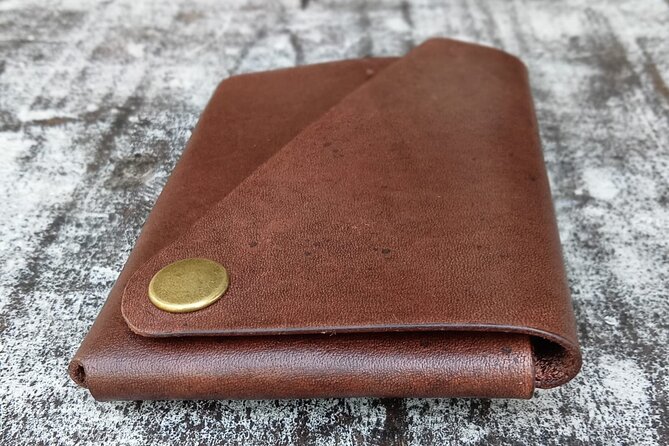
This is a 6-hour private activity with a mobile ticket, starting at 10:00 am at Kaula Bali (Kerobokan Kaja) and ending back at the same meeting point. You’ll make a small leather piece with guidance, typically a wallet, purse, belt, or something similar, and you can customize choices like leather texture and thread color. Most people can join, but if you hate sitting in one place for hours, you might find the pace a little slow.
Since this is handwork, the class is as much about focus as it is about the final product. You’re not just watching tools move, you’re making decisions, cutting your pattern, sewing, and polishing the finish. If you’re visiting around Canggu or Seminyak and want one activity that feels local and practical, this is a strong pick.
Key highlights to know before you go
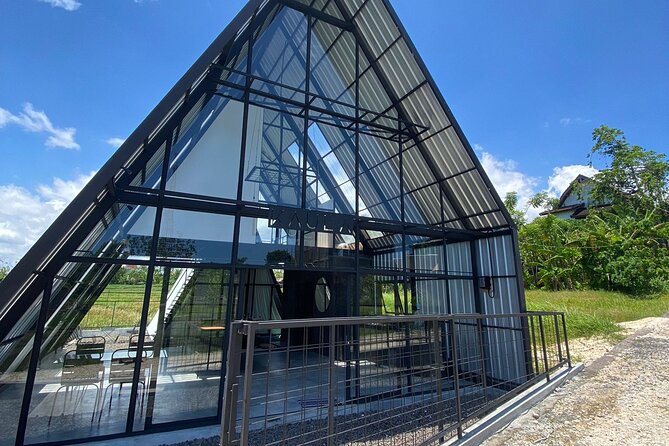
- Rice-field calm: you work outside the typical chaos, in a peaceful studio setting
- Hands-on instruction: cutting, dyeing, stitching, and finishing are all part of your session
- Real customization: you choose leather feel, dye look, and thread color to match your taste
- Patient teaching: Abenk and Opik are described as calm, encouraging, and tuned to your level
- You take something home: a finished small leather item you made yourself, not a souvenir
- Heat is real: plan for a very warm day, especially if you arrive early and stay outdoors
More beach days up the coast
- Canggu: Drag Show with Dinner★ 5.0 · 414 reviews
- Balinese Cooking Class in Seminyak★ 5.0 · 281 reviews
- Private Bali Horse Riding In Seminyak Beach★ 4.0 · 171 reviews
- Nia Bali Seminyak Cooking Class★ 5.0 · 127 reviews
Why this leather class feels like a Bali reset
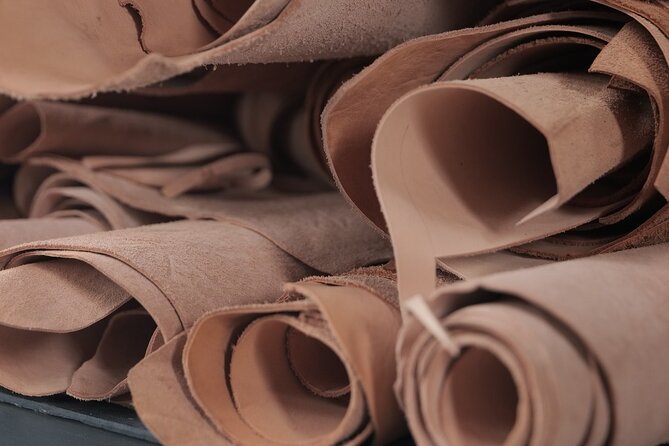
The best part of this workshop is that it treats leather crafting like a skill, not a show. You’ll be making something from scratch with your own hands, from initial shaping to the final protective varnish. That means your brain gets a break from trying to “see everything” and switches into doing one clear thing well.
I also like that the setting is part of the value. The class runs in a quieter area, surrounded by rice-field scenery, so the session feels more like a calm creative afternoon than a typical tour. If Bali has been busy for you lately, this kind of slower, practical activity can be exactly what you need.
There’s a personal feel too. Because it’s a private tour/activity, you’re learning with your group only, which usually makes it easier to ask questions and get attention when your hands need it. And since you’ll end up with an item you can actually use, the time doesn’t just evaporate.
Finding Kaula Bali in Kerobokan Kaja (and what to watch for)
The workshop starts at 10:00 am at Kaula Bali – Leather Workshop in Kerobokan Kaja (meeting point address listed as Gg. Yogya, Kerobokan Kaja, Kec. Kuta Utara, Kabupaten Badung, Bali). It ends back at the same meeting point.
The practical thing to know: signage can be tricky. At least one group found it harder to spot the workshop at first, so I’d give yourself a little buffer and don’t assume it’ll be obvious from the main road. If you’re using a phone map, zoom in and follow the exact location rather than trusting a vague nearby landmark.
Also, think about the heat. One review specifically flagged how incredibly hot it can get, so it’s smart to show up prepared to stay comfortable for several hours. Bring water, wear breathable clothes, and use sun protection if you’re sensitive. Even if the workshop is indoors at points, Bali warmth can follow you.
Finally, lunch. One review notes you may need to take your own lunch. Another mentions the tutor taking them toward nearby local food around lunch time, so there may be options nearby, but don’t count on a full meal being handled for you. Pack something simple if you want the easiest day.
The real process: cutting your pattern and choosing dyes
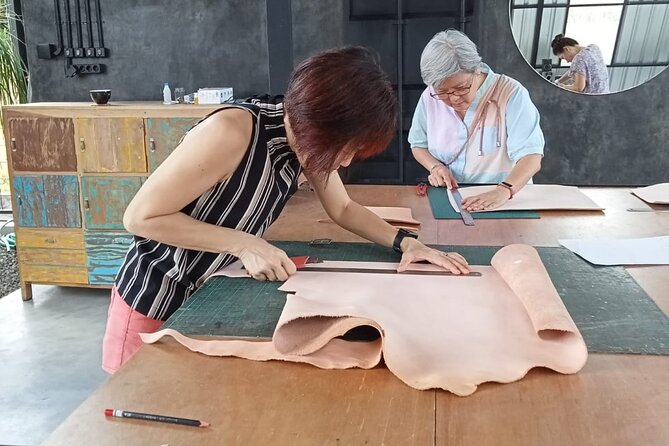
Your 6 hours are built around learning the full workflow, not just one craft trick. It typically starts with cutting the pattern, so you begin with a clear idea of what your finished piece will become. This matters because leather work lives or dies on early accuracy. When the pattern is right, everything after feels smoother.
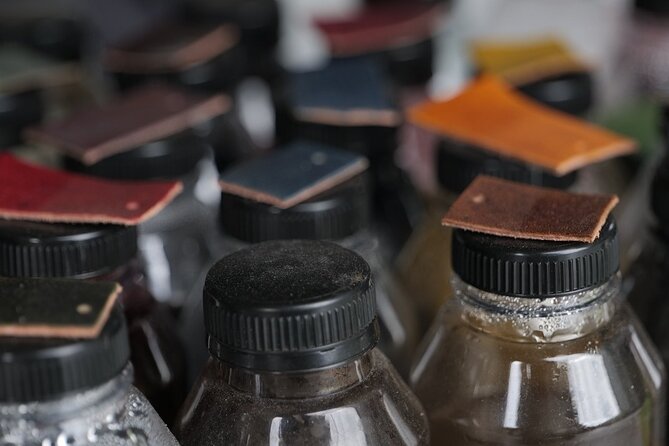
Next comes color and surface choices. You’ll add color to the leather using dyes and finishes from a set of options. This is where you get the fun customization: you’re not locked into a default look. You can adjust the final feel through your choices, so your item can look more classic, more bold, or more subtle depending on what’s available during your session.
A great detail here is that your decisions affect the finished look, even if your sewing skills are new. So you’re not just doing beginner steps. You’re making aesthetic choices that actually show up on the wallet, purse, belt, or other item you take home.
In a class like this, it helps to slow down in your mind even if you feel excited. Cutting and dyeing are the “set the tone” parts of the day. If you rush, you’ll feel it later. If you take your time, you’ll likely enjoy the rest more because the work starts looking like it’s already coming together.
Stitching by hand, then polishing edges and varnish
After the cutting and dyeing, the workshop moves into the stitching phase. You’ll prepare the leather for stitching so the process is smoother and more precise. This is one of the most valuable parts of the class for beginners, because you learn what to do before you ever pick up a needle.
Then you sew by hand. The emphasis is on strength and durability, not just appearance. That’s important because leather goods see real wear. Hand stitching can hold up well when it’s done correctly, and learning the method gives you confidence that your finished item is more than a pretty craft project.
Once the pieces are stitched together, you’ll polish the edges. Edge work is what makes leather go from handmade looking to genuinely finished. You’re not just putting together parts, you’re refining details so the product feels professional.
Finally, you’ll apply a high-quality varnish. This gives the item a smoother finish and helps protect the surface. Even if varnish details vary by what’s available at the workshop, the idea is consistent: you’re leaving with something that’s ready to live a life after the class ends.
If you’re the type who likes the “last 20%” of any project, this phase is satisfying. It’s also the part where you can see progress quickly. One moment you have separate pieces, the next you have something that looks like a real product.
Other things to make with your hands
Making it yours: snaps, buttons, and small accessory choices
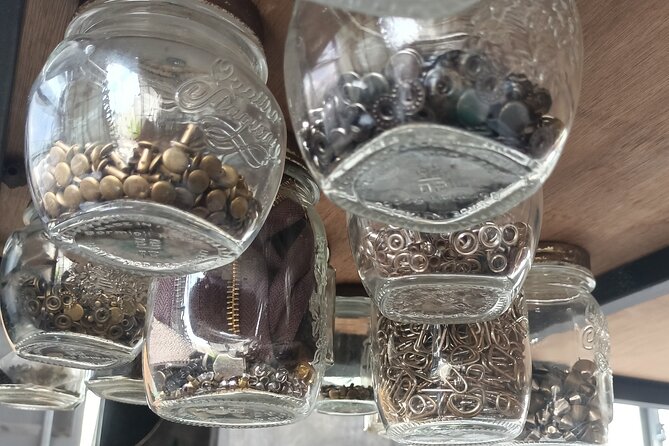
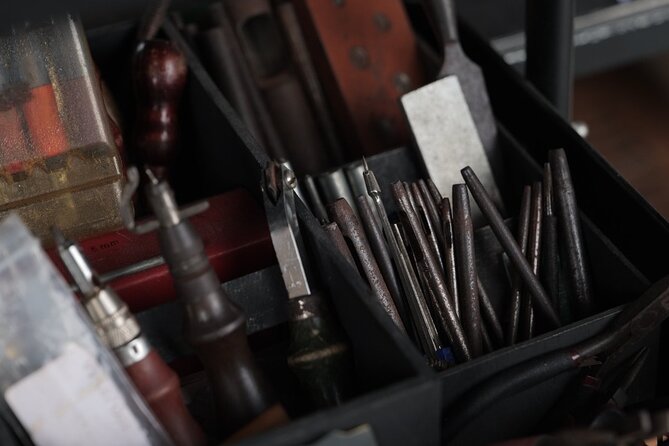
The last step is all about finishing touches. You’ll add hardware like snaps, buttons, or other accessories based on what your project needs. This is another place where the workshop becomes personal, because you can often shape how functional your item is.
One reason I like this section is that it turns your item from something pretty into something useful. A wallet with the wrong closure is annoying. A purse without the right finishing details won’t feel right when you actually try to use it.
In practice, groups often make compact, wearable pieces. The workshop examples include card wallets, purses, belts, and jewelry, and you might even see items like a knife sheath discussed in the class context. The point is the same: you’re building a small leather piece where details matter.
If you want a gift idea, this is where it becomes special. A store-bought souvenir is nice, but a piece you crafted yourself, with your choices baked in, tends to feel more meaningful. And because the workshop covers the steps from scratch to finish, you aren’t left wondering how something was made. You learned it.
Price and value: is $46 for 6 hours fair?
At $46 for about 6 hours, this workshop is priced in a way that feels fair for what you actually do. You’re not paying for a show, you’re paying for guided instruction through cutting, dyeing, stitching, and finishing. That’s real labor and real skill being taught in a structured way.
Value also comes from the fact you take home a finished product. You’re leaving with a tangible item you can use, not just photos and a memory. In a place like Bali where there are plenty of short shopping detours, this is a good way to spend your day on something practical.
Another value point: you’re in a private format. Even if the price doesn’t sound high compared to Western workshops, private attention is a big part of why classes like this work well, especially when your hands are learning new motions.
So for me, the question isn’t just what it costs. It’s whether you’ll enjoy slow, focused work. If you like making things, choosing colors, and seeing the result grow over hours, $46 can feel like a steal. If you want fast sightseeing checklists, you might find the craft day doesn’t scratch that itch.
Who should book this workshop, and who should skip it
This is a great fit for beginners who want structured help. The workshop description and class feedback point to patient teaching, and Abenk (with Opik mentioned in some instruction) is described as calm, encouraging, and willing to match their guidance to your skill level. That is exactly what you want in a hands-on activity.
It’s also a strong choice for couples and parent-child trips. One review described doing it with a teenage son and found it one of the most enjoyable activities. Leather craft isn’t just for adults, and learning a real skill with a finished outcome can be a nice change from the usual Bali day plans.
I’d also consider it if you like customization. Thread color decisions, dye choices, and hardware details are all part of the fun, and you’ll be able to steer your item closer to what you personally want.
Skip it if you hate heat or don’t like sitting with focused tasks for hours. Since warmth can be intense, you’ll want comfort measures. Also, if you’re only interested in walking around and taking photos, this workshop is the opposite style. It’s work time, not roam time.
Should you book Kaula Bali Leather Craft Workshop?
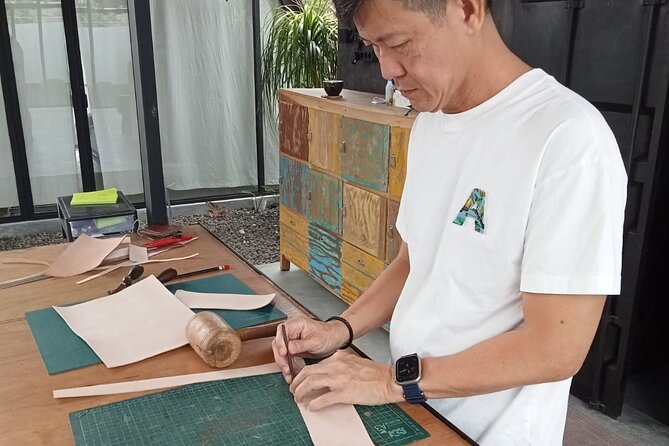
I think you should book this workshop if you want one Bali activity that is local-feeling, practical, and genuinely creative. The rice-field calm, the full process (pattern to finish), and the chance to take home a real leather item are the big wins. If you’re someone who enjoys learning by doing, this class gives you that satisfaction.
I’d hesitate if you’re short on time or you need a nonstop sightseeing day. This is a slow skill-building session, and it rewards patience. Also, plan for lunch and the heat, since those are the most common “make the day easier” notes.
If you’re willing to trade some beach time for craft time, Kaula Bali is a solid bet for a memorable, useful souvenir, made by your own hands.
FAQ
How long is the Bali Leather Craft Workshop?
The workshop runs for about 6 hours.
Where does the workshop start and end?
It starts at Kaula Bali – Leather Workshop in Kerobokan Kaja, and it ends back at the same meeting point.
What is included in the workshop?
You learn the steps to create a small leather item, including pattern cutting, adding color with dyes and finishes, preparing leather for stitching, hand sewing, polishing edges, applying varnish, and adding finishing accessories.
Can I customize what I make?
Yes. You can choose options like leather texture and color, and you can customize the look of your item. Thread color and finishes are part of the process.
Is this a private activity?
Yes. It’s private, meaning only your group participates.
What do I receive at the end?
You leave with a tangible leather item that you created during the workshop, such as a wallet, purse, belt, or jewelry (examples vary by what you make during the class).
Do I need to bring lunch?
You may want to plan for lunch yourself. One note from prior participants suggests bringing your own lunch, though the instructor may help point you to nearby food options during the day.
Make Something to Take Home
- Balinese Cooking Class in Seminyak
★ 5.0 · 281 reviews - Nia Balinese Cooking Class
★ 5.0 · 202 reviews - Nia Bali Seminyak Cooking Class
★ 5.0 · 127 reviews - Canggu: Surfing lesson with ISA certified instructor
★ 5.0 · 102 reviews
More Tour Reviews in Seminyak
- Bali Full-Day Traditional Village Sightseeing Trip All Inclusive
★ 5.0 · 3,069 reviews - Experts Bali Driver : Best Bali Private Driver for Tour in Bali
★ 5.0 · 1,339 reviews - Bali Hai Sunset Dinner Cruise
★ 5.0 · 1,173 reviews - Mount Batur Sunrise Trekking
★ 5.0 · 947 reviews
Up the Coast to Canggu
- Canggu: Drag Show with Dinner
★ 5.0 · 414 reviews - Balinese Cooking Class in Seminyak
★ 5.0 · 281 reviews - Private Bali Horse Riding In Seminyak Beach
★ 4.0 · 171 reviews - Nia Bali Seminyak Cooking Class
★ 5.0 · 127 reviews
Fresh on the Seminyak pages




Canggu & Seminyak Beach Escapes from Kuta, compared.
 ★ 5.0Canggu: Drag Show with DinnerFrom $16414 reviews
 ★ 5.0Balinese Cooking Class in SeminyakFrom $66281 reviews
 ★ 5.0Canggu Scooter LessonsFrom $31195 reviews
 ★ 4.0Private Bali Horse Riding In Seminyak BeachFrom $42171 reviews
 ★ 5.0Nia Bali Seminyak Cooking ClassFrom $71127 reviews
 ★ 5.0Canggu: Surfing lesson with ISA certified instructorFrom $25102 reviews
 ★ 5.0The funniest private 2 hour surf lesson, CangguFrom $3370 reviews
Relaxing Day Spa Packages in SeminyakFrom $6046 reviews
★ 5.0The funniest private 2 hour surf lesson, CangguFrom $3370 reviews
Relaxing Day Spa Packages in SeminyakFrom $6046 reviews
More Kuta tours like this one