
Purification starts with a quiet walk and a splash. This private session pairs Tirta Empul purification with Tegalalang Rice Terrace, plus a healer-led experience meant to help you feel grounded and clear. The flow is smooth because you get pickup and private timing, but you should be ready for a temple setting with local rules and a water ritual component.
I also like the human touch. Guides such as Ketut are reported to be friendly, polite, and funny, and he can even help with photos so you do not feel rushed.
Because it is only 4 to 5 hours, you will not linger all day. Plan on coffee and temple time, not a full lunch-and-sightseeing marathon.
Key things to know before you go
- Private, healer-centered healing time that is scheduled around your group, not a crowd
- Tirta Empul holy springs purification with offerings and sarong included
- Tegalalang Rice Terrace visit with an included ticket and about an hour on site
- Coffee at a plantation plus learning about Balinese Hinduism in plain terms
- Hotel-to-hotel transfers from Ubud or south Bali to save you time and stress
- Excellent guide feedback especially around Ketut’s service and photo help
Other ways to spend a day out of Seminyak:
- Bali Full-Day Traditional Village Sightseeing Trip All Inclusive★ 5.0 · 3,069 reviews
- Experts Bali Driver : Best Bali Private Driver for Tour in Bali★ 5.0 · 1,339 reviews
- Bali Hai Sunset Dinner Cruise★ 5.0 · 1,173 reviews
- Mount Batur Sunrise Trekking★ 5.0 · 947 reviews
A Private Healing Route From Your Hotel in Ubud or South Bali
This is a half-day built for people who want something more intentional than a standard sightseeing circuit. You get private, two-way transfers from your hotel in Ubud or south Bali, which matters in Bali because traffic and logistics can quietly eat your day. Here, you spend your energy where it counts, at the sites and during the ritual.
The total time is about 4 to 5 hours. That is short enough to fit into a busy itinerary, but long enough to do two meaningful stops plus a coffee break afterward. And it is private, so you are not stuck following a bigger group pace or getting separated during the more personal parts.
Price is $50 per person, and the good part is that the essentials are included. You are not paying extra at each site for basic setup, because the experience includes all fees, offerings, guiding, sarong, and mineral water. That helps you compare this fairly with other half-day tours that look cheaper until you add tickets and required items.
Tegalalang Rice Terrace: Quick, Scenic, and Ticket-Included
Your day typically starts with pickup and a drive to Tegalalang Rice Terrace. This is the classic view area in Ubud, the one you likely have seen on photos, but doing it as part of a healing-focused route changes how it feels. Instead of rushing through for pictures, you have space to look and notice details like irrigation channels, steps of green, and the way the light moves across the terraces.
You get about 1 hour here, and the admission ticket is included. That is a smart duration for most people. It is enough time to enjoy the views without turning the stop into a chore. You also avoid that awkward end-of-trip scramble where you only remember to take good photos when you are halfway leaving.
The potential downside is obvious, but worth saying: 1 hour goes fast. If you want to hike deep into the area, this is probably not your full plan. This stop is about atmosphere and grounding, not a long trek.
Tirta Empul Holy Spring Temple: Purification in the Sacred Springs
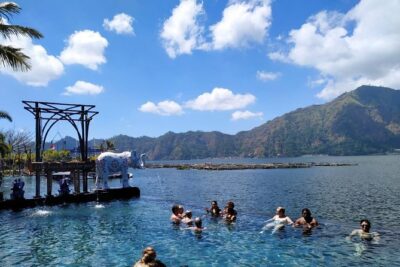
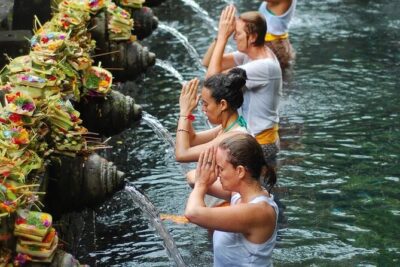
The main event is Tirta Empul Holy Spring Temple, known for purification rituals in the holy waters. You continue there next, and you do purification before you meet the healer. That order matters. It frames the day as a shift from ordinary time to ritual time.
This portion runs about 3 hours, and admission is included. You will follow the local process, including being provided a sarong. The tour also includes offerings, guiding, and mineral water. In practice, that means you are not left guessing about what to do, what to wear, or what happens next.
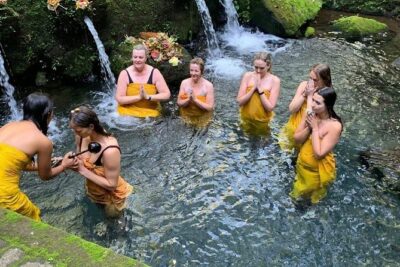
What you are actually looking for here is a ritual that feels structured. You are not just wandering around a temple and taking photos. The “purify your body” part is literal, since Tirta Empul is famous for its sacred springs and bathing spots. If you are comfortable with water-based rituals and temple etiquette, you will likely find the experience powerful. If you are not, consider whether this kind of cleansing ritual aligns with your comfort level.
One more practical note: temples can have rules, and you will want to respect the flow even if you are there for spiritual reasons. The best mindset is simple, follow the guide, stay calm, and let the ritual take its own rhythm.
Coffee on a Plantation, and How Balinese Hinduism Fits Together
After the purification, you have coffee at a plantation. This is not an extra that feels slapped on at the end. It works as a mental landing. You move from ritual intensity to something softer, a drink and conversation, which helps you digest the experience while you still remember the details clearly.
You also learn about the local religion. The tour description frames it as exploring Balinese culture alongside the rice terraces and the plantation setting. That is the value here: you leave with more than scenic photos. You get context for why these places matter, and why the purification ritual is taken seriously in daily life.
I like this stop because it also makes the day feel complete. Without it, you would do a big temple moment and then head home with no natural pause. With coffee, you have a buffer, and it is easier to ask questions about what you just participated in.


Guides Matter, Especially if You Get Ketut
A healing day is personal, so the guide is not just logistics. The feedback around Ketut is strong for a reason. People describe him as brilliant, with great customer service, friendly and polite behavior, and a sense of humor. They also mention he helped with photos, which is a huge deal in Bali if you want authentic images without interrupting the ritual flow.
If you can request a specific guide, I would try to arrange for Ketut. Even if you do not, look for a guide who explains what is happening, keeps things respectful, and makes it easy to move from one site to the next without rushing.
One more thing I appreciate: because it is private, your guide can adjust pace to your group. If you need a slower moment during purification or want a clearer explanation about the coffee and religion segment, you are not competing with 20 other people in the same space.
Price and What $50 Really Covers
Let’s talk value, because $50 can mean wildly different things depending on what is included. Here, the price is $50 per person and includes:
- All fees
- Offering
- Guiding
- Sarong
- Mineral water
- Admission tickets for the main stops
That inclusion list matters. Many half-day Bali tours advertise a low price, then you get hit with separate temple fees, ticket costs, or required items at the last minute. In this experience, you are budgeting once.
You also get two-way private transfers from your hotel area, either Ubud or south Bali. That is time you do not lose stuck in traffic, and stress you do not have to manage by booking a driver yourself. For many people, that is the real “hidden” cost in Bali.
The only likely cost you still need to plan for is lunch and personal expenses. Coffee is included, but lunch is not.
For context, this is an experience with a strong track record: it is rated 5 out of 5 across 38 reviews, and it is recommended by 100%. That does not guarantee your experience will be identical, but it does suggest the core structure works for most people.
Timing, Transfers, and How to Make the Day Feel Calm
Half-day tours can either feel smooth or feel like a sprint. The reason this one has a good chance of feeling calm is the private transfer setup and the clean sequence of stops. You start with the rice terrace, move to the main purification, then finish with plantation coffee and cultural context.
The duration is about 4 to 5 hours. That is enough time to do the ritual portion without it feeling like you are being chased out. But it is not long enough to add extra stops without breaking the rhythm.
I suggest planning your schedule around it. If you have a morning flight, a late night party, or a heavy itinerary the same day, you might feel rushed. If you keep it as one main activity window, you will likely enjoy it much more.
Also, most people tend to book about 9 days in advance. If you are traveling during a busy period, booking earlier can help lock in your preferred timing.
What to Wear, and How to Respect the Ritual Setting
You do not need to overthink outfits, but you do need to be ready for a temple-based day. You will be provided a sarong, which helps with entry and ritual participation. Still, you should wear clothes that you feel comfortable getting wet in, since purification involves holy springs.
Bring sun protection because the rice terrace stop is open-air. Bring water-friendly flip-flops or sandals if you have them, since temple areas can involve slippery surfaces around water points.
Most travelers can participate, but personal comfort matters. If water rituals and sacred spaces feel stressful for you, treat that as a legitimate factor, not an annoyance. This is a spiritual cleansing format, so your mindset counts.
Who This Balinese Healing Session Is Best For
This tour is a great fit if you want:
- A private day with hotel pickup and transfers
- A genuine cultural and spiritual anchor, not just a photo run
- A guided purification ritual at Tirta Empul
- A balanced flow that includes rice terraces and cultural learning
It is also a strong option if you are traveling as a couple, solo, or a small group and you want control over pacing. The private setup helps, especially during purification, where it is easier to follow instructions and stay focused.
It may be less ideal if you want a full-day tour with lots of extra stops, or if you do not want to participate in any water-based ritual at all. In that case, you can still enjoy Bali temples, but you may prefer a different kind of visit.
Should You Book This Balinese Healing Session?
Book it if you want a half-day that feels intentional: Tirta Empul purification plus rice terrace scenery, guided support, and a guided cultural wrap-up with coffee. The value is strong for $50 because key costs and items are included, and the private transfers from Ubud or south Bali make the day easier to fit in.
Skip it if you are looking for a long multi-stop adventure, or if the idea of sacred spring purification sounds like something you would dread. This is not a casual sightseeing add-on. It is a structured ritual experience, and it works best when you approach it with patience and comfort.
If you do book, I would try to request or at least ask about Ketut, based on the glowing feedback around his friendly service, customer care, and photo help. And whatever guide you get, go in with one goal: slow down enough to let the ritual and the rice terrace quiet your brain for a few hours.
FAQ
How long is the Balinese healing experience?
The experience runs about 4 to 5 hours.
Where does the tour start from?
Pickup is offered, with private two-way transfers from your hotel in Ubud or south Bali.
What are the main stops during the tour?
You will visit Tegalalang Rice Terrace and then Tirta Empul Holy Spring Temple, with purification at the sacred springs. You also stop for coffee at a plantation after the ritual.
Are admission tickets included?
Yes. Admission tickets are included for the rice terrace stop and for Tirta Empul.
What is included in the $50 price?
All fees, offerings, guiding, sarong, and mineral water are included.
What is not included?
Personal expenses and lunch are not included.
Is this a private tour?
Yes. Only your group participates.
What is the cancellation policy?
You can cancel for a full refund up to 24 hours in advance of the experience’s start time.
More Tour Reviews in Seminyak
- Bali Full-Day Traditional Village Sightseeing Trip All Inclusive
★ 5.0 · 3,069 reviews - Experts Bali Driver : Best Bali Private Driver for Tour in Bali
★ 5.0 · 1,339 reviews - Bali Hai Sunset Dinner Cruise
★ 5.0 · 1,173 reviews - Mount Batur Sunrise Trekking
★ 5.0 · 947 reviews
Fresh on the Seminyak pages



Balinese Healing & Village Culture from Kuta, compared.
 ★ 5.0Bali Full-Day Traditional Village Sightseeing Trip All InclusiveFrom $683,069 reviews
 ★ 5.0Ubud Tour – Balinese Healing By Shaman And Self PurificationFrom $74236 reviews
 ★ 5.0Bali Cultural ExperienceFrom $5992 reviews
 ★ 5.0Meditate with a ShamanFrom $9977 reviews
 ★ 5.0Balinese Village ExperienceFrom $7049 reviews
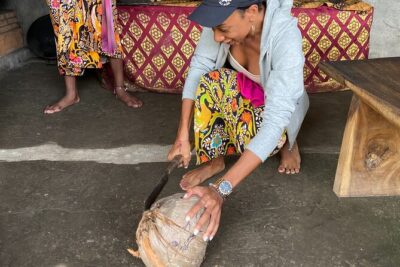 ★ 5.0Make Traditional Bali Coconut Oil with a Balinese FamilyFrom $2739 reviews
 ★ 5.0TULA Wellness Balinese Exotic Fruit RitualFrom $14235 reviews
 ★ 5.0TULA Wellness Half Day Experience with Sound HealingFrom $14834 reviews
More Kuta tours like this one