
Review · SNORKELING
Reef Rehabilitation Course and Snorkeling
Reef planting in Bali feels like snorkeling with purpose. You get a reef education plus hands-on coral restoration, not just a look around. I like that you plant the same amount they talk about, 70 corals per person, with clear numbers tied to the reef area restored.
One possible drawback to plan for: you should be comfortable swimming, and the course expects a moderate fitness level for the time in the water.
What I really like is how practical the instruction is. You learn coral biology and ocean conditions, then you move straight into working with coral fragments, preparing ropes, and placing corals by hand.
Finally, consider that the experience centers on active conservation work, not a long beach-style break. If you want a mostly relaxed snorkel outing, this will feel more like a guided skills session.
Key highlights you will actually use
- 70 corals and 4 m² per person: a concrete impact goal you can picture.
- Coral nursery to planting: you see how the restoration process works, end to end.
- Knot-tying underwater: you practice the technique, not just watch it happen.
- Small groups, up to 10: easier pacing for learning and equipment help.
- Local lunch plus reef mission: Coral Cafe lunch is built into the flow.
- Saturdays add community work: English teaching and beach cleanups with local school kids.
Clearer water, other boats
- ️Nusa Penida by Private Boat – Snorkeling 4 spots, Swim with Mantas + Land Tour★ 5.0 · 6,424 reviews
- One Day Nusa Penida Island West with Snorkeling★ 4.5 · 560 reviews
- Snorkeling Manta Ray Safari in Nusa Penida★ 4.0 · 167 reviews
- Snorkeling and Freediving Trip around Nusa Penida★ 4.5 · 77 reviews
A 6-hour reef rehab course that turns snorkeling into real work
In Bali, Nusa Penida is known for its marine life, but this course pushes past the usual sightseeing. The format is about learning coral conservation and then applying it with your hands. You spend about 6 hours on the experience, and it runs with a maximum of 10 travelers, so the day feels focused instead of crowded.
Ecotourism Nusa Penida runs it, and you start at their meeting point in Nusa Penida. You also end back at the same meeting point, which matters because you are not scrambling for transport after you finish. You get a mobile ticket, and confirmation comes when you book.
This tour is built around a 7-year coral restoration journey. That long timeline shows up in how the day is taught: you are not just learning facts. You learn how coral nurseries work, how coral fragments are prepared, and how planting is done using ropes and careful placement.
From coral science to hands-on planting: what the day really covers
The course is structured like a skills ladder. Early on, you get a coral conservation presentation focused on coral biology and why the reef ecosystem matters. You also learn about ocean conditions, which is important because reef restoration is not a plug-and-play task. Currents, water conditions, and timing all influence whether planted corals have a good chance.
Then the day shifts to the practical side, with a clear set of actions:
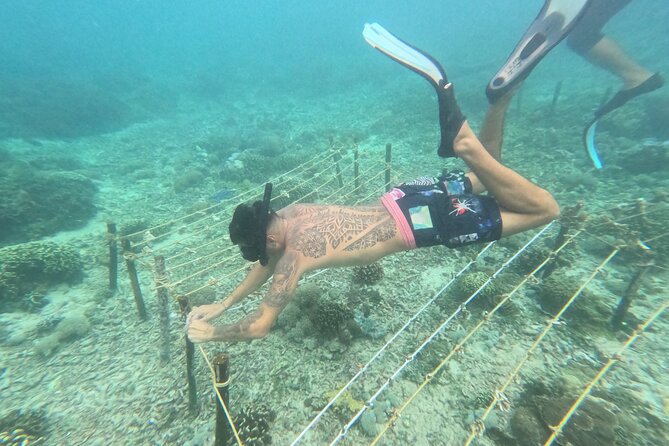
- See the coral nurseries where corals are cultivated.
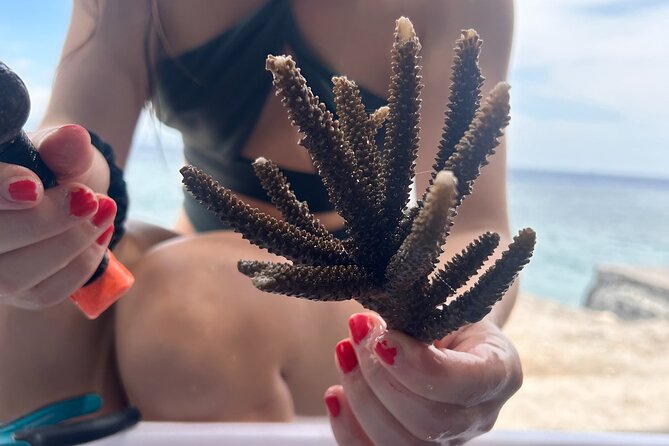
- Harvest coral fragments for planting.
- Take a lunch break at Coral Cafe.
- Learn knot-tying underwater.
- Prepare the ropes with the coral fragments you collected.
- Plant 70 corals and restore 4 square meters of reef per person.
That last line is the headline for a reason. “70 corals” is specific, and “4 m²” gives you scale. It is easy to feel good about conservation when it is vague. It is harder to ignore the impact when there is a measurable goal.
Also, the tour includes material for coral restoration and snorkeling equipment, so you are not trying to figure out gear during the day. You are meant to spend your attention on the actual technique and the reef work itself.
The coral nursery stop: where you see how the process starts
One of the most valuable parts of the day is getting to the nursery before planting. A lot of snorkeling experiences show you what is alive now. This course shows you what grows to become the next generation of reef.
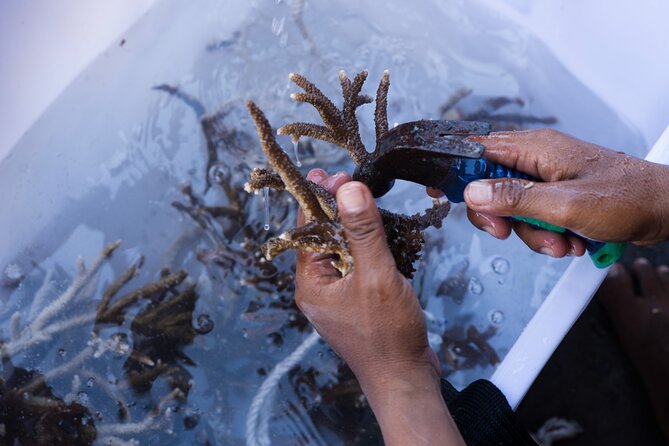
At the nursery, you see how corals are cultivated, and you learn what coral fragments look like and why they are handled in a careful way. You are also guided through the idea of taking fragments and using them for planting. That matters because it connects “reef rehab” to real steps, instead of leaving it as a concept.
In the clearest moment, you are not just told you will help. You are shown where the corals come from, and then you help move them into the planting process. That continuity is one reason the experience gets strong ratings. People come away feeling like they understand the reef restoration workflow, not just the end result.
Coral cafe lunch, plus the quiet extras that make it feel local
Lunch is included at Coral Cafe. You also get a gift connected to the local community work: the program includes a gift to local kids and the school.
Those extras matter because coral restoration is not only underwater. It is also about community buy-in. When the program includes school involvement, and you learn reef conservation with island locals, the work feels tied to the place rather than flown in from outside.
Even the way the day is paced supports this. You do the science and hands-on work first, then you sit down for lunch mid-course. It gives you a reset before the later snorkeling and knot-tying steps.
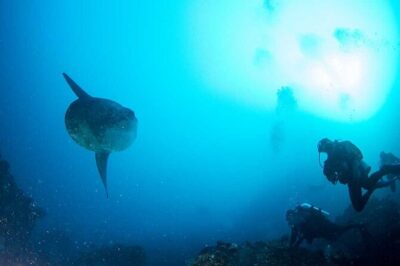
Snorkeling with instruction: knot-tying underwater is the skill test
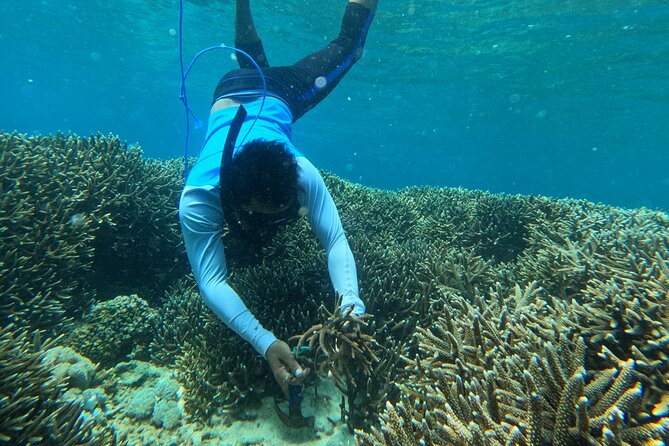
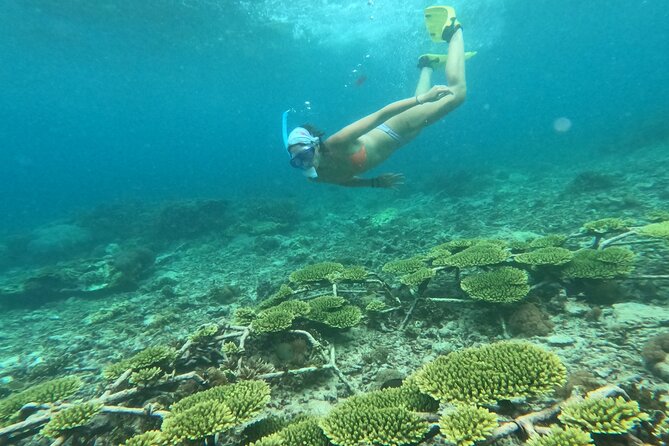
This is not a “put on a mask and follow the leader” snorkeling trip. You do snorkeling with guided support, and the day includes 3 guided snorkeling experiences. Your guides also teach you a practical underwater skill: tight knots underwater.
From a value standpoint, knot-tying is a clever choice. It forces you to slow down. It also makes you pay attention to how you handle lines and how your hands work underwater. Reef planting depends on secure placement. If you cannot tie reliably, you cannot contribute the way the program intends.
You then prepare the ropes with collected coral fragments and place them in position. The goal is to plant 70 corals by hand, with the ropes helping keep them in place.
One more detail that shows up in the feedback: people really remember the moment they learn how to attach the coral to the ropes, and how to place it on the seabed correctly. The team plays a key role here, and names like Nyoman and Festi come up in positive comments about instruction and information sharing. That tells you the guides are not just supervising. They are teaching.
Saturday adds a community layer: school English and beach cleanups
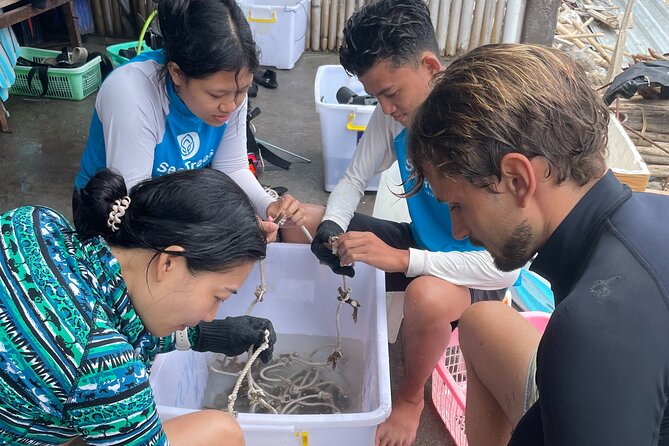
On Saturdays, the day changes in a meaningful way. You visit a local school, help with English teaching, and join conservation activities like beach cleanups with the children.
If you care about travel that connects to local life, this Saturday option is the standout. It adds context to the reef mission. Beach cleanups are not the same as coral planting, but they are part of the same conservation chain. Learning and action happen on land too.
It also changes the tone of the day. Instead of only ocean focus, you get a community moment where you are working alongside kids and teachers. If you are the kind of person who likes to understand how conservation is supported locally, you will probably appreciate this addition.
Price and value: why $62.61 can feel like more than a snorkel day
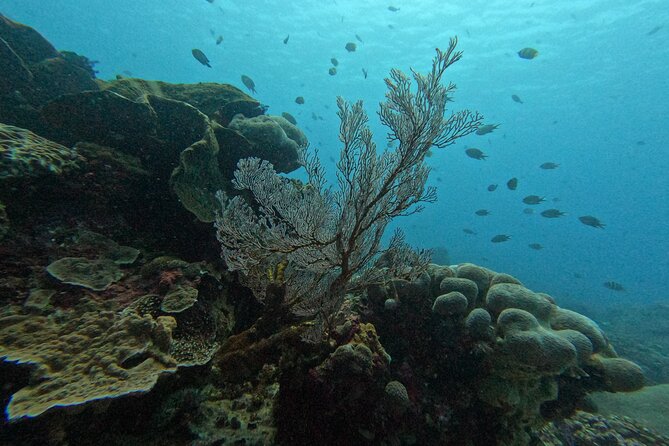
The price is $62.61 per person, and the course is often booked about 38 days in advance. A day like this competes with standard snorkeling trips that cost more for less structured work.
Here is where the value logic gets interesting. The organizers frame the impact as something that, through typical NGOs, would cost hundreds of dollars for the same scale of coral planting. They also claim no one offers what they do at this price, with this depth of experience. Even if you view that claim skeptically, you can still see the value in what is included: training, materials, snorkeling equipment, lunch, and a community gift, all tied to a specific number of corals planted per person.
More importantly, the day is not vague. You know the target: 70 corals and 4 m² per person. When you are spending your time and money, that clarity helps. You are not paying just to see reef. You are paying to participate in restoration work with guided instruction.
So for the value comparison in your head, think of it like this:
- Many snorkel tours give you scenery.
- This one gives you a skill set plus a measurable planting outcome.
Logistics that matter in Nusa Penida: group size, swimming, and timing
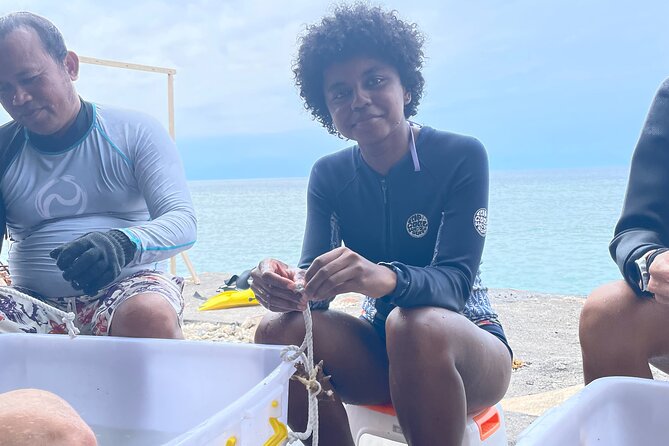
The tour caps at 10 travelers, which is a big deal for hands-on conservation. In a group that small, guides can adjust pacing, help with snorkeling gear, and give you coaching while you practice knot-tying and rope placement.
You also need to be able to swim comfortably, and you should have moderate physical fitness. That is not a deal breaker for most people who swim a bit. But it is a real consideration if you are a weak swimmer or if you usually feel stressed in open water.
The course lasts about 6 hours. That duration matters because you are doing both instruction and time in the water. Plan for a full half-day commitment. The program also ends back where you start, which helps reduce logistical stress at the end of the day.
What is included is fairly direct: lunch, snorkeling equipment, coral restoration material, and the community gift. Personal expenses are not included, so keep some spending money aside for anything you might want beyond what is stated.
Who should book this, and who should skip
This experience fits best if you want your snorkeling to mean something. You should enjoy hands-on work, be patient with learning physical techniques, and genuinely care about marine conservation.
Book it if:
- You want real conservation participation, not just sightseeing.
- You like structured instruction, especially learning how to handle coral fragments and work with ropes.
- You would enjoy learning coral ecology, not only seeing ocean scenery.
Consider skipping if:
- You do not swim comfortably or you are not comfortable with snorkeling for several guided sessions.
- You want a mostly passive day, where you watch and relax the whole time.
- You are mainly after reef viewing with minimal effort.
Should you book this reef rehabilitation course?
Yes, if you want a day that blends ocean time with clear, hands-on conservation. The biggest reasons to book are the specifics: 70 corals and 4 m² per person, plus knot-tying instruction and coral nursery education. It also includes lunch and equipment, which makes it simpler to commit.
I would pass only if you know you cannot meet the swimming and moderate fitness expectations, or if you do not want to spend your time practicing reef-related tasks. Otherwise, this is one of those rare options where you can leave with a story that includes what you learned and the work you helped do.
FAQ
How long is the reef rehabilitation and snorkeling experience?
It runs for about 6 hours.
What does the tour include?
It includes lunch, use of snorkeling equipment, material for coral restoration, and a gift to local kids and the school.
Do I need to be a strong swimmer?
You should be able to swim comfortably, and you should have a moderate physical fitness level.
How many people are in the group?
The maximum group size is 10 travelers.
What happens on Saturdays?
On Saturdays, the program includes a local school visit, teaching English, and conservation activities like beach cleanups with the children.
What is the meeting point and where does it end?
The start is Ecotourism Nusa Penida Buyuk in Nusa Penida, Bali, and the activity ends back at the same meeting point.
Where the Water Is Clear
- ️Nusa Penida by Private Boat – Snorkeling 4 spots, Swim with Mantas + Land Tour
★ 5.0 · 6,424 reviews - One Day Nusa Penida Island West with Snorkeling
★ 4.5 · 560 reviews - Snorkeling Manta Ray Safari in Nusa Penida
★ 4.0 · 167 reviews - Snorkeling and Freediving Trip around Nusa Penida
★ 4.5 · 77 reviews
More Tour Reviews in Nusa Penida
- ️Nusa Penida by Private Boat – Snorkeling 4 spots, Swim with Mantas + Land Tour
★ 5.0 · 6,424 reviews - Bali to Nusa Penida: Premium Private Full Day Tour-All Inclusive
★ 5.0 · 764 reviews - One Day Nusa Penida Island West with Snorkeling
★ 4.5 · 560 reviews - One Day Nusa Penida Island West & East
★ 4.5 · 425 reviews
Fresh on the Nusa Penida pages

Snorkeling, compared.
 ★ 5.0️Nusa Penida by Private Boat – Snorkeling 4 spots, Swim with Mantas + Land TourFrom $1006,424 reviews
Bali Snorkeling Tour at Blue Lagoon Beach – All-InclusiveFrom $402,928 reviews
★ 5.0️Nusa Penida by Private Boat – Snorkeling 4 spots, Swim with Mantas + Land TourFrom $1006,424 reviews
Bali Snorkeling Tour at Blue Lagoon Beach – All-InclusiveFrom $402,928 reviews
 ★ 5.0Nusa Penida day trip: boat, 4 snorkeling, Manta rays & Land tourFrom $782,033 reviews
 ★ 5.0Nusa Penida Snorkeling Adventure (Private & All-Inclusive)From $1291,197 reviews
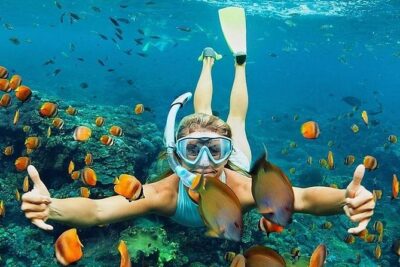 ★ 5.0All Inclusive : Bali Blue Lagoon Snorkeling, Lunch, and TransportFrom $441,097 reviews
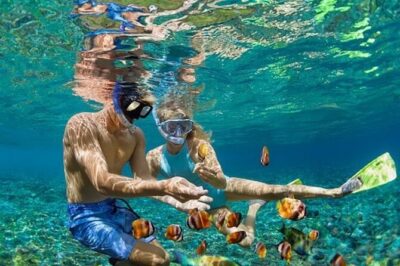 ★ 5.0Bali Blue Lagoon Snorkeling – Lunch and Transport All InclusiveFrom $39588 reviews
One Day Nusa Penida Island West with SnorkelingFrom $29560 reviews
★ 5.0Bali Blue Lagoon Snorkeling – Lunch and Transport All InclusiveFrom $39588 reviews
One Day Nusa Penida Island West with SnorkelingFrom $29560 reviews
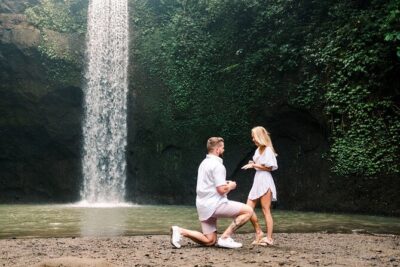 ★ 5.0Blue Lagoon Snorkeling – Lunch – Kantolampo – Tibumana WaterfallFrom $39542 reviews
More Kuta tours like this one