
Review · LEMBONGAN & CENINGAN ISLAND HOPPING FROM KUTA
Try Diving in Nusa Lembongan – Penida. For beginners (with 2 ocean dives)
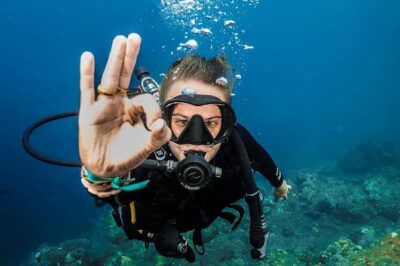
A first scuba day in Penida feels like a small miracle. This try-scuba course pairs pool training with two guided ocean sessions around Nusa Lembongan and Nusa Penida, where you can realistically hope for big marine animals. It also includes gear, lunch, and hot drinks, so you do not spend your day guessing what you forgot.
I love how it’s set up for absolute beginners, with an instructor keeping close by and teaching skills like breathing underwater and neutral buoyancy. I also like the practical touches, like staying fed and hydrated on the boat with a lunch box plus tea, coffee, and hot drinks. That combo makes the whole day feel organized, not chaotic.
One consideration: learning underwater is personal, and confidence levels vary fast. The experience aims to be supportive, but if you feel nervous early on, you may want to communicate that upfront so your instructor can pace you well.
Key Things to Know Before Your First Scuba Day
- Pool session first, so you build comfort before you hit open water.
- Two guided ocean sessions with an experienced instructor close at hand.
- Max 8 people keeps the instruction more personal than big-group formats.
- Lunch box plus tea, coffee, and hot drinks during the surface interval.
- Underwater sites around Lembongan and Penida can include famous bays like Manta Bay and Crystal Bay.
- Manta rays and mola mola are possible, but sightings depend on the day’s conditions.
More island hopping across the strait
- Open Water Course in Nusa Lembongan – Get Certified on remote island (next Bali)★ 5.0 · 864 reviews
- 2 Days Discover Scuba Diving in Nusa Lembongan – Scuba Initiation★ 5.0 · 506 reviews
- Advanced Open Water Course – Advanced Certification in Lembongan (next to Bali)★ 5.0 · 222 reviews
- 5 Fun Dives in Nusa Lembongan (for certified divers) – Swim with a Mola Mola★ 5.0 · 205 reviews
First-Time Scuba Structure in Nusa Lembongan and Penida
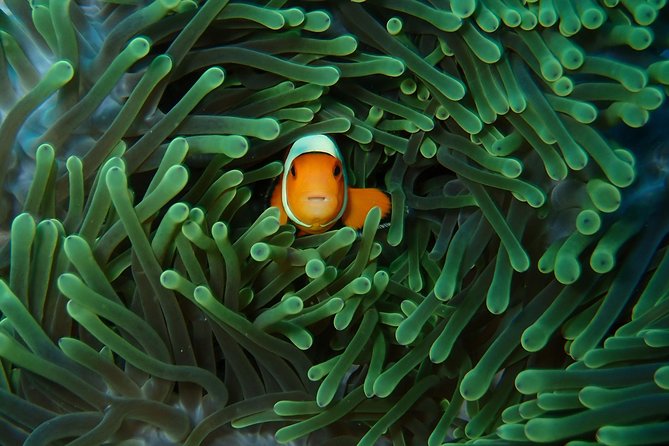
This course is built for people who have never done scuba before. You get a pool session to learn the basics, then you move to the ocean for two guided underwater sessions. It runs like a proper first-day progression, not like a rushed attempt to start big.
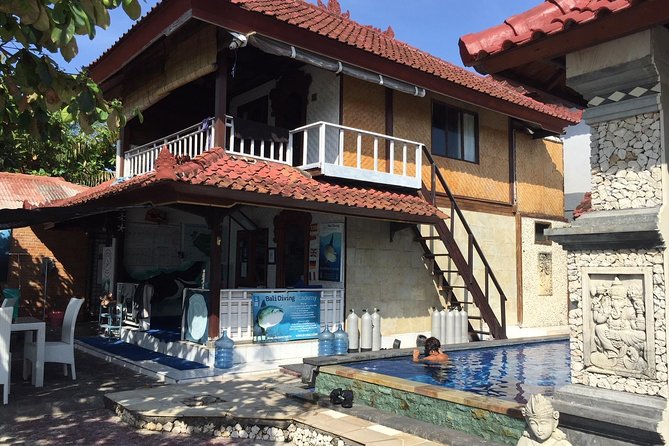
Timing is straightforward. You meet at 8:00 am at the shop area in Jungut Batu, then the day flows into the pool portion, followed by an ocean session at about 10:00 am. You return around 3:00 to 3:30 pm, so it’s an easy half-day that still feels complete.
The best part for most first-timers is that the instructors are close by during the ocean time. That means you are not left to figure things out alone, and you can focus on breathing, staying calm, and controlling your buoyancy. If you’ve ever worried about slowing everyone else down, the small-group size helps.
Pool Training: Learning Buoyancy Without Getting Overwhelmed
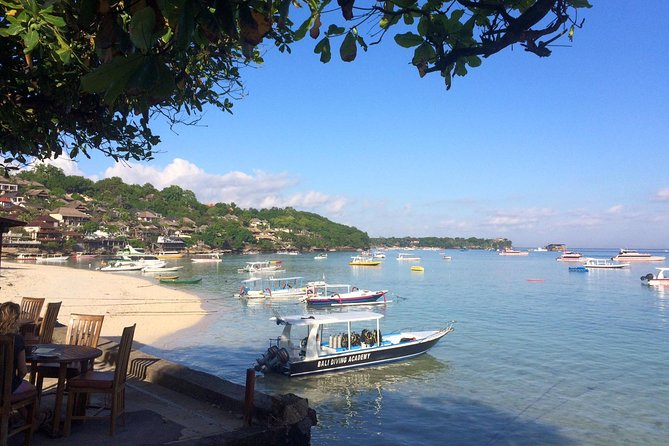
The pool session is where you actually build confidence. You start learning how to breathe underwater and how to manage your body position so you do not sink or float too high. The course also works on neutral buoyancy, which is one of the keys to feeling comfortable once you’re in open water.
What I like about this approach is that it turns scuba into skills you can practice, not just a novelty experience. In a pool, you can fail safely and try again, which makes your ocean sessions less stressful. You also get a baseline for what your gear feels like on your body, so nothing feels surprising later.
For you, the practical takeaway is to show up ready to listen and ask questions. If something feels off in the pool, tell your instructor quickly. The better you communicate early, the better your instructor can tailor coaching during the ocean sessions.
Two Ocean Sessions, Plus a Real Surface Interval
Your day includes two guided ocean sessions. Between them, you get about a one-hour surface interval, when you can rest and reset. This is not just time floating in salt water. You have tea, coffee, and the chance to choose a lunch box, plus a chance to warm up with hot drinks.
That surface break matters more than people think. It helps you recover from the swim-like exertion of getting used to breathing with the regulator and staying relaxed. It also gives you mental space to focus on the second session instead of carrying any nerves from the first.
During both ocean sessions, the course keeps you guided. The idea is simple: you should experience the underwater world while still feeling supported. If you want an unforgettable first day that does not feel like a test, this format is the right kind of structure.
Underwater Sites Around Lembongan and Penida: Manta Rays and More
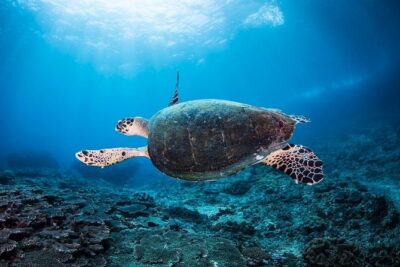
Nusa Lembongan and Nusa Penida are known for world-class animal encounters, and this area includes some famous underwater sites. The course mentions up to 12 sites around the islands, including places like Manta Bay, Crystal Bay, Gamat Bay, Toya Pakeh, and Sental.
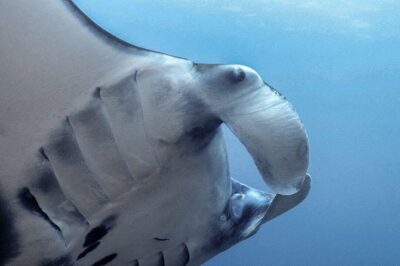
Here’s the honest part: marine sightings are never guaranteed. Manta rays can appear all year, but whether you see them depends on the specific site and the daily weather and water conditions. Mola mola have a more seasonal reputation, with July to October being the best window mentioned for that kind of encounter.
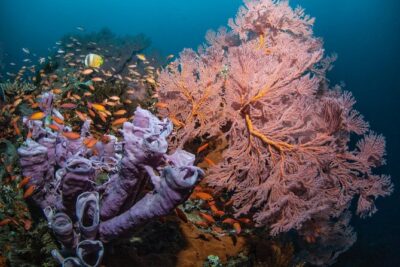
What you can expect underwater is also about the environment. The area is described as having clear waters and colorful coral reefs that are in good health. For a beginner, that combo is ideal because you can enjoy the scenery without needing special skills to find something interesting.
My tip for managing expectations: focus on how you feel in the water. If you’re calm and buoyant, you’ll notice more. You’ll also likely enjoy the chance to spot animals when the conditions cooperate.


Gear, Food, and What You Actually Need to Bring
Good beginner experiences remove friction. This one provides the equipment you need, so you do not have to pack your own kit or worry about rentals. That alone often saves time and money, especially if you’re staying on the island and trying to travel light.
Food is handled too. You get a lunch box on the boat, and you also have water plus tea, coffee, and hot drinks during breaks. That’s a real comfort detail because a long day on the water can make you feel wiped out, even if you’re fit.
What should you bring? The course does not list a full checklist in the info you provided, so I’d keep it simple for your first scuba day: wear something quick-drying, bring swimwear you feel confident in, and pack sunscreen and a light layer for the boat ride. If you tend to get cold easily, also bring a towel or extra fabric you can keep dry until you’re done.
Safety, Small Groups, and Instructor Pacing
This experience emphasizes safety with a 100-percent safety record claim. That matters, especially when you’re new to breathing underwater and handling equipment. It’s also paired with a responsible approach meant for beginners.
The small-group limit helps with attention. The course notes that you get personal attention thanks to the group staying small, with a maximum of 8 people. For most people, that means less waiting, more direct coaching, and fewer distractions.
Now for the balanced part. While the goal is patience and support, learning underwater can frustrate some first-timers when confidence lags. One earlier account you might relate to was about an instructor being less patient during the first minutes underwater. The best way to protect yourself from that scenario is to speak up early. If you’re nervous, say so immediately at check-in or in the pool.
If you go in with a calm mindset and communicate quickly, you’re far more likely to get the supportive pace this course is designed for.
Price and Value: What You Get for $125
At $125 per person, this is priced like a true beginner package, not just a ticket to get on a boat. You’re paying for the structure: pool training, two guided ocean sessions, and the included gear. You’re also getting meals and drinks, including lunch plus tea, coffee, and hot drinks.
Value is not only the dollar amount. It’s also what you avoid. You avoid extra rentals, you avoid worrying about feeding yourself for hours on the water, and you avoid the stress of finding a plan that fits first-timer needs. Small-group attention also typically costs more than large-group formats, so the capped group size is part of why the price feels fair.
Booking about 20 days in advance is common, which can help you secure your preferred day. If you’re traveling later in the week, booking sooner gives you a better chance of getting the time that fits your schedule.
Who Should Book This and Who Might Want Another Option
This course is a great match if you are:
- brand new to scuba and want a pool-to-ocean learning path
- looking for two guided underwater sessions, not a one-and-done taste
- the kind of person who appreciates clear structure, rest breaks, and included gear
- traveling with moderate physical fitness and who can handle a day out on the water
The info also notes moderate physical fitness. That doesn’t mean you need to be an athlete, but you should feel comfortable with the day’s movement, getting in and out for the pool and ocean sessions, and handling the exertion level of the boat routine.
If you’re someone who freezes under pressure, you’ll still have a shot, but plan to tell the instructor you’re nervous at the start. The teaching approach is designed for beginners, yet your comfort still depends on communication and pacing.
Should You Book This Try-Scuba Course?
If you want your first scuba day to feel controlled and guided, I’d book it. The combination of pool practice, two instructor-led ocean sessions, capped group size, and included gear plus lunch and drinks is exactly what first-timers need.
I’d especially lean yes if your goal is to see the underwater world around Lembongan and Penida while learning the basics properly. You’ll also be in the right region for potential manta ray sightings, and in the July to October season you’re in a better window for mola mola.
The only reason to hesitate is if you know you have trouble with underwater confidence and you do not feel comfortable asking for extra patience. If that’s you, do not stay silent. Let your instructor know you want a slower pace in the pool, because that’s when confidence gets built.
FAQ
Do I need any prior scuba experience?
No. This experience is designed for absolute beginners and does not require prior skill. You start with a pool session to learn the basics before going to two ocean sites.
Is there a pool session before the ocean?
Yes. The course includes a pool session to practice basic scuba skills and build comfort before you do the two guided ocean sessions.
How many ocean sessions are included?
You get two guided ocean sessions as part of the course, tailored for beginners.
What time does the day start and how long does it take?
You meet at 8:00 am. The total duration is about 8 hours, and you return to the shop around 3:00 to 3:30 pm.
Is gear included, or do I need to bring my own?
Gear is provided, so you do not need to pack your scuba kit for this experience.
How big is the group?
The maximum group size is 8 travelers, which is part of why you get closer instructor attention.
What about seeing manta rays or mola mola?
Manta rays can be seen all year, but sightings are not guaranteed and depend on dive site and daily weather conditions. Mola mola are mentioned as most likely during July to October.
What happens if weather is bad?
The experience requires good weather. If it is canceled due to poor weather, you will be offered a different date or a full refund.
If you want, tell me your travel month and your comfort level in water, and I’ll help you judge how realistic manta rays and your first-day comfort will feel.
Deeper Off the East Coast
- 2 Days Discover Scuba Diving in Nusa Lembongan – Scuba Initiation
★ 5.0 · 506 reviews
More Tour Reviews in Nusa Lembongan
- Open Water Course in Nusa Lembongan – Get Certified on remote island (next Bali)
★ 5.0 · 864 reviews - 2 Days Discover Scuba Diving in Nusa Lembongan – Scuba Initiation
★ 5.0 · 506 reviews - Advanced Open Water Course – Advanced Certification in Lembongan (next to Bali)
★ 5.0 · 222 reviews - 5 Fun Dives in Nusa Lembongan (for certified divers) – Swim with a Mola Mola
★ 5.0 · 205 reviews
Island Hopping the Strait
- Open Water Course in Nusa Lembongan – Get Certified on remote island (next Bali)
★ 5.0 · 864 reviews - 2 Days Discover Scuba Diving in Nusa Lembongan – Scuba Initiation
★ 5.0 · 506 reviews - Advanced Open Water Course – Advanced Certification in Lembongan (next to Bali)
★ 5.0 · 222 reviews - 5 Fun Dives in Nusa Lembongan (for certified divers) – Swim with a Mola Mola
★ 5.0 · 205 reviews
Fresh on the Nusa Lembongan pages


Lembongan & Ceningan Island Hopping from Kuta, compared.
 ★ 5.0Open Water Course in Nusa Lembongan – Get Certified on remote island (next Bali)From $461864 reviews
 ★ 5.02 Days Discover Scuba Diving in Nusa Lembongan – Scuba InitiationFrom $151506 reviews
 ★ 5.0Advanced Open Water Course – Advanced Certification in Lembongan (next to Bali)From $431222 reviews
 ★ 5.05 Fun Dives in Nusa Lembongan (for certified divers) – Swim with a Mola MolaFrom $256205 reviews
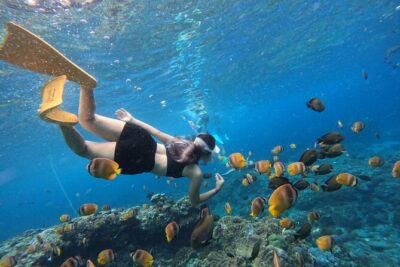 ★ 4.5Snorkeling Day Trip To Lembongan and PenidaFrom $35168 reviews
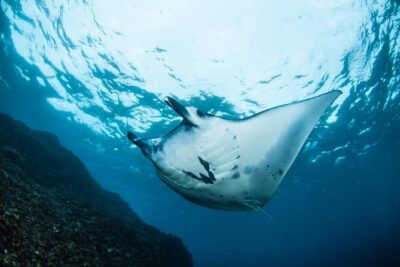 ★ 5.07 Fun Dives in Nusa Lembongan (for certified divers) – Premium Value PackageFrom $311118 reviews
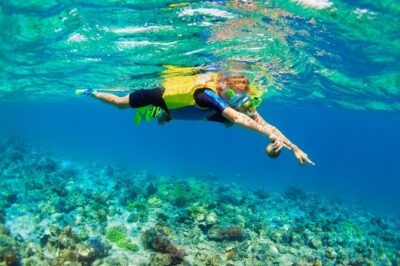 ★ 5.0Nusa Lembongan Island: Snorkeling & Mangrove Forest Day TourFrom $14397 reviews
 ★ 4.0Bali Reef Cruise and Lembongan Island Day TripFrom $16468 reviews
More Kuta tours like this one