
Review · LEMBONGAN & CENINGAN ISLAND HOPPING FROM KUTA
Open Water Course in Nusa Lembongan – Get Certified on remote island (next Bali)
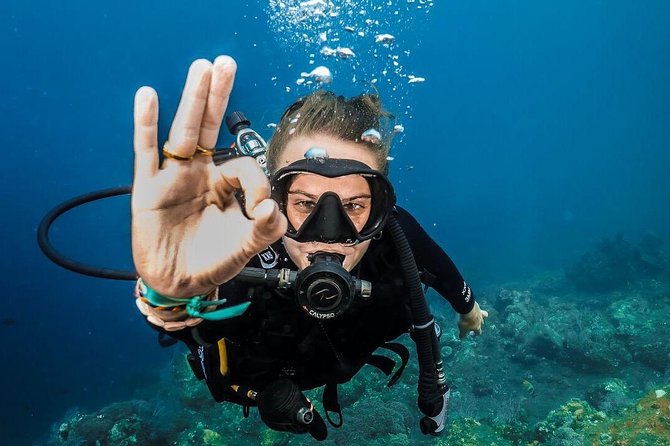
Scuba certification on a remote island sounds wild, until you see how well this course is run. You get SSI Open Water training on Nusa Lembongan, plus the chance to spot marine life like mantas, turtles, and more while you learn the skills for safe, independent scuba. I like that you start with clear classroom-style basics, then move into hands-on water practice until everything clicks.
What I really like is the balance of structure and support. Your instruction is led by experienced teachers, including names like Loïc, Silvère, Kaka, and Pablo, who are repeatedly praised for calm, patient guidance and explanations that make the gear and procedures feel doable. The other big win is the setup at the training center, with lockers, bathrooms, showers, Wi-Fi, and a restaurant, so you are not scrambling between sessions.
One thing to consider: this experience needs good weather, and conditions can affect the exact sites you reach. Also, your course materials are included, but digital souvenir photos or videos cost extra, so plan on that if you want a full set of memories.
Key highlights worth knowing before you book
- SSI Open Water Diver certification with training that targets a max depth of 18 meters (60 feet)
- At least four open-water sessions in the ocean, plus the required shallow practice period
- Training center comfort: Wi-Fi, lockers, bathrooms, shower, and a restaurant on site
- Gear included (mask, tank, fins, and the rest of what you need to start safely)
- Instructors praised for safety and clarity, with standout names like Silvère, Loïc, Kaka, and Pablo
- You might not hit every named marine hot spot if weather or conditions shift
More island hopping across the strait
- Open Water Course in Nusa Lembongan – Get Certified on remote island (next Bali)★ 5.0 · 864 reviews
- 2 Days Discover Scuba Diving in Nusa Lembongan – Scuba Initiation★ 5.0 · 506 reviews
- Advanced Open Water Course – Advanced Certification in Lembongan (next to Bali)★ 5.0 · 222 reviews
- 5 Fun Dives in Nusa Lembongan (for certified divers) – Swim with a Mola Mola★ 5.0 · 205 reviews
SSI Open Water on Nusa Lembongan: what you learn and why it matters
This course is built for one goal: help you earn SSI Open Water scuba certification through structured learning and supervised practice. The promised result is simple and valuable. By the end, you are qualified to reach 18 meters (60 feet) with the certification rules you are trained on.
The course flow follows three main steps. First, you develop the knowledge, meaning the basics you need to understand how scuba works and how to stay in control underwater. Next, you do basic skill work in shallow water, with at least five practice sessions in a beach or pool setting. Finally, you move into open water and complete at least four ocean sessions so you can practice technique while you explore real marine environment.
That sequence is exactly what you want if you are nervous at the start. You do not jump straight into deeper water with only guesswork in your head. You build competence step by step, then prove it over multiple underwater sessions. It also makes the certification feel less like a test and more like a skill ramp.
Price and value: what $461.48 includes, and what you’ll pay separately
At $461.48 per person for a roughly 3-day course, the value is mostly about what you get bundled in. Your package includes your certified instructor, use of your scuba equipment, and access to the center’s facilities like lockers, bathrooms, shower, and a place to eat.
The gear part matters. If you are new, buying masks, fins, and other basics before you know your fit is a headache and often wasted money. Here, the course provides what you need for your training, starting with the key items like mask, tank, and fins.
Your other likely costs are clearer. Accommodation is not included, though dormitory and bungalow options are available at the dive school. Also, digital souvenir photos or videos are available for purchase, meaning that your memories may not automatically be handed to you in file form.
Is $461.48 “cheap”? Probably not, but it also is not overpriced for an instructor-led certification on a remote island. You are paying for training time, supervision, equipment use, and the logistics of running open-water instruction around Nusa Lembongan and nearby waters.
3 days of training: from shallow skills to 18-meter confidence
The course runs about 3 days, which is a compact schedule. That is good news if you have limited time, but it also means you should show up mentally ready to learn quickly.
In the knowledge phase, you are learning the fundamentals you need to understand buoyancy, breathing control, and core safety procedures. This matters because scuba is not just about being underwater. It is about managing air, depth, and your body positioning so you can breathe comfortably and move calmly.
Then comes the shallow practice block. You will do basic exercises in beach or pool water, with at least five sessions. This is where you build muscle memory for tasks like clearing water from your mask, managing buoyancy, and following instructor-led steps without panic. You will likely feel awkward the first time through, and then you will get better quickly as the steps start to feel familiar.
Finally, you complete open-water ocean sessions, with at least four in the deep ocean as part of the certification structure. This stage is where the course becomes real. You are still learning, but now you are also experiencing the ocean environment you came for, seeing marine life while applying the skills you practiced shallow.
One small but important reality check: “scared” and “safe” can feel similar at first. That is why patient instruction makes a big difference. The teaching style described in feedback, especially from Silvère, Loïc, Kaka, and Pablo, is all about calm coaching when things feel intense early on.
Crystal Bay, Mangrove Point, Toyapakeh, Jungut Batu: how each stop helps your training
Your schedule includes four named locations: Crystal Bay, Mangrove Point, Toyapakeh, and Jungut Batu Beach. Each one plays a role in giving you variety in conditions and water handling, which is part of what makes a certification useful.
Crystal Bay is a classic place in the region for open-water training because it can offer a mix of visibility and marine life potential. For your course, what matters is that you get repeated underwater practice in real conditions, not just one lucky day.
Mangrove Point is a smart choice for learning because it adds a different kind of underwater setting. Mangroves can change how water movement feels and what you notice as you go. Even if you are focused on skills, having variety helps you adapt, which is the real goal of the certification.
Toyapakeh is another key stop that keeps your sessions from feeling repetitive. You learn best when your brain has to re-center itself and adjust, even slightly, from one site to the next. That builds confidence because you realize you can handle changing underwater conditions.
Jungut Batu Beach is likely where the course anchors back to the island’s center of activity. For you, it means easier logistics between sessions and a smoother routine overall, especially during the transitions between theory, shallow practice, and open water work.
A practical takeaway: even with a set list of locations, weather and water conditions can affect what is possible. One piece of feedback noted that manta-focused sites might not always be reachable. So go in expecting “great marine encounters,” not a guaranteed checklist.

Manta rays and other marine life: what you can expect without wishful thinking
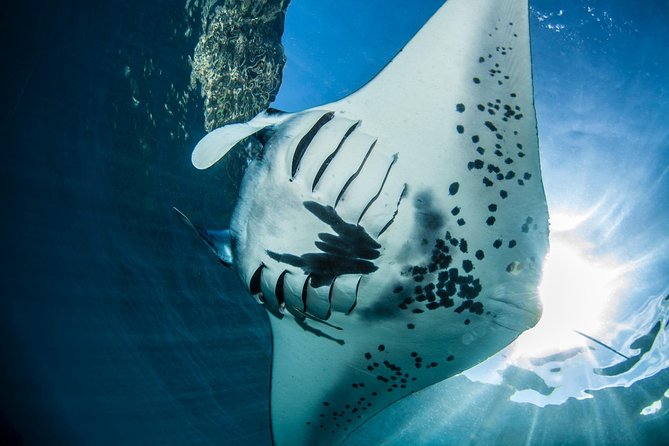
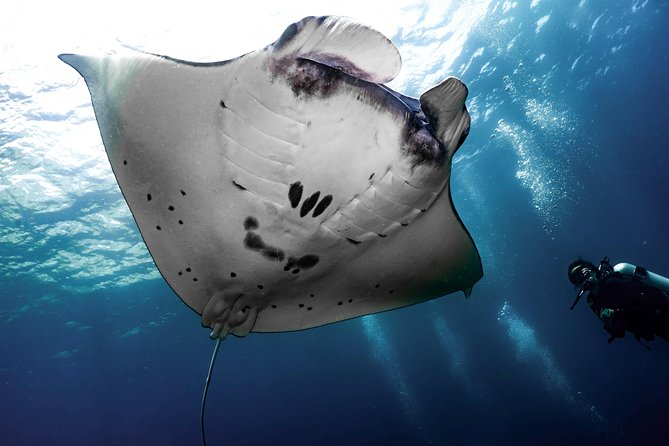
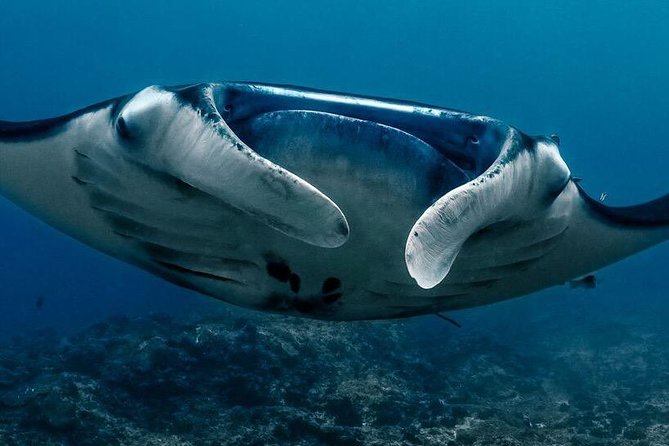
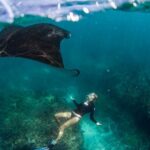
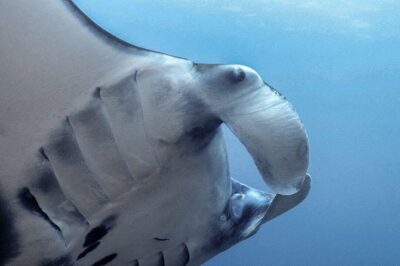
The big headline here is simple: the course is built around manta-ray chances. In this part of Indonesia, that can be a real highlight, and many people link the region’s open-water appeal to manta sightings.
But I would treat it like this: mantas are a possibility, not a promise. Conditions matter. Water movement, visibility, and the day’s schedule can change what you reach. If you are booking for mantas specifically, keep your excitement high, and keep your expectations flexible.
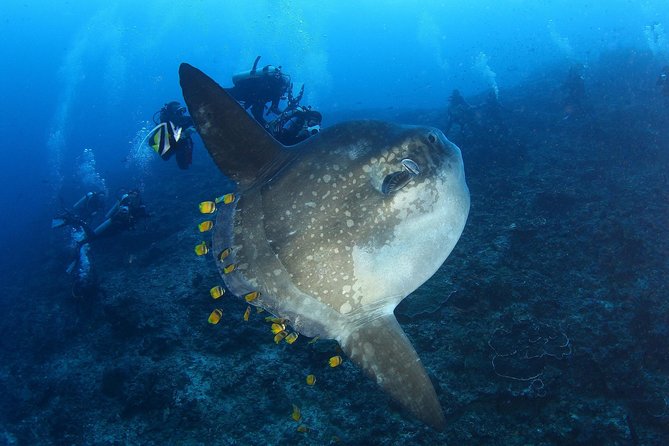
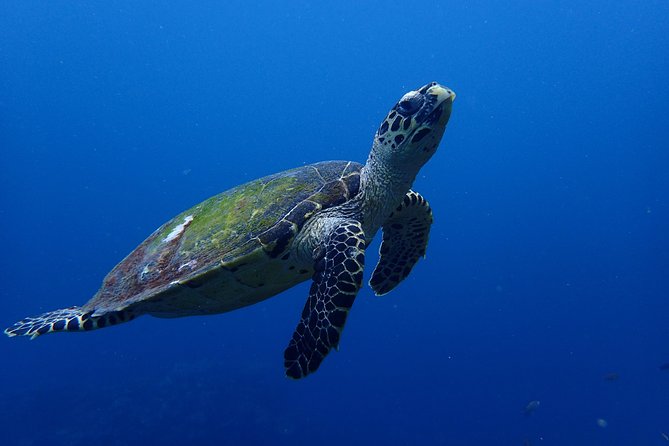
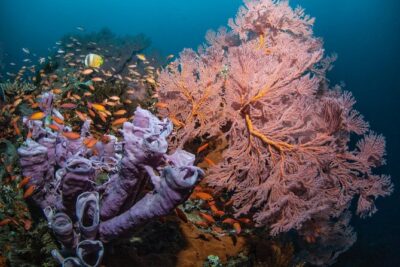
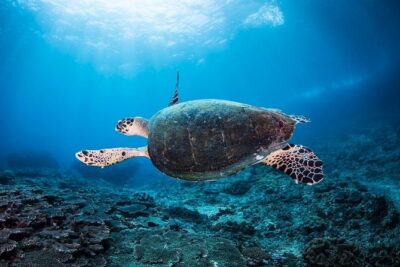
Beyond mantas, the region is known for a strong cast of ocean life, including turtles and other creatures people commonly talk about around the local sites, like octopus. You should also be prepared for lots of fish and healthy coral zones that make the training feel more like discovery than drills.
This is where instruction style becomes part of the value. In feedback, Kaka and other instructors are praised not only for teaching skills, but for pointing out fish and coral and sharing what you are actually looking at. That turns your certification time into something you remember, not just a box checked.
The training center setup: why Wi-Fi, lockers, and bathrooms matter
On a short course, comfort is not a luxury. It is what keeps you functioning between sessions.
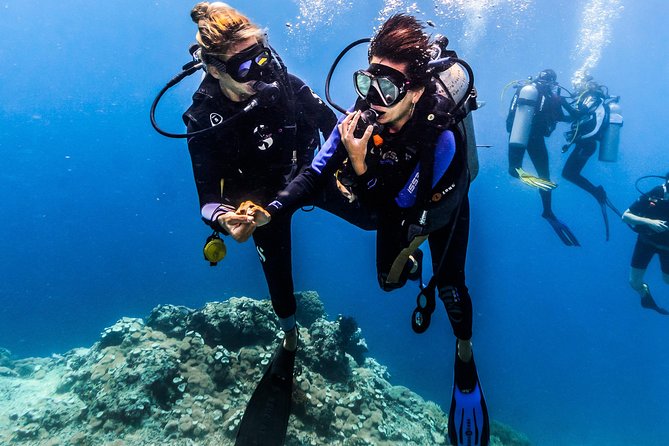
This training center has Wi-Fi, lockers, bathrooms, and a restaurant, plus shower and change-room access. Translation: you can rinse up, store gear safely, and get through the waiting time without living in pure inconvenience. That is a big deal on Nusa Lembongan, where you may be juggling boats, equipment prep, and multiple short sessions.
Gear is included in the package. The list you are given includes essential items like mask, tank, and fins, and the experience includes use of scuba equipment overall. For new students, it reduces friction and helps you start learning faster with less decision fatigue.
Also, the group setup is listed as private, meaning you are not stuck with a mixed crowd of strangers all sharing the same schedule. For a certification course, that matters because it makes it easier for the instructor to tailor pacing, corrections, and confidence-building.
Safety, instruction style, and how to get the most out of your course
The strongest praise in feedback centers on one theme: people felt safe and supported. That comes from instructors who explain clearly and stay calm when you feel tense.
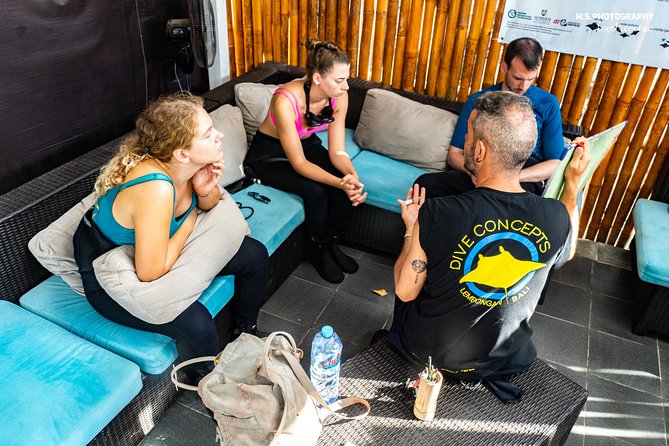
If you want to maximize your results, come prepared to ask questions early, not after you already feel stressed. If you are overwhelmed by tasks like breathing control, mask clearing, or hand signals, tell your instructor right away. The teaching style described for Silvère, Loïc, Kaka, and Pablo emphasizes clarity and patience, and that is exactly what you want to lean on.
Another practical tip: treat the shallow sessions like the foundation of your whole course. You might be tempted to rush through them and wait for the ocean. Don’t. The better you get at core tasks in shallow water, the more relaxed you will feel in deeper sessions.
You also might be surprised by the attention to the fun side of the ocean. Several comments mention instructors who know fish and coral well, and who help you understand what you are seeing. That kind of guided awareness makes your underwater time more meaningful.
And yes, there are photos. Some feedback mentions instructors taking pictures during the course, including GoPro-style photos. Still, digital souvenir photos or videos are listed as extra, so if you want a lot of image content, plan for that cost.
Who should book this SSI Open Water course, and who should think twice
This is a great match if you want a structured way to become certified without guessing your way through the learning curve. The SSI format, the step-by-step training, and the clear target depth of 18 meters (60 feet) make it easy to understand what you are working toward.
It also fits if you like the idea of learning on a remote island. Nusa Lembongan is not a “drive to a pool and call it a day” vibe. You are building skills and living the island rhythm at the same time.
The course has a minimum age of 10. If you are bringing a kid in that age range, the instruction structure is designed for learning with a certified instructor, but you should still consider the intensity of a 3-day schedule.
On the other hand, this experience expects moderate physical fitness. Scuba training includes getting comfortable in gear, moving in and out of the water, and handling equipment tasks. If you have a health concern, it is smart to talk to the instructor before you commit, especially if you expect any difficulty with swimming, sustained attention, or short repeated activities.
Should you book this open water course on Nusa Lembongan?
Book it if you want a well-run SSI Open Water certification with instructor support, gear included, and a training setup that keeps you comfortable between sessions. I like that you get both the structured shallow practice and the ocean work, and the repeated mention of calm instruction suggests you are likely to be guided well if you feel nervous at first.
I would think twice if your main goal is a single guaranteed outcome like manta sightings. The course is marketed around manta-ray chances, but real-world conditions can shift site access. Also, add the cost of accommodation if you do not plan to stay at the center, and expect souvenir photo or video purchases if you want that kind of keepsake.
If you are ready to learn, stay flexible, and put your trust in the coaching style, this is a strong value way to earn your Open Water certification in one of Indonesia’s most fun places to train.
FAQ
What certification do I earn?
You earn SSI International Open Water scuba diver certification.
How deep will I be trained for?
The certification allows you to dive to 60 feet, which is 18 meters.
How much open-water practice is included?
The course includes training dives and at least four dives in the ocean, plus shallow-water exercises with at least five sessions.
Is scuba gear included?
Yes. The package includes necessary scuba gear, including a mask, tank, and fins.
Where does the course meet?
The start location is Jungutbatu, Nusa Lembongan (Nusa Penida area), Indonesia, with the activity ending back at the meeting point.
Is this course weather dependent?
Yes. The experience requires good weather, and if it is canceled due to poor weather you will be offered a different date or a full refund.
More Tour Reviews in Nusa Lembongan
- 2 Days Discover Scuba Diving in Nusa Lembongan – Scuba Initiation
★ 5.0 · 506 reviews - Advanced Open Water Course – Advanced Certification in Lembongan (next to Bali)
★ 5.0 · 222 reviews - 5 Fun Dives in Nusa Lembongan (for certified divers) – Swim with a Mola Mola
★ 5.0 · 205 reviews - 7 Fun Dives in Nusa Lembongan (for certified divers) – Premium Value Package
★ 5.0 · 118 reviews
Island Hopping the Strait
- 2 Days Discover Scuba Diving in Nusa Lembongan – Scuba Initiation
★ 5.0 · 506 reviews - Advanced Open Water Course – Advanced Certification in Lembongan (next to Bali)
★ 5.0 · 222 reviews - 5 Fun Dives in Nusa Lembongan (for certified divers) – Swim with a Mola Mola
★ 5.0 · 205 reviews - 7 Fun Dives in Nusa Lembongan (for certified divers) – Premium Value Package
★ 5.0 · 118 reviews
Fresh on the Nusa Lembongan pages


Lembongan & Ceningan Island Hopping from Kuta, compared.
 ★ 5.02 Days Discover Scuba Diving in Nusa Lembongan – Scuba InitiationFrom $151506 reviews
 ★ 5.0Advanced Open Water Course – Advanced Certification in Lembongan (next to Bali)From $431222 reviews
 ★ 5.05 Fun Dives in Nusa Lembongan (for certified divers) – Swim with a Mola MolaFrom $256205 reviews
 ★ 4.5Snorkeling Day Trip To Lembongan and PenidaFrom $35168 reviews
 ★ 5.07 Fun Dives in Nusa Lembongan (for certified divers) – Premium Value PackageFrom $311118 reviews
 ★ 5.0Nusa Lembongan Island: Snorkeling & Mangrove Forest Day TourFrom $14397 reviews
 ★ 4.0Bali Reef Cruise and Lembongan Island Day TripFrom $16468 reviews
 ★ 5.0Lembongan Electric Bike tourFrom $5456 reviews
More Kuta tours like this one