

Review · LOMBOK & RINJANI ADVENTURES FROM KUTA
Rinjani Trekking 3D2N Summit
One hard sunrise climb, then real crater views. The Rinjani Trekking 3D2N Summit tour is a supported push up Lombok’s Mount Rinjani, with camping nights on the volcano and a night in Senaru to reset before the big effort.
I like how this trip reduces logistics. You get return transfers, park fees included, and porters carrying your gear, so you can focus on pacing and not paperwork. One good thing is you also get clear targets, Sembalun rim, Senaru rim, Segara Anak Lake, plus sunrise and sunset viewpoints.
Your main consideration is difficulty and cold. This is a challenging hike, and high altitude can reach minus temperatures, so packing warm layers matters more than style. If you hate getting uncomfortable for views, this may not be your best match.
Key things to know before you go

- Porter support for your gear means less strain on your shoulders during long volcanic stretches.
- Two crater rim nights give you multiple chances at big views, not just a summit-and-go plan.
- Segara Anak Lake time adds a calmer payoff between the hardest sections.
- Food is full board during the trek, but bring extra snacks if you know you burn through energy.
- Cold packing is non-negotiable with long pants and a warm layer, even if you travel light.
- A named guide like Radu has strong mentions for caring for the group and keeping things safe.
Other crossings to Lombok and the Gilis
- Anggrek Putih Lombok Cooking Class★ 5.0 · 253 reviews
- Day Trip Gili Trawangan, Gili Meno, Gili Air (Depart Lombok)★ 5.0 · 167 reviews
- Lombok Private Customize Tour★ 4.5 · 144 reviews
- Mount Rinjani 2 Days 1 Night Senaru Crater Rim★ 5.0 · 131 reviews
Rinjani Trekking 3D2N Summit: what you are really signing up for
This is a summit trek where the “3D2N” part is about the mountain days and nights, but your total calendar time is closer to 4 days. Day 1 drops you into Senaru village with an overnight hotel stay. Days 2 and 3 are the hiking and camping on the volcano. Day 4 is the descent back to Senaru village and then the drop-off you choose.
What makes this itinerary work for real people is that it balances effort and payoff. You do not just sprint from one landmark to the next. You climb to the Sembalun crater rim, then later you work up toward the summit and down toward Senaru crater rim, with Segara Anak Lake in the middle as your emotional breather. That rhythm is why many trekkers come away feeling like they did something intense, not just suffered for a photo.
Price and value: is $243.92 a fair deal?

At about $243.92 per person, the price sits in a “value with support” zone rather than a luxury expedition. The best way to judge it is to look at what is included:
- Full board meals and drinks during the trek days
- All camping gear
- Local guide and porters
- Park entry fees for Mount Rinjani National Park
- Air-conditioned vehicle and all transfers in and out
That combination matters on Rinjani because gear, guides, and access costs add up fast when you piece it together yourself. Also, porters are not a small upgrade. When you are hauling altitude fatigue, carrying less can be the difference between finishing strong and feeling wrecked early.
Two areas where you should expect extra spending are also clear. You need to bring the clothing and cold layers yourself, and trekking comfort items like small towels and personal medicine are not included. If you do not have a warm jacket, you can rent one on the spot, and that can save you from buying gear you will rarely use again.
Day 1 in Senaru: pickup, hotel night, and a quieter start
Day 1 is not the climb day. It is the logistics and settling-in day.
You get pickup service within Lombok. Then you overnight in Senaru village, which is smart. After travel, your body needs a normal sleep cycle before altitude starts messing with you. Senaru also puts you close to where the trek begins, so you are not wasting energy on long transfers.
What I like about starting here is the psychological reset. You are not staring at steep trail from a hotel bed far away. You arrive, eat, and get your first gear check done, so morning is less frantic.
A practical note: this is a group trek with a max group size of up to 100 travelers. That can mean some waiting for check-ins or regrouping. It does not have to be a dealbreaker, but if you want a quiet, custom pace, you may feel the group energy.
Day 2 to Sembalun crater rim: finding rhythm before the summit push
Day 2 starts the trekking and ends with an overnight camping setup on the Sembalun crater rim. This is where you learn the trek’s pace. You are not just hiking straight up. You are adjusting to changing terrain, wind, and altitude while carrying a lighter load because porters handle your gear.
The rim night is valuable for two reasons. First, it gives you an acclimatizing feel for the crater edge environment. Second, it sets you up for later viewpoints, because you are already in the mindset of rim-level terrain.
What can be tough here is weather sensitivity. Rinjani needs good conditions. Your trek depends on conditions, and if weather turns, plans can change. So Day 2 is partly about effort and partly about staying flexible.
Pack like you expect wind. Even if daytime feels fine, the rim can cool quickly. Bring the warm layer you will actually wear, not the one you hope works out.
More walking, less driving
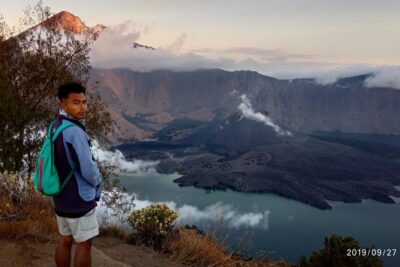

Day 3 to the summit, with Segara Anak Lake and the Senaru rim night
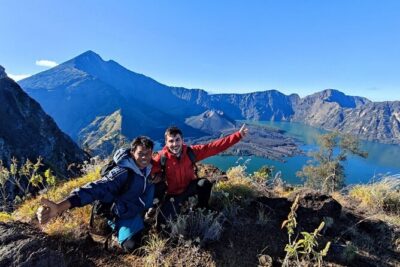
Day 3 is the day you came for: trekking to the summit of Mount Rinjani. This is also the day that reaches out to you emotionally, because the landscape around the caldera gets dramatic and the views do not feel like a bonus. They feel like the point.
You also reach Segara Anak Lake, which is a key mid-trek moment. After the harder climb sections, seeing the lake helps your brain re-center. It breaks the day into phases: push, recover, then push again.
Then you camp at the Senaru crater rim for the night. That is a big deal. Sleeping near a crater rim means more exposure to cold and wind, but it also gives you another chance for sunset or sunrise moments depending on the day’s timing and weather.
One useful tip from experience shared about this kind of trek: the food is decent and filling, but I would not count on it covering every energy need. Bring extra snacks you like. If you get cravings, sweet or salty snacks help you keep moving when your body starts negotiating with your brain.
Also, note the cold warning in the packing list. The trek can get down to minus temperatures, so warm layers and long pants are not optional. If you only pack what is comfortable at sea level, you will feel it fast here.
Stop highlights: national park entry, Sindang Gila, Sendang Gile, and Tiu Kelep waterfalls
This trek is not only about the summit. Your route includes stops connected to Mount Rinjani National Park and the waterfall areas.
Mount Rinjani National Park entry fees are included, which is convenient and avoids the classic hassle of paying at the last moment. It also means your trek runs in the real protected-area framework, not a vague “nearby hiking” situation.
On the scenic side, you get time around:
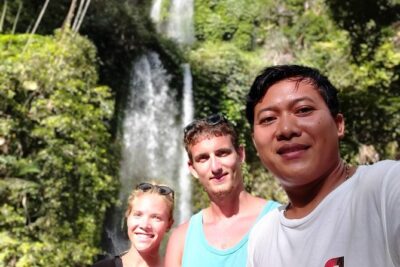
- Sindang Gila Waterfall
- Sendang Gile and Tiu Kelep Waterfall area
Waterfalls on this route are worth paying attention to because they add relief from volcanic views. After days of crater air and rocky footing, water brings a different kind of atmosphere. It is also a practical reminder that your shoes and socks will get tested, because you may deal with misty ground, slick spots, and short muddy sections around viewpoints.
If you are prone to cold feet, keep your sock plan simple and reliable. You want grip and dry comfort when the next big climb or descent starts.
Gear and packing: what you must bring for real comfort
The tour includes all camping gear, plus full meals and drinks. That helps a lot. But you still carry the responsibility for the items that affect your health and comfort.
Here is what matters most, based on the provided packing info:
You should bring
- Trekking boots or hiking shoes with good grip (running shoes can work if they grip well)
- Long pants because it’s very cold at altitude, even down to minus temps
- Swimwear (yes, for the nature setting and activities planned)
- Tick coat or jackets, ideally, or plan to rent on the spot if you forgot one
- Short pans for nature sauna if you plan to use that option
- Small towel (not included) and your own personal medicine
Two small practical calls that can save your trek:
1) Wear layers you can adjust quickly, especially when you switch from sun to shade.
2) Do not skip the cold packing. A warm layer is cheaper than suffering through a whole day shivering.
Who this trek suits best, and who should think twice
This one fits active travelers who want a real summit hike and are okay with camping conditions under the stars. If you enjoy early starts, steady uphill rhythm, and you want multiple big moments in one trip, you will likely feel satisfied.
It is also a good fit if you want support without paying for ultra-premium comfort. You get a guide, porters, and meals. You do not get pillows and chairs at the top of the world.
Who should think twice? If you are not comfortable with a brutal hike, cold nights, and long days on foot, you may find the effort too much. This is not a walk in the park with views, even if the views are the reason you signed up.
Group size and guidance: how the human side affects your hike
The tour runs with a maximum group size of up to 100 travelers, so you are not in a tiny expedition. Still, the guide and porter team can make a huge difference in how safe and smooth the trek feels.
One guide named Radu gets strong mentions for taking good care of the group. That kind of guidance matters when the trail steepens, when footing is uneven, and when people start moving slower than planned. A caring guide also helps keep energy steady, which is what you need when the summit is the focus.
Porters doing their job well is also a silent superpower here. When they carry your gear, you can keep your load closer to your body and save your legs for the harder parts.
Getting from Lombok to the mountain, and where you end up after Day 4
You get all transfers in and out, plus an air-conditioned vehicle. That reduces the “how do we get there” stress that usually eats half a day on remote treks.
On the last day, you come down to Senaru village. Then you have a drop-off option:
- Private option: drop off to any location within Lombok
- Shared option: covers drop-off only to areas like Mataram, Senggigi, Pemenang, Bangsal Harbor, Teluk Nara Harbor, and Teluk Kode Harbor
This is worth deciding ahead of time because your final bus or boat connection might depend on it. If you are staying near one of the shared zones, shared can work. If you want flexibility, private is easier.
Also, the experience is near public transportation, so you are not completely stranded if your schedule changes.
Weather matters on Rinjani, and that affects your plan
Rinjani requires good weather. If the trek is canceled because of poor weather, you are offered a different date or a full refund. If the minimum number of travelers is not met, you get either a different date or a full refund.
One more practical point: if weather looks questionable during your travel window, keep your schedule flexible and think like a climber, not like a tourist with fixed plans.
Should you book this Rinjani 3D2N Summit trek?
Book it if you want a guided, supported summit attempt with real crater rim camping, included park fees, porters, and meals that keep you fueled. At this price, the value is strongest if you want a plan that handles most logistics for you while still giving you the core experience: summit, rims, and Segara Anak Lake.
Skip it, or at least think hard first, if you are sensitive to cold or not ready for a challenging hike. Pack for winter conditions at altitude even if Lombok feels warm when you arrive.
If you are the type who likes earning views on foot, this trek can feel like a payoff that lasts long after the trail ends.
FAQ
What is included in the Mount Rinjani trekking package?
The package includes camping gears, full board meals and drinks, an air-conditioned vehicle, all transfers in and out, one night in Senaru village, the Mount Rinjani National Park fee, plus a local guide and porters.
Do I need my own trekking shoes and clothing?
Yes. Trekking shoes with good grip are not included, and you should bring your own clothing, including cold-weather layers. Swimwear is also mentioned as something you should bring.
Is there a place to rent warm jackets or gear?
If you do not have a tick coat or jacket, you can rent one on the spot.
Where do you get picked up and dropped off?
Pickup is offered at any places or port within Lombok. For drop-off, the shared option covers Mataram, Senggigi, Pemenang area, Bangsal Harbor, Teluk Nara Harbor, and Teluk Kode Harbor. The private option allows drop-off to any location within Lombok.
How cold does it get on the trek?
High altitude can reach minus temperatures. The guidance suggests bringing long pants and warm layers because it can get very cold.
What happens if the trek cannot run due to weather?
This experience requires good weather. If it is canceled due to poor weather, you will be offered a different date or a full refund. If the minimum number of travelers is not met, you are also offered a different date or a full refund.
More Walking Around Lombok
- 2D1N Senaru Crater Rim Trekking
★ 5.0 · 178 reviews - Rinjani trekking 2D 1N RIM
★ 5.0 · 94 reviews - 3D/2N Rinjani trekking summit,lake and hot springs.
★ 5.0 · 85 reviews - Rinjani Trekking 3 Days 2 Nights (Sembalun – Senaru)
★ 5.0 · 84 reviews
More Tour Reviews in Lombok
- Tetebatu Walking Tour – Rice Terraces, Waterfall & Monkey Forest
★ 5.0 · 349 reviews - Anggrek Putih Lombok Cooking Class
★ 5.0 · 253 reviews - Day Trip 5 Secret Gilis : Layar, Rengit, Nanggu, Tangkong, Kedis
★ 5.0 · 192 reviews - 2D1N Senaru Crater Rim Trekking
★ 5.0 · 178 reviews
Across to Lombok
- Anggrek Putih Lombok Cooking Class
★ 5.0 · 253 reviews - Day Trip Gili Trawangan, Gili Meno, Gili Air (Depart Lombok)
★ 5.0 · 167 reviews - Lombok Private Customize Tour
★ 4.5 · 144 reviews - Mount Rinjani 2 Days 1 Night Senaru Crater Rim
★ 5.0 · 131 reviews
Fresh on the Lombok pages

Lombok & Rinjani Adventures from Kuta, compared.
 ★ 5.0Gili Island Snorkeling Trip – Gili Trawangan, Gili Meno, & Gili Air, From LombokFrom $88330 reviews
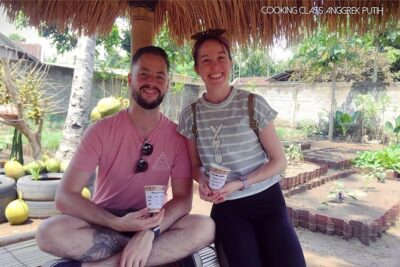 ★ 5.0Anggrek Putih Lombok Cooking ClassFrom $30253 reviews
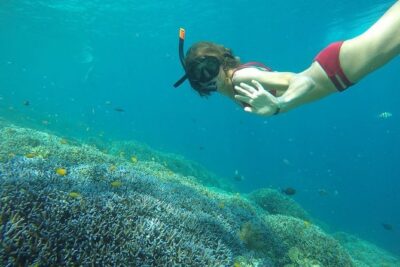 ★ 5.0Day Trip Gili Trawangan, Gili Meno, Gili Air (Depart Lombok)From $97167 reviews
 ★ 4.5Lombok Private Customize TourFrom $45144 reviews
Mount Rinjani 2 Days 1 Night Senaru Crater RimFrom $165131 reviews
★ 4.5Lombok Private Customize TourFrom $45144 reviews
Mount Rinjani 2 Days 1 Night Senaru Crater RimFrom $165131 reviews
 ★ 5.03D-2N Explore Mount Rinjani – Summit -Lake and HotspringFrom $235112 reviews
 ★ 5.0Lombok Pink Beach Boat Trip (Full Day + Snorkeling)From $88104 reviews
 ★ 5.0Rinjani trekking 2D 1N RIMFrom $20594 reviews
More Kuta tours like this one