
Review · EVENING EXPERIENCES
Private 2 Days and 1 Night Summit in Mount Rinjan
Rinjani is not a casual hike. This private 2-day summit plan from Sembalun is built around sunrise near 3,700 m, and I like the team support that handles your camping gear so you can focus on walking.
The big consideration is the early, cold start plus the hard altitude work. You’re also paying extra for the park entrance fee, and you’ll need your own shoes and cold-weather basics like long pants and gloves.
Key highlights
- Private group, private pacing: only your group hikes, with guide and porter support sized to your trek.
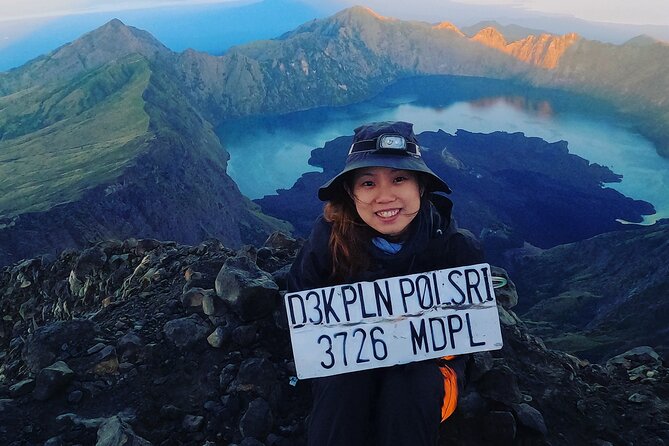
- Sunrise summit timing: you start before dawn, with a head lamp ready for the 3:00 am summit push.
- Camping setup included: double-size tent, sleeping bag, mattress, pillows, and even a toilet tent.
- Guide-led safety planning: your team does a pre-trek safety briefing, with the team leader Ialu involved in logistics.
- Food and water handled: breakfast, lunch, dinner, safe drinking water, and meals throughout the overnight stay.
The same day, just yours
- Lombok Private Customize Tour★ 4.5 · 144 reviews
- Lombok Driver Customizable Tour Private★ 5.0 · 80 reviews
- Trekking Rinjani Volcano To Crater Rim Senaru 2D-1N Private – Syam Trekker★ 5.0 · 45 reviews
- Lombok Private Tour-Car Hire With Full day Customize Trip★ 5.0 · 37 reviews
Starting From Senaru, Then Getting Your Bearings in Sembalun
Your day begins with a transfer from Senaru, Bayan area, and the scheduled start time is 7:30 am. The plan is private, so you are not merging into a big crowd. That matters on a route like Rinjani, where pacing and timing are everything.
From there, you head toward Sembalun village, starting around 1,100 m to 1,150 m. This is where the trek really sets its tone: a high-altitude start, a warm middle section, and a long day of climbing ahead of you.
If you want a quick gut-check, here it is. If you can handle steep climbs while staying focused at altitude, you will probably enjoy this. If you hate being up early, this will feel like a very committed relationship.
Day 1: Sembalun Village Up to the Crater Rim Camping Spot
Day 1 is long on purpose. You start with breakfast, then transfer to Sembalun village, where you begin the trek at about 1,150 m. The route gives you a big view of what Rinjani is like, before it asks for the real effort.
As you climb toward Pelawangan Sembalun (around 2,639 m), you are looking at a steep push and sustained uphill. The trek description also highlights crossing meadows, with a bit of heat in that stretch, so you should expect sun and dry air even though it is high.
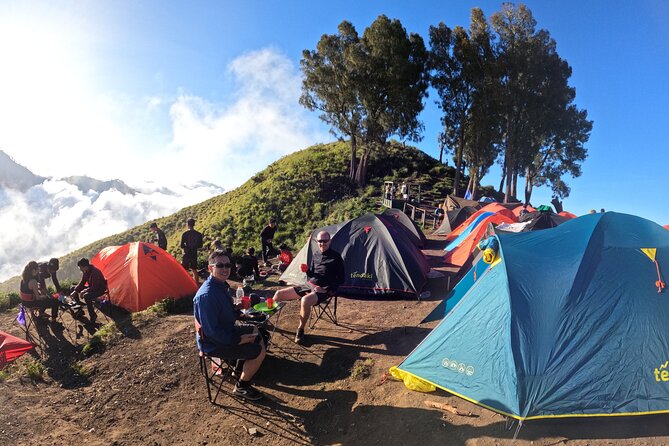
One detail that I appreciate in this itinerary is the way the first day builds stamina for the next one. You are climbing high, reaching the crater rim area, and learning how your body reacts before the summit night. The reward on Day 1 is camping at the rim, with sunset views over the crater area.
What I like about the crater-rim night: you are not scrambling at the end of the day. You reach camp, set up with included gear, and get a proper evening viewpoint.
What to watch for: that steep climb can feel punchy even if you feel fine at the start. Bring water discipline, take breaks early, and do not wait until you are already cooked.
Overnight Camping: Equipment, Comfort, and the Toileting Setup
Camping on Rinjani can be “rough” if you show up unprepared. This trek helps you avoid that by including a clear set of camping gear.
You get a double-size tent, camp chairs, a toilet tent, and sleep gear like a sleeping bag, pillow, and mattress. You also get a head lamp for night and early-morning trekking. That headlamp piece is practical, because you are starting again before sunrise.
Porters carry the camping equipment, which changes how the trek feels. You are not trying to shoulder the bulky stuff while your legs are already tired.
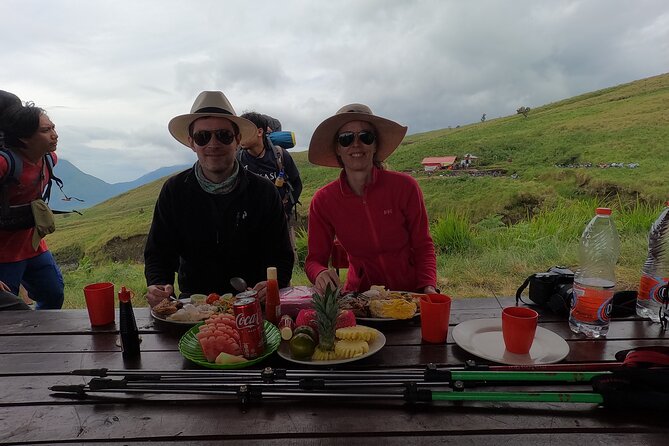
Also included is safe drinking water, plus the core meals: breakfast, lunch, and dinner. Two lunches are listed as included, which usually means you are covered on both hiking days.
In short, you get “camping with structure.” It is still outdoors, still cold near the top, but you are not improvising your own shelter plan at 2,600 m.
Day 2: The 2:30 am Wake-Up and the Summit Climb
Day 2 is the serious part. You wake up around 2:30 am so you do not miss sunrise, then you eat a light breakfast before the summit push. You start the trek at about 3:00 am.
The summit goal is described as 3,726 m in the overview, and the ascent segment is described at about 3,672 m in the itinerary. Either way, you should treat this as a final push to just over 3,700 m. Your job is the same: steady effort, careful breathing, and lots of patience.
The climb is estimated around 3 hours 30 minutes for the summit section. Expect cold. In the reports tied to this trek, people mention that the top can get freezing, so your warm layers matter even if Lombok is hot when you start.
Why the early start is worth it: you are buying sunrise views with effort. And sunrise in the Rinjani caldera area tends to look sharp because the air is crisp and the light changes fast.
Real talk about pacing: summit treks are not races. If you go out too hard in the dark, you pay for it later. Take the first 30 minutes slower than you think you need.
And yes, this is the chance to say you climbed to the second-highest mountain in Indonesia, with a view that feels earned because it is.
Other things to do once it is dark


The Guide and Porter Team: What Good Support Looks Like
This experience is private, and your team work matters. In accounts tied to this operator, the logistics leader Ialu has been involved in arrangements and in a safety briefing the night before. That level of preparation helps you know what to expect when the clock starts ticking at 2:30 am.
Your trek guide is Ir, described as friendly, experienced, and supportive. A supportive guide is not just about being nice. It is about helping you keep a sustainable pace and making sure you are moving safely on steep, uneven sections.
Porters are a big part of what makes this trip realistic. Since the trekking team carries your camping equipment, you are spared a lot of weight at altitude. That can be the difference between arriving at the crater rim feeling ready, or arriving feeling wrecked.
Food also gets praise. When dinner and lunch are handled well on a summit trek, you conserve energy for climbing instead of spending your brainpower wondering what’s next to eat.
If you are the kind of person who likes clear instructions and calm leadership, this crew style is a good match.
Price and Value: What $195 Includes, and What Costs Extra
At $195 per person, you are paying for a lot of “day-to-day load” being taken care of. This price includes key items that can otherwise blow up your budget or your comfort.
Included:
- Breakfast, dinner, and lunches (two lunches are listed, plus meals during the trek)
- Meals and drinks, plus safe drinking water
- A trekking guide
- Porter support for camping equipment
- Camping equipment (tent, mattress, sleeping bag, pillows, camp chairs, toilet tent)
- Head lamp, trekking poles and sticks
- Insurance
Not included:
- Trekking shoes, long pants, gloves, and a small bag or day pack
- Tips for porters and guide
- Travel insurance
- Entrance fee: Rp 200k per day per person, listed as Rp 600,000 total per person
So is it good value? For a two-day summit trek, it usually is, because the included camping setup, poles, headlamp, and porter carrying help reduce both hassle and risk. The biggest “gotcha” is that you still must budget for park entrance fees plus tips. Also, you should plan to bring your own shoes and cold-weather clothing, which can be an extra cost if you do not already have them.
One more practical note: the listing mentions group discounts. Even though the experience is private, discounts can sometimes apply depending on group size. If you are traveling with friends or family, it can be worth asking whether adding another person changes the per-person rate.
Packing Tips for a Warm Middle and Freezing Summit
Rinjani is a mix of temperatures and terrain. Your day one has a bit of heat during meadow crossing, while your summit night can turn freezing.
From the gear you must bring:
- Trekking shoes
- Long pants
- Gloves
- A small bag or day pack
From the gear the trek provides:
- Head lamp
- Trekking poles and sticks
- Sleeping bag and mattress
- Camp chairs
- Toilet tent setup
That means you should spend your packing energy on personal comfort and safety, not on “how do I sleep outside” logistics. Still, do not underestimate cold. Even if you feel warm at the base, you can feel cold quickly in wind and darkness at altitude.
Hydration is also key. Safe drinking water is included, but you should still pack a system that lets you drink without slowing down too much.
Is This Trek for You? Fitness, Timing, and the Right Mindset
The requirement is straightforward: you should have strong physical fitness. This is not a casual “see the view” trek. You climb from around 1,150 m to crater rim around 2,639 m on day one, then push toward the summit over 3,700 m with a pre-dawn start.
The terrain is described as a bit of a long path with steep climbs. The crater rim access involves multiple high hills, and the summit push is a serious effort.
This trek suits you if:
- you like a challenge and want a big, clear goal
- you handle early starts well
- you want a private group experience with full support
- you prefer a guided plan over self-navigation
This trek might be less ideal if:
- you get stressed by very early wake-ups
- you struggle with steep sections
- you do not own proper trekking shoes or you are not ready to layer for cold
A summit trek is partly mental. You are working for a view that is not guaranteed, because weather can always shift, but your plan and effort are built around sunrise and the high-rim experience.
Should You Book This Private 2 Days and 1 Night Summit Trek?
Book it if you want a structured, well-supported way to climb Rinjani without juggling the logistics yourself. The included camping setup, head lamp, poles, and porter carrying make a huge difference. I also like that the team approach includes hands-on safety planning, with Ialu involved, and a named guide, Ir, who is described as friendly and supportive.
Skip or rethink it if the idea of waking around 2:30 am and summiting in freezing conditions stresses you out more than it excites you. And factor in the extras: entrance fees at Rp 200k per day per person plus tips, plus your own shoes and gloves.
If you are physically ready and you treat this like a real climb, not a sightseeing walk, this is a strong choice for your Lombok adventure.
FAQ
How long is the Mount Rinjani private summit trek?
It runs for 2 days and 1 night.
Where does the trek start and where does it end?
It starts at Senaru, Bayan, North Lombok Regency, West Nusa Tenggara, Indonesia, and ends back at the same meeting point.
What time does the activity start?
The start time is 7:30 am.
Is this experience private?
Yes. It is a private tour/activity, and only your group participates.
What is included in the trek price?
Included are breakfast, lunch, dinner, safe drinking water, a trekking guide, porter support to carry camping equipment, camping equipment (including tent, mattress, sleeping bag, pillows, camp chairs, and a toilet tent), head lamp, trekking poles and sticks, and insurance.
What do I need to bring with me?
You should bring trekking shoes, long pants, gloves, and a small bag or day pack.
Are entrance fees included?
No. The entrance fee is listed as Rp 200k/day/person, and the total is shown as Rp 600,000 per person.
What happens if I cancel my booking?
The experience is non-refundable and cannot be changed for any reason. If you cancel or request an amendment, you do not get a refund.
Once the Light Goes
- Mount Rinjani 2 Days 1 Night Senaru Crater Rim
★ 5.0 · 131 reviews - Trekking Mt. Rinjani 2 Days 1 Night Senaru Crater Rim
★ 5.0 · 55 reviews - Mount Rinjani Hiking to summit( 2 Days 1 Night )
★ 5.0 · 50 reviews - 2 Days Hike to Summit with full view of Sunrise and Sunset
★ 5.0 · 49 reviews
The Same Day, Just Yours
- Lombok Private Customize Tour
★ 4.5 · 144 reviews - Lombok Driver Customizable Tour Private
★ 5.0 · 80 reviews - Trekking Rinjani Volcano To Crater Rim Senaru 2D-1N Private – Syam Trekker
★ 5.0 · 45 reviews - Lombok Private Tour-Car Hire With Full day Customize Trip
★ 5.0 · 37 reviews
More Tour Reviews in Lombok
- Tetebatu Walking Tour – Rice Terraces, Waterfall & Monkey Forest
★ 5.0 · 349 reviews - Anggrek Putih Lombok Cooking Class
★ 5.0 · 253 reviews - Day Trip 5 Secret Gilis : Layar, Rengit, Nanggu, Tangkong, Kedis
★ 5.0 · 192 reviews - 2D1N Senaru Crater Rim Trekking
★ 5.0 · 178 reviews
Fresh on the Lombok pages

Evening Experiences, compared.
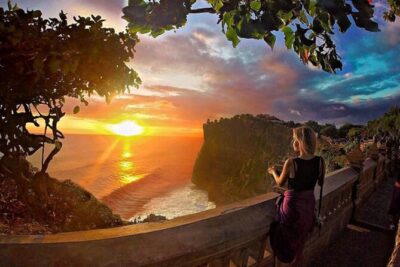 ★ 5.0Uluwatu Sunset, Kecak Dance, and Dinner Jimbaran BeachFrom $353,681 reviews
Private Uluwatu Temple and Kecak Fire Dance Evening Tour in Jimbaran BayFrom $271,199 reviews
★ 5.0Uluwatu Sunset, Kecak Dance, and Dinner Jimbaran BeachFrom $353,681 reviews
Private Uluwatu Temple and Kecak Fire Dance Evening Tour in Jimbaran BayFrom $271,199 reviews
 ★ 5.0Bali Hai Sunset Dinner CruiseFrom $821,173 reviews
 ★ 4.5Uluwatu Sunset Tour: Kecak and Fire Dance with Jimbaran DinnerFrom $65597 reviews
 ★ 5.0Mount Batur Sunset TrekkingFrom $45353 reviews
 ★ 4.2Tanah Lot Temple Sunset Kecak & Fire Dance Show TicketFrom $6242 reviews
Half-day tour : Tanah Lot Sunset TourFrom $19231 reviews
★ 4.2Tanah Lot Temple Sunset Kecak & Fire Dance Show TicketFrom $6242 reviews
Half-day tour : Tanah Lot Sunset TourFrom $19231 reviews
 ★ 4.5Private Half-Day Tour: Uluwatu Sunset Trip and Dinner PackagesFrom $65219 reviews
More Kuta tours like this one