
Rinjani sunrise is worth the early pain. This 2D/1N hike from Sembalun up to the crater rim and summit is built around the big lights of day, with sunrise and sunset from high on Mount Rinjani. Two things I really like: the way the schedule targets the best viewing times, and the steady, reassuring guidance you get along the way (for example, guide Ajes is praised for staying calm even during the tougher sections). One consideration: this is genuinely hard, with long walking days and steep climbing, so you want a fit body and good shoes.
The trip runs with small groups (up to 10 people) and includes hotel pickup, which makes the start feel less chaotic. If you are used to hiking, you will appreciate how the day is paced with clear stops and time to regroup, then turns serious in the early morning for the summit push.
Key points to know before you hike to the top
- Sunrise and sunset are the plan, not an accident, thanks to the crater-rim overnight camp.
- Small group size (max 10) keeps things manageable and helps on crowded narrow sections.
- Guides get high marks, including calm leadership under pressure, plus professional team support.
- Day 2 begins in the dark, with a 2:00am wake-up and summit start around 3:00am.
- You get structured breaks at Pos 1, Pos 2, and Pos 3, with lunch around the midrange.
- You are paying for more than walking, including guidance, team support (guide plus porters), and camp logistics.
Other things to do once it is dark
- Mount Rinjani 2 Days 1 Night Senaru Crater Rim★ 5.0 · 131 reviews
- Trekking Mt. Rinjani 2 Days 1 Night Senaru Crater Rim★ 5.0 · 55 reviews
- Mount Rinjani Hiking to summit( 2 Days 1 Night )★ 5.0 · 50 reviews
- Trekking Rinjani Mountain Summit 2 Days 1 Night – Em Adventure★ 5.0 · 42 reviews
Why this 2-day Rinjani plan locks in sunrise and sunset
Mount Rinjani is famous for showy views, but this specific rhythm is what makes the whole thing feel special. You are not just hiking to say you reached a summit. You are hiking so you can watch the sky change twice, with real time spent high up.
Day 1 ends with the big visual payoff: you reach the crater rim around 2,639m and camp there. That matters, because it puts you in position for sunset and then gives you a front-row seat for sunrise the next morning without needing to climb the entire mountain after dark.
The summit start time is also the key. You wake up around 2:00am with a hot drink and a light breakfast, then you start the summit trek at about 3:00am. Those hours are quiet and focused, and they tend to be the difference between a harsh climb and a memorable one.
If you are the type who likes a clear goal and a schedule you can trust, this plan will suit you. If you want a relaxed stroll with lots of stops for pictures, you might find the pace too intense.
Getting to Sembalun and the 7:00am hotel pickup that makes life easier
The trek starts in the Sembalun area, and the experience company sets you up with a pickup. Pickup is described as happening around 7:00am from your hotel, then you drive toward the trail start. The start of trekking is around 8:00am.
The meeting point is listed at Cakrawala Rinjani Trekking, Jl. Pariwisata, Senaru, Kec. Bayan, Kabupaten Lombok Utara, Nusa Tenggara Bar. 83354, Indonesia. Your hike itself ends back at the meeting point area.
Why I like this setup: it removes a chunk of stress on day one. You do not have to figure out how to get to the right start spot at the right time. And on a mountain trek, shaving off logistics time is not a small thing.
Also, the group size cap of 10 people usually means less waiting and fewer bottlenecks. You still need patience on steep bits, but the overall feel is more under control than on huge treks.
From Sembalun meadows to Pos 1, Pos 2, Pos 3
Day 1 begins gently, and that is on purpose. You start with a gentle climb through open meadow, and after about 2 hours you reach Pos 1 at 1,300m. This first segment is where you find your rhythm, not where you test your limits.
Next comes Pos 2 at 1,500m, reached about 40 minutes after Pos 1. Lunch is taken at Pos 2, which is a practical choice. You get your fuel mid-morning before the steeper work begins higher up.
Then you continue to Pos 3 at 1,800m. The information notes rest time at these points, and that matters because Rinjani rewards smart pacing. The higher you go, the more “small mistakes” add up. You want to walk consistently, drink when you can, and avoid the urge to sprint early.
What you should expect at these stops:
- You will likely slow down as the altitude and grade climb.
- You will need to manage breathing and effort, not just legs.
- Food and breaks are part of the plan, not optional extras.
If you come in overconfident, you might feel it later when the trail turns steeper on the way to the crater rim. The upside is this first day gives you time to settle in before the real climb.
The crater-rim camp at 2,639m is where the hike turns into a story
Once you reach the higher trail sections, you are headed for the crater rim at 2,639m. The climb from around Pos 3 to the rim is described as taking about 3 hours, including a prolonged steep ascent. That is the point where “experience” matters. Not because you need technical skills, but because you need good uphill technique and patience.
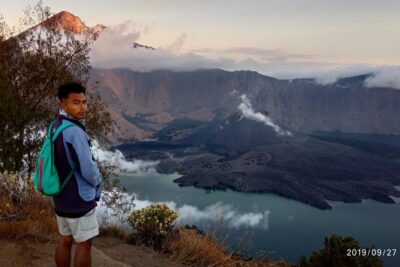
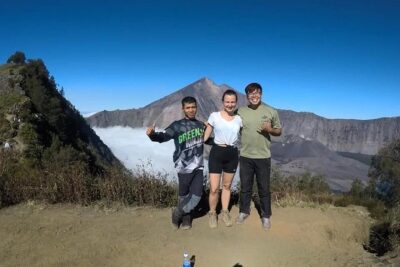
Then you camp on the crater rim. This is where the experience becomes more than exercise. From that height, the horizon takes over. The sky has drama. The air feels different. And most importantly, you are positioned for both sunset and sunrise without extra night climbing.
Night at the rim can feel intense, even when everything is going right. You are at elevation, it gets colder than you expect, and you might be tired in a way that makes you want to stop moving and also makes it hard to get comfortable once you are stopped.
Based on guide praise in the reviews, the team support is a big part of how people rate this trek. People talk about guides staying calm and reassuring, and that kind of leadership helps you handle the “now what” moments that happen around camp. One review also mentioned the team helped replace broken gear like flashlights, which tells you they try to keep problems from turning into chaos.
Practical tip for this segment: plan to layer up and protect your hands and ears. Even if you feel fine on the climb, you may feel it later when you are standing still and watching the light change.
More walking, less driving

Day 2: the 2:00am wake-up and 3:00am summit push
Day 2 is the serious one. You wake up around 2:00am under cover of darkness, and you get a hot drink and light breakfast. Then the summit trek starts around 3:00am.
This schedule is typical for summit viewing, because it gives you the best chance at clearer conditions and a proper sunrise moment. It also means your body has to switch from sleep mode to movement mode fast.
Here is what makes this part work well when it is managed properly:
- You start early enough that you are not fighting the hottest hours.
- You are hiking in darkness or near-darkness at first, so steady pacing matters more than speed.
- The summit climb takes concentration. You need to watch your footing, keep your breath controlled, and avoid sudden surges.
It is also where the “moderate physical fitness” note becomes real. The program is described as good for experienced climbers or people with good fitness, able to walk up and down about 8.5 hours per day. That means your legs need to handle repeated uphill and downhill effort across two days, not just one.
If you are nervous about the early start, do not treat it as optional. The whole point of the trek is the payoff that comes with that timetable. If you respect the schedule, you are more likely to feel triumphant instead of miserable.
Guides, porters, and what Cakrawala Rinjani does well with small groups
Cakrawala Rinjani Trekking runs this as a structured program with a maximum of 10 travelers per group. Multiple reviews highlight the team dynamic, including a responsive owner and guides who keep things calm.
Names mentioned in the feedback include Mr. Sultan, who is described as responsive and helpful for booking, and guides Ajes and Dul, praised for professionalism and calm support. One person credited the team for replacing broken equipment and making the trip feel stress-free.
A key detail: there is support staff for carrying loads. One review specifically mentions a setup with a guide and several porters, which is a major reason people feel less overwhelmed. You still do the hiking yourself, but the weight balance and logistics become more manageable when someone is assigned to carry the camp and equipment needs.
What you should care about, practically:
- If you need encouragement to keep moving, choose a tour like this where the guide leadership is known for calm reassurance.
- If you like learning small things along the way, having a professional guide can make the journey more useful, not just harder.
- If something goes wrong with gear, it helps to know the team can handle minor fixes.
Small groups also mean more chance you will be able to ask questions without feeling lost in the shuffle. For a trek like Rinjani, that kind of attention is worth something.
Gear, clothing, and pacing so day one does not wreck day two
The data calls this a challenge trek, not a gentle outing. So you should dress and pace accordingly.
I suggest thinking in two phases: day one for building rhythm, day two for conserving energy.
On clothing and essentials:
- Bring layers for temperature swings. Even if the day feels warm, nights and early mornings at elevation can be cold.
- Protect hands and ears. You are outside for hours and then you are sitting at camp watching light change.
- Wear real hiking shoes with solid grip. The steep climbs and dark footing on day two do not forgive slippery soles.
On pacing:
- Start slower than you think on the way up. If you blow your energy in the meadow section, you will pay for it later on the crater-rim climb.
- Use the stop points as mental resets. Pos 1, Pos 2, and Pos 3 are there for a reason.
- Drink and eat even if you feel okay. Hydration is not just comfort at altitude, it is also performance.
A note about fitness fit:
This program is aimed at people who can handle about 8.5 hours of walking daily, with uphill and downhill work. If you have limited hiking experience, the climb to the crater rim and the summit push will feel like more than a workout. One review even flat-out advised not to try it without extensive hiking experience. That is your signal.
Price and value: what $215 buys on a Rinjani summit-style hike
At $215 per person, you are paying for a real mountain program, not just a guide walking next to you. The price reflects:
- Pickup and transportation from your hotel area to the start.
- A small group limited to up to 10 people.
- A team structure with guides and porters, so the hiking load is more reasonable.
- Camp logistics at the crater rim, where the sunrise and sunset plan actually makes sense.
- A schedule designed around early morning visibility.
Also, admission tickets are not included, so check if anything additional is needed on the day. The listing notes that admission is not included, and that is an important detail for budgeting.
Value-wise, I think this is most fair if you want guidance you can trust and you plan to hike with confidence. If you already know the route perfectly and have your own gear and logistics solved, the price might feel steep. But for many people, the real value is reducing stress, keeping the day organized, and having experienced leadership when conditions get demanding.
One more value factor is responsiveness. Mr. Sultan is described as helpful and easy to book with, and that matters if you need help matching transport and timing.
Who should book this trek, and who should pause
This is a great fit for:
- hikers with solid fitness and experience climbing and descending for long hours
- people who want sunrise and sunset from high elevation as part of the goal, not as a bonus
- small-group seekers who want a manageable number of people on the trail
- solo hikers who are okay joining a mixed group for the hike, since solo travelers may be grouped with other solos depending on availability
You might want to reconsider if:
- you hate very early mornings, because day two starts around 2:00am
- you have limited hiking stamina, because the walk time per day is described around 8.5 hours
- you are looking for a relaxed pace with lots of leisure time
Should you book this trek to the top?
If your answer is yes, book it with the right mindset. This trek is about earned views, and it asks for effort over comfort. The payoff is real: crater-rim camping, sunrise and sunset timing, and a summit push that starts in darkness.
If your priorities are comfort, easy walking, or you are not ready for long steep climbs, pause. Rinjani is not a walk in the park, and this program is clearly designed for people who can handle it.
One last decision helper: if you can picture yourself doing 8.5 hours of hiking while staying calm and steady, you will probably love this. If you are hoping the guide will make it easy, temper that hope. The guide helps you stay safe and focused, but the mountain still wins the workout.
FAQ
How difficult is this Mt. Rinjani 2-day hike?
The program is described as good for experienced climbers or people with good fitness who can walk up and down for about 8.5 hours per day. A moderate physical fitness level is recommended.
What time does trekking start on day one?
You are picked up around 7:00am and driven to the trail start, with trekking starting in Sembalun village around 8:00am.
When do you start the summit on day two?
You wake up around 2:00am with a hot drink and light breakfast, then you begin heading to the summit at around 3:00am.
Is the admission ticket included in the price?
Admission tickets are not included.
What happens if weather is poor?
The experience requires good weather. If it is canceled due to poor weather, you will be offered a different date or a full refund.
How big is the group?
The group has a maximum of 10 travelers.
More Walking Around Lombok
- 2D1N Senaru Crater Rim Trekking
★ 5.0 · 178 reviews - Rinjani trekking 2D 1N RIM
★ 5.0 · 94 reviews - Rinjani Trekking 3D2N Summit
★ 4.5 · 85 reviews - 3D/2N Rinjani trekking summit,lake and hot springs.
★ 5.0 · 85 reviews
Once the Light Goes
- Mount Rinjani 2 Days 1 Night Senaru Crater Rim
★ 5.0 · 131 reviews - Trekking Mt. Rinjani 2 Days 1 Night Senaru Crater Rim
★ 5.0 · 55 reviews - Mount Rinjani Hiking to summit( 2 Days 1 Night )
★ 5.0 · 50 reviews - Trekking Rinjani Mountain Summit 2 Days 1 Night – Em Adventure
★ 5.0 · 42 reviews
More Tour Reviews in Lombok
- Tetebatu Walking Tour – Rice Terraces, Waterfall & Monkey Forest
★ 5.0 · 349 reviews - Anggrek Putih Lombok Cooking Class
★ 5.0 · 253 reviews - Day Trip 5 Secret Gilis : Layar, Rengit, Nanggu, Tangkong, Kedis
★ 5.0 · 192 reviews - 2D1N Senaru Crater Rim Trekking
★ 5.0 · 178 reviews
Fresh on the Lombok pages

Hiking & Trekking, compared.
 ★ 5.0Mount Batur Sunrise Hike and Natural Hot Spring OptionFrom $331,927 reviews
 ★ 5.0Mount Batur Sunrise Hike with BreakfastFrom $301,757 reviews
Mount Batur Sunrise TrekkingFrom $39947 reviews
★ 5.0Mount Batur Sunrise Hike with BreakfastFrom $301,757 reviews
Mount Batur Sunrise TrekkingFrom $39947 reviews
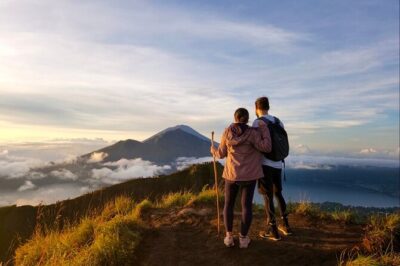 ★ 5.0Mount Batur Sunrise Trekking Private All InclusiveFrom $21906 reviews
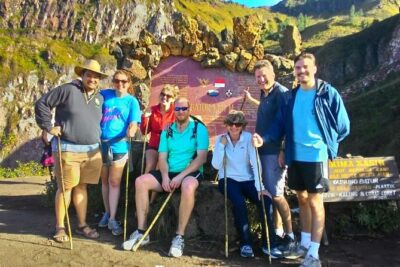 ★ 5.0Mount Batur Sunrise Trekking Private Tour with Breakfast and Hotel TransferFrom $49885 reviews
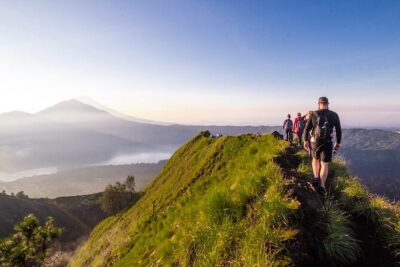 ★ 5.0Private Mount Batur Sunrise Trekking TourFrom $39634 reviews
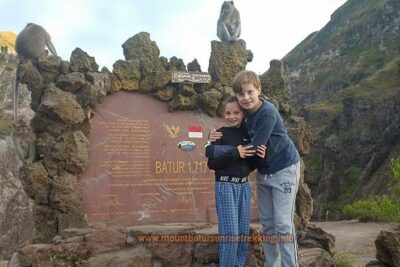 ★ 5.0Mount Batur Sunrise Trekking (Private Tour and Breakfast at Restaurant)From $39598 reviews
 ★ 5.0Private Tour Mount Batur Sunrise Trekking and Natural Hot SpringFrom $63431 reviews
More Kuta tours like this one