
A holy-water temple sets the tone for this full day in Ubud. I like how the day mixes Tirta Empul with classic nature stops like Tegalalang Rice Terrace, plus a real look at Balinese daily life through villages and craft work. It is a private driver-guide setup, so you get narration and flexibility without the stress of figuring out routes.
The main thing I really like is that the tour is built around meaning, not just photo stops: you can participate in the holy water ritual or simply watch, and your guide can explain what you are seeing. The other big win for me is value, especially with pickup from south Bali and an air-conditioned private car included at this price point. One consideration: some craft and temple visits come with a shopping atmosphere, so if you hate being followed around, keep your head up and set expectations before you enter.
Key takeaways
- Tirta Empul holy water: you can take part in the ritual or watch, and your guide helps you do it respectfully
- Private driver-guide comfort: air-conditioned car, bottled water, and free Wi-Fi to keep the day easy
- Rice terrace and waterfall timing: two major nature icons with about an hour at each
- Craft villages and traditional homes: Batuan’s Gung Aji and Mas wood carving show how people live and make things
- Coffee stop at Teba Sari: a plantation/agrotourism break tied to Bali’s coffee culture
Other ways to do the Ubud run from Seminyak
- Ubud Hot Springs and Waterfall Private Guided Tour★ 5.0 · 719 reviews
- Ubud: Monkey Forest, Water Temple, Rice Terrace, Waterfall★ 5.0 · 538 reviews
- Ubud Tour – Ubud Highlight – Private Tour All inclusive★ 5.0 · 399 reviews
- Ubud Tour With Sacred Monkey Forest Sanctuary – Waterfall – Rice Terrace★ 5.0 · 385 reviews
Price and Logistics: Does $23 Really Make Sense?
This tour is priced at $23 per person with an 8-hour day and pickup offered. For Bali, that is the kind of number that makes you double-check what is included, and here, the answer is simple: you are paying for a private car plus an English-speaking driver-guide, with water and Wi-Fi, and multiple major Ubud-area sights packed into one loop.
The “watch your money” part is the entrance situation. Some sites are listed with admission included, some are listed as free, and entrance tickets are also described as optional (with an upgrade that includes entrance fees). If you want fewer small surprises, I recommend choosing the option that bundles entrance fees. It also saves you time on the road, because you are not constantly sorting out who pays what, right when you are trying to enjoy the moment.
Also note the basics: lunch is not included. If you get hangry, you will feel it. If you can, plan to eat before the tour starts, then grab a proper lunch break through your guide’s advice during the day.
Your Private Driver-Guide: The Difference Between Watching and Understanding
A private setup changes the whole feel of a one-day Ubud plan. You are not stuck in a group shuffle where someone always returns late, holds up the van, and turns every stop into a sprint. Instead, you travel with one driver-guide, and your day becomes more about pacing and explanation.
In the experience, guides you might meet include Kadek Nova, Yoga, John, Tude, Agus, and Augus. What stands out in the guide feedback is practical help: guides are punctual with pickup, flexible with timing, and good at explaining what you are looking at. One guide style that comes up again and again is teaching you how to participate at Tirta Empul so you do not feel lost in a ritual setting.
If your goal is to get more than postcards, this is where the value lives.
Stop 1: Entering Tirta Empul Temple and the Holy Water Ritual
Tirta Empul is the reason this tour has a strong reputation. The temple sits in Gianyar and is famous for its holy water. What makes it special is that this is not a closed museum. The holy water area is open to the public, and you can participate in the ritual or watch from the side.
If you participate, plan to follow guidance on behavior and steps. You may need a sarong for access and participation, and the key detail is that it is presented as your choice. Your guide should explain this before you go in, so you are not stuck deciding at the last second.
Here is how I’d approach this stop if it is your first time in a Hindu ritual space. Keep your time flexible and your expectations realistic. You are there for the experience and respect first, photos second. If you want photos, take a few thoughtfully, then switch back to watching and understanding. The best moments tend to happen when you slow down enough to notice the flow of people moving through the water areas.
Also, do not underestimate the mood shift. This is a spiritual stop, and it can change how you experience the rest of the day, especially once you move into rice terraces and waterfalls later.
Stop 2: Batuan’s Traditional House, Gung Aji, and the View From Inside Culture
After Tirta Empul, the tour moves into a more everyday cultural setting. The visit to Bali Traditional House Gung Aji is about seeing traditional Balinese architecture and getting the perspective of how people relate to their homes and village space.
This stop is in Batuan, Gianyar, and it is listed with an admission ticket included and about an hour on site. That hour matters, because traditional-house viewing is not just a quick look. Even if you are not a design expert, you want time to walk around, spot layout differences, and let your guide’s explanation connect the pieces.
Potential drawback here: traditional and heritage stops can sometimes feel tied to photo spots or viewing platforms. If you love architecture and village life, it is a good match. If you would rather spend more time outdoors, you might find this stop a touch more structured than the others.
More temple mornings, different routes

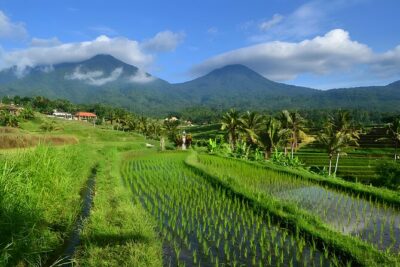
Stop 3: Tegalalang Rice Terrace, a Classic View That Still Delivers
Tegalalang Rice Terrace is one of those Bali icons you hear about before you even plan a trip. Here you get about an hour, and admission is listed as free. That is a good structure, because the terraces are best when you can move at your own pace, look for the best angles, and take your time with the details.
My practical advice: treat this stop like a viewpoint experience, not a hike. You will likely want comfortable footwear. Paths can be uneven and the ground can be slippery depending on conditions, so take your time at edges and steps.
What makes Tegalalang worth it is how it connects back to the rest of the day. After Tirta Empul, the day becomes about how Balinese people relate to water, land, and daily routines. Rice terraces are a living example of that relationship, and your guide narration helps turn the scenery into context instead of just a background.
Stop 4: Tegenungan Waterfall, Great Views With a Reality Check
Tegenungan Waterfall is listed as free admission and about an hour. It is also one of Bali’s easy “wow” moments: waterfall in a lush setting, lots of viewpoints, and that satisfying soundscape once you get close.
The main consideration is practical. Waterfall areas can be crowded and busy, and paths can get wet. Bring shoes you trust and plan to keep your hands free if there is any scrambling on rocky ground. If you are sensitive to motion sickness, consider staying calm on viewpoints with close edges, because it is easy to get over-focused and then start moving without thinking.
This is a stop I recommend for most people because it breaks up the day. After temple and terraces, you get a different kind of beauty and a natural reset.
Stop 5: Mas Wood Carving at Dewa Malen, Where Shopping Is Part of the Deal
Mas village is known for arts, especially wood carving, and this stop is Dewa Malen Wood Carving, also listed with admission included and about an hour. This is where you see the craft in an active setting, and you may even get explanations that help you understand what makes certain carving styles more valuable.
The honest balance: this kind of stop can come with sales energy. In one less-positive experience, the awkward part was the feeling of being followed around during shopping. The tour provider response emphasized that paying for things like a sarong for ritual participation is your choice, and that clear information should be given before entering a temple area.
So how do you protect your experience? Keep it simple:
- If you want to buy nothing, act like you will buy nothing.
- Ask for details once, then browse at your pace.
- If sales pressure starts, you can politely step away and focus on the process.
If you actually want to bring home a piece, this stop can be a fun way to learn what you are looking at. If you are shopping-avoidant, go in knowing craft villages often have shops attached.
Stop 6: Teba Sari Bali Agrotourism and Coffee Culture You Can Actually Taste
The final set-piece is Teba Sari Bali Agrotourism. It is listed as about an hour with admission listed as free. The point here is coffee culture, and the day includes a chance to taste Balinese coffee.
This is a smart “energy management” stop. By the time you reach it, you have likely had temples, terraces, a waterfall, and craft walking. A coffee plantation visit gives you a chance to sit for a bit and reset, while also connecting to a major Bali export that is part of everyday tourism talk.
One practical note: you will get the most from this stop if you treat it like a learning moment, not just a drink stop. Ask what is grown, how the process works, and what flavors are common. Even if you are not a coffee expert, it is an easy way to leave Bali with a little more understanding than a souvenir receipt.
What the 8-Hour Pace Feels Like (and How to Enjoy It Without Rushing)
This is a full day, roughly 8 hours, with multiple major stops. That pace is ideal if you want one well-organized day rather than spreading everything across several days. It also helps if you are staying outside central Ubud and want to see the highlights without spending your vacation time driving.
But pace is personal. If you hate moving around, this might feel like too much. The good news is it is private, so your guide can adjust how you experience each stop, within reason. Guides you might meet have been described as flexible, and that flexibility is part of what makes a long day tolerable.
To make it work for you:
- Keep water close, and use it early, not just at the end.
- Wear comfortable shoes, because you will walk and move more than you expect.
- Bring a light layer if the air-conditioning is strong in the car.
- Skip expecting a perfect schedule fantasy. You are doing real-life touring with real-life crowds.
Who This Tour Suits Best
I’d point you toward this tour if you want:
- A single-day Ubud plan that covers temple, rice terraces, waterfall, and culture
- A private driver-guide who helps you understand what you are seeing
- A balance of nature and tradition, with a coffee stop that lets you sit a bit
I would think twice if:
- You want a slow, mostly uncrowded day with minimal shop stops
- You dislike any sales environment linked to villages or craft areas
- You need a guaranteed lunch break built into the schedule, since lunch is not included
If your travel style is like mine, a “see a lot, learn a bit, buy nothing or buy one thoughtful thing” day is perfect. It keeps the trip from turning into a checklist, but still gets you the icons.
Should You Book This Tirta Empul and Ubud Highlights Tour?
Yes, I’d book it if your priority is a well-paced, private day hitting Tirta Empul and the Ubud-area greatest hits, without hassle. The strongest reasons are the private driver-guide format, the spiritual centerpiece of Tirta Empul holy water, and the practical comfort extras like bottled water and free Wi-Fi in a car.
Book with eyes open if you hate shopping pressure. Craft and heritage stops can feel sales-focused, even when the experience includes real culture. If you decide in advance what you will and will not do, you can keep the day enjoyable and respectful.
FAQ
What is included in the tour price?
The tour includes a private comfortable air-conditioned car, an English-speaking driver as your guide, bottled mineral water, free Wi-Fi, and insurance. Entrance tickets are listed as optional.
Do I get pickup from my hotel?
Yes. Pickup is offered, with hassle-free private transfers from hotels in Ubud and much of south Bali.
How long is the tour?
The duration is about 8 hours.
Which major places does the tour visit?
You’ll visit Tirta Empul Temple, Bali Traditional House Gung Aji, Tegalalang Rice Terrace, Tegenungan Waterfall, Dewa Malen Wood Carving, and Teba Sari Bali Agrotourism.
Are entrance fees included?
Entrance ticket inclusion depends on the option you choose. Some stops are listed as free, and entrance tickets are also described as optional, with an upgrade available to include entrance fees.
Is lunch included?
No, lunch is not included.
Can I participate in the Tirta Empul ritual?
You can participate in the Hindu ritual at Tirta Empul or simply watch. A sarong is presented as a customer choice for participation, and information should be provided before entering the temple area.
How does cancellation work?
You can cancel for free up to 24 hours in advance for a full refund.
Is this a private group tour?
Yes. It is described as a private tour/activity, meaning only your group participates.
If you want, tell me where you’re staying (Seminyak, Ubud, or elsewhere in south Bali) and what matters most to you, temples, waterfalls, or crafts, and I’ll suggest the best way to pace the day.
More Tour Reviews in Seminyak
- Bali Full-Day Traditional Village Sightseeing Trip All Inclusive
★ 5.0 · 3,069 reviews - Experts Bali Driver : Best Bali Private Driver for Tour in Bali
★ 5.0 · 1,339 reviews - Bali Hai Sunset Dinner Cruise
★ 5.0 · 1,173 reviews - Mount Batur Sunrise Trekking
★ 5.0 · 947 reviews
Temples Worth the Early Start
- Ubud: Monkey Forest, Water Temple, Rice Terrace, Waterfall
★ 5.0 · 538 reviews - Beratan , lake side temple tour , all inclusive
★ 5.0 · 261 reviews - Ubud Waterfalls, Temple & Rice Terrace Guided Tour
★ 5.0 · 238 reviews - Private Full-Day Tour: Ulun Danu Beratan Temple, Jatiluwih and Tanah Lot Temple
★ 5.0 · 211 reviews
Ubud, Three More Ways
- Ubud Hot Springs and Waterfall Private Guided Tour
★ 5.0 · 719 reviews - Ubud: Monkey Forest, Water Temple, Rice Terrace, Waterfall
★ 5.0 · 538 reviews - Ubud Tour – Ubud Highlight – Private Tour All inclusive
★ 5.0 · 399 reviews - Ubud Tour With Sacred Monkey Forest Sanctuary – Waterfall – Rice Terrace
★ 5.0 · 385 reviews
Fresh on the Seminyak pages




Ubud Day Trips from Kuta, compared.
 ★ 5.0All-Inclusive Ubud Private TourFrom $10014,344 reviews
 ★ 5.0Best of Ubud Full-Day Tour with Jungle SwingFrom $568,571 reviews
 ★ 5.0Ubud: Monkey Forest, Jungle Swing, Rice Terrace, and Water TempleFrom $317,160 reviews
 ★ 5.0Best of Ubud 1-Day Private TourFrom $544,451 reviews
 ★ 4.4Ubud Palace Legong Dance Show TicketFrom $63,979 reviews
 ★ 5.0Body Massage Experience in Ubud Traditional SpaFrom $213,506 reviews
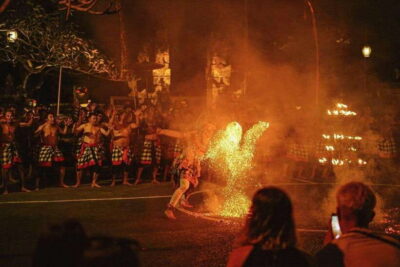 ★ 4.4Ubud Kecak and Fire Dance Show TicketsFrom $62,631 reviews
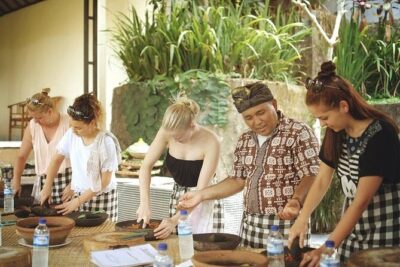 ★ 5.0Ubud Cooking Class Bali with Balinese ChefFrom $351,609 reviews
More Kuta tours like this one