
Review · NUSA PENIDA DAY TRIPS FROM KUTA
Try Freediving on Nusa Penida
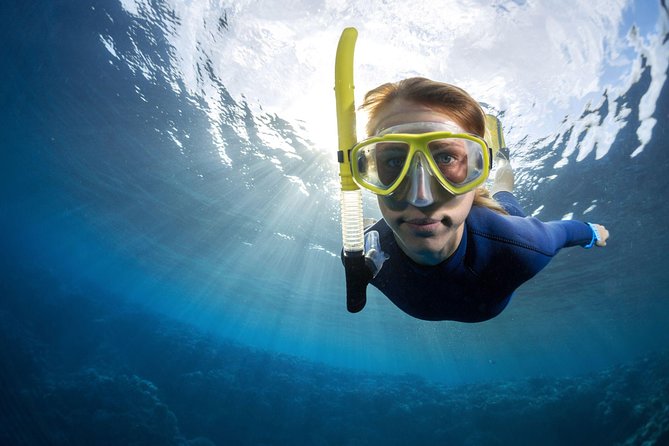
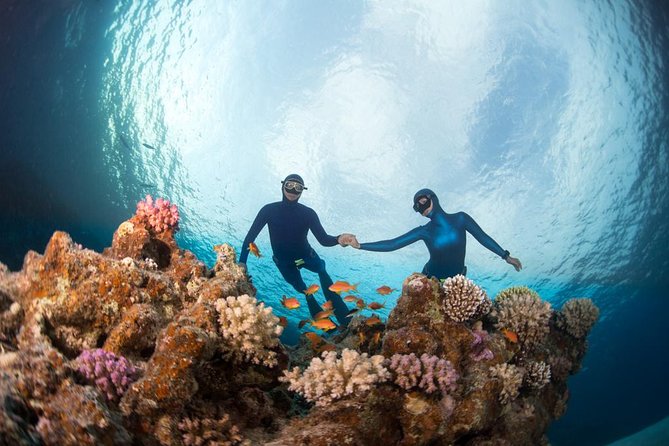
Freediving training makes snorkeling feel bigger. This half-day Try Freediving experience on Nusa Penida blends classroom breath-hold lessons with in-water practice on the reef right by the school. You also get underwater photography so you can keep the best moments, not just the memories.
I especially like the tiny group size (up to four), because it keeps the coaching personal when you are learning something new. I also like the practical flow, about 1.5 hours of theory and skills work in a classroom, then hands-on practice in the water so you learn by doing, not just watching.
One consideration: you need moderate physical fitness and you should be comfortable following instructions closely in the water. If you have a strong fear of being in open water, take your time and be honest with the instructor before you start.
Key things to know before you go
- Max 4 people keeps attention focused and makes the session feel controlled and calm
- 1.5 hours in the classroom covers breath-hold basics before you ever enter the water
- Home reef practice right in front of the school helps you build confidence without complicated logistics
- Freediving equipment and digital learning materials are included, so you show up ready
- Underwater photography is part of the experience so you can document the learning curve
Other boats crossing to Penida
- Bali to Nusa Penida: Premium Private Full Day Tour-All Inclusive★ 5.0 · 764 reviews
- One Day Nusa Penida Island West with Snorkeling★ 4.5 · 560 reviews
- One Day Nusa Penida Island West & East★ 4.5 · 425 reviews
- Nusa Penida Two Dives Trip for Certified Divers★ 5.0 · 197 reviews
Where you go in Nusa Penida, and how the session runs
This course happens on Nusa Penida, Bali, starting and ending at the same meeting point at Freedive Nusa Freediving School in Ped (you will find it on Jl. Ped – Buyuk No, Desa, Ped, Kec. Nusa Penida, Nusa Penida, Bali 80771). The activity runs in a half-day window: 8:30 AM to 12:00 PM, Monday through Sunday.
The big practical detail is that hotel pickup and drop-off are not included. That means you should plan to get yourself to the school on time. For me, that is not a deal-breaker, but it matters. Nusa Penida has its own pacing, and being late is the fastest way to feel rushed when you are learning breath-hold skills.
Also, this is a 3-hour experience (approx.). You are not signing up for an all-day expedition. The tradeoff for the shorter time is that the training is designed to be direct: learn the basics, practice them, leave with more confidence and better control in the water.
The 1.5 hours of classroom training that actually sets you up
About the first 1.5 hours happen in a classroom at the school. This is where you learn basic theory and practical aspects of breath-hold diving. The point is not to overwhelm you with terminology. The point is to help you understand how to stay calm, how to breathe properly, and how to follow safety rules so your time in the water feels structured.
You also get digital learning materials. Even if you are someone who forgets details once you are excited, having that material later is useful because it helps you reinforce what you practiced. Think of the classroom time as building the mental checklist you will need once you are actually underwater.
Another small but meaningful included item is drinking water. It sounds basic, but breath-hold training and tropical sun can make you feel more tired than you expect. The session includes water, which helps you stay focused during instruction.
Why the reef practice right in front of the school feels beginner-friendly
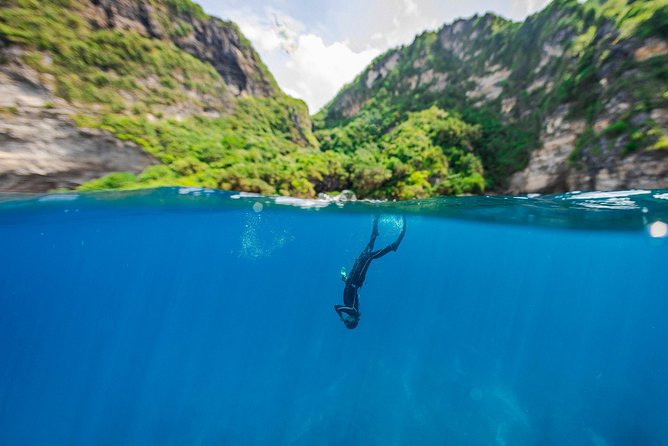
After the classroom, you go into the water and practice your new skills on the reef close to the school. The course is built around that “start here, then build” idea. Instead of focusing on going very deep or using a line for descent, this is designed for people who want more time and range in snorkeling and swimming.
That is also why the course is described as an intro that helps you see more reef rather than chasing depth. For you, that usually translates to a better match if you like floating, swimming slowly, and watching marine life at a comfortable pace.
The practical benefit is confidence. The session is meant to make you more sure of yourself in the ocean, so you swim with less panic and more awareness. Several instructors are praised for being calm, and that matters here. When you are learning breath-hold skills, the instruction tone can be the difference between feeling safe and feeling stressed.
And yes, the reef being close is part of the value. You spend time learning, not waiting for long transfers or complex setups.
Tiny group size, instructor attention, and the safety vibe
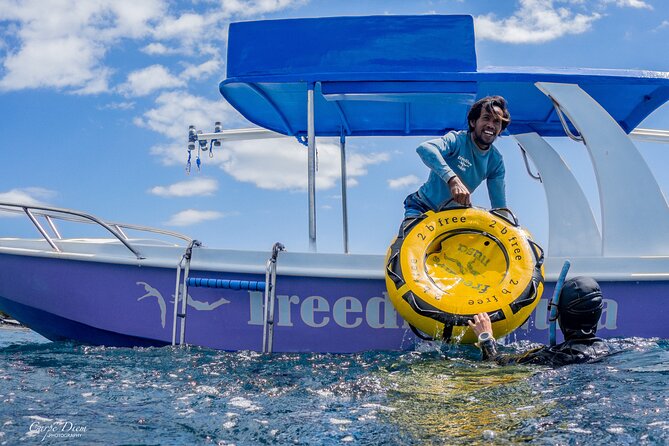
This activity caps at four travelers, which is a rare luxury for a hands-on water class. In a bigger group, you might spend more time waiting your turn. Here, you are more likely to get the feedback you need in the moment.
From the way people describe the instruction, calm competence is a recurring theme. Instructors mentioned by name in past experiences include Roberto, Chiarra, Heiko, Kirill, and Emily. Even when students went as beginners, they repeatedly highlight feeling safe and supported.
So what should you expect from that “safe and supported” vibe? Usually it means clear explanations before each skill, time to try, and corrections that do not feel harsh. It also means the instructor is watching your technique and comfort level, not just ticking a box.
One more point: this course is aimed at improving your snorkeling game. That makes it a good fit for swimmers who want to move underwater more smoothly, and it also helps if your goal is simply to spend more satisfying minutes exploring reef life.
Underwater photography: documenting your progress without extra stress
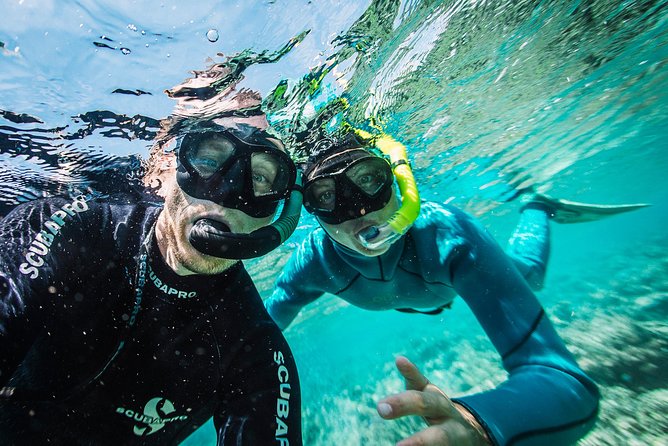
A standout feature here is underwater photography. For you, that can do two useful things.
First, it gives you a reason to slow down and pay attention during the session. When you know there is photo support, you often remember the moments that reflect technique, not just the big visual reef shots.
Second, photos help you see progress after the fact. Learning breath-hold skills can feel confusing while you are doing it. Having images later gives you a clearer picture of what went right, what to practice next, and how your body position looked.
You are not just leaving with a tan and a story. You are leaving with proof you can revisit when you want to improve.
Price and value: what $150 buys for a half-day course
The price is $150 per person for about 3 hours. What helps the value is that several practical things are included.
Included items:
- Freediving equipment
- Drinking water
- Digital learning materials
- Mobile ticket (you do not have to track paper)
Not included:
- Hotel pickup and drop-off
- Transportation to and from attractions
So the real question for you is: are you paying for instruction and equipment, or are you paying for a pile of extra services? In this case, the structure suggests you are paying for the teaching, the in-water practice, and the gear you need to participate.
Because pickup is not included, you should plan your local logistics early. If you are already staying near Ped or you know how you will get there, the price feels more straightforward. If you would otherwise need a private driver just to reach the school, factor that in mentally when you compare options.
Bottom line: for a half-day course with a maximum group size and hands-on practice, the included equipment and materials make the cost easier to justify.
Itinerary flow: classroom to reef practice, with a clear learning purpose
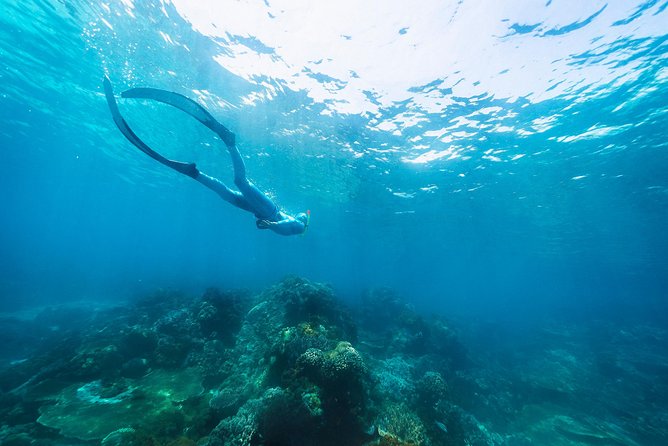
Here is the session logic you should expect, in plain terms.
You start at the school and spend about 1.5 hours in the classroom learning theory and practical breath-hold fundamentals. Then you shift to the water and practice what you learned on the home reef right in front of the school.
That sequencing matters. Breath-hold skills are partly mental (breathing, calm, control) and partly physical (body position, pacing, comfort). The classroom portion gives you the mental framework. The reef portion turns that framework into muscle memory.
You leave with more confidence and more freedom for swimming and snorkeling. That last part is important. A lot of “intro” experiences stop at learning terms. This one aims to help you behave differently in the water afterward.
Who this course suits best, and who should rethink it
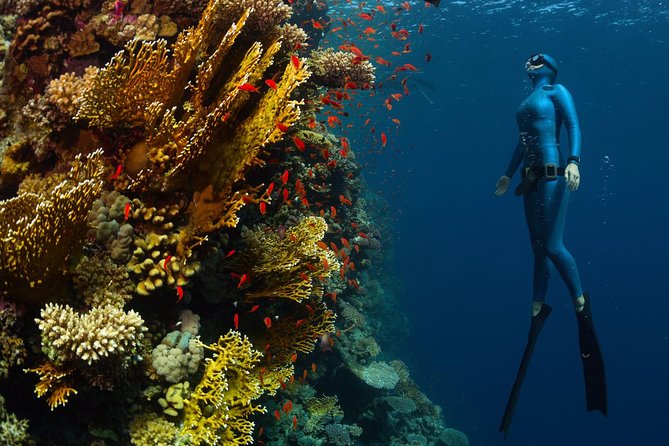
This experience fits best if you want a step up from basic snorkeling. If your goal is to see more reef life and swim with better control, this course is built for you.
It is also a good match if you like structure. The short time window, the tiny group, and the classroom-to-water teaching flow mean you are not wandering around hoping to figure it out yourself.
Who should reconsider:
- If you do not meet the moderate physical fitness expectation, you may find the water practice tiring.
- If you are traveling with kids, note the minimum age is 4, and children must be accompanied by an adult.
One more practical note from past experiences: people describe the instructors as experienced and calm with beginners, and one person specifically praised the experience for a parent and child learning together. If you are a first-timer, bring patience, not pressure.
How to get the most out of your 3 hours
I recommend you treat this like a learning session, not a performance.
During the classroom time, listen for the small instructions you can use in the water right away. Breath-hold training can feel counterintuitive until you understand the technique. If you understand it first, the practice part becomes much easier.
In the water, move with control and follow the instructor’s pace. The goal is comfort and skill-building, not rushing through reps. Because the group is small, you should feel comfortable asking questions if something is unclear before you try.
And keep an eye on your energy. You are practicing something new under tropical conditions. If you feel lightheaded or unsure, speak up early, not after you already pushed too far.
Should you book Try Freediving on Nusa Penida?
If you want an intro that helps you swim with more confidence and see more reef, this is a smart booking. The max four group size and the mix of classroom theory with practical reef practice make it feel like real coaching, not a one-and-done snorkel stop. Add in included equipment, water, digital materials, and underwater photography, and the value is easy to defend for a half-day plan.
I would only hesitate if you have concerns about the moderate physical fitness requirement or if you struggle with being in open water without feeling anxious. If that is you, talk with the school before you go. With the instructors being described as calm and attentive, you may still be able to find a path that works, but your comfort level has to come first.
FAQ
What is the duration of Try Freediving on Nusa Penida?
The experience is approximately 3 hours.
How much does it cost?
It costs $150 per person.
Where is the meeting point?
You meet at Freedive Nusa Freediving School, Jl. Ped – Buyuk No, Desa, Ped, Kec. Nusa Penida, Nusa Penida, Bali 80771, Indonesia.
Do I need to arrange hotel pickup or transportation?
No. Hotel pickup and drop-off are not included, and transportation to and from attractions is also not included.
What time does the activity run?
The opening hours are 8:30 AM to 12:00 PM, Monday through Sunday.
What is included in the price?
Drinking water, freediving equipment, and digital learning materials are included.
Is there a group size limit?
Yes. The experience has a maximum of four travelers.
How does the course start, classroom first or water first?
You spend about the first 1.5 hours in the classroom learning basic theory and practical breath-hold diving aspects, then you go into the water to practice on the home reef.
What is the minimum age to join?
The minimum age is 4 years old, and children must be accompanied by an adult.
What is the cancellation policy?
Free cancellation is available. You can cancel up to 24 hours in advance for a full refund. If you cancel less than 24 hours before the experience starts, the amount paid will not be refunded.
More Tour Reviews in Nusa Penida
- ️Nusa Penida by Private Boat – Snorkeling 4 spots, Swim with Mantas + Land Tour
★ 5.0 · 6,424 reviews - Bali to Nusa Penida: Premium Private Full Day Tour-All Inclusive
★ 5.0 · 764 reviews - One Day Nusa Penida Island West with Snorkeling
★ 4.5 · 560 reviews - One Day Nusa Penida Island West & East
★ 4.5 · 425 reviews
Crossing to Nusa Penida
- Bali to Nusa Penida: Premium Private Full Day Tour-All Inclusive
★ 5.0 · 764 reviews - One Day Nusa Penida Island West with Snorkeling
★ 4.5 · 560 reviews - One Day Nusa Penida Island West & East
★ 4.5 · 425 reviews - Nusa Penida Two Dives Trip for Certified Divers
★ 5.0 · 197 reviews
Fresh on the Nusa Penida pages
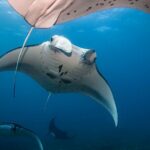
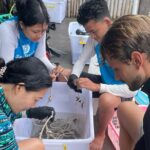

Nusa Penida Day Trips from Kuta, compared.
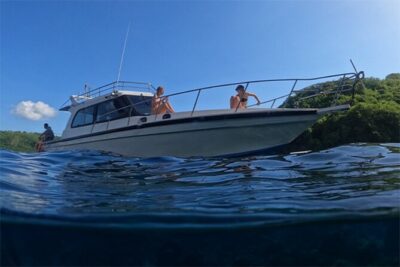 ★ 5.0Nusa Penida day trip: boat, 4 snorkeling, Manta rays & Land tourFrom $782,033 reviews
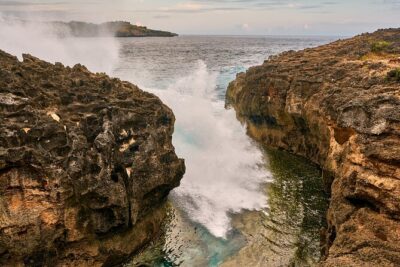 ★ 5.0Bali Nusa Penida West Private All-Inclusive TourFrom $801,277 reviews
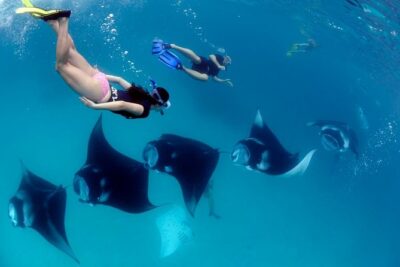 ★ 5.0Nusa Penida Snorkeling Adventure (Private & All-Inclusive)From $1291,197 reviews
Bali to Nusa Penida: Premium Private Full Day Tour-All InclusiveFrom $495764 reviews
★ 5.0Nusa Penida Snorkeling Adventure (Private & All-Inclusive)From $1291,197 reviews
Bali to Nusa Penida: Premium Private Full Day Tour-All InclusiveFrom $495764 reviews
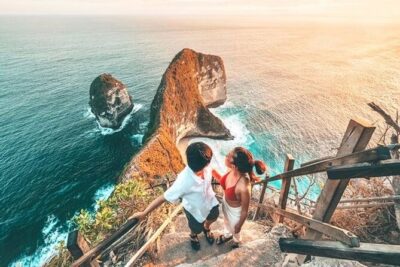 ★ 4.5Nusa Penida One Day Trip with All-inclusiveFrom $51743 reviews
One Day Nusa Penida Island West with SnorkelingFrom $29560 reviews
★ 4.5Nusa Penida One Day Trip with All-inclusiveFrom $51743 reviews
One Day Nusa Penida Island West with SnorkelingFrom $29560 reviews
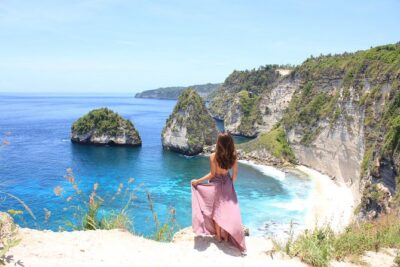 ★ 5.0️ Nusa Penida Instagram Tour: The Most Famous Spots (Private All-Inclusive)From $119538 reviews
More Kuta tours like this one