Review · KUTA
Transforming Plastic Waste A Hands On Recycling Experience
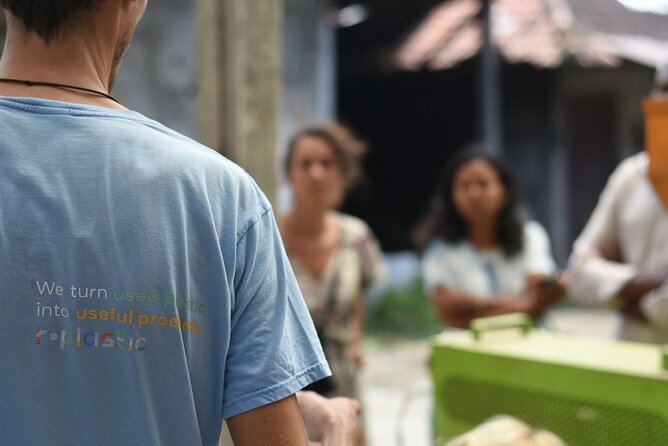
Most Bali tours show sights. This one has you working in a real recycling studio, turning plastic into useful items.
I like the hands-on sorting and making parts, because you learn the practical side of recycling instead of just hearing about it. I also like that the team runs real equipment demos, including a CNC machine that cuts plastic into products, so you can see how ideas become hardware.
One thing to consider: this experience is short and focused, and there is no food included. You will want to plan around that and come ready to get hands-on.
Key highlights worth your attention
- See Bali’s plastic challenge up close, and how small-scale recycling can reduce waste pressure.
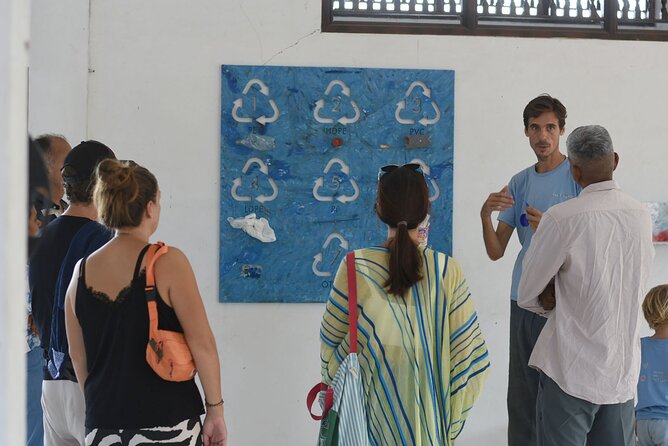
- Sort bottle caps by color and type, learning why plastic categories matter.
- Create your own recycled-plastic artwork, not just watching from the sidelines.
- Watch a CNC machine turn plastic into products, like surfboard racks and furniture.
- Leave with a handmade souvenir keychain made from Bali’s recycled plastic.
- Family-friendly learning, including school workshop style formats for kids.
Other ways to spend a day out of Ubud:
- All-Inclusive Ubud Private Tour★ 5.0 · 14,344 reviews
- Best of Ubud Full-Day Tour with Jungle Swing★ 5.0 · 8,571 reviews
- Ubud: Monkey Forest, Jungle Swing, Rice Terrace, and Water Temple★ 5.0 · 7,160 reviews
- Best of Ubud 1-Day Private Tour★ 5.0 · 4,451 reviews
Entering a working recycling studio in Ubud, not a classroom talk
This is an education experience with a workshop mindset. You start by stepping into r•Plastic’s studio in the Kemenuh area of Gianyar, and the vibe is practical, not staged. You are not here to admire a finished product and call it a day. You are here to understand the steps that happen after plastic leaves your hand.
That framing matters. Recycling sounds simple until you get into the real world of mixed materials, labels, colors, and the fact that different plastics behave differently. Here, you get the basics in a way you can actually remember because you do it with your hands.
The group stays small, up to 20 people. For a hands-on activity, that size is a big deal. It helps keep the flow moving during sorting tasks, demos, and Q&A, and it also gives you a better chance to ask direct questions to the people running the machines.
The 90 minutes flow: how the workshop keeps moving
The experience runs about 1 hour 30 minutes. It is structured enough that you will feel like you accomplished something by the time you leave, but it never feels like a rushed factory tour.
Here is how the session typically unfolds, and why each part is worth your time:
Welcome and why Bali plastic waste is a big deal
You begin with a welcome and introduction focused on Bali’s plastic problem and why recycling matters. The host, Martijn Huizing, ties the island’s waste challenges to real product design choices. That connection is a big reason this feels different from a generic eco lecture.
Instead of only talking about harm, the session points at what can be done locally, and why waste systems need both behavior change and workable tech.
Plastics and recycling basics, with the categories that affect outcomes
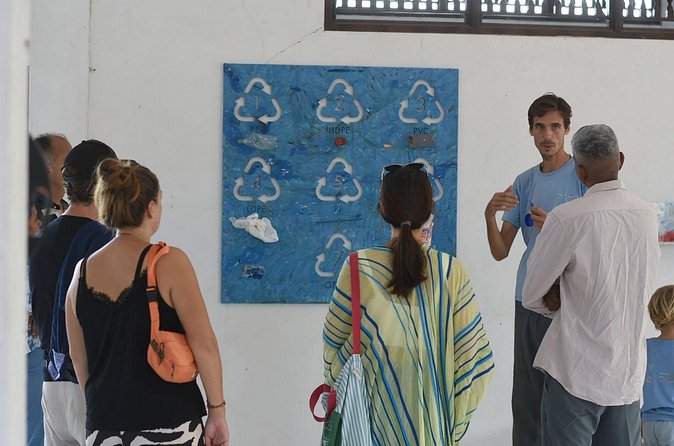
Next comes a clear primer on plastics and recycling. You learn that plastics are not all interchangeable. One of the most helpful bits from school-format visits is learning about seven different types of plastic, and why sorting is not just busywork. It affects whether materials can actually be processed into something useful.
This is where the workshop does a smart thing for visitors: it gives context before you jump into hands-on work. If you only see the sorting part first, you might miss the point. Doing the basics first makes your sorting decisions feel meaningful.



Studio tour and machine demos, including self-built equipment
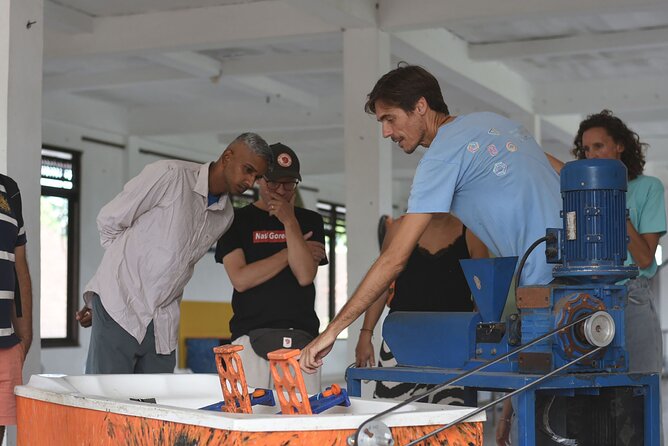
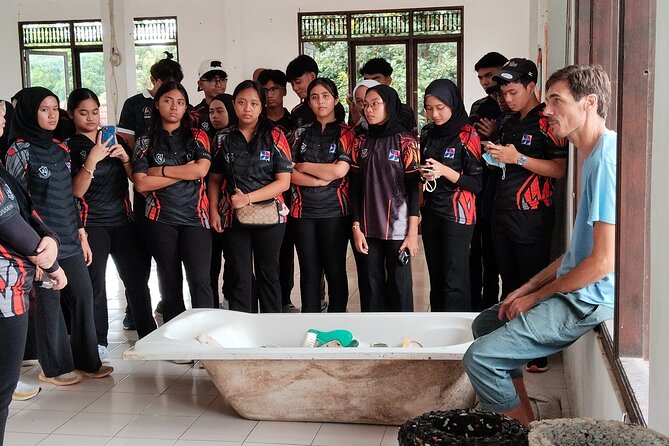
After the intro, you get a studio tour and demos of the machines. You see how plastic waste gets transformed, using self-built equipment designed around the constraints of recycling.
This portion is where the tour shifts from theory to mechanics. You will see the stages that turn scrap-like plastic input into usable output. Even if you are not a tinkerer, it helps you understand why recycling can be technical, not just moral.
Hands-on: sorting bottle caps by color and type
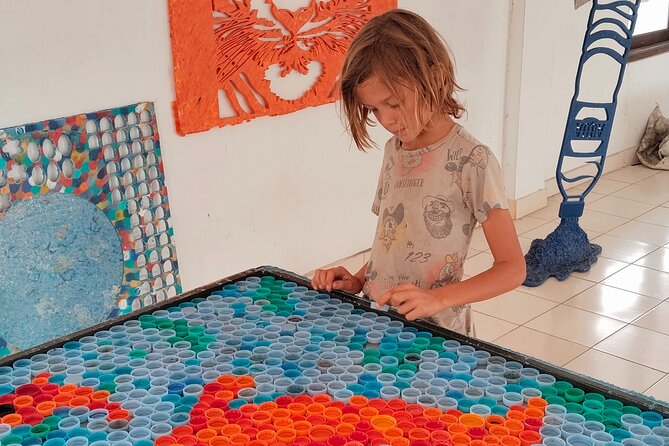
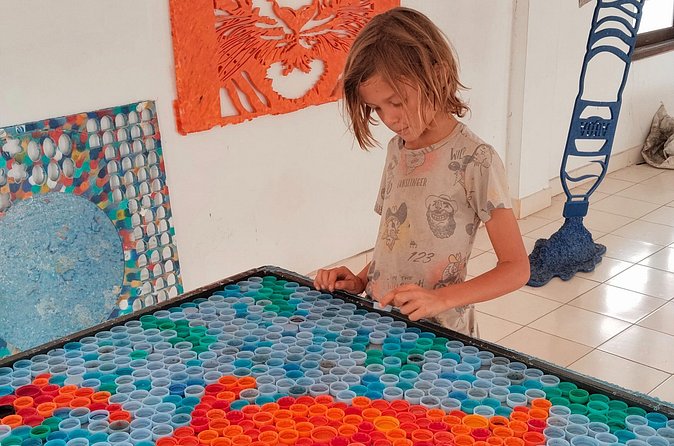
Now you get to do the work. You will sort plastic bottle caps by color and type. This is one of the easiest activities to join because it is simple, quick, and visual. You can literally see the categories.
More importantly, this sorting step shows you the reality of recycling supply chains. If you mix the wrong types, the process gets harder and the output quality can drop. By doing it yourself, you understand why recycling systems need clean inputs.
This is also where the small group size pays off. Sorting tasks can feel slow if you have too many people at once. With up to 20 people, you are not stuck waiting your turn for too long.
Making recycled artwork from plastic
Then comes the creative part. You make artwork from recycled plastic. It is not just craft time for the sake of fun. The underlying message is that waste can be a raw material, not an end-of-life dead weight.
In practice, this part tends to do two things. It helps kids and adults stay engaged, and it turns learning into something you can take home emotionally. You will likely remember the steps better because you associate them with the physical making process.
One nice detail from the educational style descriptions is that designs can be supported. The aim is for people to leave with something they can point to and say, I made that, using recycled plastic.
CNC machine demo: plastic turned into products
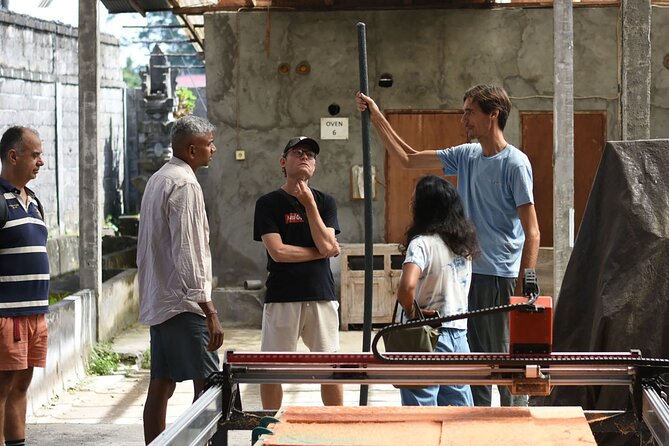
The biggest tech moment is the CNC machine demo. You watch plastic being cut into products such as surfboard racks and furniture.
This is a valuable segment even if you are not into machines. It shows you the bridge between recycling and manufacturing. You see that recycling is not only about collecting. It is also about designing processes that can produce consistent shapes and parts.
And it gives you a reality check: the path from waste to product takes effort, equipment, and know-how. That is both encouraging and honest. It means you are not being sold a fairy tale. You are being shown an actual system.
Q&A and your take-home recycled keychain
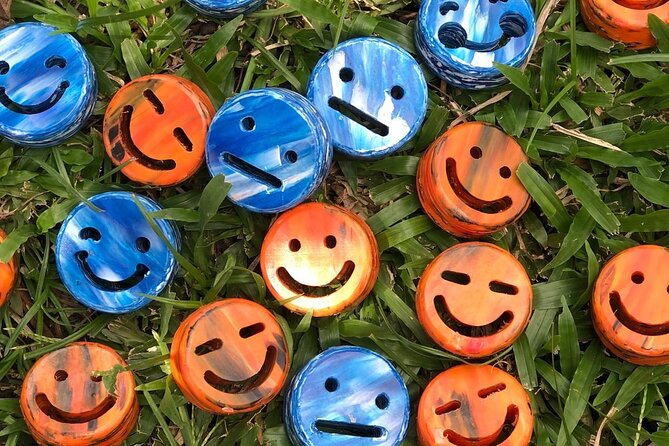
You end with Q&A and a souvenir. The souvenir is a handmade keychain crafted from Bali’s recycled plastic.
That small object is more than a token. It is a reminder of a chain of decisions: sorting, processing, designing, and finishing. When you carry it, the story is easy to recall, which is exactly what makes these workshops stick.
What you’ll learn, beyond the recycling buzzwords
If you only remember one lesson, make it this: plastic recycling depends on sorting and compatibility. Plastics differ, and recycling systems need inputs that work with their equipment.
Here are a few other learning outcomes you can expect to walk away with:
You understand why bottle caps are a meaningful entry point. They are small, plentiful, and often made of specific plastic types. Sorting them by color and type turns the idea of recycling into something hands-on.
You see how small-scale decentralized recycling can function. The workshop format shows that you do not need a giant corporate plant to start meaningful change. You need systems that can operate reliably with the right materials.
You learn how design thinking connects with sustainability. Martijn and the team connect waste challenges to product design, which is a key mindset shift. Recycling becomes part of the design conversation, not an afterthought.
And you get a sense of the emotional side of sustainability. Multiple school-style and family-style visits describe creativity, teamwork, and motivation. That matters because real change spreads when people feel empowered.
Price and value: is $15.06 a fair deal?
At $15.06 per person for about 90 minutes, this is priced like an activity you can justify on a vacation budget, not like a premium museum ticket. For the value, count three things:
You are paying for an organized workshop that includes instruction, studio access, and active participation. The sorting and making are not passive.
You are paying for real equipment demos and product-cutting technology, including a CNC demo that turns plastic into furniture and surfboard racks. That is a higher-cost experience to run than a simple craft class.
You get a take-home handmade keychain made from Bali’s recycled plastic. Souvenirs are often cheap and forgettable. Here, the souvenir fits the message because it is built from the same loop you just learned about.
There is one tradeoff: no lunch is included. Also, the experience is focused and not a multi-stop day trip. If you want a full day of sightseeing, you might pair this with other Ubud-area plans.
Practical stuff that makes your visit smoother
Meeting point and timing
You meet at F73J+CFR, Jl. Ir. Sutami, Kemenuh, Kec. Sukawati, Kabupaten Gianyar, Bali 80582, Indonesia. The activity ends back at the meeting point.
Because the workshop is about 1 hour 30 minutes, getting there on time matters. Arrive a bit early if you can, so you can settle in and start with the introduction instead of rushing.
What’s included, and what isn’t
Included:
- Bottled water for topping up your own bottle is available. The studio does not provide water bottles because they do not like single-use plastic.
Not included:
- Lunch. No food is served.
If you are doing this midday, plan a snack before or after. If you are doing it after another activity, bring water and keep expectations realistic.
Weather matters
The experience requires good weather. If it is canceled due to poor weather, you will be offered a different date or a full refund.
So this is one of those Bali plans you should not stack too tightly with other outdoor commitments. You want flexibility if conditions change.
Who it’s best for
This works well for:
- Families who want something more hands-on than a standard museum stop
- Eco-minded travelers who want to see how recycling actually works
- Creative people who like making art and learning through doing
- Students and school groups, since school trips with primary-age kids have used it as a learning workshop
If you prefer quiet, minimal interaction, this is not your style. The point here is participation.
A balanced take: what might not fit you
Most visitors love the educational energy and the practical, do-it-yourself parts. But consider these fit notes:
If you are hoping for a long, scenic tour with lots of stops, this is only 90 minutes and you are in the studio setting. It is not built like a countryside outing.
If you get uncomfortable with hands-on tasks, sorting and making might feel like more work than you expected. It is still approachable, but it is meant to be active.
Finally, since there is no lunch, make sure you are not arriving hungry and assuming food will be provided. The studio gives water for topping up, but it does not include meals.
Should you book r•Plastic in Bali?
I think you should book this if you want a real behind-the-scenes experience. You are not just learning about sustainability. You are sorting plastics, making recycled art, watching the CNC machine cut plastic into products, and leaving with a recycled keychain.
It is also a strong choice if you like activities that mix learning with creativity. The format keeps people engaged without turning into a boring lecture.
Skip it if you want a full day of sightseeing or if you need food included. For a short, purposeful workshop in Ubud, though, it is a compelling use of time and money.
FAQ
How long is the r•Plastic hands-on recycling experience?
It lasts about 1 hour 30 minutes.
What does the $15.06 price include?
Your ticket includes bottled water for topping up your own bottle, plus the workshop activities like sorting, making recycled artwork, machine demos, and a handmade keychain souvenir.
Is lunch included?
No. There is no lunch or food provided, but you can top up a water bottle for free.
Where do I meet for the tour?
The meeting point is F73J+CFR, Jl. Ir. Sutami, Kemenuh, Kec. Sukawati, Kabupaten Gianyar, Bali 80582, Indonesia. The tour ends back at the meeting point.
Is this experience weather dependent?
Yes. The experience requires good weather. If it is canceled due to poor weather, you will be offered a different date or a full refund.
What is the group size?
The experience has a maximum of 20 travelers. Confirmation is received at time of booking. Service animals are allowed, and most travelers can participate.
More Tour Reviews in Ubud
- All-Inclusive Ubud Private Tour
★ 5.0 · 14,344 reviews - Best of Ubud Full-Day Tour with Jungle Swing
★ 5.0 · 8,571 reviews - Ubud: Monkey Forest, Jungle Swing, Rice Terrace, and Water Temple
★ 5.0 · 7,160 reviews - Best of Ubud 1-Day Private Tour
★ 5.0 · 4,451 reviews