
Review · UBUD DAY TRIPS FROM KUTA
Private Tour: Ubud Day Tour with Traditional Offering Lesson
A long Ubud day, with real Balinese spirit. This private-style tour bundles a traditional offering lesson at a local home with nature and culture stops, from the monkey forest to Tegalalang rice terraces. I especially like how it mixes hands-on learning with iconic Ubud sights, and I love that you get time with a guide who can explain what you’re seeing, not just point. One watch-out: it’s about 10 hours, so you’ll want comfortable shoes and a calm pace plan from the start.
One standout detail is the personal touch, like Dewa, a guide praised for taking guests into his own home and introducing them to his family for the ceremony. It’s that kind of access that turns a standard sightseeing day into something you’ll remember. Still, keep in mind the day is active, includes walking, and you’ll be in places with lots of people and animals.
Key points to know before you go

- Home offering lesson taught in a local setting, not just a demo
- Sacred Monkey Forest Sanctuary with 600+ long-tailed macaques nearby
- Tegalalang rice terraces walking time to understand traditional cultivation
- Art market time with a chance to browse and bargain
- Lunch plus bottled water included so you can focus on the day, not receipts
- Max 15 travelers keeps things from turning into a free-for-all
Other ways to do the Ubud run from Ubud
- All-Inclusive Ubud Private Tour★ 5.0 · 14,344 reviews
- Best of Ubud Full-Day Tour with Jungle Swing★ 5.0 · 8,571 reviews
- Ubud: Monkey Forest, Jungle Swing, Rice Terrace, and Water Temple★ 5.0 · 7,160 reviews
- Best of Ubud 1-Day Private Tour★ 5.0 · 4,451 reviews
How the pickup, private guide, and 10-hour schedule actually feel
This day starts at 8:00 am and runs about 10 hours. You get hotel pickup and drop-off, which matters in Ubud. Traffic and short distances can still eat time, and you don’t want to spend your vacation hunting for meeting points.
The tour is described as private, and the maximum group size is 15 travelers. In practice, that usually means you get a guide experience that feels personal, with time to ask questions, without a giant bus crowd. You also get instant confirmation and a mobile ticket, so you can keep your day simple.
Now the real practical question: will you enjoy a long day? If you like a plan with variety, this works well. If you prefer slow wandering and multiple cafés, you might find it too structured. Either way, wear shoes you trust. You’ll walk in forest paths and on uneven ground around the rice terraces.
Sacred Monkey Forest Sanctuary: monkeys, temple space, and better photo habits
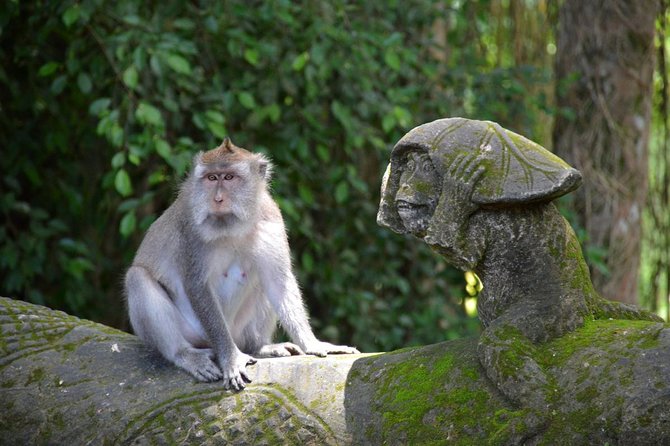
Stop one is the Sacred Monkey Forest Sanctuary, where you can see more than 600 long-tailed macaques in the green forest close to central Ubud. There’s also a sacred temple sanctuary guarded by the monkeys. That mix is exactly why this stop is more than a quick photo moment. You’re not just watching animals. You’re watching a place where animals and spiritual life share the same space.
Expect about 1 hour here, and the admission ticket is included. A tip that saves stress: keep your pockets zipped and avoid holding snacks out. Monkeys are quick, and you don’t need a surprise interaction to ruin your morning.
For temple-adjacent areas, keep your behavior calm and respectful. Don’t block paths, and be mindful around the sanctuary zones where people pause for quiet moments. If you want the best photos, look for angles that let you shoot without crowding others. You’ll get better shots and fewer awkward encounters.
One potential drawback: it can be crowded in the monkey forest, and the energy is high. If you prefer quieter wildlife viewing, you’ll want to treat this as a fun, lively stop, not a peaceful nature retreat.
Tegalalang Rice Terrace walk: how traditional farming shapes what you see
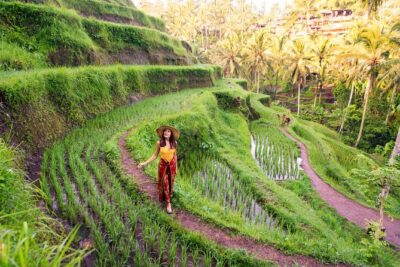
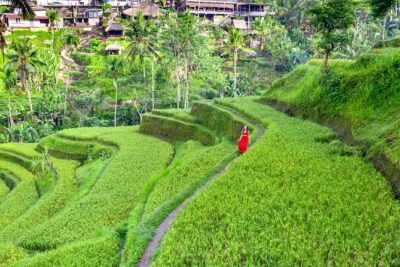
After the monkey forest, you head to Tegalalang Rice Terrace for about 45 minutes. The goal here isn’t just scenery. You walk around the rice fields to understand how traditional people cultivate their land to produce rice for food.
The admission ticket is included, so you’re not juggling extra fees while you’re already on a schedule. This stop is also a nice pacing reset. The forests and temples spark attention, then the rice terraces slow your eyes down. You start noticing details like water flow and stepped planting areas, and you get a grounded sense of why rice terraces matter in daily Balinese life.
What to do to enjoy it more: bring a light layer if it’s cool early morning and be ready for sun once you’re out in the open. Also, go at walking speed, not photo speed. If you stop too often, you’ll feel rushed when your guide moves you to the next viewpoint.
If you’re hoping for a deep guided agronomy talk, the time is short. But you will come away with a clearer mental picture of how cultivation works and why these terrace systems keep showing up in Ubud photography.
Ubud Traditional Art Market: bargaining, browsing, and what to buy
Next is Ubud Traditional Art Market for about 1 hour. Admission is free, and this is where you shift from nature and temples into craft culture.
Here you can look at many types of handcraft made by local people. There’s also an explicit reminder that you should get used to bargaining. This is normal in markets like this, and it’s part of the experience. If you hate negotiation, treat it like browsing practice, not a high-pressure sales event.
What I like about this stop is that it gives you a chance to connect with the idea of craft as a daily skill. You can ask what the items are, how they’re made, and what local buyers tend to prefer. Even if you don’t buy anything, you’ll see the range of work available.
A practical consideration: markets can tempt you into impulse buying. Set a mental budget before you arrive, and don’t be afraid to walk away. A good guide can help you gauge what’s reasonable and avoid overpaying out of impatience.
The same day, just yours

The home offering lesson: where Balinese spirituality turns tangible
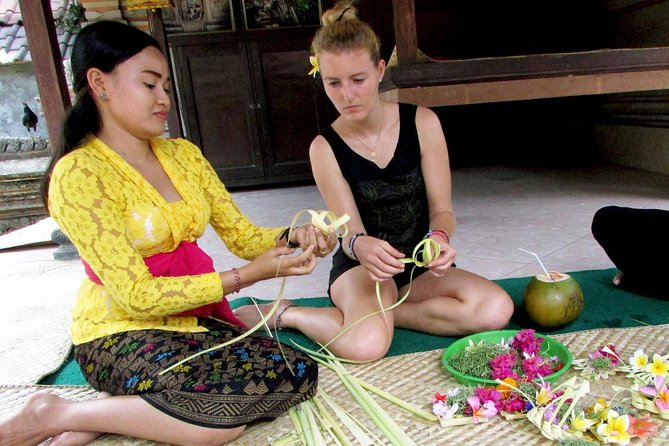
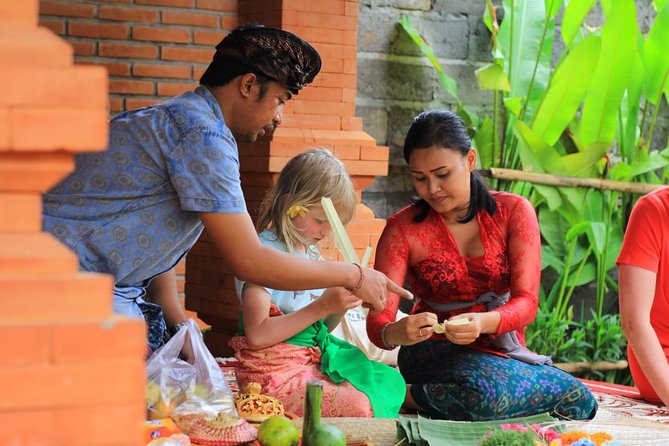
The most memorable part is the traditional offering lesson connected to a spiritual ceremony in a local home. This is the heart of the tour, and it’s also what separates it from a standard list of attractions.
This isn’t described as a theater-style performance. It’s about learning to make a ceremonial offering alongside a local family. That matters. Even if you only remember a few steps, you’ll understand the basic idea: these offerings are part of daily spiritual practice, not just tourist symbolism.
The personal stories in the guide notes make this feel especially meaningful. Dewa, one guide who’s been praised, is noted for welcoming guests into his home and introducing them to his family, including his heavily pregnant wife and his mother. That kind of access can make the lesson feel human and grounded, not staged.
How to get the most out of it:
- Ask simple questions while you’re making the offering, like what the materials represent or how it’s used.
- Keep your pace steady and your tone respectful. You are in a domestic and spiritual space.
- If you’re unsure about dress or conduct, your guide will usually help you set expectations.
A possible drawback: since this involves a local home setting, the environment can be more intimate than temple courtyards. If you’re uncomfortable around family life or prefer purely public spaces, you might feel a bit out of your element. Still, that’s also why it’s special.
Temples plus coffee plantation and luwak: sacred stops and a pricey ingredient story
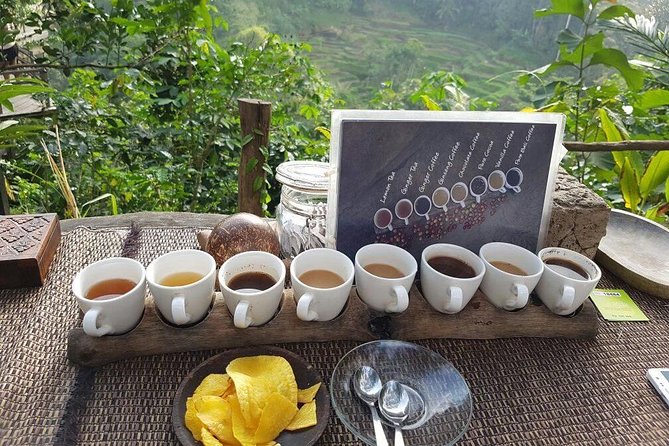
Beyond the monkey forest and rice terraces, the tour includes visits to temples, plus a coffee plantation and market. The day also includes learning about luwak coffee, described as among the world’s most expensive coffee.
Why I like this pairing: temples and coffee both have a strong sense of place. Temples connect you to daily spirituality and community rhythms. Coffee connects you to local land use, labor, and food culture in a very different way.
For the temple time, remember that this is still active religious space. You’ll want a calm voice, respectful photos, and patience if people are in prayer or ceremonies.
For the coffee plantation, the key point you’ll get is the learning piece. You’re not just buying a bag at the end. You’ll see how locals work with the elusive luwak and how that process ends up producing that famous coffee. Even if you already know a bit about luwak, the local explanation helps you connect the dots to what you’re seeing in the plantation environment.
One caution: coffee plantations can turn into shopping stops if you’re not careful. Use the learning time first, then decide later if you actually want to purchase anything. If the tour includes a market stop after, keep your budget in mind like you would for the art market.
Lunch by the rice fields: classic Balinese food with a calmer mid-day reset
Lunch is included, and it’s described as dining beside lush rice fields. That sounds like the kind of setting you remember, but the more practical benefit is that lunch breaks up the day into manageable pieces.
The menu is described as classic Balinese dishes. You’ll likely get a mix that represents local flavors and staples rather than a generic buffet. The best move is to take what’s offered, ask if anything is spicy, and eat at a normal pace. When you’re trying to squeeze in photos before your next stop, lunch becomes stressful. When you slow down, it becomes the recharge point it should be.
Because alcoholic drinks are not included, if you like beer or cocktails, you’ll need to budget for that separately. Bottled water is included, which helps you stay comfortable during the longer day.
Price and logistics: is $61.54 worth it?
At $61.54 per person, you’re paying for a lot that adds up quickly if you were to piece it together yourself: hotel pickup and drop-off, a local guide, lunch, bottled water, and tickets for at least the monkey forest and rice terraces. The art market stop is free, which is a nice bonus.
The best value angle here is the mix. You get:
- A wildlife sanctuary stop with included admission
- A rice terrace walk with included admission
- A market browsing window
- A home offering lesson, which is harder to replicate on your own
- Temples and a coffee plantation and market component
- Lunch included
Even if you’re a careful budget traveler, the offering lesson is the part that often costs extra or is hard to arrange without local connections. In a day that covers multiple Ubud highlights plus cultural learning, this price can feel fair, especially with pickup included.
The main trade-off is that it’s a packed schedule. You’re trading spontaneity for structure. If you want to linger in one place for hours or skip anything on your personal list, a private plan like this may feel a bit rigid. Ask yourself if you enjoy checklists done well.
Who this Ubud offering lesson tour suits best
This tour fits best if you want a day that feels both cultural and active. It’s a strong option for families, since the day is framed as a fun experience with wildlife and hands-on learning, and it’s designed for most travelers to participate.
It also works well for first-time Ubud visitors who want an efficient hit of the essentials: monkey forest, rice terraces, temples, markets, and coffee culture. If you’re the type who likes explanations, not just photos, you’ll probably enjoy the way the guide connects each stop.
If you should reconsider:
- You hate long days and lots of walking.
- You prefer fully independent travel with lots of downtime.
- You’re sensitive to animals and animal-heavy environments like the monkey forest.
My bottom line: should you book it?
Book this tour if you want a full-day Ubud plan that goes beyond sightseeing and includes a hands-on offering lesson in a local home setting. The included lunch, bottled water, pickup, and key attraction tickets make the day feel efficient, not nickel-and-dimed.
Skip it if you’re craving slow, open-ended exploring, or if a 10-hour schedule sounds exhausting. In Ubud, a day like this is a trade: more structure for deeper cultural access. If that trade sounds good to you, it’s an easy yes.
More Tours in Ubud
- All-Inclusive Ubud Private Tour
★ 5.0 · 14,344 reviews - Best of Ubud Full-Day Tour with Jungle Swing
★ 5.0 · 8,571 reviews - Best of Ubud 1-Day Private Tour
★ 5.0 · 4,451 reviews - Tanah Lot and North Bali Tour: Scenic Journey
★ 5.0 · 3,620 reviews
More Tour Reviews in Ubud
- All-Inclusive Ubud Private Tour
★ 5.0 · 14,344 reviews - Best of Ubud Full-Day Tour with Jungle Swing
★ 5.0 · 8,571 reviews - Ubud: Monkey Forest, Jungle Swing, Rice Terrace, and Water Temple
★ 5.0 · 7,160 reviews - Best of Ubud 1-Day Private Tour
★ 5.0 · 4,451 reviews
Ubud, Three More Ways
- All-Inclusive Ubud Private Tour
★ 5.0 · 14,344 reviews - Best of Ubud Full-Day Tour with Jungle Swing
★ 5.0 · 8,571 reviews - Ubud: Monkey Forest, Jungle Swing, Rice Terrace, and Water Temple
★ 5.0 · 7,160 reviews - Best of Ubud 1-Day Private Tour
★ 5.0 · 4,451 reviews
Fresh on the Ubud pages





Ubud Day Trips from Kuta, compared.
 ★ 5.0All-Inclusive Ubud Private TourFrom $10014,344 reviews
 ★ 5.0Best of Ubud Full-Day Tour with Jungle SwingFrom $568,571 reviews
 ★ 5.0Ubud: Monkey Forest, Jungle Swing, Rice Terrace, and Water TempleFrom $317,160 reviews
 ★ 5.0Best of Ubud 1-Day Private TourFrom $544,451 reviews
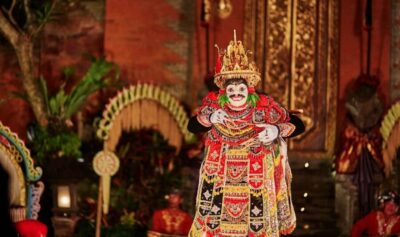 ★ 4.4Ubud Palace Legong Dance Show TicketFrom $63,979 reviews
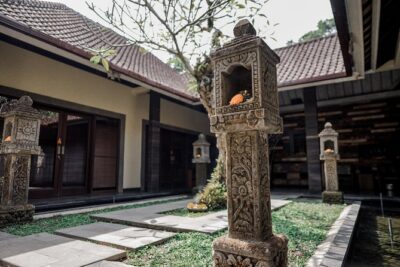 ★ 5.0Body Massage Experience in Ubud Traditional SpaFrom $213,506 reviews
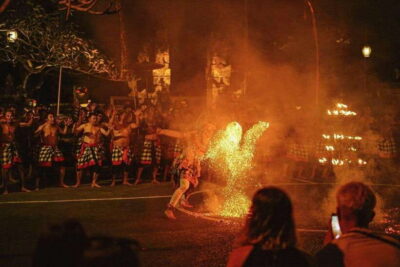 ★ 4.4Ubud Kecak and Fire Dance Show TicketsFrom $62,631 reviews
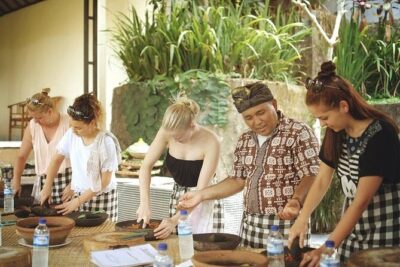 ★ 5.0Ubud Cooking Class Bali with Balinese ChefFrom $351,609 reviews
More Kuta tours like this one