
Cold water, big meaning.
This private Melukat Ceremony at Tirta Empul Temple is one of Bali’s most direct ways to experience local spirituality, not just watch it. You get a guided walkthrough of the temple, then you take part in purification at the holy springs, with morning or late-afternoon options to help you deal with crowds.
I love that it is a private tour for your group, so you can ask questions and move at your pace. I also like the practical package for the ritual: entrance, sarong and a simple covering outfit rental, ceremony materials, and even a locker are included, so you are not juggling a last-minute shopping list.
One real consideration is logistics and timing. Shuttle transport is not included, and if you go later in the day, you should expect the water to feel colder.
Key things to know before you go
- Private group only means your questions actually get answered, not squeezed between other groups
- Entrance, attire rental, and ceremony materials are included, plus a locker
- Morning slots are a smart move if you want fewer people around the springs
- Dress rules are strict: shoulders covered, and short bottoms above the knee
- Bring a change of clothes and a towel so you can reset after the cleansing
More temple mornings, different routes
- Ubud: Monkey Forest, Jungle Swing, Rice Terrace, and Water Temple★ 5.0 · 7,160 reviews
- Full-Day Tour to Water Temples and UNESCO Rice Terraces in Bali★ 5.0 · 2,539 reviews
- Bali Instagram: Gate of Heaven Temple Tour★ 5.0 · 737 reviews
- Ubud Tour with Monkey Forest Waterfalls Temples and More★ 5.0 · 495 reviews
Why Tirta Empul’s Melukat feels personal, not performative
Tirta Empul Temple, near Tampaksiring, is famous for springs considered sacred and healing. The Melukat ceremony is how many Balinese people seek purification, and the temple ritual is built around the idea that body and mind can be reset through respectful water worship.
What makes this experience feel more personal is how structured it is. You do not just wander. A guide orients you to the space first, then walks you through what you will do and why, so the ceremony makes sense instead of feeling like a checklist you do not understand.
It also helps that the experience is set up for real visitors, not just people who already know Bali’s religious rhythms. You get attire rental and ceremony materials, which lowers stress. And because it is private, you can ask basic questions without feeling awkward.
Price and what you actually get for $29
At $29 per person, the value here is mostly in what is included. You are paying for more than the temple entrance. The package includes the entrance fee, sarong and a simple dress rental (not full traditional Balinese outfit), ceremony materials, an English-speaking guide, and a locker.
That matters because Tirta Empul is a place where getting the details right is part of being respectful. If you have to scramble for attire or figure out where to store belongings, your attention shifts away from the meaning of the ritual. This setup keeps you focused.
It is also private. That can change how the money feels. For couples, friends, or small groups, paying for a dedicated guide often means you get better guidance, better timing around the springs, and fewer hassles with crowd flow.
The main cost you should expect beyond the ticket is getting yourself to the meeting point. Shuttle transport is not included, so plan your route accordingly.
Timing your visit: early morning helps, afternoon can bite
You can choose an early morning or late afternoon time slot, and that choice is not just about convenience. Tirta Empul is a popular site, and mornings tend to be calmer around the temple area.
There is another timing reality too. If you go later, the spring water can feel extremely cold. Even if you are mentally prepared, cold water has a way of hijacking your breathing and focus. If you want the ceremony to feel steady and meaningful, morning is usually the better bet.
My practical advice is to treat the timing like part of the ritual. Show up when your body can handle it comfortably, not when it is most convenient for your schedule at home.
The temple tour part: history and layout you can actually use
The tour starts at Pura Tirta Empul in Tampaksiring. Before the cleansing, you do a guided exploration of the temple grounds. This is where your guide helps you understand the temple’s history, architecture, and spiritual importance in Balinese Hinduism.
You will likely get much more out of the site if you know what you are looking at. The temple is not just pretty stone and carvings. It is designed for worship flow: where people stand, where offerings happen, and how ritual movement works from one area to the next.
A good guide also helps you read the ceremony structure. One reason this experience scores so highly is that guides spend time explaining the meaning of each part of the ritual, not just telling you where to stand. In the guide names shared by prior guests, you will see patterns: Botak, Dana, Ketut, Kadek, Dewa, Agung, and Komang are highlighted for being clear, helpful, and patient during the process.
If you like context, this section is your foundation. If you are the kind of person who panics when you do not understand what comes next, this tour stage is also your stress reducer.


Step-by-step Melukat ceremony: what happens after you change into attire
Once you finish the temple orientation, you shift into ceremony mode. You will don a sarong and a simple top-style covering rented as part of the experience. You are expected to wear a top that covers your shoulders, like a T-shirt, and short bottoms above the knee, like shorts or a short skirt.
Then you join your guide in the cleansing ritual. While the ceremony details can vary in how they are explained, the core actions are the same: you make offerings, you participate in ritual cleansing using the holy springs, and you frame it as freeing yourself of negative energies.
What I like about this is how guided it is. You are not thrown into a sacred space with no pointers. The guides who get the strongest praise take time to walk you through the procedures, so your body knows what to do even if your brain is still catching up.
You should also expect an emphasis on doing it respectfully. That includes the right attire, following the guide’s cues, and not rushing through the water stations.
What to bring (and what not to forget) for a smooth, respectful ceremony
The tour gives you attire rental and ceremony materials, but you are still responsible for your comfort and hygiene. Bring a change of clothes, including underwear, plus a towel. You will feel better after the ritual if you can dry off and re-dress quickly.
Dress rules are not optional. Shoulders must be covered, and your shorts or skirt should be above the knee. If you show up with clothing that violates the rules, you will lose time and momentum.
Also bring the right kind of mindset: be ready for a cold-water experience and a longer-than-you-expect reset. Even when the ceremony feels efficient, the emotional and physical shift happens after the water, not before it.
One practical tip from experience with ceremonies like this: wear sandals or shoes that are easy to manage around temple areas, and keep your towel and change of clothes accessible.
Locker and attire rental: small things that save your day
A locker is included, which is a big deal at a site like this. You do not want your phone and valuables hopping around in your bag while you are adjusting sarong cloth and stepping near ritual water points.
The attire rental matters too. The sarong and simple dress are designed for entry and ritual participation. The listing notes it is not the complete traditional Balinese outfit, which is helpful if you do not want to figure out complicated costume rules before you even start.
One more small comfort: the process is organized. That shows up again and again in highly praised feedback, with guides described as making the ceremony easy, meaningful, and step-by-step. In other words, you are not left guessing how to proceed.
Meet the guides: why clear explanation gets the best ratings
In Bali, you can find someone to show you a temple in a general way. What sets this experience apart is how often the guides are credited for making the ceremony meaningful through explanation and care.
Some names that stand out: Botak is praised for explaining temple setup, rituals, and cleansing. Dana and Komang are repeatedly highlighted for knowledge, helpful pacing, and clear guidance through procedure. Ketut, Kadek, and Agung also come up for being patient, informative, and making it feel easy to participate correctly.
Even if you do not obsess over who your guide is, this matters because Melukat is not just photography. It is a structured ritual. When your guide knows how to explain what you are doing and why, you feel less like an observer and more like a participant.
Who this tour is best for
This experience is a strong fit if you want an authentic Balinese spiritual ritual with real guidance. It also works well if you like learning, because you get temple history and architecture context alongside the cleansing ritual.
It is especially good for people who value a private setup. Couples, friends, and families traveling together often prefer a private guide when the subject is cultural and sacred. With a private format, you can ask questions about procedure, meaning, and what to expect next.
If you are sensitive to cold water, choose your time slot carefully. Morning often feels easier. If you have mobility constraints, the provided data does not list accessibility details, so you should ask the provider directly before booking if that is a concern.
If you are menstruating, note the strict rule: you are not allowed to enter the temple. If you menstruate after booking, you can request a refund or reschedule.
Simple planning checklist (so you do not scramble)
Here is what you should have lined up before the day:
- You have chosen early morning or late afternoon
- Your outfit follows the rules: shoulders covered, shorts or skirt above the knee
- You bring a change of clothes plus a towel
- You are ready to handle cold spring water
- You understand shuttle transport is not included, so you will handle getting to the meeting point
- You enter your WhatsApp registered phone number during booking, so the team can reach you
This is the kind of tour where being prepared makes the difference between feeling rushed and feeling grounded.
Should you book this Tirta Empul Melukat ceremony tour?
If your goal is to experience Bali’s spirituality in a guided, respectful way, I think this is worth booking. The biggest reasons are practical and real: the private guide, the included attire rental and ceremony materials, and the fact that the ritual is explained clearly enough that you are not just copying movements.
I would only hesitate if you dislike cold water or if you need transportation from your hotel, because shuttle service is not included. In that case, you can still make it work, but you should plan your route early.
For most people seeking something more meaningful than a standard temple stop in Bali, this hits the sweet spot between spiritual practice and traveler-friendly guidance.
FAQ
How long is the Melukat Ceremony and Tirta Empul Temple tour?
It runs about 1 to 2 hours.
What is included in the $29 per person price?
Entrance fee, sarong and a simple dress rental, ceremony materials, an English speaking guide, and a locker are included.
Do I need to bring a towel and change of clothes?
Yes. You should bring a change of clothes, including underwear, and a towel.
What should I wear to the temple?
Wear a top that covers your shoulders, such as a T-shirt, and short bottoms above the knee, such as shorts or a short skirt.
Is shuttle transport included?
No. Shuttle transport is not included, and the activity starts and ends back at the meeting point.
Can I participate if I am menstruating, and what happens in bad weather?
If you are menstruating, you are strictly not allowed to enter the temple. Also, the experience requires good weather, and if it is canceled due to poor weather you will be offered a different date or a full refund.
More Tours in Ubud
- All-Inclusive Ubud Private Tour
★ 5.0 · 14,344 reviews - Best of Ubud Full-Day Tour with Jungle Swing
★ 5.0 · 8,571 reviews - Best of Ubud 1-Day Private Tour
★ 5.0 · 4,451 reviews - Tanah Lot and North Bali Tour: Scenic Journey
★ 5.0 · 3,620 reviews
More Tour Reviews in Ubud
- All-Inclusive Ubud Private Tour
★ 5.0 · 14,344 reviews - Best of Ubud Full-Day Tour with Jungle Swing
★ 5.0 · 8,571 reviews - Ubud: Monkey Forest, Jungle Swing, Rice Terrace, and Water Temple
★ 5.0 · 7,160 reviews - Best of Ubud 1-Day Private Tour
★ 5.0 · 4,451 reviews
Temples Worth the Early Start
- Ubud: Monkey Forest, Jungle Swing, Rice Terrace, and Water Temple
★ 5.0 · 7,160 reviews - Full-Day Tour to Water Temples and UNESCO Rice Terraces in Bali
★ 5.0 · 2,539 reviews - Bali Instagram: Gate of Heaven Temple Tour
★ 5.0 · 737 reviews - Ubud Tour with Monkey Forest Waterfalls Temples and More
★ 5.0 · 495 reviews
Fresh on the Ubud pages





Balinese Temple Trips from Kuta, compared.
 ★ 5.0Ubud: Monkey Forest, Jungle Swing, Rice Terrace, and Water TempleFrom $317,160 reviews
 ★ 5.0Full-Day Tour to Water Temples and UNESCO Rice Terraces in BaliFrom $392,539 reviews
Private Uluwatu Temple and Kecak Fire Dance Evening Tour in Jimbaran BayFrom $271,199 reviews
★ 5.0Full-Day Tour to Water Temples and UNESCO Rice Terraces in BaliFrom $392,539 reviews
Private Uluwatu Temple and Kecak Fire Dance Evening Tour in Jimbaran BayFrom $271,199 reviews
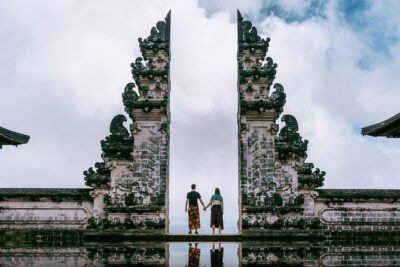 ★ 5.0Bali Instagram: Gate of Heaven Temple TourFrom $85737 reviews
Ubud: Monkey Forest, Water Temple, Rice Terrace, WaterfallFrom $28538 reviews
★ 5.0Bali Instagram: Gate of Heaven Temple TourFrom $85737 reviews
Ubud: Monkey Forest, Water Temple, Rice Terrace, WaterfallFrom $28538 reviews
 ★ 5.0Ubud Tour with Monkey Forest Waterfalls Temples and MoreFrom $30495 reviews
 ★ 5.0Ubud Top Attractions: Waterfalls, Temples and Rice TerracesFrom $39460 reviews
 ★ 5.0Private Tour: Uluwatu Temple & Southern Bali HighlightsFrom $45387 reviews
More Kuta tours like this one