
Review · UBUD DAY TRIPS FROM KUTA
Gianyar Market Visit & Cooking Class in Ubud with Kadek & Putu
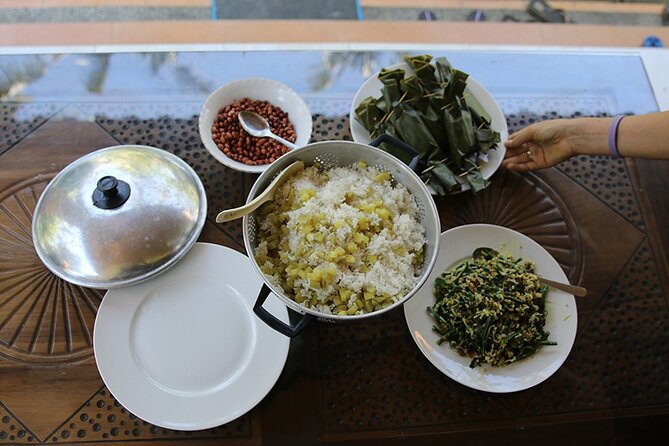
Balinese cooking begins with the market. I like how Kadek and Putu take you from the Gianyar market straight into a family kitchen, so the ingredients make sense before you cook them. I also love the practical, hands-on flow, where you learn dish by dish and then sit down to eat what you made.
The main drawback is simple logistics: Ubud pickup and drop-off are included, but hotels outside Ubud can cost extra. Also, because it is built around ingredients and seasonality, you should expect the exact menu to shift a bit during the year.
Key Points Before You Go
- Market-first ingredient learning so you can match herbs and produce to the flavors you will cook
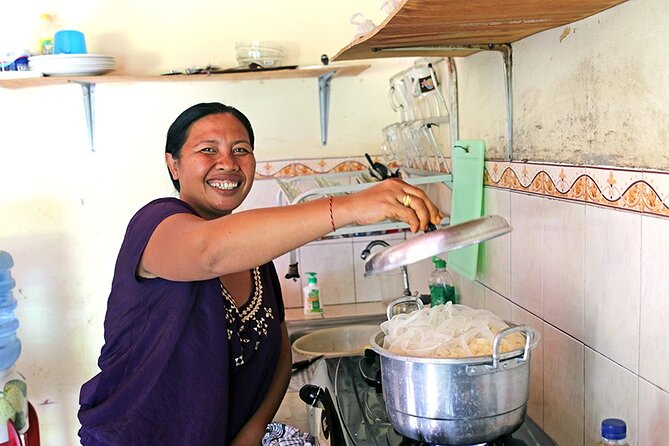
- Family compound cooking with Kadek’s sister, Putu, and family members in the kitchen
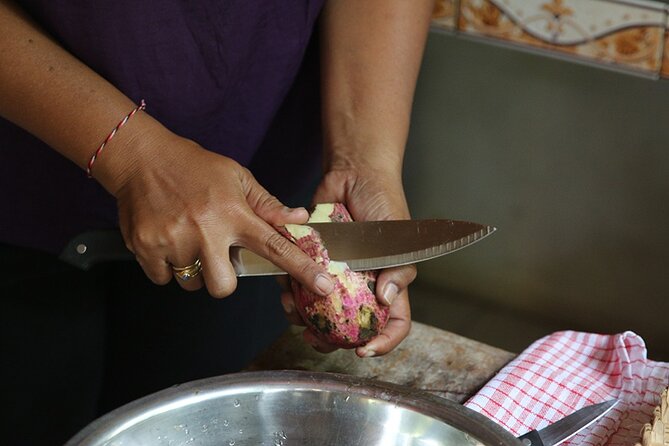
- Hands-on prep all the way through cooking, not just watching and tasting
- Optional fruit and veggie growing visit if Kadek shows you his garden a few doors down
- Dessert options you will actually remember, like black sticky rice with coconut cream or fried banana with palm sugar
Other ways to do the Ubud run from Ubud
- All-Inclusive Ubud Private Tour★ 5.0 · 14,344 reviews
- Best of Ubud Full-Day Tour with Jungle Swing★ 5.0 · 8,571 reviews
- Ubud: Monkey Forest, Jungle Swing, Rice Terrace, and Water Temple★ 5.0 · 7,160 reviews
- Best of Ubud 1-Day Private Tour★ 5.0 · 4,451 reviews
Gianyar Market First, Then the Real Cooking
This is one of those Bali experiences where the food is not just the end point, it is the lesson. You start at the Gianyar market, then you cook using what you just picked out and identified. That order matters. It turns a cooking class into something closer to food literacy, the kind you can use at home when you try to recreate flavors.
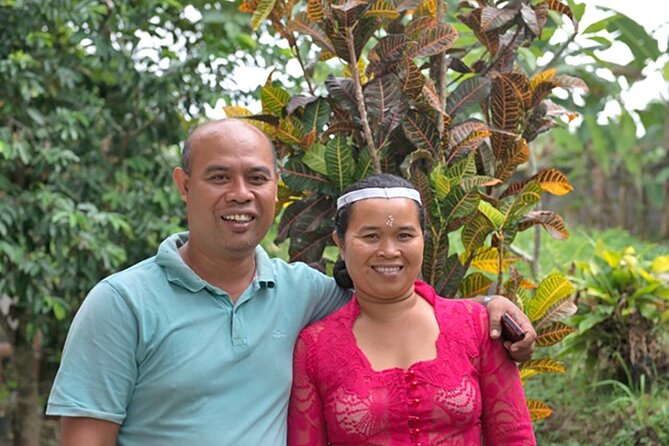
The day is built around a family kitchen experience, not a showroom. You will be in a local compound cooking alongside Kadek’s sister Putu and family members. It feels personal in a good way: you are not rushed through a script, and you get time to ask why something is chopped a certain way or paired with a specific ingredient.
And then comes the reward. You cook, you eat, and you do not have to wonder what the dishes are like. You will have them right there, served as a home-cooked Balinese meal.
Meeting Kadek and Putu: A Class Built Around Doing
What makes this class click is the way it is taught. The focus is on breaking down ingredients before you start cooking, then putting that knowledge into practice. You are not stuck with only a recipe card. You are shown what each ingredient does and how it fits into the finished dishes.
Putu plays the key role in the cooking side, with Kadek helping coordinate the market and the local context. The overall vibe is warm and supportive, which matters because the work is hands-on. You will chop, prep, and cook, and you get guidance so you can keep moving without feeling lost.
It is also private. Only your group participates. That is great if you want a more relaxed pace, or if you have dietary needs and want clear communication. It is not a crowded class where you spend most of the time waiting for the instructor’s attention.
Getting Picked Up in Ubud and Heading to Gianyar
Most days start with pickup from your Ubud hotel. The experience includes round-trip transport within Ubud. That convenience is a big part of the value, especially if you do not want to figure out rides right after a busy sightseeing day.
The trade-off is that pickup and drop-off are limited to Ubud hotels. If your accommodation is outside that area, there can be an additional charge. If you are choosing between hotels, this is a good detail to keep in mind.
The total time is about 4 hours. That is long enough to shop, learn, cook multiple components, and eat. It is also short enough that you can still do another activity later, assuming your schedule is flexible.
Walking the Gianyar Market for Fruits, Veg, and Herbs
The market stop is not just for photos. It is where you learn what Balinese cooking actually starts with. Kadek takes you to the Gianyar market and shows regional fruits, vegetables, and herbs used in local dishes.
One of the smartest parts of the experience is that you are not just told what to buy. You get to see ingredients in context, understand what is seasonal, and connect those flavors to the recipes you will make later. That means when you taste something like a herbal note or a sweet fruit flavor, you already know where it belongs in the dish.
You might also get a bonus garden connection, depending on the day. If you are interested, Kadek can show how he grows local fruits and vegetables at his home, a few doors down from his sister’s house. While walking through that area, you may be offered fresh juice made from just-picked seasonal fruits such as mulberry, passion fruit, papaya, mango, or jackfruit.
Even if you skip the growing visit, the market alone is useful. You will leave with a clearer idea of what to look for when you try to cook Balinese flavors back home.
More kitchens that start at the market

Cooking From Scratch in a Family Kitchen
After the shopping and any optional garden visit, you head to the family compound to cook together. This is the part that turns your market knowledge into real skill.
The class is structured around traditional Balinese dishes. You make dishes from scratch, then you eat them afterward. That makes the experience feel grounded. You do not just learn techniques, you see the results. And because the teaching is ingredient-focused, you understand what you are doing, not only how.
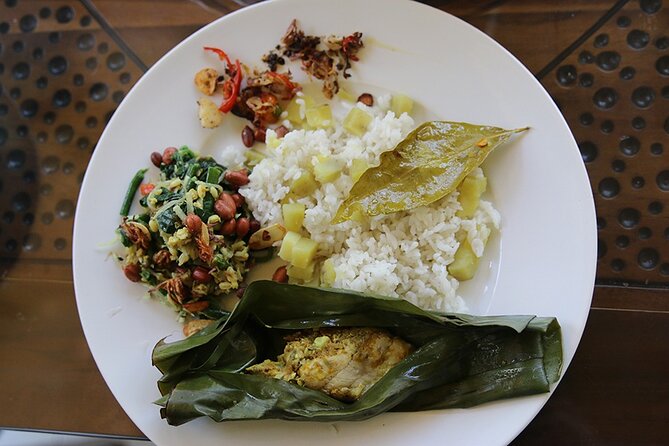
There is a good chance you will follow the typical set of dishes and ingredients described for the experience. Expect savory items like piquant chicken satay, fresh vegetable soup, stir-fried vegetables, steamed fish, and rice. Dessert usually comes later, and it often includes options like black sticky rice pudding with fresh coconut cream or fried banana with grated fresh coconut and palm sugar.
Menus can vary depending on the season. That is not a problem. It is usually a plus, because it keeps the ingredients aligned with what is actually fresh.
If you have dietary needs, plan to communicate them at booking. You can request a vegetarian option if you advise ahead of time. Allergies and restrictions should also be shared at the time of reservation so the host can plan accordingly.
What You Will Cook: Flavor Lessons, Not Just Recipes
The dishes described for this class cover a lot of Balinese flavor territory. You get practice with savory heat and spice, fresh herbal notes, and comforting staples like rice and soup.
Chicken satay is often the anchor for learning flavor balance, especially with the piquant, punchy style described in the menu. Vegetable dishes teach you how herbs and veg work together, not just as filler. Steamed fish and soup help you understand how gentler cooking can still deliver a strong flavor profile, especially when paired with the right seasonings.
Then you get dessert, and it is not an afterthought. Black sticky rice pudding with fresh coconut cream is one of those dishes that feels both simple and special. Fried banana with grated fresh coconut and palm sugar is another classic flavor combo, sweet and aromatic without needing fancy equipment.
The real value is that you see how ingredients transform. When you chop and cook the same herbs you found at the market, your brain connects the dots. That connection is what makes a cooking class worth doing, especially if you want to recreate dishes later.
The Meal After Cooking: Eat It While It Is Still Real
One reason cooking classes can feel slightly disappointing is that sometimes the meal is separate, like you are learning and then eating something else later. Here, you cook and then sit down to enjoy the fruits of your labor.
The home-cooked Balinese meal is part of the package, and alcoholic beverages are included. That is a simple detail, but it affects your comfort during the class. You are not scrambling for refreshments mid-session, and the meal feels like it completes the learning.
You will likely eat dishes you cooked together, such as satay, vegetable dishes, steamed fish, rice, and dessert. This is the moment where the class stops being educational and becomes genuinely enjoyable.
For me, the best part is that you get to focus on flavor without thinking about logistics. You do not need to hunt down a restaurant or decode menus. You already built the meal.
Price and Value for an Authentic Half-Day
At $80 per person for a 4-hour experience, the price can look steep at first glance. But it makes more sense when you break down what is included.
You get:
- a private market tour
- a cooking class with Kadek and Putu and family members
- a home-cooked Balinese meal
- alcoholic beverages
- pickup and drop-off to Ubud hotels
That combination is the value. You are paying for more than a recipe. You are paying for market time, ingredient explanation, transportation within Ubud, and full meal service afterward. If you were trying to recreate this on your own, you would spend money and time on transport, you might not get the same ingredient guidance, and the results would be a guess.
One more point: the experience is private, so the class is tailored to your group. That is often where the price becomes fair, because group-focused teaching can be more efficient than a large crowd class where you wait your turn.
Who This Class Suits Best
This is a great fit if you:
- want Balinese cooking knowledge you can use later
- like markets and want to understand ingredients in context
- prefer a hands-on lesson where you do the work
- want a warm, family-style experience in a private setting
It is also ideal if you are traveling with someone who enjoys learning, not just sightseeing. The day has a clear rhythm: market, cooking, then eating. It is easier to feel “in it” than classes that jump straight to cookware.
If you are not interested in cooking, this might feel like a full commitment. You should be ready to chop and cook, not just observe. The class is designed for participation, and that is the main point.
Tips to Make Your Day Smoother
A few practical things will help you have an easier time.
First, plan for a full 4-hour block. Wear comfortable clothes and closed-toe shoes. Cooking and market walks are not a sit-down activity.
Second, mention dietary needs and allergies during booking. The menu can vary by season, and the hosts need accurate info to plan vegetarian or restricted options.
Third, if you are curious about local growing, ask about the garden visit. Kadek can show how fruits and vegetables are grown at his home a few doors down. That extra context can make the market ingredients feel even more real.
Finally, bring a little appetite. The meal you eat after cooking is the point. If you arrive with a totally full stomach, you may miss the joy of tasting everything while it is fresh and connected to what you made.
Should You Book Gianyar Market and Cooking with Kadek and Putu?
I think you should book this if you want a cooking class that actually starts where flavor starts. The market visit is not filler. It is the foundation, and the way Putu and Kadek teach you makes it easier to recreate dishes later with more confidence.
It is also a good value because your transport within Ubud, the meal, and alcoholic beverages are included. And since it is private, you get a calmer experience than crowded classes.
Skip it or reconsider if you are staying outside Ubud and do not want extra transport costs, or if you do not want to participate in hands-on cooking. Also, because the menu can change with the season, treat it as a flexible tasting and skill-building day, not a guaranteed exact lineup every time.
If you want Balinese cooking with real ingredient context and a family-kitchen finish, this is a strong choice.
FAQ
How long is the Gianyar Market visit and cooking class?
The experience runs about 4 hours.
Is hotel pickup included?
Yes, pickup and drop-off to hotels in Ubud are included. If your hotel is outside Ubud, there may be an additional charge.
What food is included?
You’ll enjoy a home-cooked Balinese meal after cooking. The dishes mentioned include items like piquant chicken satay, fresh vegetable soup, stir-fried vegetables, steamed fish, rice, and dessert such as black sticky rice pudding with fresh coconut cream or fried banana with grated fresh coconut and palm sugar.
Can I request a vegetarian option or share dietary restrictions?
Yes. A vegetarian option is available if you advise at booking. If anyone in your group has allergies or dietary restrictions, you should share that information when reserving so the host can accommodate.
Is this a private experience?
Yes. It is private and personalized, and only your group participates.
Are service animals allowed?
Service animals are allowed.
If you want, tell me your hotel area in Ubud (or if you are staying outside it) and what dietary needs you have, and I’ll help you decide if the timing and setup match your plans.
More Tour Reviews in Ubud
- All-Inclusive Ubud Private Tour
★ 5.0 · 14,344 reviews - Best of Ubud Full-Day Tour with Jungle Swing
★ 5.0 · 8,571 reviews - Ubud: Monkey Forest, Jungle Swing, Rice Terrace, and Water Temple
★ 5.0 · 7,160 reviews - Best of Ubud 1-Day Private Tour
★ 5.0 · 4,451 reviews
Cook Another Balinese Lunch
- Ubud Cooking Class Bali with Balinese Chef
★ 5.0 · 1,609 reviews - PRIVATE Authentic Balinese Cooking Class in Ubud at Putu’s Home
★ 5.0 · 644 reviews - Balinese Ubud cooking school (9 Dish Cooking and Market Tour)
★ 5.0 · 540 reviews - Balinese Farm Cooking Class by Pemulan Bali
★ 5.0 · 410 reviews
Ubud, Three More Ways
- All-Inclusive Ubud Private Tour
★ 5.0 · 14,344 reviews - Best of Ubud Full-Day Tour with Jungle Swing
★ 5.0 · 8,571 reviews - Ubud: Monkey Forest, Jungle Swing, Rice Terrace, and Water Temple
★ 5.0 · 7,160 reviews - Best of Ubud 1-Day Private Tour
★ 5.0 · 4,451 reviews
Fresh on the Ubud pages




Ubud Day Trips from Kuta, compared.
 ★ 5.0All-Inclusive Ubud Private TourFrom $10014,344 reviews
 ★ 5.0Best of Ubud Full-Day Tour with Jungle SwingFrom $568,571 reviews
 ★ 5.0Ubud: Monkey Forest, Jungle Swing, Rice Terrace, and Water TempleFrom $317,160 reviews
 ★ 5.0Best of Ubud 1-Day Private TourFrom $544,451 reviews
 ★ 4.4Ubud Palace Legong Dance Show TicketFrom $63,979 reviews
 ★ 5.0Body Massage Experience in Ubud Traditional SpaFrom $213,506 reviews
 ★ 4.4Ubud Kecak and Fire Dance Show TicketsFrom $62,631 reviews
 ★ 5.0Ubud Cooking Class Bali with Balinese ChefFrom $351,609 reviews
More Kuta tours like this one