
Review · TOURS
coconut wine and coffee safary tour
Coffee and coconut tuak go hand in hand in Ubud. This private coffee and coconut wine safari combines a detailed coffee-tea tasting in lush nature with a second stop in the middle of rice fields, where you learn how Bali coconut wine is made straight from the source. With hotel pickup and drop-off, it’s designed to feel like a smooth afternoon outing rather than a scavenger hunt.
I like that the tour is built around real processes, not just sampling. Uma Pakel Agro Tourism focuses on hand-made coffee production, then turns that into an easy tasting session with coffees and teas in a jungle setting. I also really appreciate the second experience, where the coconut wine story includes harvesting the drink, taught by a local farmer who climbs for the tuak.
The main thing to consider is the rice-field walk at the second stop. The ground can be soft and waterlogged, so you’ll want decent balance and bug-spray instincts.
Key things that make this tour worth your afternoon
- Private guide time, so you can ask questions and move at a comfortable pace
- Hotel pickup and drop-off, which saves energy in Ubud
- Uma Pakel Agro Tourism’s hands-on coffee processing before you taste
- Rice-field setting at Bresela, with a coconut wine demonstration by a local farmer
- Short format for tight schedules, about 3 hours 30 minutes total
- Mobile ticket for a low-friction start
Other ways to spend a day out of Ubud:
- All-Inclusive Ubud Private Tour★ 5.0 · 14,344 reviews
- Best of Ubud Full-Day Tour with Jungle Swing★ 5.0 · 8,571 reviews
- Ubud: Monkey Forest, Jungle Swing, Rice Terrace, and Water Temple★ 5.0 · 7,160 reviews
- Best of Ubud 1-Day Private Tour★ 5.0 · 4,451 reviews
Why the timing (3:00 pm) works well for this safari
This tour starts at 3:00 pm, and that matters more than you’d think. In Bali, afternoons can feel much more manageable than peak midday hours, especially once you add walking and standing around outdoors. A late start also helps you avoid spending your morning in planning mode, then trying to fit tastings into the rest of your day.
You’re also not locked into a full day. The total duration is about 3 hours 30 minutes, with two clear stages. Stop 1 is the longer set-piece coffee experience, and Stop 2 is a shorter rice-field hangout centered on coconut wine. That structure keeps the tour from dragging, even if you’re already doing other Ubud activities.
One more practical point: because it’s private, your schedule is easier to manage. If you need a slow moment, a bathroom break, or time to ask a guide about what you’re tasting, it’s simpler than a bus-style group tour.
Private guide + hotel pickup: fewer headaches, more tasting
The big “value” move here is the combination of private guiding and hotel pickup and drop-off. In Ubud, finding the right meeting point can be its own mini-project, and traffic can turn “short” tours into long ones. Pickup removes that guesswork.
Private guiding also changes the vibe of tastings. At coffee places, you can usually taste first and understand later, or learn first and taste with a purpose. Here, the guide is there to connect the dots: what makes coffee expensive, why processing methods matter, and how coconut wine comes from a living system, not a factory shelf.
Guides you might meet include people like Oka, Wayan, or Keris. The common thread from their approach is clear, friendly explanations and a focus on local culture, not just product marketing. You’re not just handed a cup and sent on your way.
Finally, this is a private tour/activity, meaning only your group participates. That’s especially nice if you’re traveling as a couple, want quiet conversation, or simply don’t want to time your questions around strangers.
Stop 1: Uma Pakel Agro Tourism coffee processing in the jungle
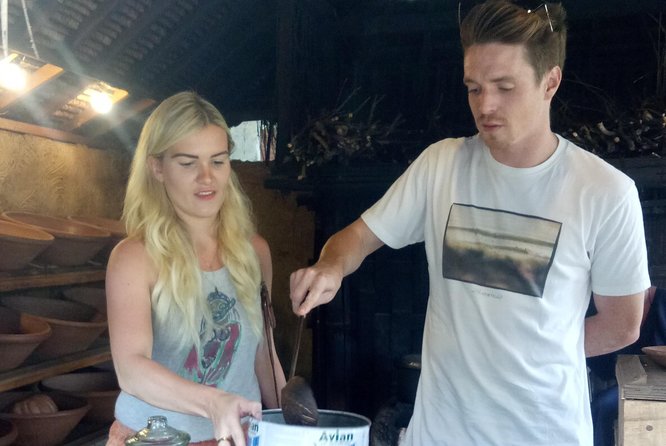
Your first main stop is Uma Pakel Agro Tourism, where you spend about 2 hours. This part is all about how coffee and tea are made, and it’s set up to feel traditional and manual. The focus is on the processing steps for coffee that’s known for being among the world’s most expensive varieties, done by hand in a traditional way.
What I love about this format is that you’re not guessing. You’re shown the chain of work that turns a plant into the coffee cup. Even if you’re not a coffee nerd, the guide can make the process feel logical: what happens first, what happens next, and why particular methods create different flavors.
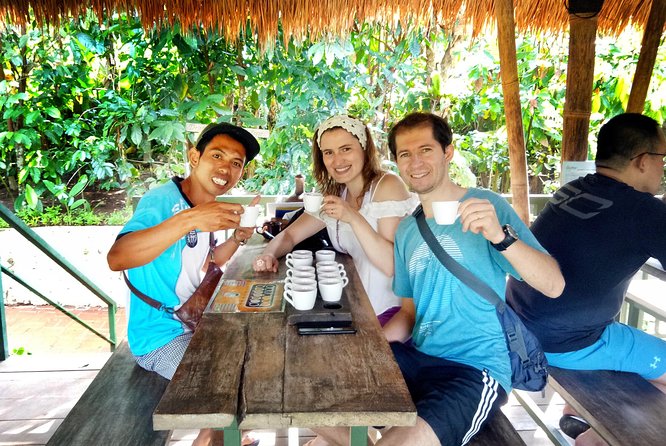
After the process viewing, the tour moves into tasting. You get to sample coffees and teas in the surrounding lush nature. One detail that stands out from past experiences is that the coffee tasting at the plantation can start with around three free coffee samples, with the option to buy more if you want to take home a favorite. That’s a good “trial then decide” system.
Practical tip: bring a light layer if you get chilly in shaded areas, and be ready for the smell of coffee and plant materials, it’s intense in a good way. Also, take your time before you start drinking, because the guided explanation helps you taste more thoughtfully after you hear what you’re tasting.
What you’ll actually taste at the coffee stop
This tour isn’t described as a single-shot tasting. You’re tasting multiple coffees and teas, then getting time to compare flavors. That matters because coffee tasting can turn confusing fast if you’re just handed cups without context.
At Uma Pakel, the guide’s explanations help you notice differences that you might otherwise miss, like how the preparation process affects aroma and strength. Even if you don’t remember every term, you’ll still pick up the general idea: processing changes the final character in your cup.
If you’re trying to make a buying decision, this stop gives you the right moments. You can taste, learn, then decide whether to purchase more. It’s the opposite of impulse buying after a single “nice smell” moment.
One more thing: this is also an intro for people who don’t usually drink coffee. The teas help broaden the experience, and they keep the afternoon from feeling like one long caffeine push.
Other Ubud days people book alongside this one
Stop 2: Bresela rice fields and the coconut wine tuak lesson
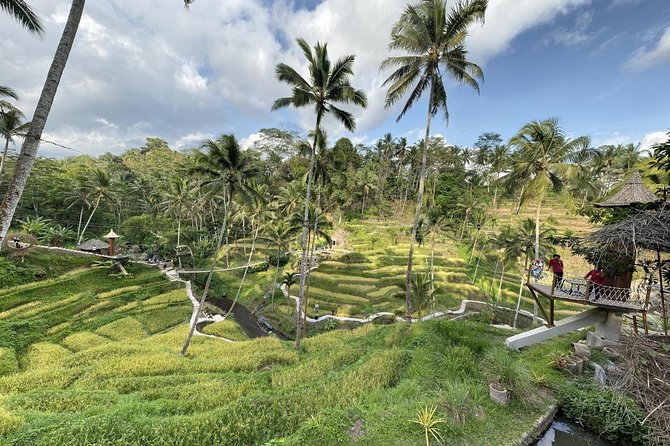
Next you head to Bresela, a local bar set in the middle of rice fields. This stop lasts about 1 hour and is described as free admission.
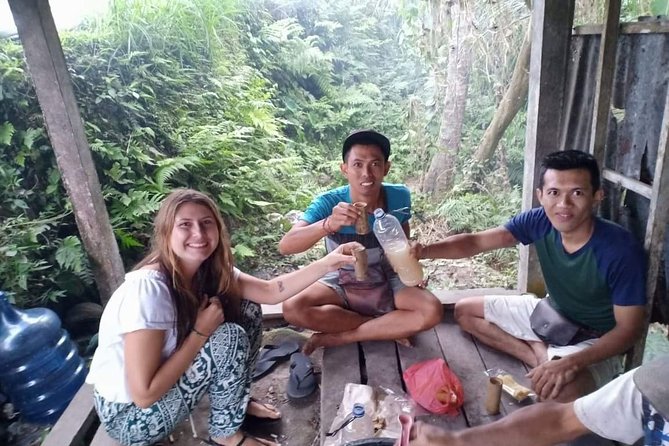
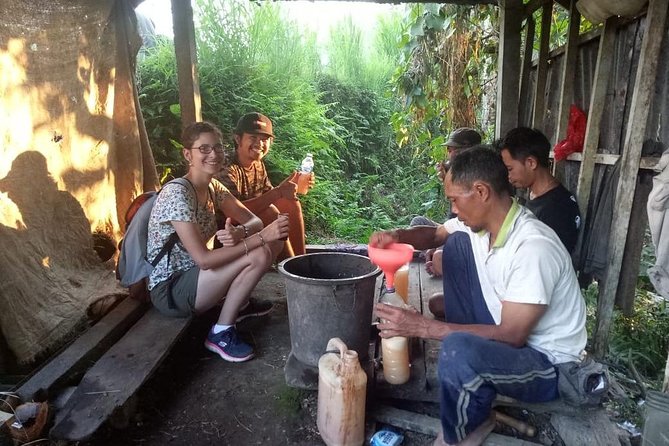
The main event is Bali coconut wine, often referred to as tuak. Here, the coconut wine story includes a live demonstration connected to how the drink is collected from the coconut tree. A local farmer takes part, and the key point is that you’re not learning from a poster. You’re seeing how the process works, with the person who does it explaining it as they go.
Then you share time in the rice-field setting with a local community vibe. The goal is not just “taste the alcohol,” it’s to understand how the drink fits into daily rural life around rice farming.
If you’re doing this tour in the afternoon, this stop also gives you a breather from denser tourist areas. Rice fields are open, the air can feel calmer, and you’re walking and standing where locals work.
The rice-field walk: plan for soft ground and bugs
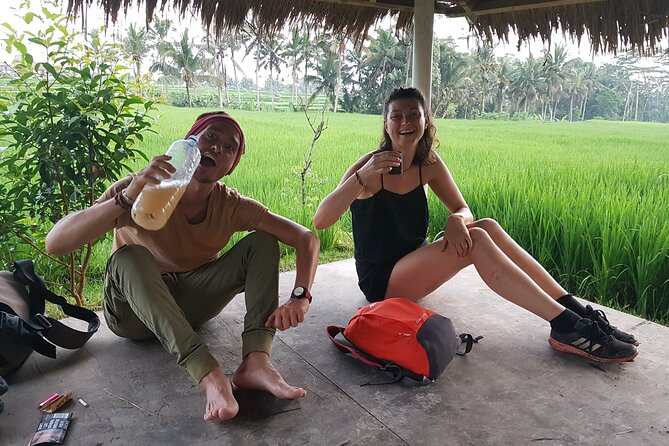
This is the part where you should be honest with your body. The second stop includes a trek into the middle of the rice terrace and fields. One practical note from experiences like this is that the ground can be soft and waterlogged. That means your shoes matter, and your balance matters.
Wear closed-toe shoes you can trust. Sandals might be tempting, but soft muddy terrain is a bad match. If you’re prone to slipping, consider bringing shoes with good grip and socks you’re okay getting a bit dusty.
Also plan for insects. Past experiences with a similar rice-field component include the advice to bring strong bug spray. Even if you think you’ll be fine, bring it anyway. Insects in this setting are part of the experience, and it’s easier to prevent bites than to treat them after.
How the tasting experience feels, from start to finish

This tour flows like two different moods. Stop 1 is structured and informative, with a bigger focus on processing, methods, and guided tasting in nature. Stop 2 shifts to a smaller, more local atmosphere, centered on coconut wine making and a calm walk through a working rice farming area.
Because it’s private, you’re not stuck rushing through either stage. If you’re the type who likes to ask questions, you’ll get room to do it. If you’re the type who just wants to enjoy the taste, you’ll still learn enough to make the samples feel connected, not random.
A fun detail is how the tour mixes familiar and unfamiliar flavors. Coffee and tea are known quantities for most people. Coconut wine is more specific, and that novelty is exactly why the second stop feels memorable.
If you’re not a big alcohol drinker, you’ll still get the cultural angle through the demonstration and the rice-field setting. You might find you enjoy the process storytelling even if you take smaller sips.
Value check: is $69 fair for what you get?
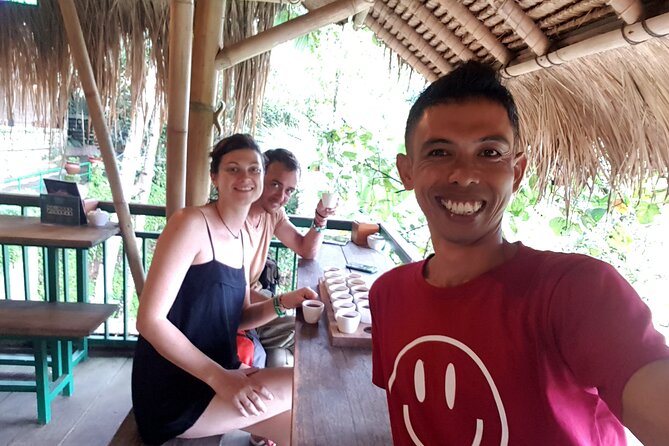
For $69, you’re paying for a short, private experience that includes a lot of the “extras” people usually pay separately for in Ubud.
Here’s what’s baked in:
- Hotel pickup and drop-off, which saves time and transport hassle
- Private guide attention, meaning your group gets the full time focus
- Admission ticket included at Stop 1 (Uma Pakel)
- Plenty of tasting time for coffees and teas, plus coconut wine experience at Stop 2
In practical terms, $69 for 3.5 hours becomes reasonable when you remember you’re not just buying samples. You’re buying access to the processing steps at a specific agro tourism site and a second location focused on a local drink tied to farming life. The structure also helps: two stops, clear time blocks, less wandering.
Would I call it a luxury indulgence? Not exactly. It’s more like a thoughtfully planned afternoon where your guide handles the logistics, and you spend your energy tasting and asking questions.
Who should book this coffee and coconut wine safari
This tour is a great fit if:
- You want a short Ubud nature outing that doesn’t steal a full day
- You like coffee or tea and want to understand processing rather than just taste
- You’re curious about coconut wine and want the story from a local farmer
- You prefer private guiding over group logistics
It’s also a good choice for couples. The rice-field setting gives it a peaceful, scenic feel, and the private format keeps the conversation easy.
Consider another option if:
- You have trouble with uneven, soft, or muddy ground
- You’re sensitive to outdoor insects
- You want a purely seated experience with no walking component
Quick practical checklist before you go
- Wear closed-toe, grippy shoes for the rice-field trek
- Pack insect repellent
- Bring a small water bottle if you tend to get thirsty on walks
- If you like coffee, be ready to compare flavors, then decide if you want to purchase
- Plan for this to be an afternoon that stays outdoors, not an indoor museum hour
Should you book this tour?
Yes, I’d book it if you want a genuine Ubud afternoon that mixes tasting with context. The standout strength is that you’re not only sampling. You’re seeing the process side of both coffee and coconut wine, then tasting with your guide’s help.
I’d only hesitate if you know you’ll struggle with soft, waterlogged ground at the rice fields. If that’s you, choose footwear carefully or look for an itinerary with less walking. If you can handle that, this is the kind of experience that turns a simple tasting trip into a story you remember.
FAQ
Where does the tour take place?
It takes place in Ubud, Indonesia.
What time does the tour start?
The start time is 3:00 pm.
How long is the experience?
The duration is about 3 hours 30 minutes.
Does the tour include hotel pickup and drop-off?
Yes, hotel pickup and drop-off are included, so you do not need to find a meeting point.
Is this tour private?
Yes. It is a private tour/activity, and only your group participates.
What are the two stops?
Stop 1 is Uma Pakel Agro Tourism for about 2 hours. Stop 2 is Bresela for about 1 hour.
Are admission tickets included?
At Stop 1, the admission ticket is included. At Stop 2, admission ticket is free.
Do I need a printed ticket?
No. The tour uses a mobile ticket.
Is it suitable for most people?
The information says most travelers can participate, but there is walking involved, including a trek into rice fields, where the ground can be soft.
What if the weather is poor?
The experience requires good weather. If it is canceled due to poor weather, you will be offered a different date or a full refund.
More Tours in Ubud
- All-Inclusive Ubud Private Tour
★ 5.0 · 14,344 reviews - Best of Ubud Full-Day Tour with Jungle Swing
★ 5.0 · 8,571 reviews - Best of Ubud 1-Day Private Tour
★ 5.0 · 4,451 reviews - Tanah Lot and North Bali Tour: Scenic Journey
★ 5.0 · 3,620 reviews
More Tour Reviews in Ubud
- All-Inclusive Ubud Private Tour
★ 5.0 · 14,344 reviews - Best of Ubud Full-Day Tour with Jungle Swing
★ 5.0 · 8,571 reviews - Ubud: Monkey Forest, Jungle Swing, Rice Terrace, and Water Temple
★ 5.0 · 7,160 reviews - Best of Ubud 1-Day Private Tour
★ 5.0 · 4,451 reviews
Fresh on the Ubud pages



Tours, compared.
 ★ 5.0All-Inclusive Ubud Private TourFrom $10014,344 reviews
 ★ 5.0Best of Ubud Full-Day Tour with Jungle SwingFrom $568,571 reviews
 ★ 5.0️Nusa Penida by Private Boat – Snorkeling 4 spots, Swim with Mantas + Land TourFrom $1006,424 reviews
 ★ 5.0Best of Ubud 1-Day Private TourFrom $544,451 reviews
 ★ 5.0Tanah Lot and North Bali Tour: Scenic JourneyFrom $1003,620 reviews
Bali Snorkeling Tour at Blue Lagoon Beach – All-InclusiveFrom $402,928 reviews
★ 5.0Tanah Lot and North Bali Tour: Scenic JourneyFrom $1003,620 reviews
Bali Snorkeling Tour at Blue Lagoon Beach – All-InclusiveFrom $402,928 reviews
 ★ 5.0️ Bali Instagram Tour: The Most Famous Spots (Private & All-Inclusive)From $1142,857 reviews
 ★ 5.0Full-Day Tour to Water Temples and UNESCO Rice Terraces in BaliFrom $392,539 reviews