
Review · UBUD DAY TRIPS FROM KUTA
Authentic Balinese Cooking Class in Ubud
A cooking class in Ubud can be more than food. This one mixes Balinese home life, a farm spice hunt, and hands-on cooking with real local ingredients. You also get practical skills, like pounding spices the traditional way and wrapping food in banana leaves.
What I like most is the setup. The day runs in a small group (max 15), so you are not shouting over a crowd, and your chef can actually help. I also love that you can choose a departure time, so you can fit this into your day, and the morning option adds a lively traditional market stop.
One thing to consider is timing and weather. It requires good weather, and the exact flow can shift a bit depending on what is happening at the house or farm that day.
Key Highlights Worth Your Attention
- Small-group size (up to 15) so you get real attention while cooking
- Morning departures add a traditional market plus spice shopping
- Farm harvest before cooking so your ingredients feel fresh and earned
- Traditional techniques like using a lesung (mortar and pestle)
- Menu choices include vegetarian options you pick with your chef
- Recipe PDF provided, which makes this more than a one-day souvenir
Other ways to do the Ubud run from Ubud
- All-Inclusive Ubud Private Tour★ 5.0 · 14,344 reviews
- Best of Ubud Full-Day Tour with Jungle Swing★ 5.0 · 8,571 reviews
- Ubud: Monkey Forest, Jungle Swing, Rice Terrace, and Water Temple★ 5.0 · 7,160 reviews
- Best of Ubud 1-Day Private Tour★ 5.0 · 4,451 reviews
A Countryside Cooking Day on West Ubud’s Edge
This class is based on the west side of Ubud, in a greener, countryside-feeling area rather than a crowded street setup. When the transport drops you off, you immediately get the sense that this is built around cooking and local life, not just a demo for tourists.
From a practical point of view, the timing matters. It runs about 5 hours, and you can choose departure times, which is great if you are trying to avoid the worst of Ubud traffic or you want to pair this with other plans. Plus, the group size is capped at 15, so it feels like a small workshop.
You get door-to-door convenience for the Ubud area with pickup and drop-off, and you travel in an air-conditioned vehicle. That detail sounds minor, but in Bali heat, it makes the whole morning or afternoon feel more comfortable.
Pickup, Transfers, and Price: What You Are Actually Paying For
The price is $49 per person, and the booking timeline suggests this fills up, on average about 21 days in advance. With a 15-person max, you are not competing with a huge tour machine, and that usually improves both the food and the teaching.
The included stuff helps your value picture. You get lunch, bottled water, coffee and/or tea, cooking utensils, and an apron. You also get a recipe (PDF), which means you can recreate at least part of what you make at home. Add the pickup and drop-off within Ubud, and you are not paying extra for basic logistics in the area.
If you are staying outside central Ubud, be aware of the extra car fees by zone. Sanur adds 400k IDR per car, Kuta/Seminyak/Canggu adds 450k, Nusa Dua and Jimbaran add 550k, and Uluwatu adds 700k. These prices are per car, so if you are traveling as a group, the “per person” cost can drop quickly.
Also, the tour is powered by a real operator, Bali Natural Tours, and you get a mobile ticket. That keeps it straightforward when you are juggling multiple activities.
Market Energy in the Morning: Spices, Snacks, and Local Rhythm
If you book the morning class, the first major stop is a traditional market tour. This is where the experience becomes more than cooking skills, because you learn where the ingredients come from and how locals shop.
You will visit the market, then buy spices from the local vendors during that time. That matters because Balinese cooking leans hard on spice paste flavors, and most people only know the final dish back home. In the market, you start understanding the “why” behind the taste.
You also get a sensory lesson in timing. Markets are active, noisy, and fast-moving. Your best move is to slow your pace just a bit, ask questions, and take photos without blocking people. If you want souvenirs, this is a smart window to pick them up while you are already there.
One small trade-off: morning starts can mean you are hungry earlier than expected. Wear something light, bring sunscreen, and plan to hydrate, since the cooking day will take you through heat after the market.
A Typical Balinese Home Visit, and Why It Feels Different
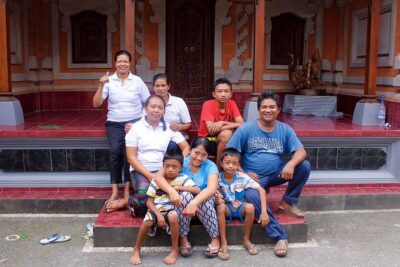
After the market (morning only), the day shifts into culture through a visit to a local home. The goal here is not a scripted “look but do not touch” stop. You will see and learn about Balinese cultural life, how the building is placed, and the everyday rhythms of a Balinese household.
One of the most memorable moments from a recent guest involved an actual ceremony happening during the visit. The family was hosting a one-month birthday for their baby, based on the Balinese calendar. That kind of detail is not guaranteed, but it shows you what this home visit can feel like when real life is in progress.
This part also explains why food matters so much in Bali. In Balinese life, cooking is often tied to offerings, gatherings, and family routines. Seeing the home setup helps you understand that meals are not just meals.
As for what to do: stay respectful, keep your questions simple, and follow the lead of your host. A lot of the value here is the nonverbal part, watching how people move through daily rituals.
More kitchens that start at the market
The Farm Harvest: Getting Your Hands on the Real Ingredients
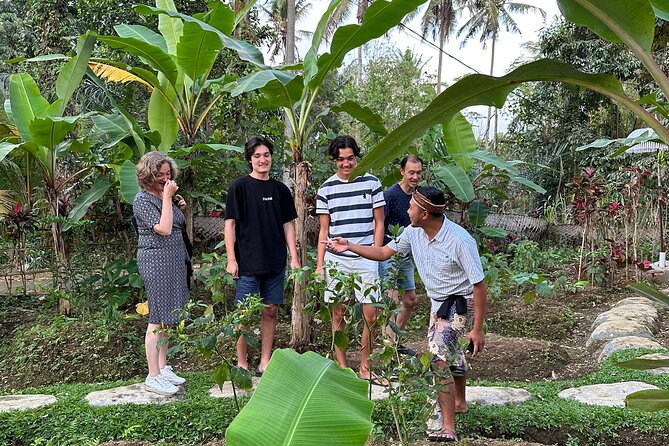
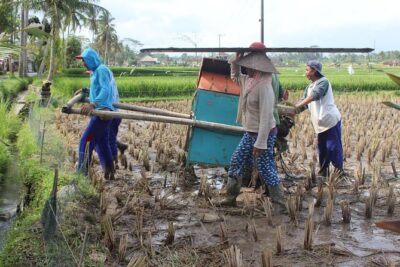
Next, you head to the farm for the cooking portion, and this is where the day locks in. Before you start cooking, you explore the farm and harvest the spices used during your menu.
That harvest step is a clever way to make the class feel honest. When you pull ingredients fresh yourself, you pay attention to aroma and texture. Later, when you grind and cook, you can actually taste the difference between “fresh” and “restaurant” flavors.
You will then decide on your menu. There are regular options and vegetarian options, and you choose during the class. That choice matters, because Balinese menus often build around specific ingredients, and having a vegetarian path means the chef can adjust flavors without turning it into a bland version.
The farm setting also gives you a nice photo break without making it feel staged. Keep in mind you are working near nature and plants, so think practical: closed-toe shoes help, and long hair should be tied back.
Cooking Like Bali: Lesung Grinding, Banana Leaf Wrapping, and Spice Pastes
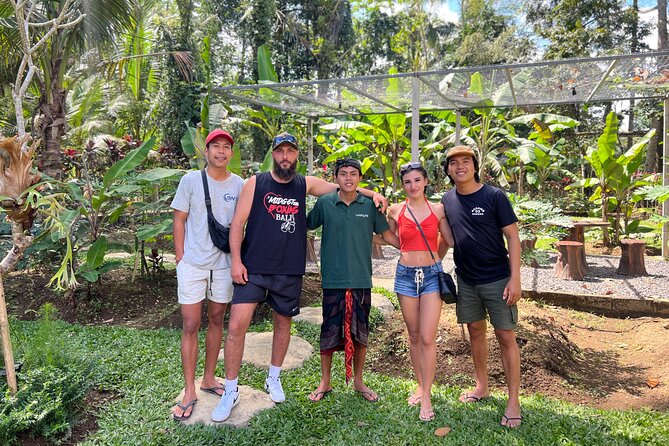
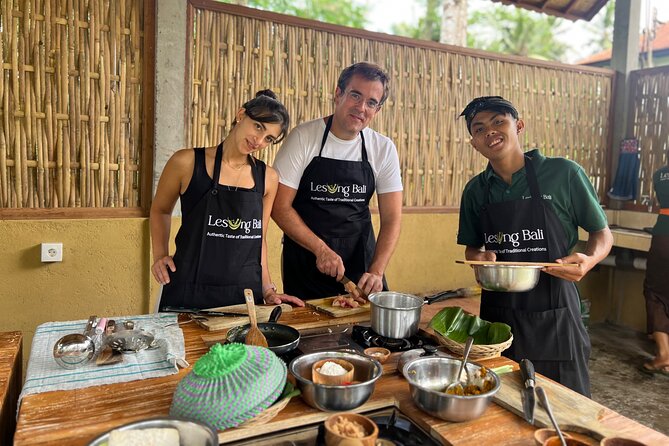
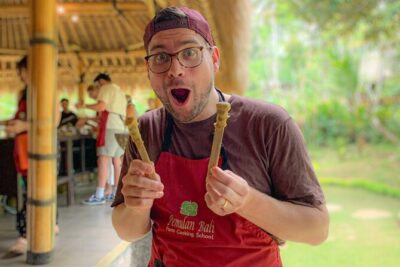
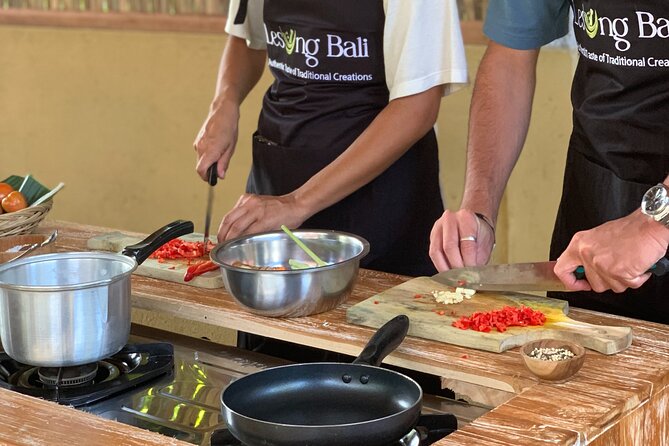
Here is the heart of the class: you cook authentic Balinese dishes with fresh ingredients. Your chef shows you how to use Balinese techniques, including chopping and pounding spices with a lesung (mortar and pestle). If you have only used a blender at home, this will feel physical and slow in the best way.
One technique you learn involves creating spice pastes. That paste becomes the flavor engine for many dishes, so your attention here pays off later in the finished meal. You also learn about banana leaf cooking, where food is prepared in banana leaves, which adds aroma as it cooks.
Your chef explains how to cook for the menu you chose, including what ingredients you will use and what else you need to cook. The teaching is meant to be practical, not mysterious. You are not just watching, you are participating.
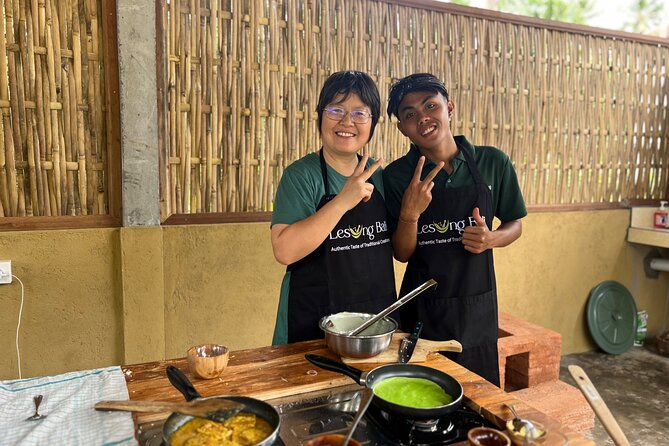
A bright detail from the experience is the teaching style. One guest specifically named the instructor Putri as a delight, and that lines up with the overall feel: clear guidance, friendly energy, and a willingness to answer questions.
Also, since the group is small, you get a realistic chance to try steps yourself, from pounding to seasoning to assembling. That is the difference between a cooking class and a cooking show.
Lunch, Coffee, and Taking the Flavors Home
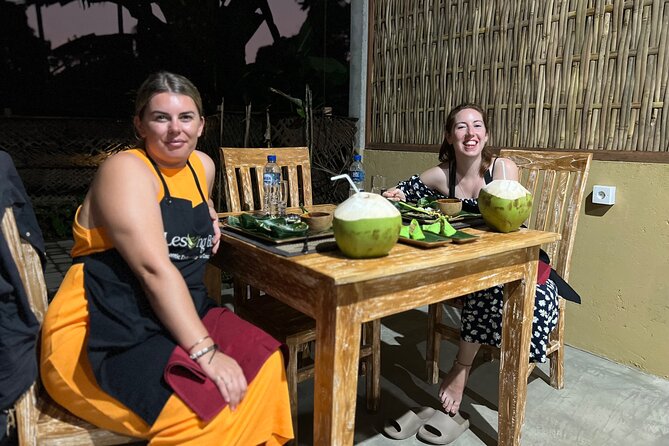
Once your dishes are ready, you eat. Lunch is included, and you also get bottled water, plus coffee and/or tea. That matters because it removes decision fatigue. After four to five hours of work, you are not hunting for food or guessing what you will eat.
The best part of this meal is that you know what went into it. You are tasting spice paste flavors you just made, plus any banana leaf aroma you helped create. It is the kind of meal that makes you want to recreate your own version later.
You also get a recipe PDF. This is huge if you are the type who forgets details the moment you step back into real life. Use it to write notes while the flavors are fresh in your memory, then make the dish again at home when you can find the spices.
If you want a practical souvenir, this is more useful than a magnet. Bring home a printed shopping list from the recipe PDF and you can keep the experience alive.
Price and Logistics by Zone: Avoiding Surprise Costs
For most people staying in Ubud, this is pretty straightforward. Pickup and drop-off are included for the Ubud area, and you get the full class experience with lunch, drinks, utensils, and a recipe.
If you are in nearby areas, check your hotel location because the extra car fee depends on zone. Sanur, Kuta/Seminyak/Canggu, Nusa Dua and Jimbaran, and Uluwatu each have their own per-car rates. If you are traveling with friends or family, splitting the car cost can make this a very good value.
Another logistics point to consider is duration. At about 5 hours, it is not an all-day commitment, but you also should not stack it too tightly with another faraway tour. Ubud traffic can be slow, and you will want time to cool down after cooking.
Finally, the class runs as a group experience with a maximum of 15 travelers. That small size is part of the value you are paying for. If you hate group settings, you will still feel comfortable here because the teaching focus stays personal.
Weather and Timing: How to Fit It Into Your Bali Plan
This experience requires good weather. If conditions are poor, you will be offered a different date or a full refund. That kind of safety net is helpful, because farm visits and outdoor spice harvesting do not work the same when it rains hard.
For planning, pick your departure time based on your energy level. The morning class is more active because it includes the market, so it fits well if you like early starts and you want a fuller cultural day. An afternoon option can feel calmer, but you will miss the market spice shopping part.
Also, plan to be mentally present. This is not a “sit back and taste” outing. You will chop, pound, and assemble. If you go in expecting to do nothing but watch, you will feel disappointed. If you go in curious and ready to get a little messy, you will probably have one of the best food memories from Ubud.
One extra planning tip: if you want extra stops or specific adjustments, ask your driver early. A recent guest described an amazing driver who answered culture questions and even made a stop at their request. So the day may be flexible when it comes to small needs.
Who This Cooking Class Is Best For
This Balinese cooking class is a great match for you if you want food plus culture, and you like hands-on activities. It is especially good if you care about ingredient stories, spice pastes, and traditional methods like lesung pounding.
Families can fit in well too, because the group stays small and the instruction format is more interactive than lecture-style. A couple and a family member also enjoyed the experience together, and the overall tone sounded welcoming.
If you are a strict foodie who wants restaurant-style polish only, you might find this a bit more rustic. But if you are after authentic cooking with real technique, fresh ingredients, and a cultural context, this hits the mark.
Should You Book This Ubud Balinese Cooking Class?
I would book it if you want more than a meal. The best reason is the combination: market (in the morning), home visit, farm harvest, and then actual cooking lessons with traditional tools. At $49, the value improves because lunch and drinks are included, and you get a recipe PDF to reuse later.
Skip it or think twice if you dislike hands-on cooking, you hate small group settings, or you are planning to run a tight schedule with no buffer for weather. Also, if you already know you want a cooking class only for specific dishes, confirm that your menu choice matches your expectations during the class.
If your goal is a memorable, practical Balinese cooking experience in Ubud, this one is a strong pick.
FAQ
How long is the Balinese cooking class in Ubud?
The experience runs for about 5 hours.
Where does the class take place?
The class is located on the west side of Ubud, in an area with green surroundings and a countryside atmosphere.
What is the price per person?
The price is $49.00 per person.
Is pickup and drop-off included?
Yes. Pickup and drop-off are included for the Ubud area.
Are there extra fees for pickup outside Ubud?
Yes. There are extra per-car fees for Sanur (400k IDR), Kuta/Seminyak/Canggu (450k IDR), Nusa Dua and Jimbaran (550k IDR), and Uluwatu (700k IDR).
Does the class include lunch and drinks?
Yes. Lunch is included, along with bottled water and coffee and/or tea.
Is there a market visit?
Yes, but it is only included with the morning class. You visit a traditional market and buy spices.
How many people are in the group?
The class has a maximum of 15 travelers.
Do you get a recipe after the cooking class?
Yes. You receive a recipe in PDF format.
What happens if the weather is bad?
The experience requires good weather. If it is canceled due to poor weather, you will be offered a different date or a full refund.
More Tour Reviews in Ubud
- All-Inclusive Ubud Private Tour
★ 5.0 · 14,344 reviews - Best of Ubud Full-Day Tour with Jungle Swing
★ 5.0 · 8,571 reviews - Ubud: Monkey Forest, Jungle Swing, Rice Terrace, and Water Temple
★ 5.0 · 7,160 reviews - Best of Ubud 1-Day Private Tour
★ 5.0 · 4,451 reviews
Cook Another Balinese Lunch
- Ubud Cooking Class Bali with Balinese Chef
★ 5.0 · 1,609 reviews - PRIVATE Authentic Balinese Cooking Class in Ubud at Putu’s Home
★ 5.0 · 644 reviews - Balinese Ubud cooking school (9 Dish Cooking and Market Tour)
★ 5.0 · 540 reviews - Balinese Farm Cooking Class by Pemulan Bali
★ 5.0 · 410 reviews
Ubud, Three More Ways
- All-Inclusive Ubud Private Tour
★ 5.0 · 14,344 reviews - Best of Ubud Full-Day Tour with Jungle Swing
★ 5.0 · 8,571 reviews - Ubud: Monkey Forest, Jungle Swing, Rice Terrace, and Water Temple
★ 5.0 · 7,160 reviews - Best of Ubud 1-Day Private Tour
★ 5.0 · 4,451 reviews
Fresh on the Ubud pages




Ubud Day Trips from Kuta, compared.
 ★ 5.0All-Inclusive Ubud Private TourFrom $10014,344 reviews
 ★ 5.0Best of Ubud Full-Day Tour with Jungle SwingFrom $568,571 reviews
 ★ 5.0Ubud: Monkey Forest, Jungle Swing, Rice Terrace, and Water TempleFrom $317,160 reviews
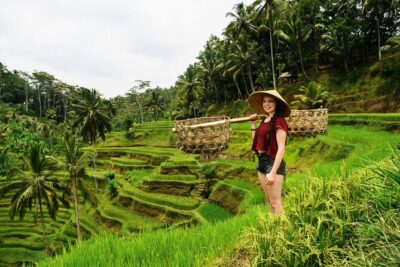 ★ 5.0Best of Ubud 1-Day Private TourFrom $544,451 reviews
 ★ 4.4Ubud Palace Legong Dance Show TicketFrom $63,979 reviews
 ★ 5.0Body Massage Experience in Ubud Traditional SpaFrom $213,506 reviews
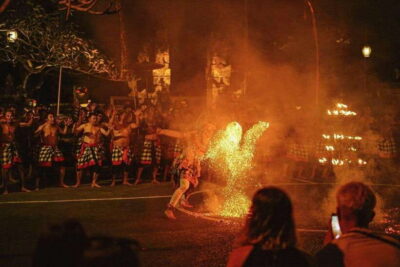 ★ 4.4Ubud Kecak and Fire Dance Show TicketsFrom $62,631 reviews
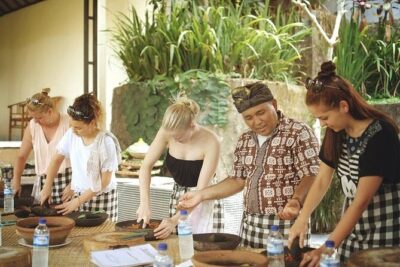 ★ 5.0Ubud Cooking Class Bali with Balinese ChefFrom $351,609 reviews
More Kuta tours like this one