
Review · EVENING EXPERIENCES
An Evening of Bali Traditional Dance
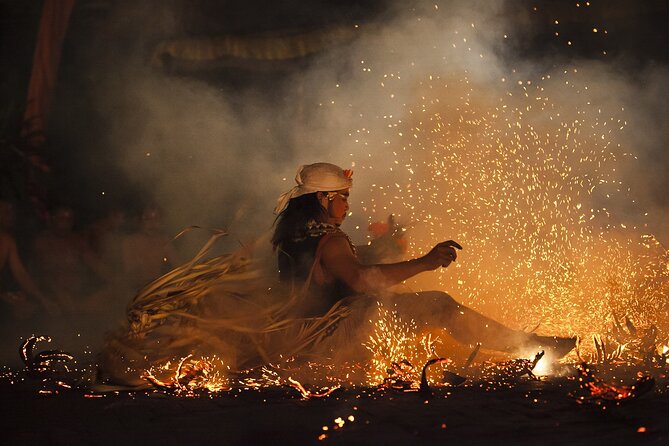
Three dances, one electric Bali evening. This show brings Kecak, Fire Dance, and Sanghyang together in an outdoor amphitheater setting in Batubulan, with a guide to help you follow what you’re seeing. I like that it’s story-driven, not just pageantry, so the Prince Rama thread in the Kecak makes more sense once you know where it’s going.
I also love the practical setup: hotel pickup and drop-off, an air-conditioned vehicle, and an English-speaking licensed guide. That means you spend your energy watching dancers, not negotiating rides in Kuta traffic.
One drawback to plan for is timing. From Kuta, the drive can run long with heavy traffic, and some schedules feel early, which can add waiting time before the show.
Key takeaways before you go
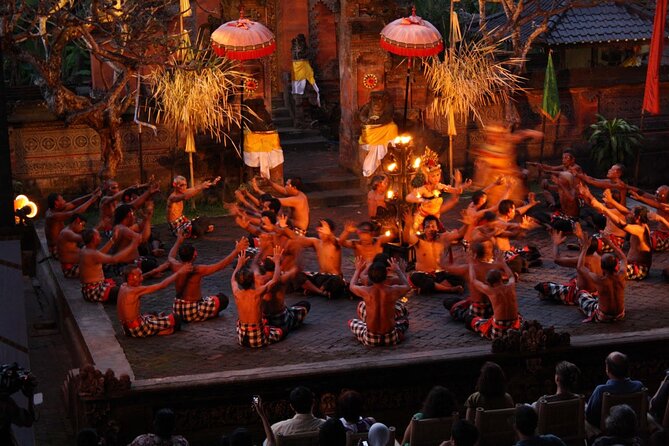
- Kecak features about 50 men using bamboo torches to carry the Prince Rama story
- Fire Dance includes performers stepping over hot coals, which looks intense but is part of the tradition
- Sanghyang is trance-based movement tied to exorcism roots
- Small group size maxes at 15, so the experience feels less like a cattle call
- No food or drinks are included, so you’ll want a snack plan before you get picked up
- Outdoor seating at dusk can mean mosquitoes, so bring repellent if you’re sensitive
Other things to do once it is dark
- Kecak Fire Dance and Sunset at Uluwatu Temple All Inclusive★ 4.5 · 86 reviews
- Uluwatu Sunset,Kecak Dance and Diner Seafood In Jimbaran★ 5.0 · 56 reviews
- Half-Day Private Tanah Lot Sunset Tour★ 5.0 · 45 reviews
- Snorkeling In Nusa Penida And Uluwatu Sunset Tours★ 4.5 · 35 reviews
Why this Kuta-to-Batubulan dance night works
If you want one solid evening that checks off multiple sides of Balinese performing arts, this format is a good bet. You’re not hopping between places all night. You go from your hotel to Batubulan, settle into an amphitheater, and watch three distinct dances that each use movement, rhythm, and belief in a different way.
The venue matters too. This is described as a rustic amphitheater in a village setting, and that style of staging changes how you feel about the show. It’s closer to a community performance vibe than a polished theater production, with the audience react-at-the-moment energy you get when the stage is open-air and the sky is fading.
And you get guidance. With a licensed English-speaking guide, you’re more likely to catch the meaning behind the choreography, especially for the Kecak and the trance-based Sanghyang dance. In a few real-world accounts, guides like Darta used the waiting time intelligently and explained local temples and ceremonies along the way, which makes the whole night feel connected to daily Balinese life, not isolated entertainment.
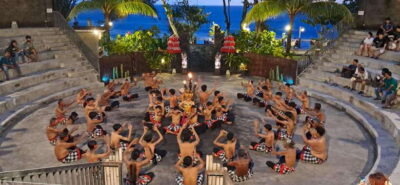
Kecak Monkey Dance: 50 torch-holders and the Rama story
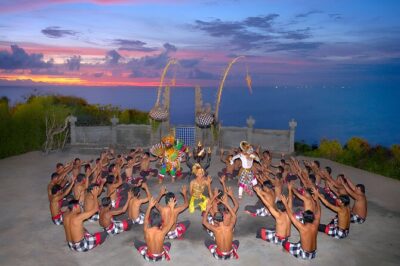
The Kecak is the “how did they do that” dance. It’s built around a choir-like circle of performers who chant in unison while brandishing blazing bamboo torches. The effect is dramatic and hypnotic, even if you only catch parts of the rhythm at first.
What makes it more than a visual show is the story thread. This performance follows the narrative of Prince Rama and his courageous rescue of a kidnapped princess. When you hear that context ahead of time, the Kecak’s momentum feels purposeful instead of random noise and motion.
Look closely at the staging during the chanting sections. The torch movement plus synchronized vocal rhythm creates a strong sense of escalation. You’ll feel the build more than you’ll understand every line of the narrative, and that’s still a win. In a few accounts, people also stressed that you should read the program pamphlet while you’re waiting, because the show can move without a full spoken explanation in every moment.
Fire Dance: the moment your brain says no, your eyes say wow
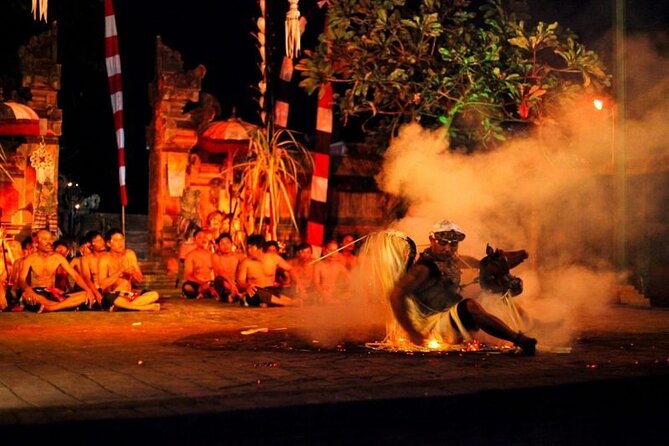
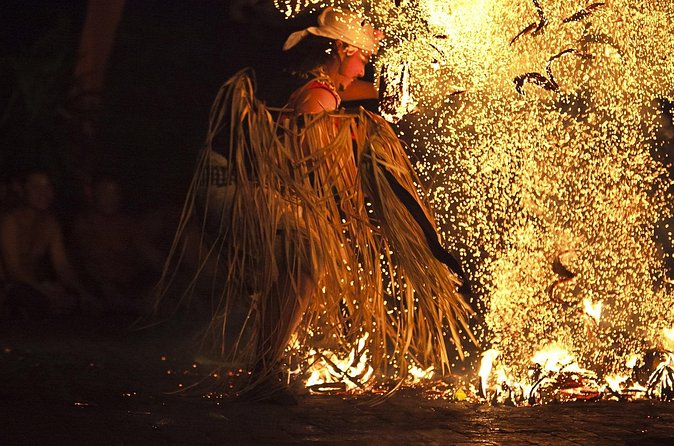
The Fire Dance is the part most people remember the next day, mostly because it looks risky. Performers step over smoldering coals, and the whole segment is designed around the idea of trance-like control and spiritual tradition. It’s not a stunt show in the modern theme-park sense, and it’s not meant to be funny or casual.
So what should you watch for? First, watch the rhythm and how the dancers move around the coals. That matters because the choreography creates timing cues that make the moment feel controlled. Second, notice the audience reaction. The fire visuals pull people forward, and the intensity can feel higher if you’re close to the coals.
A practical note: some parts of the Fire Dance may feel shorter than you expect, depending on timing and how the night runs. One person even said the show duration felt briefer than advertised. That doesn’t automatically mean the Fire Dance is weak. It might mean the pacing feels tight. Either way, keep expectations realistic: you’re buying an evening program with three dances, and the pacing is designed to fit inside a set total tour window.
If you’re worried about the fear factor, it’s normal to feel that way. Even experienced dancers can look intense when there’s live fire, open-air staging, and dusk lighting.
Sanghyang trance dance: exorcism roots and controlled chaos
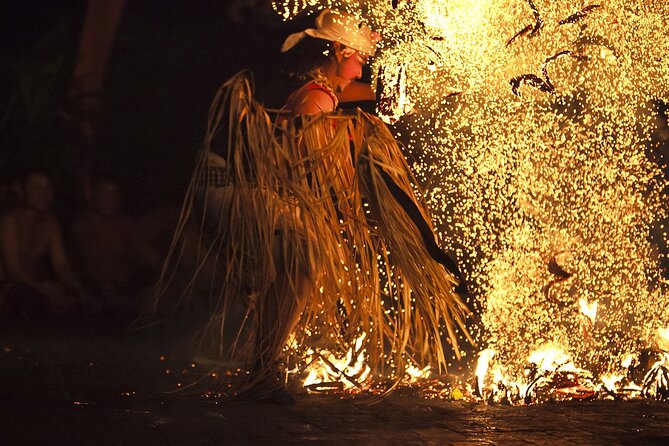
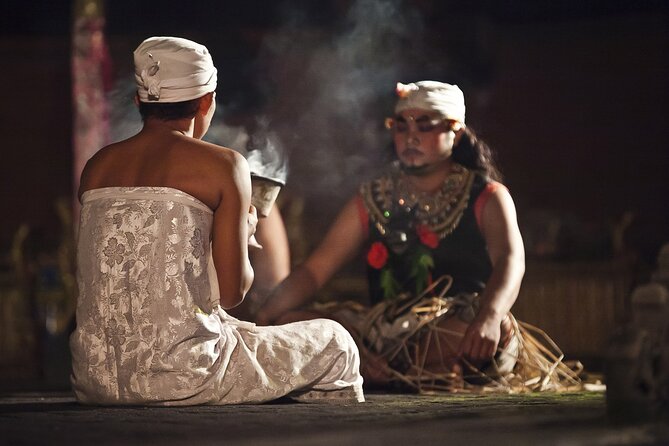
Sanghyang is the third dance on your ticket, and it shifts the feel of the evening from story and spectacle into something more ritual. It is described as a traditional trance dance originally performed as an exorcism, with convulsive choreography that looks raw and urgent.
The key is to watch how the dancers transition from normal movement into trance-like motion. The choreography is not designed to be pretty in a ballet sense. It’s designed to show the transformation. That’s why the audience silence often comes over the space at this point.
Physical readiness matters here. The tour notes a moderate physical fitness level. That doesn’t mean you need to be a gymnast. It’s more about being comfortable with outdoor evening seating, walking on uneven surfaces in a village setting, and the general pace of the event.
Also, because this dance is trance-based, the “emotional realism” can feel intense. If you’re sensitive to dramatic or unsettling performances, this is the moment to decide how you want to experience it: watch closely, or just take in the overall effect from a comfortable angle.



The flow of the evening: what happens before the first drumbeat
Your tour starts at 4:00 pm. The full experience runs about 4 hours, and includes a 1-hour dance performance portion with admission included. Hotel pickup and drop-off are part of the deal, using an air-conditioned vehicle.
From Kuta, the timing can feel like the biggest variable. Traffic in Bali can make the drive slow, and some tours also build in a bit of buffer. In a few accounts, people were picked up early and ended up waiting while venues opened or while the guide handled routing logistics.
This is where having a good guide pays off. There are accounts of guides managing time well, like Oka bringing mosquito repellent and planning around heavy traffic so people were not rushed. There are also accounts where the extra waiting, especially when combined with stops, made the evening feel less smooth.
Here’s a simple way to handle it:
- Eat something earlier if you can.
- Pack a small snack and water for the “in-between” time, since food and drinks are not included.
- If you’re itching to keep the night simple, ask your guide early what the order of stops will be so you can mentally prep.
Price and value: is $48.72 a fair deal for this format?
At $48.72 per person, you’re paying for a bundle: transport, a licensed English guide, and admission to the 1-hour dance performance, plus pickup and drop-off from major hotel areas like Kuta, Seminyak, Sanur, Jimbaran, and Nusa Dua.
In value terms, this can be a great deal if:
- You would not want to coordinate transport on your own
- You appreciate having a guide explain what you’re seeing
- You want a straightforward “one evening, three dances” plan
But there are a few ways the value can wobble. Some people felt the show time was shorter than expected, and some thought extra stops reduced the value. There were also mentions of vehicle comfort issues in at least one negative account, though the tour description specifically includes an air-conditioned vehicle.
Also remember: food and drinks are not included. That sounds small, but if you add a meal and beverages, the “total evening cost” creeps up. If you’re budget-conscious, plan on eating before pickup, then treat the show as your evening event.
If you’re the type who hates shopping detours, you should go in with a clear expectation. This tour includes a guide, and some guides may build in extra stops for timed logistics. When it turns into a push for purchases, the experience can feel less cultural and more salesy. You can still enjoy the dances, but go in ready to say no and keep your attention on the stage.
Mosquitoes, timing, and the small stuff that changes comfort
Because the performances happen outdoors as the sun goes down, bugs can be a real factor. One account specifically mentioned being careful about mosquitoes during the dusk period. If you react badly to bites, bring repellent and apply before the show begins.
Also, have a plan for sitting. Outdoor amphitheaters can mean uneven ground and chairs that are fine, but not exactly theater-comfy for everyone. Wear something you can sit in for a while, and consider light layers. Even with an evening show, temperatures can shift quickly.
One smart tip from people who felt less lost during the program: read the pamphlet or program as you go. The show is structured, but the explanation may not cover every step in real time, so a quick skim helps you follow the narrative better.
Finally, if you’re booking as a couple or small group, check whether group discounts apply to your specific booking. The listing mentions group discounts, and that can help lower the per-person cost if you’re traveling with friends.
Who should book this show, and who should skip it
This is a good fit if you want:
- A quick, organized cultural evening in Bali
- Multiple dance styles in one sitting
- A guide to help translate the big picture of what the dances mean
It’s also a decent option for people who want a structured evening without hiring a private driver, especially if you’re staying in the listed pickup zones.
You might skip it if you strongly dislike:
- Any early pickup and waiting time
- Shopping detours that feel sales-driven
- Fire performance segments that feel too intense or scary for you
And if you’re someone who expects a perfectly long, uninterrupted segment for each dance, go in knowing the entire performance sits inside a set time window. Some people reported the show felt shorter, so your best move is to be happy with “three dances in one evening,” not “one long trance spectacle that lasts forever.”
Should you book An Evening of Bali Traditional Dance?
Book it if you value convenience and you want a guided night of Kecak, Fire Dance, and Sanghyang with admission included. At around $48.72, you’re not just paying for photos. You’re paying for transport, a guide, and the chance to see multiple performance traditions tied together by story and ritual.
Skip or reconsider if you’re extremely sensitive to schedule changes, waiting around before the venue opens, or you know you’ll feel annoyed by add-on stops. In that case, you’ll likely enjoy the dances more if you have more control over timing and routing.
My quick decision checklist: bring repellent, bring a small snack plan, read the program pamphlet, and keep your expectations aligned with a packaged 4-hour evening featuring three dances.
FAQ
What dances are included in this evening show?
The performance includes three Bali traditional dances: Kecak Dance, Fire Dance, and Sanghyang Dance.
Where does the tour take place?
The show happens at a rustic amphitheater in the provincial village of Batabulan.
How long is the tour?
The total tour duration is about 4 hours, and the dance performance portion is about 1 hour.
What time does the tour start?
Pickup and the tour begin at 4:00 pm.
Is hotel pickup and drop-off included?
Yes. Hotel pickup and drop-off are included from major hotels in Kuta, Seminyak, Sanur, Jimbaran, and the Nusa Dua area.
Are food and drinks included?
No. Food and drinks are not included.
Do I need any physical readiness for this tour?
The tour notes a moderate physical fitness level is recommended.
Is there an English-speaking guide?
Yes. The tour includes an English-speaking licensed guide.
Is there free cancellation?
Yes. You can cancel up to 24 hours before the experience start time for a full refund.
FAQ
How many travelers are in the group?
The tour has a maximum of 15 travelers.
Is a mobile ticket offered?
Yes. A mobile ticket is listed as a feature.
Are there extra charges for cruise passengers?
Yes. The tour notes additional charges for cruise passengers.
Once the Light Goes
- Kecak Fire Dance and Sunset at Uluwatu Temple All Inclusive
★ 4.5 · 86 reviews - Uluwatu Sunset,Kecak Dance and Diner Seafood In Jimbaran
★ 5.0 · 56 reviews - Half-Day Private Tanah Lot Sunset Tour
★ 5.0 · 45 reviews - Snorkeling In Nusa Penida And Uluwatu Sunset Tours
★ 4.5 · 35 reviews
More Tour Reviews in Kuta
- Nusa Penida day trip: boat, 4 snorkeling, Manta rays & Land tour
★ 5.0 · 2,033 reviews - Bali Nusa Penida West Private All-Inclusive Tour
★ 5.0 · 1,277 reviews - Mount Batur Sunrise Trekking Private Tour with Breakfast and Hotel Transfer
★ 5.0 · 885 reviews - Individual Bali Day Trip with Private Driver and Free WiFi
★ 5.0 · 755 reviews
Fresh on the Kuta pages




Evening Experiences, compared.
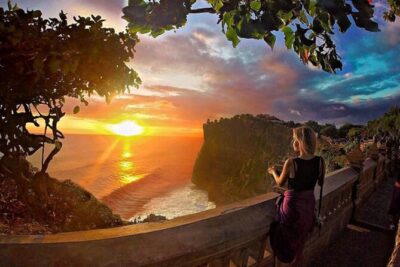 ★ 5.0Uluwatu Sunset, Kecak Dance, and Dinner Jimbaran BeachFrom $353,681 reviews
Private Uluwatu Temple and Kecak Fire Dance Evening Tour in Jimbaran BayFrom $271,199 reviews
★ 5.0Uluwatu Sunset, Kecak Dance, and Dinner Jimbaran BeachFrom $353,681 reviews
Private Uluwatu Temple and Kecak Fire Dance Evening Tour in Jimbaran BayFrom $271,199 reviews
 ★ 5.0Bali Hai Sunset Dinner CruiseFrom $821,173 reviews
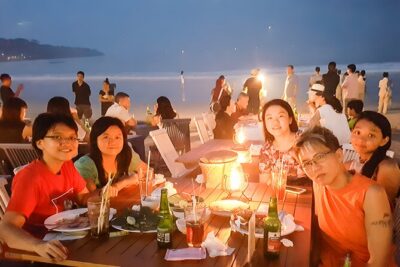 ★ 4.5Uluwatu Sunset Tour: Kecak and Fire Dance with Jimbaran DinnerFrom $65597 reviews
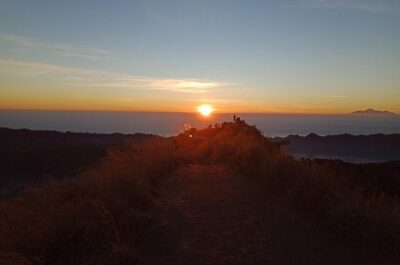 ★ 5.0Mount Batur Sunset TrekkingFrom $45353 reviews
 ★ 4.2Tanah Lot Temple Sunset Kecak & Fire Dance Show TicketFrom $6242 reviews
Half-day tour : Tanah Lot Sunset TourFrom $19231 reviews
★ 4.2Tanah Lot Temple Sunset Kecak & Fire Dance Show TicketFrom $6242 reviews
Half-day tour : Tanah Lot Sunset TourFrom $19231 reviews
 ★ 4.5Private Half-Day Tour: Uluwatu Sunset Trip and Dinner PackagesFrom $65219 reviews
More Kuta tours like this one