Review · KUTA
Stargazing Under the Bali Skies
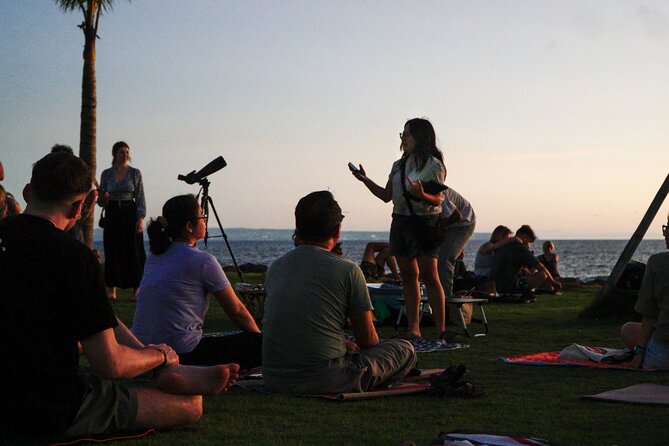
Stargazing in Bali feels personal. This private night session from Munggu Beach mixes hands-on equipment time with sky stories, so you’re not just looking, you’re learning what you’re seeing. I like that you get a cozy setup, warm coffee, and a guide who explains the science in plain language, with the option to ask anything you’ve ever wondered about space.
The other big win for me is the telescope experience. You’ll view targets like Saturn’s rings and the Moon’s craters, plus Jupiter’s moons when conditions line up. One thing to keep in mind, though, is that the night depends on weather, so clouds can affect what you get to see.
Key Highlights You Will Notice Fast
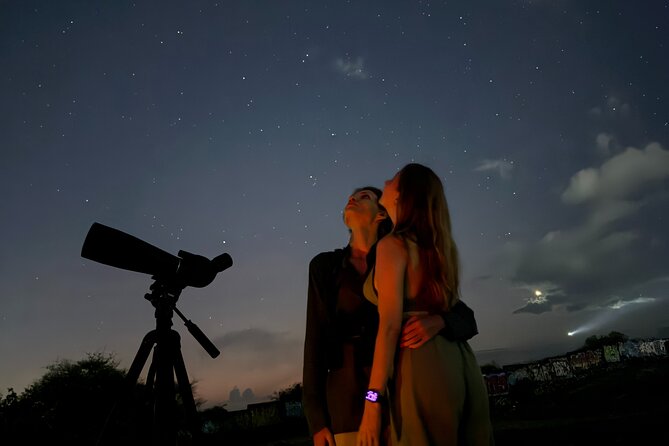
- Private and cozy, up to 5 people so the pace stays relaxed
- Real viewing through multiple tools, not just one telescope
- Beginner-friendly explanations plus time to ask questions
- Coffee and a beach setting that make it feel like a calm evening outing
- Saturn, the Moon, Jupiter (weather dependent) for genuinely satisfying sights
- Take-home guide and surprise goodies to keep the momentum going
Other ways to spend a day out of Kuta:
- Nusa Penida day trip: boat, 4 snorkeling, Manta rays & Land tour★ 5.0 · 2,033 reviews
- Bali Nusa Penida West Private All-Inclusive Tour★ 5.0 · 1,277 reviews
- Mount Batur Sunrise Trekking Private Tour with Breakfast and Hotel Transfer★ 5.0 · 885 reviews
- Individual Bali Day Trip with Private Driver and Free WiFi★ 5.0 · 755 reviews
Why Munggu Beach Nights Work So Well
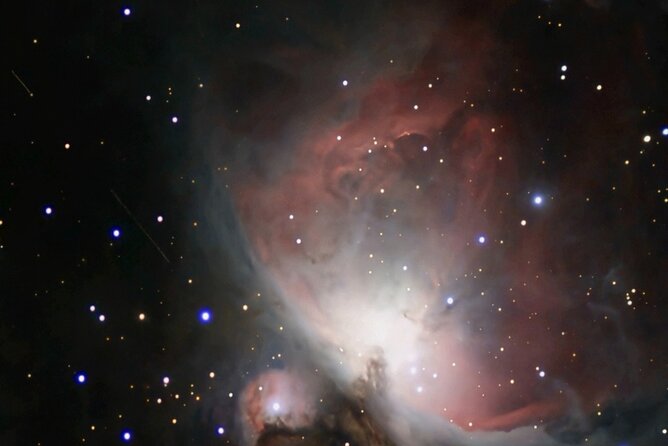
Bali nights can be surprisingly good for astronomy, and this tour takes advantage of that with a peaceful beach meeting spot at Munggu Beach Sea. The session starts at 6:30 pm and runs about 2 hours 30 minutes, which is a smart window, long enough for the sky to settle in, without turning the outing into a late-night endurance test.
What I like about the tone here is that it’s not trying to impress you with technical talk. The night is set up to feel easy, with a guide who can meet you where you are, whether you’re into space facts or you’re coming just for the wow factor. The private format matters too. With a small group, it’s easier to get your questions answered and to adjust the viewing flow based on what’s visible.
Also, this is “mobile ticket” territory. That means you’re not hunting for paper while everyone else is waiting on dark skies.
What You’ll See Through Telescopes (and What Might Change)
The core promise is simple: you’ll look at the sky with proper gear, not phone zoom and wishful thinking. Depending on conditions, the tour focuses on popular, high-impact targets:
- The Moon’s craters: this is usually the fastest way to feel like you’ve stepped up close to space.
- Saturn’s rings: a classic first “real telescope” target.
- Jupiter’s moons: when Jupiter is in a good spot in the sky and weather cooperates.
The exact lineup can shift with what’s clear that evening, and that’s true for all astronomy tours. The good news is that the team is still teaching and guiding throughout, so even if one target is tricky, you’re not stuck in silence. One of the standout themes from the experience is that multiple telescopes are used, which keeps things from feeling repetitive.
The Cozy Setup, Coffee, and a Private Pace That Feels Human
Stargazing tours often feel either too stiff, like a lecture you paid for, or too chaotic, like everyone is competing for a blurry view. This one tries to stay in the middle, and it works because the atmosphere is built for comfort.
You get a complimentary coffee brewing experience under the stars. That’s a small detail, but it changes the whole vibe. When you’re sitting in cool evening air with a warm cup, it’s easier to relax enough to actually notice what the guide is pointing out.
Because the group is private and capped at up to 5 people, you avoid the awkward moments where you can’t see, can’t hear, or spend the whole night waiting your turn. If you like your experiences to feel like time well spent, not a timed attraction, this format is a strong fit.
How the Guides Turn Sky Confusion Into Real Seeing
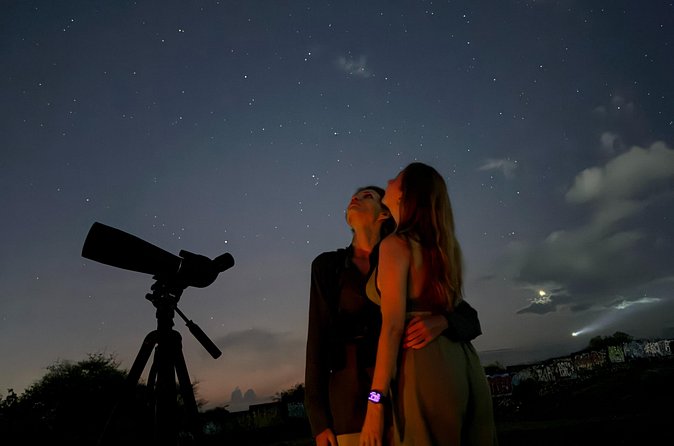
The best part of this tour, for me, is the way it blends heart and science. You get stories behind the stars, plus a chance to ask questions. The goal is that you leave feeling like you understand what you just looked at, not just that you got lucky with a clear sky.
From the team’s communication style, I’d expect a friendly, patient teaching approach. Guides named Gabs and Donny show up in the experience feedback, and the overall impression is that they’re happy to explain, adjust locations if needed, and keep things fun.
Even the way they handle the equipment is geared toward learning. You’re not only watching through different tools, you’re also getting a hands-on experience so you learn how things work. That matters because a telescope is not magic. Once you understand what you’re adjusting and why, the next night sky you see on your own feels more real.


Your Equipment Lineup, Explained Simply
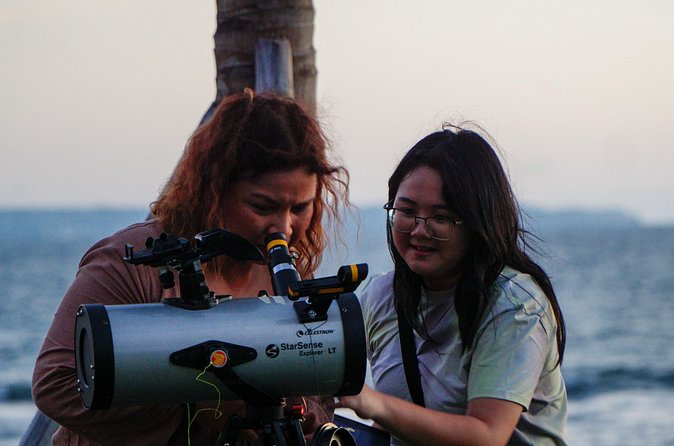
This isn’t a one-tool show. You’ll use a set of viewing options designed to cover different styles of observation:
- High-quality telescopes
- Binoculars
- A spotting scope
- A smart astrophotography camera
You might wonder why multiple tools are needed. Here’s the practical answer: different objects and different levels of detail show best with different equipment. Binoculars are great for quick “find it first” moments. Telescopes handle the detailed views like craters and ring structures. A spotting scope can help with aiming and clarity in certain situations. And the smart astrophotography camera adds a modern layer, helping you understand how images are made, not just how to look.
There’s also a starmap + astronomy pocket guide included. That’s a helpful way to turn a single night into something you can reference later. You’re not relying on memory, which fades fast once you get home.
The Photo Moment: Documentation Without Taking Over the Night
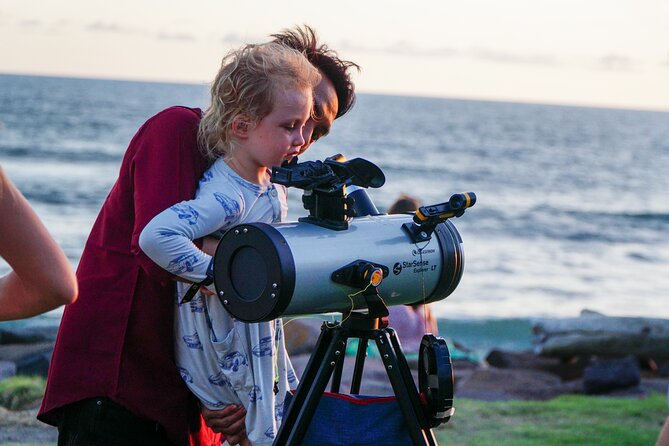
You don’t spend the whole outing behind a screen. Still, you do get photography & documentation under the stars for 20 minutes. That’s a nice compromise. You get help capturing what you’re seeing, then you’re back to the real purpose, which is looking and understanding.
The experience also includes surprise take-home goodies, which is the kind of small bonus that makes the night feel complete. It’s also one more way to keep your curiosity going after you pack up.
One useful mindset for the photo time: treat it like a guided practice session. Even if you only take a few shots, learning what the camera and setup are doing helps you avoid frustration later.
Where This Tour Fits Best (and Who It’s For)
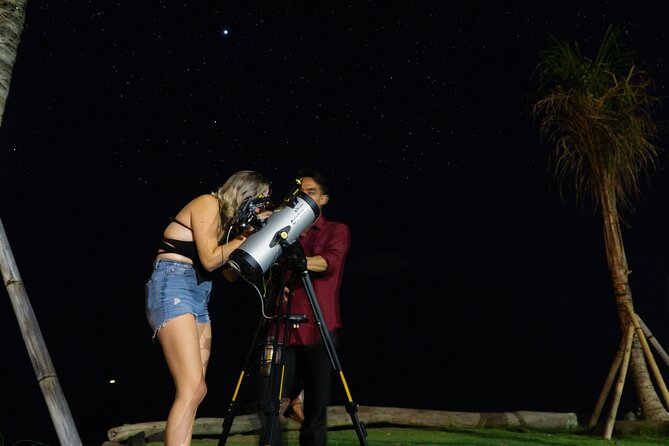
This is a good match if you want something different from the usual Bali routine. You’re getting an evening activity that’s calm, focused, and clearly tied to real astronomy viewing.
It’s also a strong choice if:
- You’re traveling as a couple or small group who wants private attention
- You’re a beginner who doesn’t know constellations yet
- You want to learn how to use the equipment, not just look through it
- You like nature experiences that still feel guided and structured
It may be less ideal if you’re chasing a big nightlife vibe. This is a peaceful beach session where the fun comes from sky time, not loud scenes. If your ideal night is parties and chaos, this won’t scratch that itch.
For most travelers, participation is described as broadly possible, so this is not a niche activity requiring advanced skills.
Price and Value: What $191.49 Really Buys You
The price is $191.49 per group (up to 5). That’s not “cheap,” but it is also not priced like an individual class. The key value is the private format plus the equipment.
Consider what’s included:
- Use of multiple viewing tools (telescopes, binoculars, spotting scope)
- A smart astrophotography camera element
- Coffee brewing
- A starmap and pocket guide, plus surprise goodies
- Photography and documentation time for 20 minutes
- A portion of proceeds supporting Munggu Village
For astronomy in Bali, private time with real gear is usually where costs land. The money makes sense here because you’re not sharing equipment with strangers, and you’re getting guided teaching plus hands-on practice.
If you’re traveling with 2 to 5 people, your per-person cost drops fast, and you get a more personal atmosphere in return. If you’re solo, it can still be a good deal, but you’re paying for the private group model.
Weather, Timing, and What to Do Before You Go
This experience requires good weather. That matters for two reasons. First, clouds can limit what you can see. Second, comfort matters when you’re sitting still for long enough to look closely.
Here are practical steps that keep things easy:
- Plan to be flexible with your evening if skies don’t cooperate. The tour offers either a different date or a full refund if canceled due to poor weather.
- Dress for a beach night. Even when the day is warm, the evening near the ocean can feel cool.
- Keep expectations realistic. You’re aiming for specific targets like Saturn’s rings and the Moon’s craters, but the sky decides what it gives you.
If you’re arriving from other activities, give yourself time to be present at the start. The session begins at 6:30 pm and runs roughly 2 hours 30 minutes, so being on time helps you get the full viewing rhythm.
A Simple Snapshot of the Flow
Here’s how the evening is structured in a way that should feel smooth:
- You meet at Munggu Beach Sea and start the session at 6:30 pm.
- You settle into the cozy beach setup with coffee brewing.
- You move through telescope and binocular viewing, targeting things like the Moon, Saturn, and potentially Jupiter’s moons depending on what’s visible.
- You get hands-on time with the gear, and your guide answers questions as you go.
- You get 20 minutes focused on photography and documentation.
- You end back where you started.
The pacing is designed so you’re not only watching, you’re participating.
Should You Book Stargazing Under the Bali Skies?
If you want a Bali night that feels calm, personal, and genuinely educational, I’d book it. The tour has a solid value story because you get private time with quality equipment, plus a teaching approach that helps you understand what you’re seeing. The coffee moment and take-home guide also make it feel like more than a one-off spectacle.
I’d hesitate only if your schedule is rigid and you can’t move plans, since the experience needs good weather. If you can be flexible and you like asking questions, this is exactly the kind of evening that turns into a clear-sky memory you can carry home.
FAQ
What time does the stargazing session start?
It starts at 6:30 pm at Munggu Beach Sea, Bali, Indonesia.
How long is the experience?
The duration is about 2 hours 30 minutes.
Is this a private tour?
Yes. It’s a private tour/activity, and only your group participates.
How big is the group?
The price is per group, for up to 5 people.
What astronomy targets can you see?
You’ll guide your viewing through items such as the Moon’s craters, Saturn’s rings, Jupiter’s moons, and more depending on weather.
What equipment is included?
You get use of high-quality telescopes, binoculars, a spotting scope, and a smart astrophotography camera.
Is coffee included?
Yes. There is a complimentary coffee brewing experience under the stars.
What if the weather is poor?
If the experience is canceled due to poor weather, you’ll be offered a different date or a full refund.
More Tour Reviews in Kuta
- Nusa Penida day trip: boat, 4 snorkeling, Manta rays & Land tour
★ 5.0 · 2,033 reviews - Bali Nusa Penida West Private All-Inclusive Tour
★ 5.0 · 1,277 reviews - Mount Batur Sunrise Trekking Private Tour with Breakfast and Hotel Transfer
★ 5.0 · 885 reviews - Individual Bali Day Trip with Private Driver and Free WiFi
★ 5.0 · 755 reviews