
Review · UBUD DAY TRIPS FROM KUTA
Balinese Ubud cooking school (9 Dish Cooking and Market Tour)
A great Balinese food day starts here. I love that you learn nine dishes instead of the usual 3 or 4, and the morning market tour gives you real context for the ingredients. The one thing to consider is logistics, since pickup is only arranged within Ubud, and the ride can feel long if you are staying farther out.
This is a Subak cooking class in Ubud that mixes cooking skill with culture. You may meet different staff depending on the day, but names like Wayan Aris, chef Yogi, and guide Wayan, Tata, or Putu show up in how people describe the experience, and the vibe is consistently friendly and family-run.
If you want a fully hands-on, quiet, studio-style class, this is not that kind of tour. Expect noise, lots of chatter, and plenty of steps moving at once, especially when you are cooking near other stations.
Key things I’d bank on before you book
- Nine dishes, one meal, so you actually leave with enough food skill to cook at home
- Market first, which makes the spice and ingredient choices make sense
- Rice paddies visit plus a local house stop, so you connect food to how people grow it
- Regular or vegetarian menu, with swaps for tofu and tempeh where meat would be
- Small group size (max 14), which helps the staff keep an eye on everyone
Other ways to do the Ubud run from Ubud
- All-Inclusive Ubud Private Tour★ 5.0 · 14,344 reviews
- Best of Ubud Full-Day Tour with Jungle Swing★ 5.0 · 8,571 reviews
- Ubud: Monkey Forest, Jungle Swing, Rice Terrace, and Water Temple★ 5.0 · 7,160 reviews
- Best of Ubud 1-Day Private Tour★ 5.0 · 4,451 reviews
Why this Ubud cooking class feels like more than a cooking class
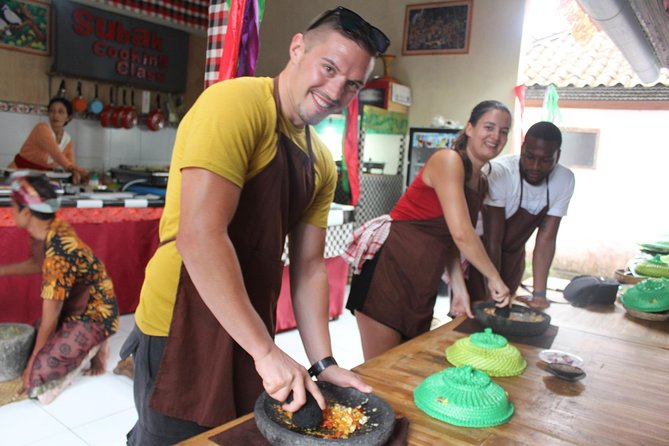
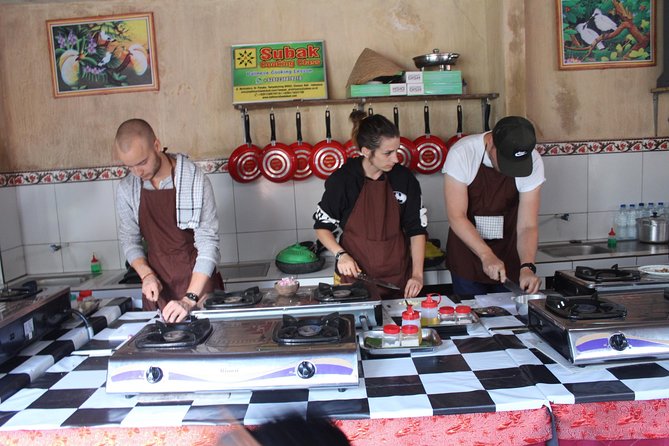
A lot of Bali cooking classes are really “watch a bit, cook a bit, eat what someone else already mostly made.” This one aims higher. Your ticket is built around learning how to make at least 9 Balinese classics, and the format supports that goal: multiple cooking stations, step-by-step teaching, and a full meal made from what you prepare.
The other reason this works is the context. If you only start cooking, you miss the why. Here, you also see the ingredients journey, from market buying to the rice system behind so many meals in Bali. That market plus rice paddies combo turns the cooking into something you can repeat, not just copy once.
Price-wise, $58 is not cheap, but it also is not “pay for one dish and call it a day.” You get a full set of recipes to take home, tasting during the process, and a lunch or dinner buffet made from your efforts.
Pickup in Ubud, the 5-hour rhythm, and what to do with your expectations
The tour runs about 5 hours. It starts at Ubud Palace and returns to that same meeting point. Pickup and drop-off are offered for the Ubud area only, which matters because the driving time can change your whole experience.
Within Ubud, the flow is usually simple: you meet up, get grouped, and head out for the morning market option. Outside Ubud, additional charges may apply for pickup, and you may need to bring cash for extra transport. So if you are staying in places like central Ubud, you are set up for an easier day.
Timing-wise, plan to be hungry at arrival. This tour keeps feeding you: tastings during cooking, then a lunch or dinner built from the dishes you made. Come ready to eat, then pace yourself so you do not feel stuffed before the best items hit the table.
The morning market tour: your shortcut to understanding Balinese flavors
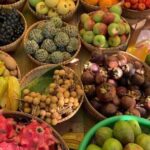
If you choose the morning option, you get a guided look at a local market. This is a traditional market visit in the morning, and the whole point is to show you what people actually buy, how they shop, and why certain ingredients get used again and again.
Practically, you benefit in two ways:
First, you get ingredient fluency. Balinese cooking leans on aromatics, chilies, coconut, ground spice pastes, and fresh items you might not regularly stock at home. Seeing them in the market makes it easier to spot what matters later when you try to recreate recipes.
Second, you get a taste education. People often mention sampling fruits and sweets, including items they had never seen before. That matters because Balinese flavor is not only about heat and salt. It is also about texture and sweetness, which shows up later in things like klepon cake, a palm sugar filled sticky treat.
One consideration: markets move fast. Wear comfortable shoes, expect some time on your feet, and keep your camera handy. You will likely want photos of spice mixes and ingredients, even if you focus on buying just what you can realistically use later.
Rice paddies and a local house visit: where the food story comes from
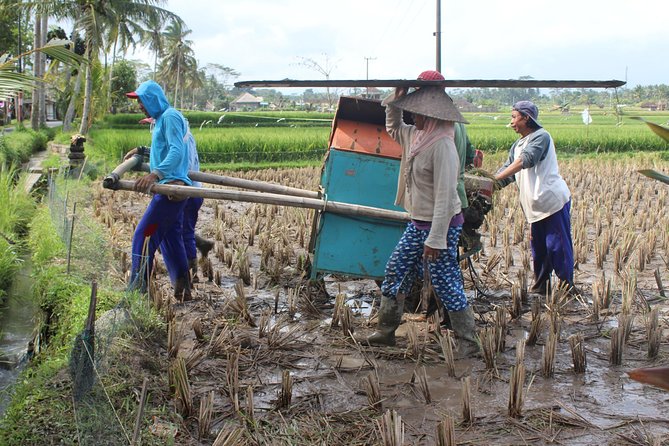
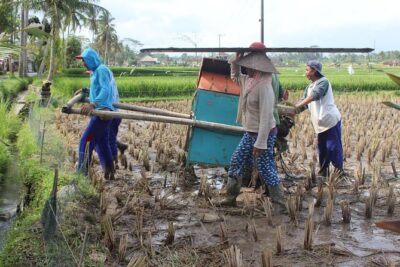
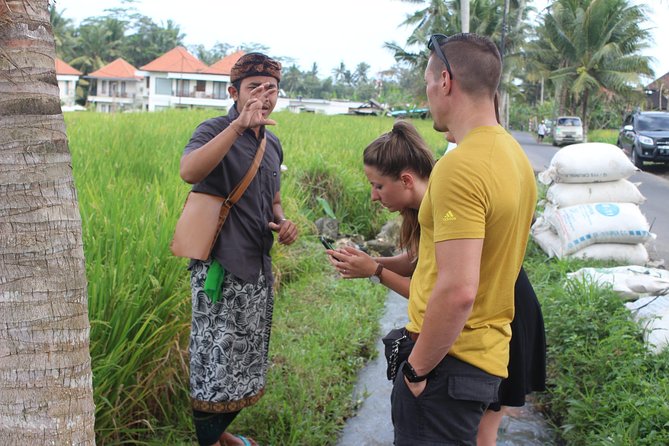
After the market, the day typically shifts from “what we buy” to “how we grow.” You visit rice paddies, and you learn about growing rice in Bali, the types of rice, and the harvest timing.
Even if you are not a farming nerd (I am not), this stop makes the cooking hit differently. Rice is not just a side dish in Bali, it is the steady base for many meals, including the ones served with your finished main courses. Understanding that agricultural rhythm helps you see why the cuisine feels so connected to seasons.
The tour also includes a visit to a local Balinese house, which is where you see everyday life beyond the restaurant setting. You get a more grounded sense of how cooking and offerings fit into daily routine, not just special occasions.
If you are short on time in Ubud and want only the cooking part, this cultural add-on may feel like extra. But if you want your recipes to make sense, it is worth the time.
More kitchens that start at the market

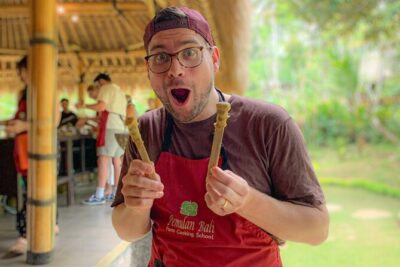
Cooking nine dishes: how the class actually teaches you
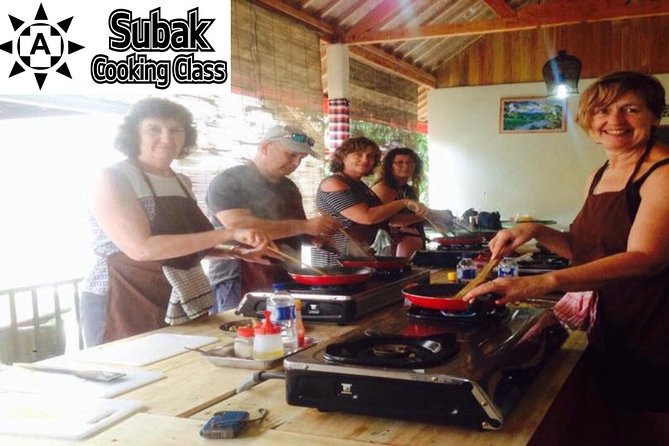
This is where the tour earns its reputation. The format is step-by-step, and you cook enough to feel like you contributed, not just watched. A key detail is that the menus are structured so you cycle through different cooking styles, not only one method.
You will work through a menu built around classics, including:
Soup and savory mains
- Sayur Bali (Balinese vegetable soup)
- Ayam santan bumbu Bali (fried chicken with coconut milk) for regular menu
- Pepes Ayam (grilled and steamed chicken in banana leaf)
- Lawar Bali (mix of vegetables with Balinese spices)
For vegetarian guests, the soup stays, and the mains shift to:
- Tofu bumbu Bali
- Pepes Tofu (soybean curd in banana leaf)
The sweet spot: spice paste and raw chili flavor
Two dishes show up as “flavor builders” in a Balinese kitchen:
- Base gede (basic spice paste)
- Sambal matah (raw spices with coconut oil)
This matters for future cooking. Spice paste is the foundation you can recreate with ingredients you can find. Sambal matah trains you to balance raw heat with richness, rather than relying only on cooked sauces.
Side texture and peanut sauce moments
- Tempe manis (sweet fried tempe)
- Sate lilit Bali (Balinese chicken satay) for regular menu
- Sate tempeh (Balinese soybean cake skewers) with peanut sauce for vegetarian menu
Sate lilit and tempe-based satay are a great “at home” challenge because you learn seasoning and handling, not just frying something out of a package.
The finish: klepon cake
Your dessert is klepon, boiled sticky rice flour balls with palm sugar. It is both fun to make and easy to remember. The result also helps you understand how Balinese cooking plays with sweet profiles alongside savory dishes.
Rice on the side
Your main courses are served with white rice, which is included. That is practical: you get the full plate experience, not only snack-sized samples.
A note on hands-on level: some people feel everything is prepared in a way that helps you move quickly, and others mention active station cooking with clear guidance. Either way, you still do the cooking and tasting. So set expectations for an efficient flow, not a slow culinary workshop.
Vegetarian vs regular: what you can expect from the menu swap
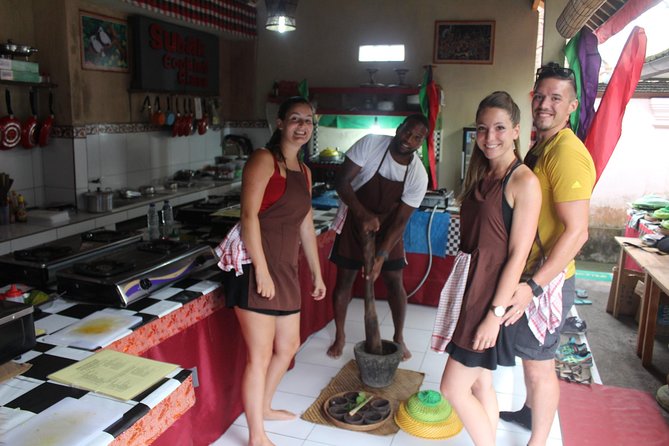
One of the better value points is that this class offers a clear choice: regular or vegetarian. You will not just get “pick around the edges.” The vegetarian menu swaps in tofu and tempeh versions for the dishes that would be meat-based.
From the vegetarian lineup, you should expect:
- Tofu fried with Balinese-style sauce
- Sweet fried tempe
- Tempeh satay with peanut sauce
- Tofu pepes in banana leaf
Everything else stays aligned: soup, spice paste, sambal matah, lawar, base ingredients, and klepon cake. In practice, that means you still learn the full Balinese flavor structure, not an abbreviated version.
Also, alcohol is not included. If you like to drink on tours, plan to cover that separately.
Food tasting, lunch or dinner buffet, and taking recipes home
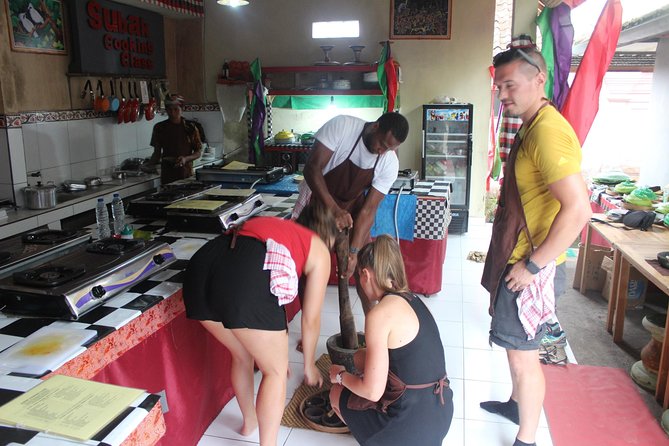
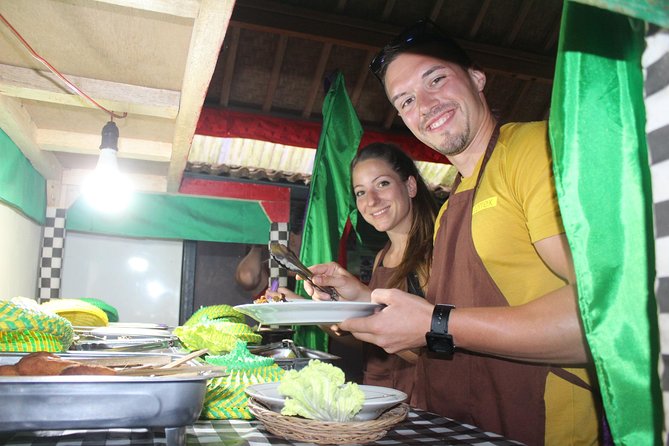
You get food tasting during the cooking process, then a lunch or dinner buffet at the end featuring what you prepared. A lot of the satisfaction comes from eating the dishes while the flavors are still fresh in your head, and you can connect each bite to the exact step you just did.
You also receive recipe copies to take away. That is the main “repeat it at home” tool. Pair that with a camera, and you can capture both the finished plates and some ingredient details so you feel confident shopping later.
If you end up with leftovers, people mention being able to take some back to the hotel. That makes sense here, because you are cooking a lot, and the portions can be generous.
Value check: is $58 a fair deal for Ubud?
For $58, you are paying for five things at once:
- Nine dishes worth of instruction
- A guided market tour (morning option)
- A rice paddies visit plus a local house stop
- A real meal (lunch or dinner buffet)
- Recipe copies and water
Compared with typical cooking classes, the value is strongest if your goal is to learn enough to cook again later. Nine dishes is a big jump from the usual small set, and it gives you more “transferable” cooking skills: spice paste, raw sambal, banana leaf wrapping, satay technique, and sticky dessert.
If your priority is just one signature dish, you might think it is overkill. But most food people leave wanting more than one thing.
The one place where value can slip is distance. If you are not in Ubud and pickup requires extra transport charges, your real cost can rise. Also, if you expect a quiet, high-end cooking studio, you may find the kitchen energy energetic.
Who should book this 9-dish cooking and market tour
This tour is a great match for:
- Food lovers who want more than a souvenir class
- People who like learning why ingredients work together
- Couples and small groups who want a guided day without too many decisions
- Vegetarians who want a real menu option, not a token substitute
It is less ideal if:
- You hate markets or long walking stretches
- You want minimal driving time and are staying far outside Ubud
- You prefer a super quiet classroom atmosphere
Should you book this Ubud cooking school experience?
Yes, if you want your Bali memories to include practical recipes you can actually use. The combination of market learning plus a nine-dish cooking day is the big reason I would book it, and it is also the reason you will not feel like you just paid for eating.
Book it especially if you are staying in or near Ubud, pick the morning option for the market and rice paddies, and come hungry. Bring comfortable shoes, your camera, and a clear choice between regular or vegetarian so your menu fits your needs from the start.
If you are staying outside Ubud, do the math on the extra transport cost first. That is the main decision point that can change whether this feels like a bargain or just a normal tour price.
FAQ
How long is the Balinese Ubud cooking class with 9 dishes and market tour?
The experience runs for about 5 hours (approx.).
Where does the tour start and end?
It starts at Ubud Palace and ends back at the meeting point.
Is there a market visit included?
Yes, but it is for the morning class only. The morning option includes a traditional market visit with a guide.
How many dishes do I cook?
You will prepare at least 9 recipes of Balinese food.
Do they offer a vegetarian menu?
Yes. You can choose regular or vegetarian when booking.
What is included in the price?
Included items are pickup and drop-off in the Ubud area only, mineral water, use of kitchen equipment, copy recipes to take away, food tasting, and lunch or dinner buffet. You also get a Balinese local guide/host, plus the market visit and rice paddies visit (morning option).
Is pick-up available outside Ubud?
Not automatically. If you stay out of the Ubud area, additional charges may apply, and you should request pickup in advance. You may also need cash for additional transport.
How big is the group?
This tour/activity has a maximum of 14 travelers.
What should I bring?
You should bring your camera and your cash money for any additional transport charges if you stay outside Ubud. The tour also mentions a normal uniform.
More Tour Reviews in Ubud
- All-Inclusive Ubud Private Tour
★ 5.0 · 14,344 reviews - Best of Ubud Full-Day Tour with Jungle Swing
★ 5.0 · 8,571 reviews - Ubud: Monkey Forest, Jungle Swing, Rice Terrace, and Water Temple
★ 5.0 · 7,160 reviews - Best of Ubud 1-Day Private Tour
★ 5.0 · 4,451 reviews
Cook Another Balinese Lunch
- Ubud Cooking Class Bali with Balinese Chef
★ 5.0 · 1,609 reviews - PRIVATE Authentic Balinese Cooking Class in Ubud at Putu’s Home
★ 5.0 · 644 reviews - Balinese Farm Cooking Class by Pemulan Bali
★ 5.0 · 410 reviews - Balinese Authentic Cooking Class in Ubud
★ 5.0 · 239 reviews
Ubud, Three More Ways
- All-Inclusive Ubud Private Tour
★ 5.0 · 14,344 reviews - Best of Ubud Full-Day Tour with Jungle Swing
★ 5.0 · 8,571 reviews - Ubud: Monkey Forest, Jungle Swing, Rice Terrace, and Water Temple
★ 5.0 · 7,160 reviews - Best of Ubud 1-Day Private Tour
★ 5.0 · 4,451 reviews
Fresh on the Ubud pages




Ubud Day Trips from Kuta, compared.
 ★ 5.0All-Inclusive Ubud Private TourFrom $10014,344 reviews
 ★ 5.0Best of Ubud Full-Day Tour with Jungle SwingFrom $568,571 reviews
 ★ 5.0Ubud: Monkey Forest, Jungle Swing, Rice Terrace, and Water TempleFrom $317,160 reviews
 ★ 5.0Best of Ubud 1-Day Private TourFrom $544,451 reviews
 ★ 4.4Ubud Palace Legong Dance Show TicketFrom $63,979 reviews
 ★ 5.0Body Massage Experience in Ubud Traditional SpaFrom $213,506 reviews
 ★ 4.4Ubud Kecak and Fire Dance Show TicketsFrom $62,631 reviews
 ★ 5.0Ubud Cooking Class Bali with Balinese ChefFrom $351,609 reviews
More Kuta tours like this one