Review · KUTA
Transformative Journey of Holistic Self-Discovery
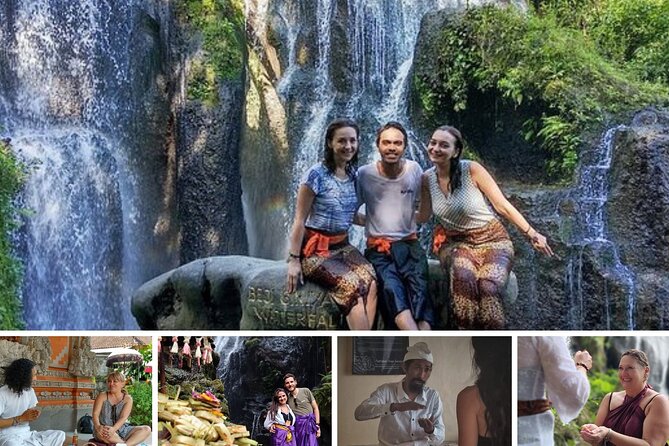
Healing starts with a waterfall in North Ubud. This 5 to 6 hour private tour blends water rituals, palmistry, Balinese offering-making, and a Mount Batur purification walk, led by guides known for reading the room and pacing the day around you. Expect spiritual practice mixed with real daily life stops like a morning market and rice fields.
I love the calm rhythm built into the route, especially the time at Taman Beji Griya Waterfall, followed later by a second holy-water moment at Sebatu Holy Waterfall Temple. I also love the human touch, with guide Wayan repeatedly praised for being friendly, well spoken, flexible, and clear about Balinese history and traditions.
The main thing to consider is physical effort. This experience includes a trek for Mount Batur, so come with moderate physical fitness and comfortable shoes for uneven, wet, or stepped areas.
Key things that make this North Ubud tour worth your time
- Water-first healing, starting at Taman Beji Griya Waterfall and continuing with Sebatu Holy Waterfall Temple
- Palmistry plus practice, mixing a reflective spiritual element with hands-on ritual moments
- Morning market and rice fields, so you see more than just temples
- Community-focused spirituality, including serving elderly people and creating Balinese offerings
- Mount Batur trek and Mengening Temple purification, the physical and spiritual highlight
- Private group comfort, with private transportation and pickup options built in
Other ways to spend a day out of Ubud:
- All-Inclusive Ubud Private Tour★ 5.0 · 14,344 reviews
- Best of Ubud Full-Day Tour with Jungle Swing★ 5.0 · 8,571 reviews
- Ubud: Monkey Forest, Jungle Swing, Rice Terrace, and Water Temple★ 5.0 · 7,160 reviews
- Best of Ubud 1-Day Private Tour★ 5.0 · 4,451 reviews
Why North Ubud works for a reset, not just sightseeing
If you want Bali that feels less like checklists and more like a full body exhale, North Ubud is a good place to start. This route is designed around spiritual practices, but it does not keep you stuck in a purely ceremonial bubble. You also get morning-life texture, like walking through a local market and moving through rice-field scenery as part of the mindset shift.
The structure matters. Instead of rushing from one photo stop to the next, the timing leans toward reflection: water, then guidance, then everyday life, then purification, then the bigger climb and ritual at Mount Batur. That flow is exactly what makes it feel like self-discovery rather than just transportation plus ticket stops.
Also, this is a private tour/activity. That matters because you can keep the day at your pace, ask questions without feeling rushed, and take breaks when the group needs it.
Price and logistics: what you really get for $60
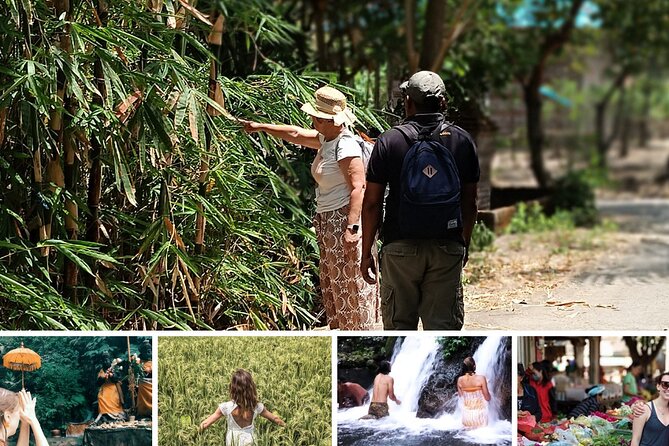
At $60 per person for 5 to 6 hours, the value comes from what is included, not just the sticker price. Your tour includes all fees and taxes, bottled water, and private transportation. Pickup is offered, and you also have a mobile ticket, which makes the day smoother when you are in a different time zone and juggling daylight.
You do want to plan for two items not included: lunch and tips. That means you should either eat before you go, budget time to find food nearby, or pack something simple if you know you get hungry. As for tipping, it is not required by the listing data, but it is typically part of rewarding great service, especially on a day with personal guidance.
One more practical note: this is labeled as private for your group only. That is great for comfort and flexibility, but it can also mean the schedule and timing are entirely in the guide’s hands, so bring a calm, go-with-it attitude.
Stop 1: Water at Taman Beji Griya Waterfall and palmistry for direction
The first phase of the day centers on water and reflection at Taman Beji Griya Waterfall. Waterfalls in Bali are not only scenic. In this context, you are moving through a healing-oriented moment where the setting supports a slower, more mindful frame of mind. The goal is to let the day shift from your regular routine into something more intentional.
Right after that water time, you get palmistry. This is one of the biggest “why this tour feels different” elements. Instead of treating spirituality as background mood, the tour adds a more personal, symbolic layer. Palmistry is not a scientific service, but it can be meaningful as a prompt for questions like: What do I need to focus on? What patterns keep showing up? What direction do I want for the next season of life?
What to watch for: waterfall areas can be slippery and damp, even when the day is not raining. Wear footwear that grips, and keep your attention on your footing first. You will enjoy the calm more if you are not thinking about safety the whole time.
Stop 2: Morning market, rice fields, and Sebatu Holy Waterfall Temple
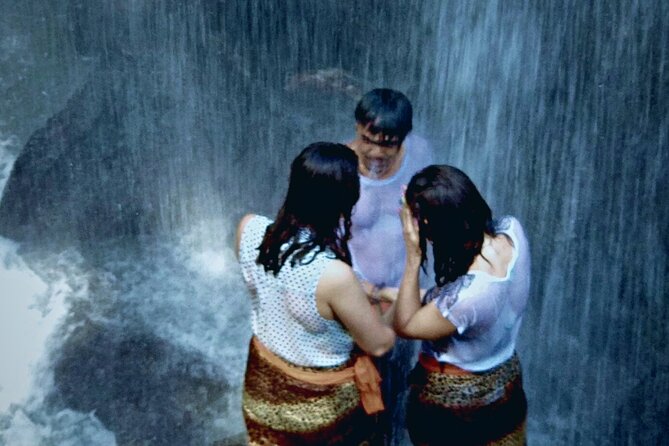
This tour adds a very Bali ingredient: morning daily life. You will spend time at a morning market, then walk through rice fields as part of the morning rhythm. These stops do not feel random. They anchor the spiritual theme in local culture, so you are not just visiting ritual sites, you are also seeing how people live before the day gets busy.
Then comes Sebatu, with Sebatu Holy Waterfall Temple. Here, the day continues the water theme, but with a temple context. That shift is useful. You get the relaxation and sensory calm of water in nature, then you transition into a more structured spiritual space. It is a good combination if you like the emotional effect of water, but also want a clear spiritual storyline.
Timing can be everything on a day like this. If the tour timing lands you in the middle of active hours at the market, expect more movement and more senses in play. If it lands you a bit earlier, you will likely get a quieter stroll, which can make the rice field portion feel even more reflective.


Stop 3: Serving the elderly and making Balinese offerings
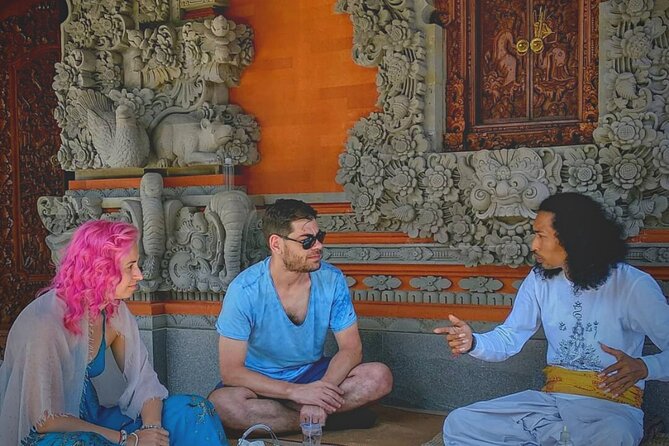
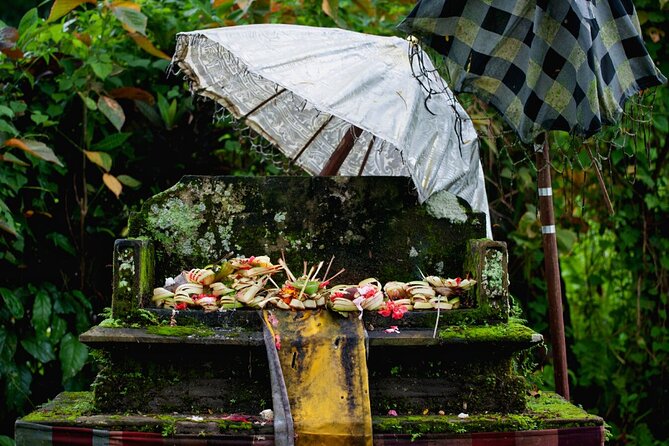
This is where the tour shifts from watching to doing. You take part in serving the elderly, and you also craft Balinese offerings as part of the spiritual practice. That is not just cultural busywork. It is hands-on participation in Balinese values, like respect, gratitude, and community care.
For me, this segment is the emotional backbone of the experience. Making offerings gives you a physical way to slow down and pay attention. Serving elders changes your posture. You end up less in your head and more in the present, which is the whole point of a self-discovery-style day.
There is also a purification element here, described as purifying your spirit for renewal. Even if you are not sure about every spiritual belief, the routine can still work as a symbolic reset. You are doing a sequence with intention, and that can help you leave Bali feeling different, not just well fed with photos.
Practical tip: this part may involve kneeling, standing, or sitting close to low-area spaces. You do not need athletic ability, but you should be comfortable with basic physical effort and respectful stillness.
Stop 4: Mount Batur trek plus Mengening Temple purification ritual
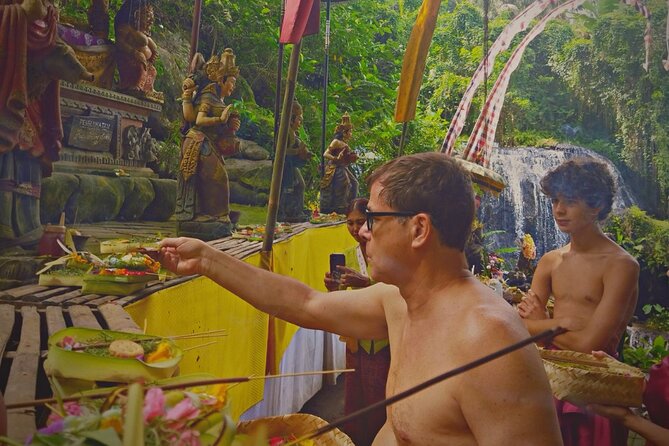
This is the bigger swing of the day. The itinerary includes a trek to Mount Batur, then a purification ritual at Mengening Temple. This combination hits both sides of what many people come to Bali for: a physical challenge that wakes you up, followed by ritual calm that helps you process what you just experienced.
Because Mount Batur trekking is included, the “moderate physical fitness” requirement is not a vague label. You should be prepared for uphill effort, changing footing, and the kind of exertion that makes you breathe a little harder. If you are used to walking and you know your limits, you will likely enjoy this part. If you struggle with stairs or steep grades, this is the one piece that could feel like too much.
Then there is the temple purification. That ritual helps stitch the day together. You go from effort to grounding. The sense of renewal comes from completing the arc, not from any single moment.
One more detail worth noting: the itinerary notes admission ticket free for the Mount Batur trek and purification ritual segment. Combined with “all fees and taxes” being included, it suggests you are not going to be hit with extra official cost for that major activity. Still, confirm any day-of needs with your guide, especially if weather or timing shifts.
The guide factor: what Wayan’s style tells you about the tour
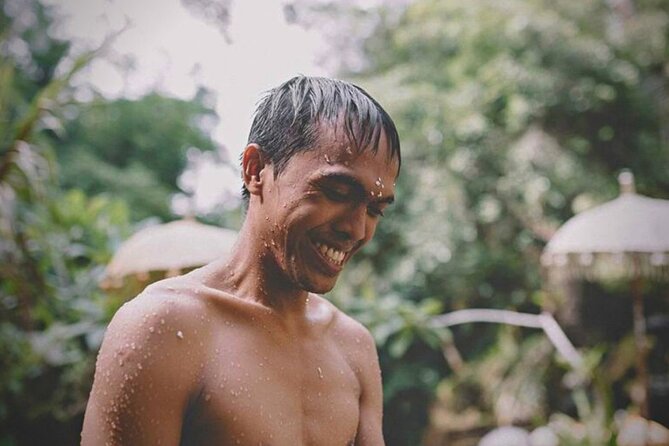
This tour’s quality is strongly tied to the guide, and the name Wayan shows up again and again in positive feedback. He is described as friendly and well spoken, and people say he is informative without making it feel like a lecture. The tone matters on a spiritual day. You want a guide who can explain the meaning of what you are doing, and also keep things light and comfortable when the group needs a break.
People also mention Wayan being flexible, which is key in Bali. Schedules can shift because of traffic, weather, or simply how the group energy is changing. Flexibility makes the whole experience feel less stressful.
There is also praise for his devotion to preserving Balinese culture. That shows up as respectful guidance, not pushing you through rituals like a task list. In practice, that usually means you get more context for why something matters, and you do not feel like you are rushing past the meaning.
If you end up with Wayan for your group, you can expect a guide who helps you understand, not just a driver who goes from A to B.
How to set yourself up for a better day (without overthinking it)
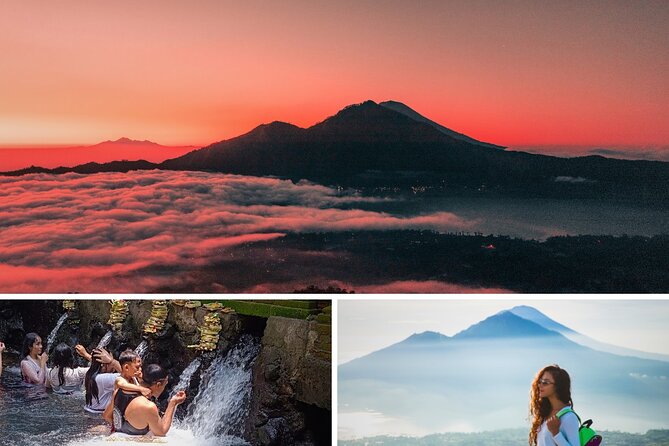
This kind of tour works best when you show up open and a little patient. You are moving through multiple “modes”: water calm, palm-reading reflection, market and rice field observation, community service and offering-making, and then a trek plus purification ritual.
To make it smooth:
- Plan for no lunch. Eat something beforehand or budget time to grab food after.
- Bring water into your rhythm even though bottled water is included.
- Wear footwear that handles wet ground and uneven steps.
- Keep your questions ready. When a guide offers meaning behind a ritual, ask what it means in everyday Balinese life.
Also, you will likely get more out of the palmistry and purification segments if you approach them as prompts. Think less about whether it is objectively correct, and more about what it helps you notice about your own priorities.
Who this tour suits best
This tour is a strong match if you want:
- Holistic self-discovery that includes action, not just observation
- Spiritual practices paired with real culture stops like a morning market
- A private format where the pace can match your group
- A day that includes a physical component, because Mount Batur trekking is part of the arc
It might be less ideal if you:
- Struggle with moderate trekking or uneven terrain
- Need a full lunch included and prefer not to plan around meals
- Want a strictly non-spiritual itinerary. This route clearly has spiritual practice built into multiple stops
If you are honeymooning or celebrating a special time in Bali, the private setup and flexible guide style can be a plus, especially if you want the day to feel personal rather than packaged.
FAQ
How long is the North Ubud tour?
The tour runs about 5 to 6 hours.
How much does it cost?
It is $60.00 per person.
Is pickup included?
Pickup is offered, and private transportation is included.
Is this tour private or shared?
It is a private tour/activity, and only your group participates.
What is included in the price?
Included items are all fees and taxes, bottled water, and private transportation.
What is not included?
Lunch and tips are not included.
Will I get confirmation after booking?
Yes. Confirmation is received at the time of booking.
What fitness level do I need?
You should have a moderate physical fitness level, since the itinerary includes a Mount Batur trek.
Should you book this North Ubud holistic tour?
If your ideal Bali day mixes spirituality with culture and you do not mind a moderate trek, this is a solid booking. The value looks good on paper because all fees and taxes and private transportation are included, plus you get a full arc from waterfall healing to palmistry, community practice, and Mount Batur purification. The big “yes” sign is the guide experience, with Wayan repeatedly praised for friendliness, clear English, and flexibility that keeps the day relaxing.
Book it if you want a reset that feels personal. Skip it if you want an easy, low-effort sightseeing day, because Mount Batur is the physical peak you will need to take seriously.
More Tour Reviews in Ubud
- All-Inclusive Ubud Private Tour
★ 5.0 · 14,344 reviews - Best of Ubud Full-Day Tour with Jungle Swing
★ 5.0 · 8,571 reviews - Ubud: Monkey Forest, Jungle Swing, Rice Terrace, and Water Temple
★ 5.0 · 7,160 reviews - Best of Ubud 1-Day Private Tour
★ 5.0 · 4,451 reviews