
Review · BALINESE TEMPLE TRIPS FROM KUTA
Besakih Temple Tour: the Biggest Temple in Bali
Besakih Temple day trips are the rare combo of major temples and serious scenery. You start at Bali’s Mother Temple on the slopes near Mount Agung, then work your way north for Kintamani lunch with Mount Batur and lake views. I especially like how the day mixes spiritual sites with places where you can actually pause, breathe, and enjoy the view.
Two things I like a lot: the practical, no-stress logistics (air-conditioned ride, bottled water, lunch, and even a sarong), and the chance to witness traditional offering activity in a working temple setting. One consideration: it is a 10-hour day, so if you are sensitive to long drives or prefer slower travel, you may feel it.
Key highlights you should care about
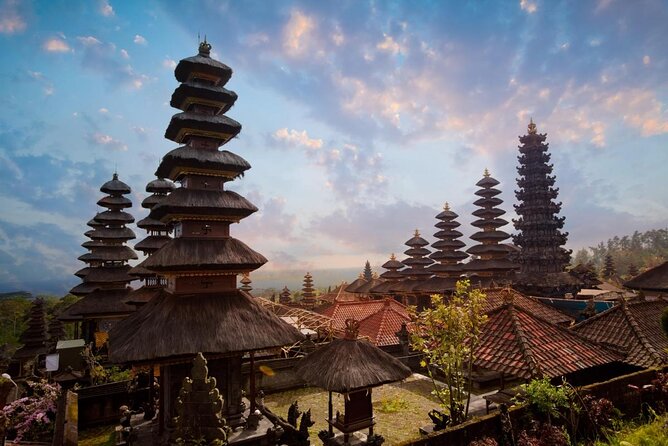
- Besakih Temple as Bali’s biggest Mother Temple, set on the foothills of Mount Agung
- Kintamani lunch with Mount Batur and lake views, a strong payoff in the middle of the route
- Tirta Empul holy spring and the Mayadenawa versus God Indra legend tied to healing
- Tegalalang Rice Terrace walk for lush paddy scenery and a relaxed end to the day
- Sarong included, which helps you enter temple areas without scrambling for one
More temple mornings, different routes
- Ubud: Monkey Forest, Jungle Swing, Rice Terrace, and Water Temple★ 5.0 · 7,160 reviews
- Full-Day Tour to Water Temples and UNESCO Rice Terraces in Bali★ 5.0 · 2,539 reviews
- Bali Instagram: Gate of Heaven Temple Tour★ 5.0 · 737 reviews
- Ubud Tour with Monkey Forest Waterfalls Temples and More★ 5.0 · 495 reviews
Why Besakih Temple feels like the main event
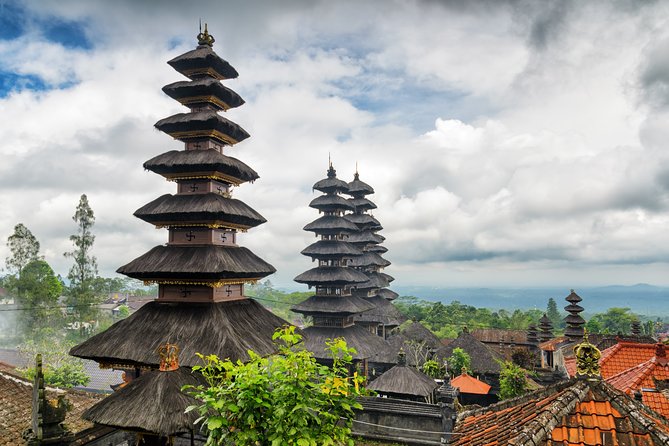
Besakih is often called Bali’s Mother Temple for a reason. It is not just one building. It is a temple complex that spreads out in a bigger, more open way than many other temple visits, with multiple grounds that help you understand how Balinese Hindu worship works across different shrine areas.
The setting is a big part of the experience. Besakih sits on the foothills of Mount Agung, so even when you are focused on prayers and temple details, you still get that mountain presence in the background. That matters on a day like this, because it keeps the visit from feeling like a single photo stop. You can look around, then look up again.
I also like that the route does not treat Besakih as an isolated check box. It connects it to the rest of the day’s themes: sacred water at Tirta Empul and the island’s volcanic geography in Kintamani. In other words, the whole day has a storyline.
Getting from Ubud, and why this day runs long
This tour starts in the Ubud area and is about 10 hours total. You ride in an air-conditioned vehicle, and you can get pickup if you want it. It is designed as a private tour for your group, so you are not stuck waiting around for strangers’ late arrivals.
The pace is still full-day. Think: one major temple, a highland lunch stop, another temple, then a scenic rice terrace walk. The time spent at each highlight is fairly focused, so you get enough time to enjoy each place without wandering for hours with no plan.
One practical note: Mount Agung and the volcanic highlands can mean weather changes. Even if the forecast looks fine, bring layers you can handle during temple shade and open hillside views. It is not about dressing fancy. It is about staying comfortable so you can actually pay attention.
Stop 1: Besakih Temple, what to look for besides the photos
You get about an hour at Besakih, which is a sweet spot for a complex this size. It is long enough to see key temple areas, but not so long that you feel trapped in one spot while the day moves on.
Here is what I think is worth your attention when you arrive:
- The scale of the grounds. Besakih feels like a temple world, not just one courtyard.
- Worship in action. You will likely notice traditional offerings and everyday devotion. This is the kind of detail that can make a temple visit feel human, not staged.
- Mount Agung in the background. When you look up during breaks in the crowds, you get that “why this place is here” feeling.
You are also given a sarong to enter the temple areas. That is more useful than it sounds. It saves time and reduces stress, especially when you are juggling time for photos, walking, and respecting temple rules.
Potential drawback: because Besakih is a major temple, you should expect some crowding in the peak parts of the day. If you hate crowds, treat your hour as focused time. Walk in with a plan, then slow down once you find a spot that feels calm.
Kintamani lunch with Mount Batur and lake views
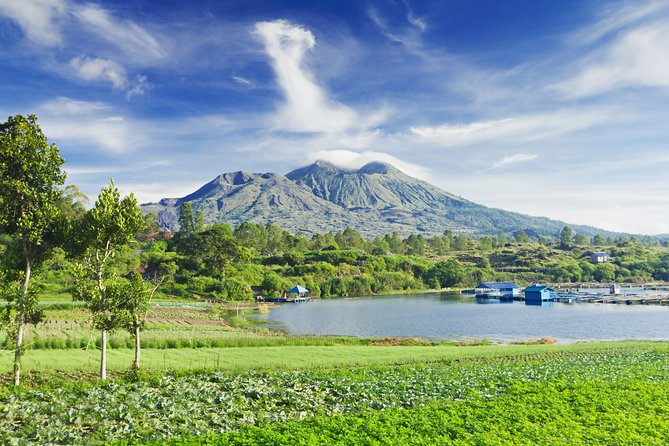
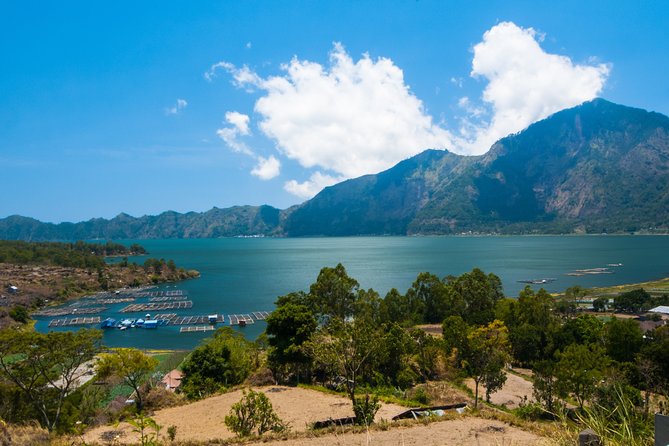
From Besakih, the route continues north to the Kintamani highland area. You get around two hours here, and lunch is part of the package. This is where the day shifts from temple details to big-world views.
Kintamani is known for its volcano and lake perspective, and the payoff is clear: you can eat while looking out toward Mount Batur and the surrounding lake area. That mid-day scenery break is not just for photos. It helps you reset your brain after walking temple grounds.
Why this stop is valuable: the volcanic landscape is part of Bali’s real identity. Even if you are mostly there for culture, Kintamani gives context for why mountains and water matter in daily life and religious practice.
A small consideration: lunch time means you may feel a bit rushed if you try to do everything at once. I suggest you do a quick view check first, eat without rushing, then take a slow walk if there is time. That way you do not end up hungry and frantic at the same time.


Tirta Empul Water Temple and the Mayadenawa versus Indra story
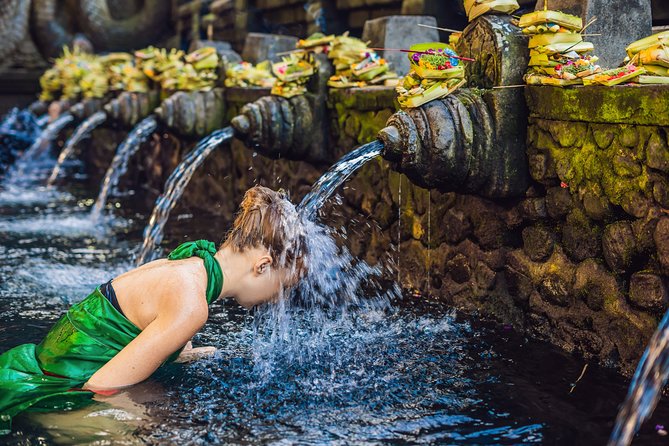
Tirta Empul is one of those places where the legend and the physical space are linked. You spend about an hour here, and the temple is the setting for the Balinese story of an epic battle between Mayadenawa and God Indra.
The key idea is the holy spring inside the temple. According to the legend, the spring is said to heal and save the troops of God Indra from dying. That is not a random myth you hear and forget. It directly connects why people come to the water.
What I think you should do while you are there:
- Watch how the space guides movement. Even if you do not fully understand every ritual step, you can sense how the temple is set up for devotion.
- Treat it as a living place. You are not just sightseeing. People are there for spiritual reasons, so keep your pace respectful.
One caution: if you have modesty concerns or want a totally non-participation experience, you may feel unsure about water rituals. The tour includes a sarong for entering temple areas, which helps, but the activity around the spring can be more interactive than a standard viewpoint. Go with a calm, respectful mindset.
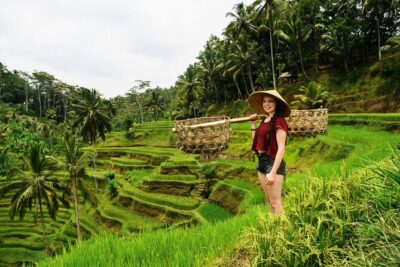
Tegalalang Rice Terrace: the easy, scenic closer
Your final stop is the Tegalalang Rice Terrace, with about 45 minutes on the ground. This is a shorter stop, and that is a good thing. It ends the day with a slower, greener feel compared to the temple interiors and water temple focus.
You get time to stroll among the lush green rice fields and take in the layered views. This is where you can comfortably slow down without worrying that you are missing another ritual moment.
Practical tip: because this area can involve uneven paths, wear shoes that grip well. You do not need hiking gear, but you do want stable footing so you can enjoy the walk without constantly watching your steps.
Also, keep your time mindset. Forty-five minutes can feel like a lot if you are taking it easy, and it can vanish if you try to do everything. Pick a couple of viewpoints you like and enjoy the rhythm of the place.
What’s included, and why it lowers your stress level
This tour is set up as a “ready to go” day:
- Air-conditioned vehicle and private transportation
- Lunch and bottled water
- All fees and taxes included
- Sarong included for temple entry
That last piece is especially helpful in Bali. Temple visits often require proper clothing, and it is easy to forget something small that ruins your day. Here, you are covered.
Also note what is not included: alcoholic beverages. So if you want a drink with lunch, you will need to plan for that separately. I like knowing this upfront because it prevents budget surprises.
Price and value: is $75 a good deal for this route?
At $75 per person for a roughly 10-hour day, the real value is not just the price tag. It is what you get for it.
You are paying for:
- a full route connecting multiple top sights
- air-conditioned transport through Ubud area to Kintamani and onward
- lunch and bottled water, which reduces daily cost planning
- entry-related items handled for you, including fees and taxes and a sarong
In plain terms, this is a decent value if you want a structured day without figuring out transit timing between far-flung sights. You are also getting a private setup for your group, which usually means less downtime.
If you are the kind of traveler who likes to plan everything independently, you could compare costs by arranging separate transport and tickets. But for a one-day, four-stop itinerary, this pricing makes the day simpler and more predictable.
One booking detail: it is commonly booked about 16 days ahead on average. That suggests demand. If your dates are fixed, I would book sooner rather than later, so you are not stuck trying to build a perfect day at the last minute.
Service style: what you gain with Hire Bali Driver
The experience provider is Hire Bali Driver. The tour format suggests you will have a dedicated ride and a straightforward flow between stops.
The best kind of day tours are the ones that do not make you think about logistics. When the vehicle is handled, lunch is covered, and you have the right clothing for temples, you spend your energy on the actual moments: walking the temple grounds, listening to the stories tied to the holy spring, and enjoying the views.
And yes, service quality matters. The overall rating for this experience is 5 out of 5, which lines up with the idea that people appreciate how smooth the day feels.
Who should book this, and who might skip it
This tour fits best if you want:
- a well-connected route across Bali’s religious and volcanic highlights
- a structured day without hunting for transport or managing every ticket detail
- a mix of walking and viewing, with temples plus scenery
You might consider another option if:
- you hate long days, because 10 hours is a full commitment
- you prefer only one or two stops rather than four distinct experiences
- you want a slower, deeper explanation at every single site (this day is focused, not leisurely)
If you like learning culture through real places, this route works well. Besakih and Tirta Empul bring the spiritual side. Kintamani and Tegalalang add the geography and scenery context that makes Bali feel like Bali.
Quick etiquette and comfort tips for a respectful, easy day
Temple days go better when you plan for the basics:
- Wear clothing that is easy to work with for sarong use at temple areas.
- Keep your pace calm. People are there to pray and participate.
- Bring layers. Open viewpoints can feel cooler than shaded temple areas.
- For Tegalalang, wear shoes with grip. Paths can be uneven.
If you do these small things, you will spend less time adjusting your outfit and more time taking in what makes each stop meaningful.
Should you book the Besakih Temple Tour?
I think you should book this tour if you want one strong day that combines Bali’s biggest Mother Temple with a volcanic highland lunch, a legendary holy-water temple, and an easy rice terrace walk. At $75, it is good value when you add up transport, lunch, bottled water, temple entry-related items, and the fact that it is structured for a smooth flow.
Skip it only if you know a 10-hour schedule does not suit you, or if you want lots of free time in just one place instead of moving between highlights.
If your goal is a memorable sampler of Bali’s sacred sites and scenery in a single day, this is the kind of itinerary that makes sense.
FAQ
How long is the Besakih Temple Tour?
The tour lasts about 10 hours.
What is the price per person?
The price is $75.00 per person.
Is pickup included?
Pickup is offered, and you travel in an air-conditioned vehicle.
Are meals and water included?
Yes. Lunch and bottled water are included.
Do I need a sarong for temple entry?
Yes. A sarong is included to enter the temples.
What is the cancellation policy?
You can cancel for a full refund up to 24 hours in advance of the experience start time. If you cancel within 24 hours of the start time, the amount paid is not refunded.
More Tours in Ubud
- All-Inclusive Ubud Private Tour
★ 5.0 · 14,344 reviews - Best of Ubud Full-Day Tour with Jungle Swing
★ 5.0 · 8,571 reviews - Best of Ubud 1-Day Private Tour
★ 5.0 · 4,451 reviews - Tanah Lot and North Bali Tour: Scenic Journey
★ 5.0 · 3,620 reviews
More Tour Reviews in Ubud
- All-Inclusive Ubud Private Tour
★ 5.0 · 14,344 reviews - Best of Ubud Full-Day Tour with Jungle Swing
★ 5.0 · 8,571 reviews - Ubud: Monkey Forest, Jungle Swing, Rice Terrace, and Water Temple
★ 5.0 · 7,160 reviews - Best of Ubud 1-Day Private Tour
★ 5.0 · 4,451 reviews
Temples Worth the Early Start
- Ubud: Monkey Forest, Jungle Swing, Rice Terrace, and Water Temple
★ 5.0 · 7,160 reviews - Full-Day Tour to Water Temples and UNESCO Rice Terraces in Bali
★ 5.0 · 2,539 reviews - Bali Instagram: Gate of Heaven Temple Tour
★ 5.0 · 737 reviews - Ubud Tour with Monkey Forest Waterfalls Temples and More
★ 5.0 · 495 reviews
Fresh on the Ubud pages




Balinese Temple Trips from Kuta, compared.
 ★ 5.0Ubud: Monkey Forest, Jungle Swing, Rice Terrace, and Water TempleFrom $317,160 reviews
 ★ 5.0Full-Day Tour to Water Temples and UNESCO Rice Terraces in BaliFrom $392,539 reviews
Private Uluwatu Temple and Kecak Fire Dance Evening Tour in Jimbaran BayFrom $271,199 reviews
★ 5.0Full-Day Tour to Water Temples and UNESCO Rice Terraces in BaliFrom $392,539 reviews
Private Uluwatu Temple and Kecak Fire Dance Evening Tour in Jimbaran BayFrom $271,199 reviews
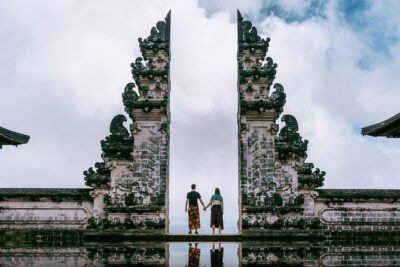 ★ 5.0Bali Instagram: Gate of Heaven Temple TourFrom $85737 reviews
Ubud: Monkey Forest, Water Temple, Rice Terrace, WaterfallFrom $28538 reviews
★ 5.0Bali Instagram: Gate of Heaven Temple TourFrom $85737 reviews
Ubud: Monkey Forest, Water Temple, Rice Terrace, WaterfallFrom $28538 reviews
 ★ 5.0Ubud Tour with Monkey Forest Waterfalls Temples and MoreFrom $30495 reviews
 ★ 5.0Ubud Top Attractions: Waterfalls, Temples and Rice TerracesFrom $39460 reviews
 ★ 5.0Private Tour: Uluwatu Temple & Southern Bali HighlightsFrom $45387 reviews
More Kuta tours like this one