
Review · PRIVATE
Bali Private Mystic Death Tour In Trunyan
Death is treated as a living part of life here.
This private tour links four stops that all center on how Balinese communities return bodies to nature in a spiritual way, from Kehen Temple to the unusual cemetery at Trunyan. I love that it mixes big, sacred architecture with places most visitors never see, and I also love the practical planning, like an air-conditioned vehicle, entrance tickets, a sarong for temple visits, and a real live guide. One thing to consider: the Trunyan cemetery subject matter is intense, so if you prefer light sightseeing, this may feel heavy even though it is presented with deep respect.
You will spend about 6 to 8 hours moving through central Bali, with views of Mount Batur and Lake Batur built into the day. The trip also shines when your guide or driver is the kind who can explain the meaning behind the rituals, since the strongest praise in feedback goes to people like Tagu, Ade, and Gede for being supportive and story-driven. The main drawback is timing and travel time, because there is a decent amount of road time before you reach Trunyan and the Lake Batur area.
Key highlights to know before you go
- Kehen Temple’s fire theme and banyan-tree details that you can spot once you are inside
- Trunyan’s open-decomposition cemetery explained as a community approach to returning to nature
- Bayung Gede placenta ritual culture you can observe through the village tradition
- Mount Batur and Lake Batur viewpoints with time that feels scenic, not rushed
- Tour comforts that reduce friction: A/C vehicle, bottled water, and included tickets
- Private group attention so you can ask questions at the pace you need
The same day, just yours
- All-Inclusive Ubud Private Tour★ 5.0 · 14,344 reviews
- Best of Ubud 1-Day Private Tour★ 5.0 · 4,451 reviews
- Bali Private Car Hire with Driver★ 5.0 · 2,061 reviews
- Best of Ubud Attractions: Private All-Inclusive Tour★ 5.0 · 1,150 reviews
What This Mystic Death Tour Actually Feels Like
This is not a spooky show. It is a guided cultural day focused on how Balinese spirituality treats death as part of life, with ceremonies and beliefs that emphasize balance and return to the natural world. You are going to see rituals that may be unfamiliar, but the tour’s structure helps you understand what you are looking at before you start judging from your own comfort level.
I like that the day is built around meaning, not shock value. You begin with a major temple, move to an isolated-style burial tradition at Trunyan, then shift to another community practice at Bayung Gede, before ending with the open air and wide views around Lake Batur. That pacing matters because it keeps you from feeling like you are only stuck in one emotional zone.
The tone is also practical. You are provided key basics along the way, like sarongs for temple situations, bottled water, entrance tickets, and a live guide, so you can focus on the cultural experience instead of logistics.
Ubud Pickup, Road Time, and How to Plan Your Day (6 to 8 Hours)
The tour starts at the Ubud Palace meeting point and ends back there. That round trip is convenient, especially in Ubud, because you do not have to figure out transfers or worry about being left behind at the end.
Expect the day to be real travel time, not just a couple of quick hops. The route reaches the Bangli area for Kehen Temple and then continues on to Trunyan Village, which is why you should plan for a long half-day, roughly 6 to 8 hours total.
If you get carsick, bring your usual remedy. The only hint you have from the way people describe the experience is that road time can be a lot, especially if you are not already based nearby. The upside is that the vehicle is air-conditioned and the tour includes parking fees, so you are not losing energy to stop-and-start driving problems.
One more small but helpful detail: it is described as a private tour, meaning your group stays together. You are not sharing your guide’s attention with a bus full of strangers, which makes it easier to ask respectful questions.
Kehen Temple (Bangli): Fire of the Gods and Banyan-Tree Bells
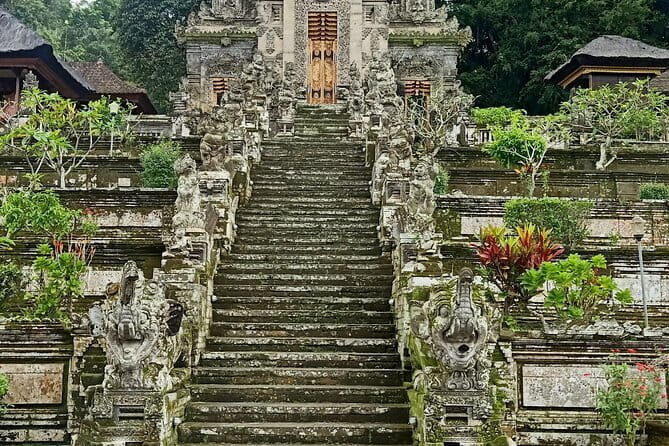
Kehen Temple is your first major stop. It is described as one of the oldest temples in Bangli Regency, and it is associated with the fire symbol of God. Even if you do not know Balinese Hindu symbolism yet, you will quickly sense that this place is meant to be read as sacred space, not just old stone.
Your time here is about 1 hour 30 minutes, with an admission ticket included. That is long enough to walk slowly, notice architectural details, and still have time to regroup if you want to ask questions.
The standout feature you can look for is the wooden bell located on banyan trees. It is the kind of detail that makes a temple visit feel specific, because you are not just staring at big structures, you are spotting how the temple interacts with living trees. It also sets the theme for the rest of the day, since banyans and natural elements show up again in how these traditions talk about life, death, and balance.
A practical note: temple etiquette matters. The tour includes a sarong, which helps you follow dress expectations without needing to run to a shop at the last second.
Trunyan Cemetery: Skull Island and an Open-Air Approach to Returning
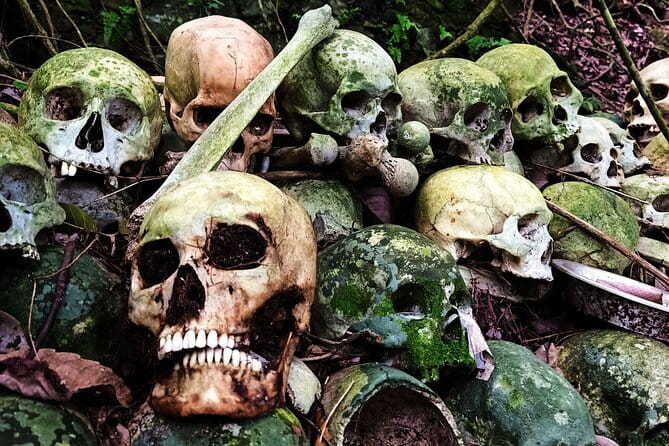
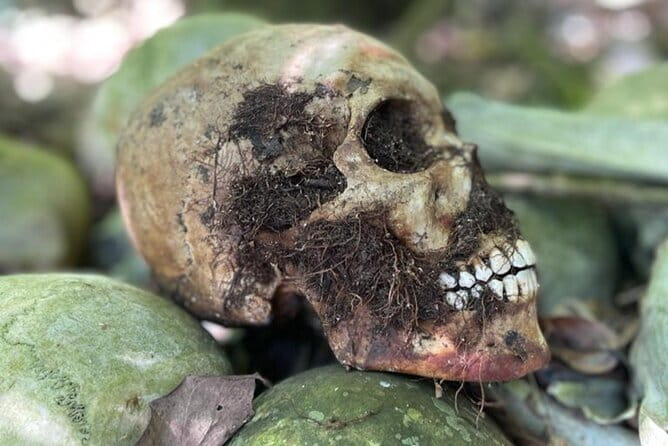
Trunyan Village is the emotional center of the day, and it is known as Skull Island because of its open cemeteries. Instead of the standard idea of burying bodies underground, the tradition keeps bodies exposed so they can decompose on land, as part of a spiritual process.
You will spend about 2 hours at the Trunyan cemetery stop. That amount of time is important. It lets you watch the space slowly and take in the community behavior around it, rather than snapping photos from a quick walk-by.
This is where your mindset matters most. The tour frames the practice as a spiritual belief about keeping balance and giving back to nature, meaning it is not presented as grim entertainment. Still, it is about death, and you should be ready for that emotionally, even if the guide helps you interpret what you are seeing.
There is also a nature payoff built into the experience. The drive and the Lake Batur connection mean you are not only in a somber setting. You get the chance to see Mount Batur and the Lake Batur area on the way and later in the day, which helps the overall mood reset from heavy to reflective.
If you are the type who likes to understand context before you judge, you will probably enjoy this stop the most. If you prefer to avoid death-related sites, this is still worth knowing about before you buy, because the cemetery is not optional on this itinerary.
Bayung Gede Village: How Communities Treat the Placenta
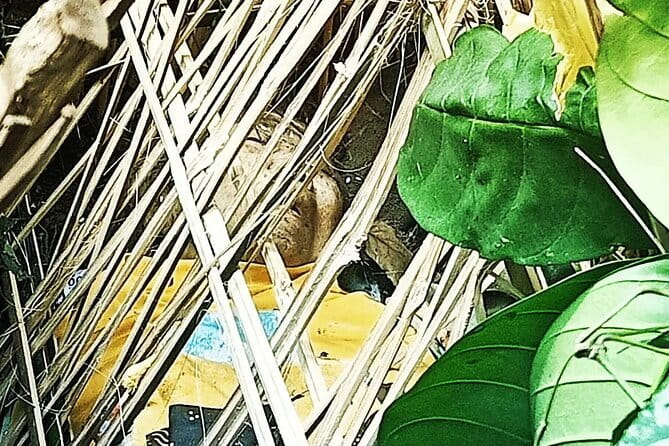
After Trunyan, the tour moves to Bayung Gede Village, where the emphasis shifts from end-of-life rituals to care around a baby’s arrival. The tour describes the village as having a unique culture for treating the placenta hanging at the trees.
Your time here is about 1 hour, and the admission ticket is listed as free. That is a good sign for value, because you still get a meaningful cultural stop without paying extra at the door.
This part of the day can surprise people in a good way. When you look at rituals across death and birth within the same broad belief system, you start to see a theme: Balinese communities treat major life transitions with ceremony and environment together. It stops you from thinking in a strictly Western binary of burial equals closure.
Keep your expectations flexible. This is less about dramatic visuals and more about understanding cultural practice through what the guide points out. If you ask the right questions, you will likely get more out of it than you would by looking at it passively.
Lake Batur (Danau Batur): The Volcano and Lake Views, Plus Boat Time
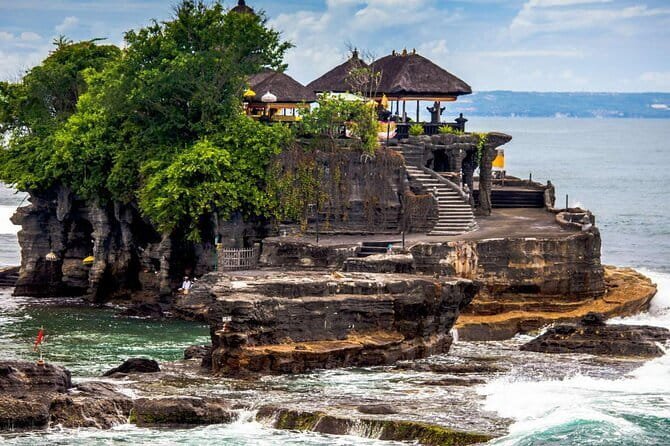
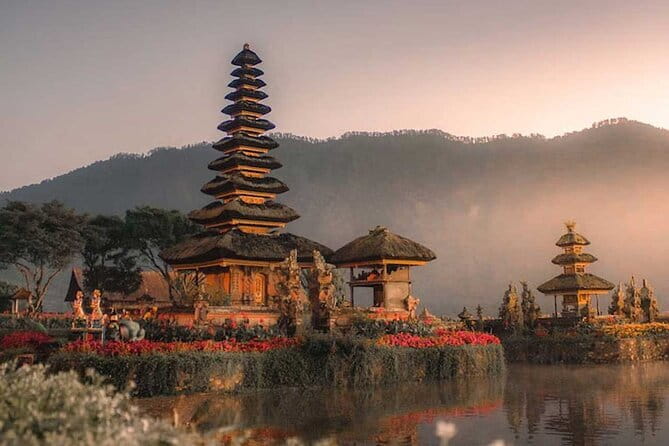
The final sightseeing block focuses on the wide-open landscape around Lake Batur, with views of Mount Batur and the lake itself. Your time here is about 2 hours, and an admission ticket is included.
There is also a boat ticket included, which tells you the Lake Batur portion is meant to be more than standing on a viewpoint and leaving. You should plan for some water-area time, and you will likely get a fresher feel for the lake by being on it instead of only seeing it from the shore.
One practical tip from strong feedback: people recommend checking out hot springs when you are on the Lake Batur area, as long as your schedule and the local timing allow it. The tour listing does not confirm hot springs as a guaranteed stop, so treat it as an option you can ask about during your Lake Batur segment.
This is also where the day’s emotional arc can balance out. You start in temple space tied to fire and ritual, move through a cemetery tied to decomposition and return to nature, then end on an expansive volcanic-lake setting. If you go in with a calm, open approach, you may find Lake Batur gives you a sense of breathing room after the heavier subject of the earlier stops.
Price and Value: Why $79 Can Make Sense (If You Want This Specific Culture)
At $79 per person, the tour is not a budget bus ride, but it also does not feel overpriced for what is included. The key reason is the bundle of costs that would normally add up fast on your own: air-conditioned vehicle, parking fees, entrance tickets, a live tour guide, boat ticket, bottled water, and sarongs at temples.
Lunch is not included, so you will need to plan for food during your day. That is the main extra cost you should account for, and it can matter if you have dietary needs or want a specific type of meal.
Another value factor is the private format. If you are traveling as a small group, private attention tends to stretch your money further because you get better pacing, and the guide can spend more time explaining what you are seeing. This is especially important on a topic as culturally specific as this one.
Also, people tend to book this tour about 31 days in advance on average. That does not mean you must book far ahead, but it does suggest the timing can fill up, particularly during busy travel seasons. If you have flexible dates, you can shop for the time window that best fits your Ubud schedule.
Who This Tour Suits Best (And Who Might Want to Skip It)

This tour fits best if you want more than scenery and photos. It is for travelers who like cultural context, are comfortable with sensitive themes, and appreciate seeing how faith shapes daily interactions with nature.
You will probably enjoy it most if you:
- like guided explanation and story-based tours
- enjoy seeing spiritual practices in the real places they happen
- want a day that connects multiple traditions, not just one landmark
You might want to think twice if you are:
- squeamish about death-related sites
- looking for only light, casual sightseeing
- very time-sensitive and cannot handle a 6 to 8 hour day with travel
One more thing I appreciate: the experience is framed as a spiritual ceremony and community practice, not a performance. If you respect that, the tour becomes more meaningful than just an unusual checklist item.
Before You Go: Respect, Comfort, and Smart Questions
Because the topic involves death and ritual practice, you will get the best experience by arriving mentally ready to observe respectfully. Dress and behavior matter at temples, and the tour helps by providing sarongs, but you should still keep your general manners tight: speak softly, follow the guide’s lead, and avoid interrupting any ceremony-related moments.
For comfort, pack the usual Bali day items:
- water bottle habit is covered with bottled water, but you can still bring your own small bottle
- sunglasses and sun protection for outdoor walking
- something for the car ride if you get motion sick
- cash or card for lunch, since it is not included
Smart questions help a lot here. Ask things like how the community explains the idea of balance and returning to nature, and what the fire symbolism at Kehen Temple means in the broader belief system. If your guide is someone like Tagu, Ade, or Gede, you can expect strong explanations and story skills, and that makes the day click faster.
Also, keep photo expectations realistic. You may see areas where photographing is not encouraged. Follow your guide’s cues and focus on understanding first.
Should You Book This Bali Private Mystic Death Tour in Trunyan?
I’d book this tour if you want a deeply cultural day that connects temple symbolism, a community cemetery practice, a life-cycle ritual at Bayung Gede, and sweeping volcanic-lake views. The value is solid because tickets, transport, boat access, guide time, sarongs, and water are bundled, and the private setup makes it easier to ask questions without feeling rushed.
I would not book it if death-related subject matter would seriously ruin your mood, or if you want a simple sightseeing loop. There is too much emphasis on the cemetery portion for this to feel like a casual half-day.
If you are on the fence, here is the practical check: do you like tours where the guide’s explanations shape what you see? If yes, this tour has the right ingredients. If no, you might find the experience emotionally heavy without enough “fun” distraction.
FAQ
How long is the Bali Private Mystic Death Tour in Trunyan?
The tour lasts about 6 to 8 hours total.
Where does the tour start and where does it end?
It starts at Ubud Palace (Jl. Raya Ubud No. 8, Ubud) and ends back at the meeting point.
What stops are included in the tour?
The tour includes Kehen Temple, Trunyan Cemetery, Bayung Gede Village, and Lake Batur (Danau Batur).
What is included in the ticket price?
Included items are bottled water, air-conditioned vehicle, parking fees, entrance tickets, a live tour guide, a boat ticket, and a sarong at the temple.
Is lunch included?
No, lunch is not included.
What is the cancellation policy?
You can cancel for free up to 24 hours in advance for a full refund, based on the local time where the experience takes place. If you cancel less than 24 hours before start time, you do not get a refund.
The Same Day, Just Yours
- All-Inclusive Ubud Private Tour
★ 5.0 · 14,344 reviews - Best of Ubud 1-Day Private Tour
★ 5.0 · 4,451 reviews - Bali Private Car Hire with Driver
★ 5.0 · 2,061 reviews - Best of Ubud Attractions: Private All-Inclusive Tour
★ 5.0 · 1,150 reviews
More Tours in Ubud
- All-Inclusive Ubud Private Tour
★ 5.0 · 14,344 reviews - Best of Ubud Full-Day Tour with Jungle Swing
★ 5.0 · 8,571 reviews - Best of Ubud 1-Day Private Tour
★ 5.0 · 4,451 reviews - Tanah Lot and North Bali Tour: Scenic Journey
★ 5.0 · 3,620 reviews
More Tour Reviews in Ubud
- All-Inclusive Ubud Private Tour
★ 5.0 · 14,344 reviews - Best of Ubud Full-Day Tour with Jungle Swing
★ 5.0 · 8,571 reviews - Ubud: Monkey Forest, Jungle Swing, Rice Terrace, and Water Temple
★ 5.0 · 7,160 reviews - Best of Ubud 1-Day Private Tour
★ 5.0 · 4,451 reviews
Fresh on the Ubud pages




Private, compared.
 ★ 5.0All-Inclusive Ubud Private TourFrom $10014,344 reviews
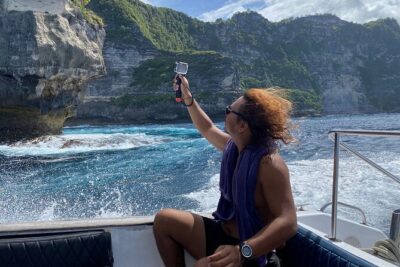 ★ 5.0️Nusa Penida by Private Boat – Snorkeling 4 spots, Swim with Mantas + Land TourFrom $1006,424 reviews
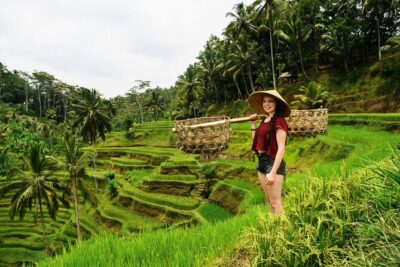 ★ 5.0Best of Ubud 1-Day Private TourFrom $544,451 reviews
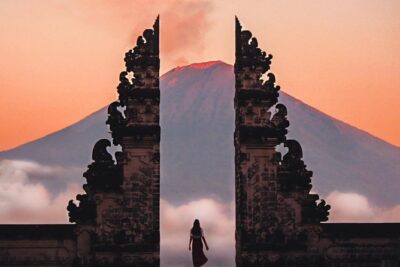 ★ 5.0️ Bali Instagram Tour: The Most Famous Spots (Private & All-Inclusive)From $1142,857 reviews
 ★ 5.0Bali Private Car Hire with DriverFrom $252,061 reviews
 ★ 5.0Experts Bali Driver : Best Bali Private Driver for Tour in BaliFrom $321,339 reviews
 ★ 5.0Bali Nusa Penida West Private All-Inclusive TourFrom $801,277 reviews
Private Uluwatu Temple and Kecak Fire Dance Evening Tour in Jimbaran BayFrom $271,199 reviews
★ 5.0Bali Nusa Penida West Private All-Inclusive TourFrom $801,277 reviews
Private Uluwatu Temple and Kecak Fire Dance Evening Tour in Jimbaran BayFrom $271,199 reviews