
Review · TICKETS
Nusa Dua: Museum Pasifika Admission Ticket with Audio Guide
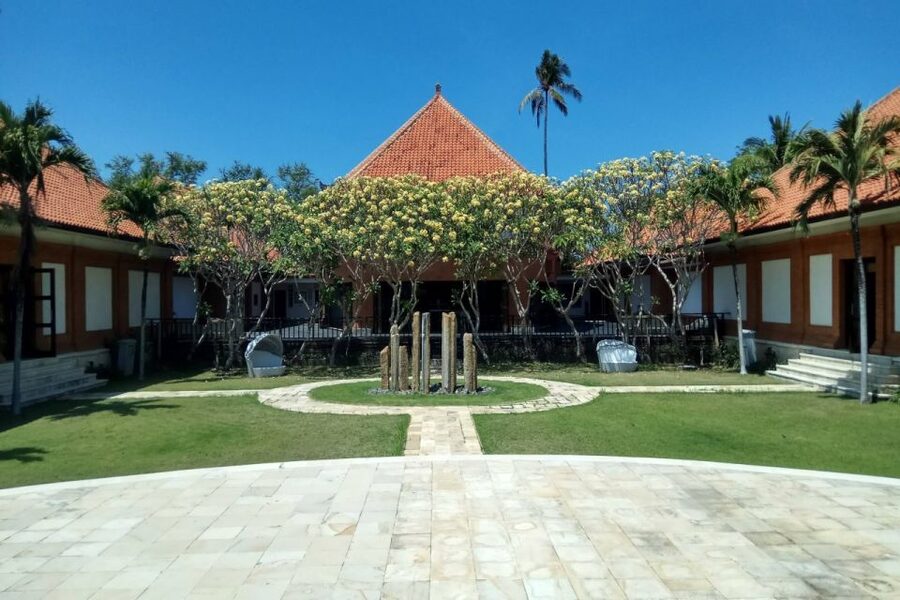
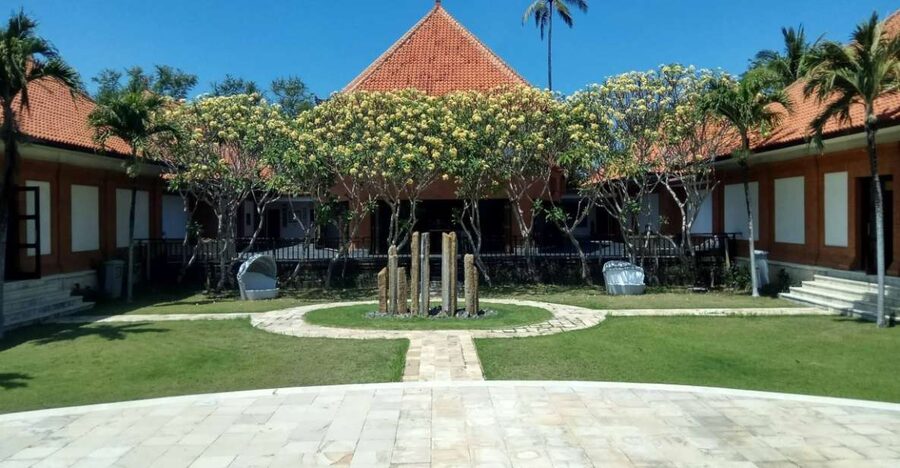
A quiet museum can still surprise you. Museum Pasifika in Nusa Dua is a calm walk through 600+ artworks and the “Pacific Ocean” focus many Bali trips miss, with Michoutouchkine and Pilioko sculptures as a standout. You get a self-paced visit with an audio guide, so you can slow down for details instead of speed-scrolling paintings.
I particularly liked how the collection connects places and art styles across the Asia Pacific, from Indonesian Masters to European artists who spent time in the region. The possible downside is comfort: if you are sensitive to humidity, the museum can feel less air-conditioned than you might expect, and some displays do not feel as protected as modern gallery work.
Key things to know before you go
- 600+ artworks across painting and sculpture, covering historic and contemporary work
- Audio guide in English and Indonesian, matched to the galleries
- Indonesian Masters represented by big names like Raden Saleh, Lempad, Affandi, Hendra, and Kobot
- Premier Art of Oceania collection with around 200 sculptures from 10 Pacific Ocean nations
- Michoutouchkine and Pilioko collected the Oceania pieces over roughly 50 years
- Photo rules are strict: no flash, and no tripods
Other Denpasar days people book alongside this one
- Nusa Dua: Museum Pasifika Admission Ticket with Audio Guide★ 4.3 · 4 reviews
Museum Pasifika in Nusa Dua: what this ticket is really for
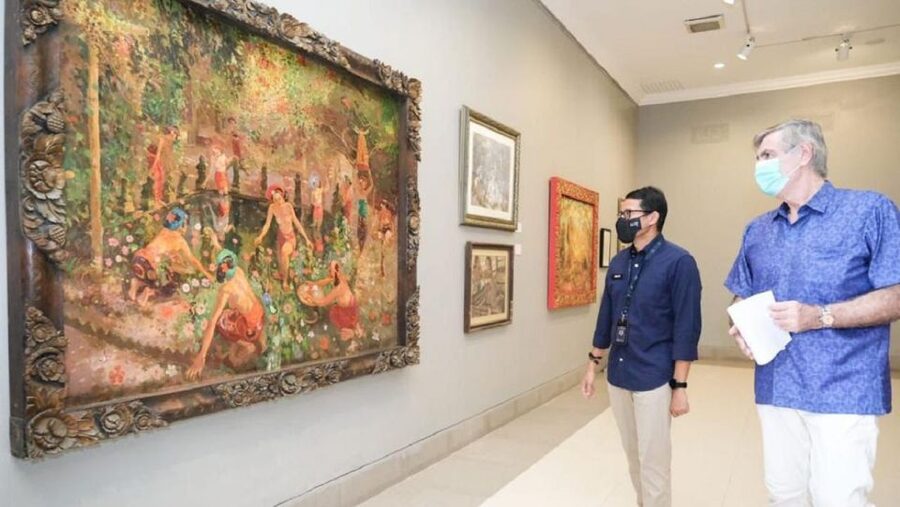
For about $7 per person, you are buying more than entry. You are buying time in a museum that feels intentionally laid-back, with a collection broad enough to keep you moving room to room without feeling like you have to study for an exam.
Museum Pasifika is set up for a relaxed gallery walk. You show your ticket at the reception area, pick up your audio guide if you want it, and then you go at your own pace through galleries packed with paintings and sculptures. The visit is listed as valid for a 1-day entry tied to your chosen date, so you are not stuck with a strict tour schedule.
What makes this feel like good value is the mix. You get Indonesian art history and also a strong Pacific Ocean sculpture focus. Many Bali museum visits lean heavily on one theme. Here, the museum makes you bounce between regions and art approaches, which is exactly why it works.
Also, the small included touches help. You get a cold towel and drinks (tea, coffee, or infused water), plus refreshments. You are not spending energy hunting for a break, and in Bali heat that matters more than you might think.
The gallery walk: a self-paced route through Asia-Pacific art
The museum experience is basically a curated set of rooms. Some rooms concentrate on Indonesian artists and art movements. Other rooms group work based on geographic or artist connections, including Western artists who linked their styles to Asia and the Pacific.
You will see a lot of work across media. There are paintings and sculptures, and the museum includes both older and more modern pieces. The headline numbers are big, but you can make sense of it while you walk because the displays are organized into thematic areas.
Think of it like this: rather than a single story, the museum gives you multiple entry points. You can start by following Indonesian art names you recognize. Then you shift into rooms where European artists show how they interpreted scenes and aesthetics after spending time in the region. Finally, you reach the Oceania rooms, where the museum’s collection does something most art stops on Bali do not.
If you like museums that reward walking slowly, this one fits your style.
Indonesian Masters rooms: Raden Saleh to Kobot
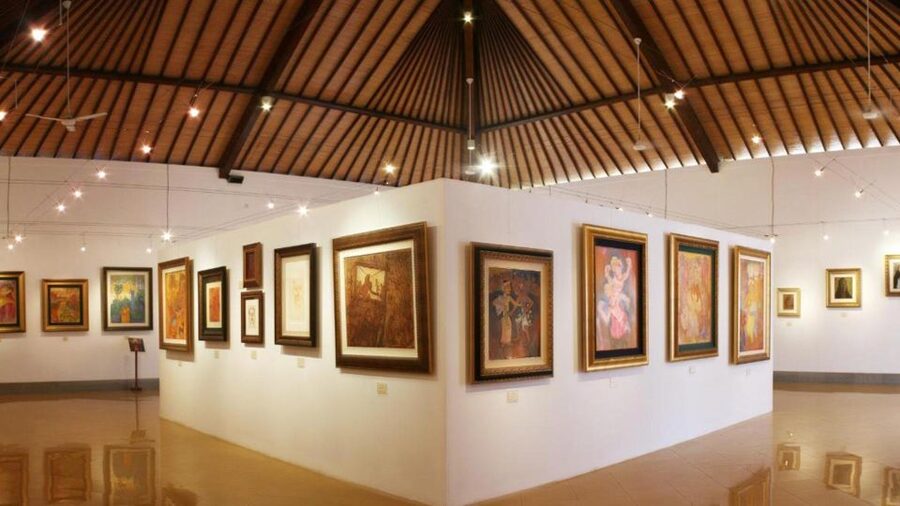
One of the strongest reasons to come is the lineup of Indonesian Masters. You are not looking at an over-simplified display of “local art.” You are seeing named artists, and the museum calls out several heavyweights.
You can expect to encounter works tied to artists such as Raden Saleh, Lempad, Affandi, Hendra, and Kobot. You also have representation from over 50 Indonesian artists overall, showing a range of approaches rather than a single school.
When you are standing in these galleries, here is what I would focus on:
- Watch for how Indonesian painters handle subjects, setting, and mood. Even when two works share a theme, the brushwork and color choices can feel very different.
- Pay attention to how contemporary works sit near older ones. The museum’s layout helps you compare what changed, and what stayed.
If your Bali plans are mostly beaches and temples, this is your chance to catch the art side of Indonesia. And if you already like Indonesian culture, it helps you put names and styles into a bigger context without needing a textbook.
European artists in Bali and Asia: Spies, Le Mayeur, and others
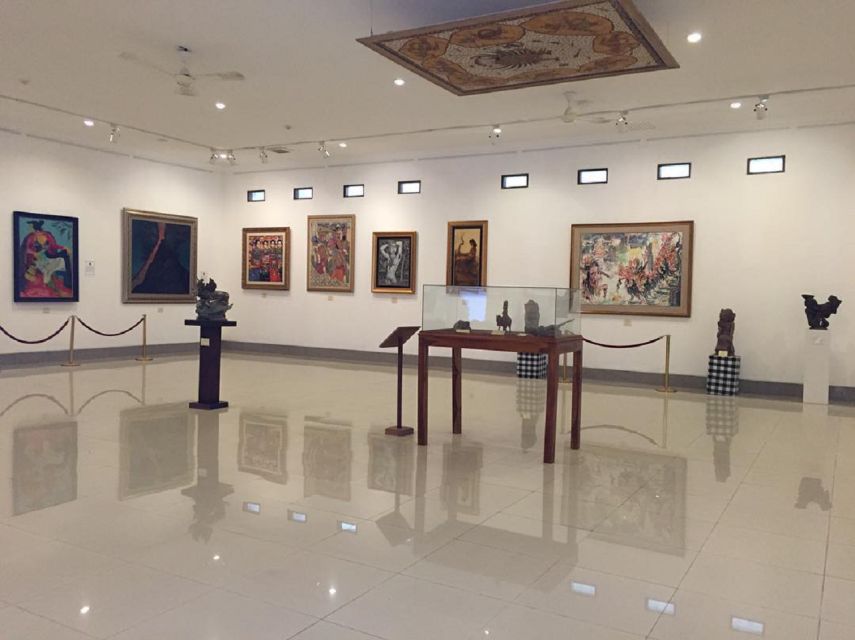
Another highlight is the museum’s rooms devoted to Western artists who worked with, or were inspired by, the Asian continent, especially Indonesia and Bali.
The museum specifically references artists and connections like Walter Spies, Miguel Covarrubias, Jean Le Mayeur, and Charles Sayers, among others. You also have the feel of an art bridge, where European painters and collectors responded to what they saw in the region.
This part of the visit is a good test for your own taste. Some people come expecting “realistic Bali.” Others are here to see style changes. Either way, what you get is a chance to compare interpretations.
If you are the type who likes art history but hates lectures, use the audio guide here. It tends to help you spot why an artist might have made certain choices, instead of just asking you to appreciate a painting with no context.
Michoutouchkine and Pilioko: the Premier Art of Oceania collection
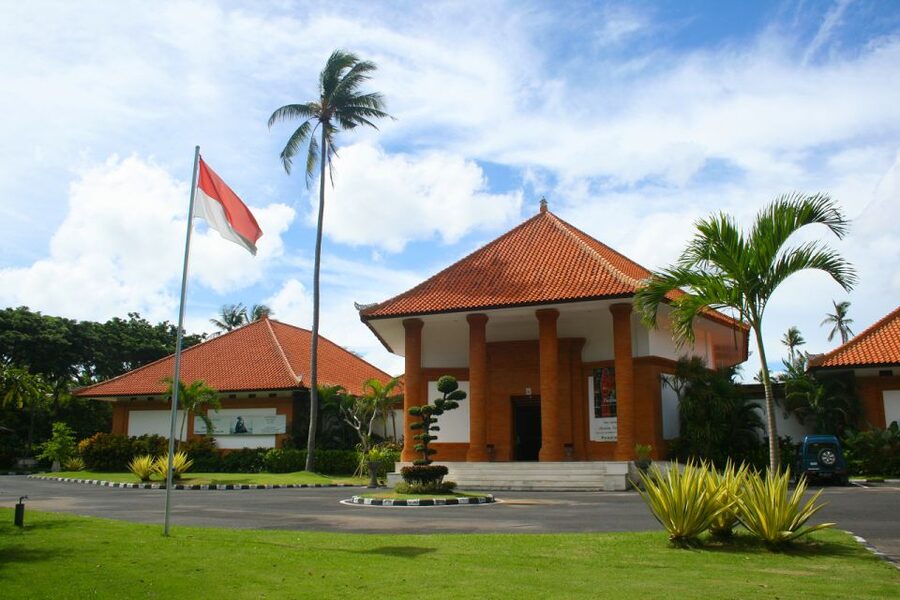
Now for the reason many people should include Museum Pasifika even if they already have a beach day planned.
The museum houses the Michoutouchkine and Pilioko Collection of Premier Art of Oceania. It includes around 200 sculptures from 10 different nations in the Pacific Ocean. The museum also notes these collections were built over roughly 50 years by the two artists.
You will feel the scale when you step into these rooms. The subject matter is different from the painting-heavy areas. The museum leans into sculpture as storytelling, with forms shaped by island cultures and different artistic traditions across the Pacific.
Here is how I suggest you approach it:
- Do not just look for one kind of sculpture. Let the variety reset your brain. The room will likely include multiple styles, materials, and influences.
- Spend extra time when a piece feels unusual to you. That is often where the audio guide helps most, by explaining what the work represents or why it was collected.
If you only have one museum day on Bali, this Oceania focus is the “signature” you will remember long after the rest fades.
Legendary Western Artists Exhibition: Gauguin, Rousseau, Matisse, and more
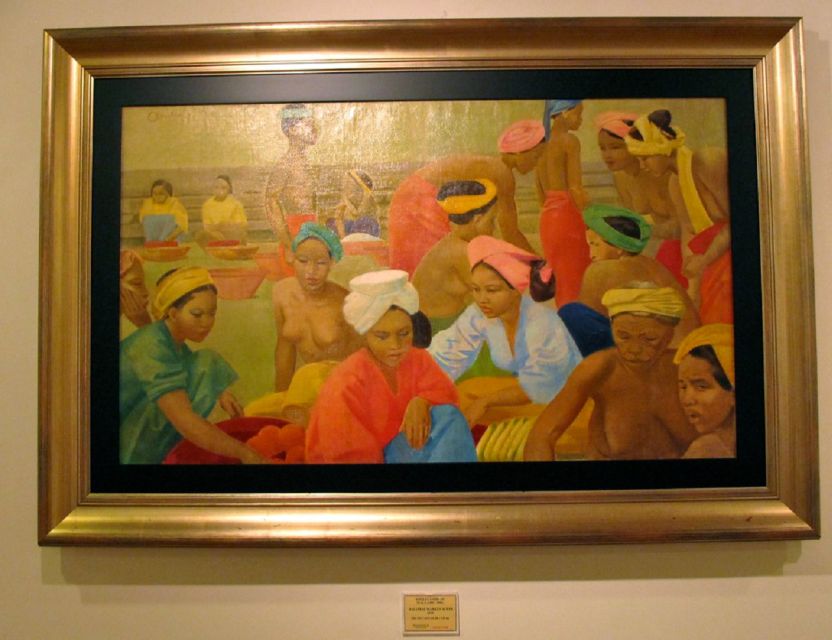
In addition to the Oceania rooms, the museum also highlights a Western artists segment featuring work associated with time in the region.
One of the names called out is Paul Gauguin, specifically during his Tahiti period. The museum also references other major names connected to art influenced by time in Asia, including Henri Rousseau, Henri Matisse, Auguste Rodin, Marvina Hoffmann, and Bernard Buffet.
This section is valuable even if you do not consider yourself a “big museum person.” It gives you familiar names in a setting that is not cookie-cutter. You can compare well-known artists to a Bali setting where the emphasis is still on the Asia-Pacific connection, not just European fame.
If you want to make it more meaningful:
- Pick one familiar artist and only one unfamiliar artist. Do not try to absorb everything.
- Let the audio guide steer you toward what connects their themes to the region.
It is a nice balance between recognizable names and the museum’s broader Asia-Pacific lens.
The audio guide: your fastest way to get value from 600+ works
The museum includes an audio guide and offers languages including English and Indonesian (and it is optional). This matters because the collection is big, and skipping context is how you end up walking past art without sticking anything in your brain.
Here is what tends to work best:
- Use the audio guide for the anchor rooms. Start with Indonesian Masters and the Oceania sculpture collection, then decide if you want to continue.
- When you hear a new artist name, pause and look again with the context in mind. This is where the museum becomes more than decoration.
Also, note the museum is strict about behavior in galleries. Flash photography is not allowed, and tripods are not allowed. So if your phone camera is your reflex, plan to rely on memory and the audio guide instead.
Comfort and etiquette in Bali humidity: plan like a local
Bali museums can be hot, and Museum Pasifika seems to be no exception. One practical consideration is humidity and air circulation. Some rooms may feel less climate controlled than you expect, and doorways might stay open.
So do not show up dressed for a cold movie theater. Bring light layers you can handle in humidity. If you start to feel “museum fatigue,” take advantage of the included refreshment and cold towel, then return when your energy is back.
A few other etiquette notes based on the rules:
- No flash photography
- No tripods
- No weapons or sharp objects
Those rules are pretty standard, but it is still worth saying out loud because they affect what you pack.
Pricing and on-the-ground value: is it worth $7?
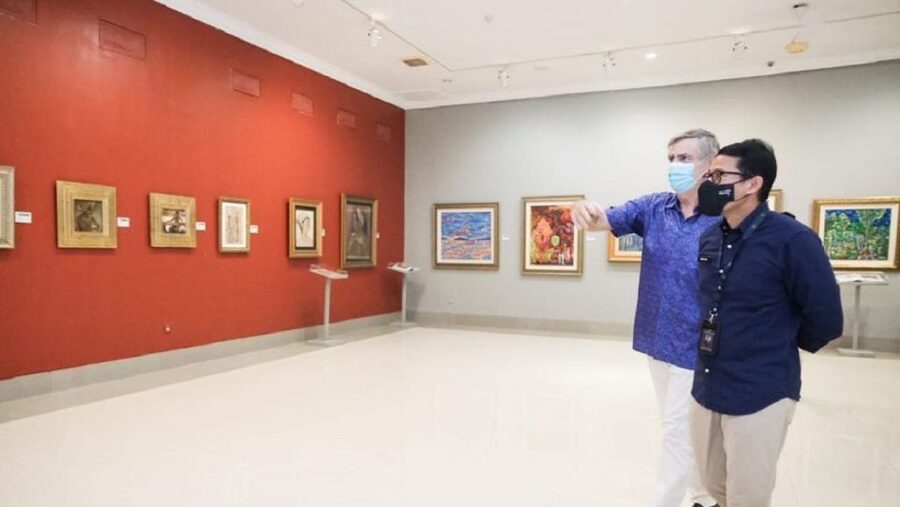
At $7 per person, this ticket is priced like an easy win. For that money, you get:
- Admission entry
- An audio guide
- Cold towel
- Drinks (tea, coffee, or infused water)
- Refreshments
What I like about the value is the combination. You are paying for a full museum visit that covers multiple art themes. Even if you only care deeply about one section, the museum still exposes you to Indonesian Masters and the Pacific sculpture collection.
Another value point: the museum is wheelchair accessible, including wheelchair and motorized wheelchair access in galleries and facilities. If you or someone you travel with needs that, this matters.
The only “value catch” is personal taste. If you go only for famous Western masterpieces or only for modern art, you might feel the collection is broad rather than laser-focused. If you enjoy cross-cultural connections and thematic room-hopping, the broadness becomes the point.
Who should book this, and who might not love it
This museum ticket is a great fit if you:
- Want a calm indoor break from Bali heat
- Like art that connects different regions, especially Indonesia and the Pacific
- Appreciate audio support for context
- Prefer a self-paced visit over a guided lecture
It might be less exciting if you:
- Only want one narrow style of art and get frustrated by variety
- Are very sensitive to humidity and prefer fully air-conditioned spaces
- Expect state-of-the-art climate protection in every display, like a major museum in a colder climate
If you fall in the middle, I would still go. The Oceania sculpture collection is the kind of thing that can change how you think about what a museum on Bali should offer.
When to go and how to plan your day in Nusa Dua
The ticket is valid for your visit date, and you should check the starting times available for that day. The activity is listed as 1 day, and there is no hotel pickup, so you will be arranging your own transport to Nusa Dua and back.
Practical planning advice:
- If you want to move slowly through rooms and use the audio guide, treat this as a half-day to full-day museum stop, depending on your pacing.
- If you are pairing it with other Nusa Dua sights, schedule it earlier rather than later, because humidity can wear you down.
There is also onsite support: a café, large parking area, and free Wi-Fi. That makes it easier to build a comfortable day around the museum.
Should you book Museum Pasifika in Nusa Dua?
I would book it if you want one museum visit that connects Indonesian art names with Pacific Ocean sculpture and then throws in Western artists influenced by Asia-Pacific experiences. For $7, the audio guide plus the cold towel and drinks feel like a fair package, and the Oceania collection gives you a real reason to remember the trip.
I would skip or reconsider if you know you hate humidity and airless rooms, or if you only like one narrow art style. In that case, you might feel the experience is more “broad walk through galleries” than a high-impact, comfort-perfect museum day.
If you are open to art as a mix of cultures and interpretations, this one is an easy add-on to a Bali itinerary, and it has a genuinely different angle than the usual sightseeing list.
FAQ
Where do I show my ticket for Museum Pasifika Bali?
Show your ticket at the reception area for Museum Pasifika Bali.
What is included with the admission ticket?
The ticket includes admission, an audio guide, refreshments, a cold towel, and drinks such as tea, coffee, or infused water.
What languages are available for the audio guide?
The audio guide is available in English and Indonesian.
Is flash photography or tripods allowed?
Flash photography is not allowed, and tripods are not allowed.
Can children enter for free?
Children aged 0 to 11 can enter free of charge.
Is the museum wheelchair accessible?
Yes. The museum is wheelchair accessible, and galleries and facilities are accessible for wheelchair and motorized wheelchair users.
More Tickets in Denpasar
- Bali: Upside Down World Admission Ticket
★ 3.6 · 23 reviews
More Tour Reviews in Denpasar
- Bali: Upside Down World Admission Ticket
★ 3.6 · 23 reviews
Fresh on the Denpasar pages
Tickets, compared.
 ★ 4.4Ubud Palace Legong Dance Show TicketFrom $63,979 reviews
 ★ 4.4Ubud Kecak and Fire Dance Show TicketsFrom $62,631 reviews
 ★ 4.5Waterbom Bali Tickets – Single Day PassFrom $33620 reviews
 ★ 4.2Tanah Lot Temple Sunset Kecak & Fire Dance Show TicketFrom $6242 reviews
 ★ 4.0Kecak and Fire Dance Ticket at Uluwatu TempleFrom $11222 reviews
 ★ 4.5Bali Bird Park Admission TicketFrom $18202 reviews
 ★ 5.0Skip the Line Tirta Empul Temple Entrance Ticket All InclusiveFrom $29198 reviews
 ★ 4.5All Inclusive Kecak Dance and Uluwatu Temple Admission TicketFrom $38127 reviews
More Kuta tours like this one